
Written by Zita Sham, Fairuuz Saleh and Shiv Mohan Banka, Principal Physiotherapists at Phoenix Rehab.Clinically reviewed by Louise Yow, Principal Physiotherapist & Director, AHPC A1300363H.Last reviewed 6 October 2026.
Football is a fast-paced sport celebrated worldwide, from Sunday league pitches to the Premier League. Yet, with its speed, tackles, and sudden changes of direction, it also carries a high risk of injuries. For football players, being aware of the most common football injuries and how they’re acquired is key to prevention, care, and returning to the game.
Every football injury, by body part
Start from where it hurts. Each linked row goes to the page that covers that injury in full. Rows marked “see a doctor first” are not ours to treat first.
| Where | Injury | How football usually causes it |
|---|---|---|
| Hand and finger | Finger dislocation | Goalkeeper saves |
| Hand and finger | Finger fracture | Goalkeeper saves |
| Wrist | Scaphoid fracture | Fall on an outstretched hand |
| Wrist | Wrist fracture | Fall on an outstretched hand |
| Shoulder | Shoulder dislocation or instability | Goalkeeper landing on an outstretched arm |
| Neck | Concussion (see a doctor first) | Head clash or heading collision |
| Lower back | Low back strain | Kicking and running load |
| Lower back | Spondylolysis (low back stress fracture) | Kicking and arching in teenage players |
| Hip and groin | Groin strain | Kicking and change of direction |
| Hip and groin | Sports hernia (inguinal groin pain) | Repeated kicking and twisting |
| Hip and groin | Pubic bone pain (osteitis pubis) | Months of heavy kicking |
| Hip and groin | Hip flexor strain | Sprinting and kicking |
| Hip and groin | Hip impingement or labral tear | Deep hip bending and rotation |
| Hip and groin | Hip bone avulsion in teenagers | A sprint or kick during a growth spurt |
| Thigh | Hamstring strain | High-speed running and sprinting |
| Thigh | Quad strain | Kicking |
| Thigh | Dead leg (thigh bruise) | A knee to the thigh in a tackle |
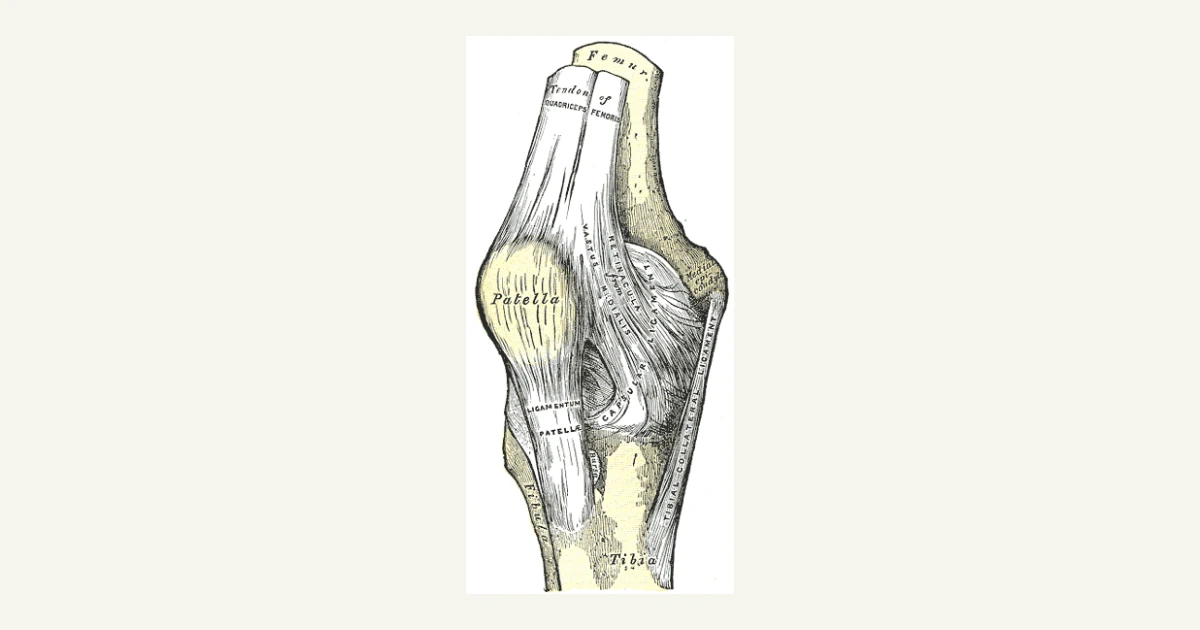
| Knee | ACL tear | Pivoting, stopping or landing without contact |
| Knee | MCL sprain | A blow to the outside of the knee in a tackle |
| Knee | Meniscus tear | Twisting on a planted foot |
| Knee | PCL injury | Falling onto a bent knee |
| Knee | Jumper’s knee (patellar tendon pain) | Jumping and sprinting |
| Knee | Kneecap dislocation | Pivoting with the knee falling inward |
| Knee | Osgood-Schlatter (teenagers) | Growth spurts in young players |
| Lower leg | Calf strain | Acceleration |
| Lower leg | Achilles tendon pain | Several matches a week |
| Lower leg | Shin bone fracture | A direct tackle to the shin |
| Lower leg | Shin bruise | Studs or a tackle |
| Ankle | Ankle sprain | A tackle, or landing on an opponent’s foot |
| Ankle | High ankle sprain | The foot twisted outward in a tackle |
| Ankle | Footballer’s ankle (front of the ankle) | Years of striking the ball with the ankle forced up |
| Ankle | Ankle fracture | A tackle with the foot planted |
| Ankle | Ankle that keeps giving way | Repeated sprains |
| Foot | Fifth metatarsal (Jones) fracture | Cutting on the outside of the foot |
| Foot | Turf toe | The big toe bent back on artificial turf |
| Foot | Metatarsal stress fracture | Sudden jumps in training load |
| Foot | Lisfranc (midfoot) injury | Landing, or being landed on, with the foot pointed |
Why Are Football Injuries So Common?
Football injuries are very common in Singapore, with studies showing around 7 to 8 injuries per 1,000 hours of play for both professionals and amateurs. The chance of injury is much higher in matches than in training, and most problems affect the ankle, knee, or hamstring.
These injuries are common because of the way the game is played. The sports demand high-intensity movements such as constant sprints, sharp turns, jumps, and contact. This puts heavy stress on joints, especially knees and ankles. Additionally, players are frequently involved in tackles and collisions that can affect the head, upper body, or lower limbs. Overuse injuries also develop due to repetitive strain from training and matches across a long season.
Essentially, the combination of explosive movement, constant contact, and repetitive load makes football one of the sports with the highest number of muscle and joint issues. Lower extremity injuries (ankle and knee) are relatively more affected.
Lower Body Injuries
Most football injuries occur in the lower body, where muscles, tendons, and ligaments endure significant pressure during a match. Below are the most common football injuries in the lower extremities:
Ankle Sprains
An ankle sprain is a frequent football injury that often happens when the foot twists unnaturally or lands awkwardly after a jump. This can overstretch the ligaments, resulting in pain, swelling, and limited mobility. Repeated ankle sprains may also cause instability in football players, impacting long-term performance. This is why ankle sprain physiotherapy is often sought to rebuild strength, improve balance, and prevent recurring injuries that could sideline athletes for longer.
Anterior Cruciate Ligament (ACL) Tears
The ACL provides knee stability but is vulnerable to tears during direction changes or high-impact tackles. An ACL tear or injury is one of the most feared in football, often resulting in long suspensions from play. It requires months of rehabilitation before players can return to matches.
Medial Collateral Ligament (MCL) Tears
The MCL is typically injured due to impact on the outer side of the knee. MCL injuries are painful but usually heal faster than ACL tears, often with structured rest and physiotherapy.
Meniscus Tears
The meniscus cushions the knee joint, absorbing shock during running and tackling. A sudden twist with a planted foot can cause a tear or damage to the cartilage near the joint.
Hamstring Strain
A hamstring strain or hamstring injury occurs when the hamstring muscles are overstretched, usually during a sprint. It is a common football injury that sidelines players mid-season, often reappearing if rehabilitation is rushed.
Quadriceps Strains
Quadriceps strains are common when players strike the ball repeatedly or sprint at high intensity. Symptoms include sharp pain in the front of the thigh and difficulty extending the knee. A knee to the front of the thigh in a tackle is a different injury, a dead leg.
Calf Muscle Injuries
Calf strains are frequent in football due to sudden bursts of acceleration or deceleration. These injuries affect blood flow and muscle stability, limiting a player’s ability to sprint effectively.
Achilles Tendon Injuries
Achilles tendonitis or rupture is a serious issue in football. Overuse, poor warm-up, or explosive movements can inflame or tear the tendon, causing long-term absence from the sport.
Upper Body Injuries
Although less common than lower limb injuries, upper body damage can still affect football players, particularly during falls or collisions. These include the following injuries:
Shoulder Dislocations
A shoulder dislocation often happens after a fall onto an outstretched arm. This injury happens when the humerus is forced out of alignment with the socket, leaving the shoulder unstable and painful. It causes severe pain and requires immediate medical care before a gradual return to training.
Rotator Cuff Injuries
Rotator cuff injuries develop due to strain on the shoulder muscles and tendons. Though more frequent in sports like rugby, they still appear in football players after falls or repeated contact.
Wrist and Hand Fractures
Footballers occasionally sustain wrist or hand fractures after awkward landings or clashes with other players. While less serious than knee or hamstring injuries, they can still disrupt play.
Elbow Injuries
Elbow injuries in football usually result from falls or heavy collisions. Players may experience swelling, restricted movement, and difficulty supporting body weight.
Head and Neck Injuries
Contact and aerial challenges place players at risk of head and neck injuries, such as the following:
Concussions
Concussions are among the most serious football injuries. They occur due to head collisions with the ball, another player, or the ground. Symptoms include dizziness, headaches, and confusion, and strict return-to-play protocols must be followed.
Neck Strains
Sudden movements or awkward impacts can overstretch the muscles in the neck, causing pain and stiffness. In football, this often happens when players clash during aerial duels or land awkwardly after heading the ball.
Whiplash-Related Injuries
Whiplash-type injuries may occur during unexpected collisions, leading to headaches, muscle strain, and reduced neck mobility. These are more likely in high-speed tackles or when a player’s head is jolted back suddenly, similar to what happens in car accidents.
Overuse Injuries in Football
Overuse injuries arise from repeated actions, training loads, and congested fixture schedules. Below are common football injuries from overuse:
Shin Splints
Shin splints develop due to repetitive running on hard surfaces. Pain runs along the shin bone, often intensifying during matches. A stud or a late tackle to the front of the shin is a different injury, a bruised shin.
Stress Fractures
Stress fractures are small cracks in the bone caused by repetitive stress, often affecting the foot or lower leg. They are common football injuries during intense training or long seasons.
Tendinitis (Knee, Ankle, Shoulder)
Patellar tendonitis (jumper’s knee) affects the patellar tendon, causing pain and inflammation below the kneecap. Achilles tendonitis inflames the heel tendon. Shoulder tendinitis may also appear in players due to repetitive strain.
How to Diagnose Football Injuries
Sports doctors and physiotherapists combine symptom checks, physical examinations, and imaging techniques to determine the type and severity of football injuries.
The first step in the diagnosis often happens during the football match itself. Understand the mechanism of the injury or how the incident occurred (a tackle, awkward landing, or sudden twist?). These offer important clues. For suspected spinal or head injuries, medics assess airway, breathing, circulation, disability (neurological function), and environmental factors, also known as ABCDEs.
Immediate signs like swelling, bruising, or deformity help identify serious problems quickly.
Once off the pitch, a more detailed exam can take place, often involving:
- Palpation or gentle pressing of the injured area
- Stress tests
- Muscle strength testing
- Neurological checks
Imaging techniques can confirm the diagnosis of football injuries, such as:
- X-rays: For detecting bone fractures or dislocations after a tackle or awkward fall
- MRI scans: Provide detailed images of ligaments, tendons, and muscles, useful for ACL tears, meniscus injuries, or hamstring strains
- CT scans: Helpful in complex cases involving both bone and soft tissue
- Ultrasound: Used to assess tendon injuries like Achilles tendonitis or muscle tears
Proper diagnosis is vital in football because it guides the right treatment, speeds up recovery, and reduces the risk of long-term damage.
Treatment Options
Treatment depends on the severity of the injury. RICE (rest, ice, compression, elevation) is the standard first aid. Medications and injections may ease pain and inflammation, while physiotherapy helps rebuild strength and flexibility. Severe injuries may require surgery.
Physiotherapy and Rehabilitation
Physiotherapy addresses both symptoms and long-term prevention. Rehabilitation improves muscle balance, knee stability, and blood flow, ensuring players regain match fitness without rushing back into sport too soon.
Surgery
Surgery may be necessary for severe ACL tears, meniscus injuries, or ruptured tendons. Developments in sports medicine have enhanced recovery, allowing many footballers to return to the Premier League after serious procedures.
Preventing Football Injuries
Prevention focuses on reducing risk during both practice and competition. Proper warm-up and cool-down routines improve muscle flexibility. Strength training supports ligaments and tendons, lowering the risk of strains. Correct footwear and tackling techniques also play a crucial role in avoiding injuries on the field.
Equally vital are protective measures and healthy habits. Helmets, pads, and mouthguards provide a first line of defence against impact-related injuries. Stay hydrated and fuel the body with proper nutrition to maintain peak performance and avoid heat-related issues.
Balance training intensity to prevent overuse injuries, and pay attention to weather and field conditions to significantly reduce slips, falls, and unnecessary accidents.
What our patients say
Google reviews from our clinics in Singapore.


When to Seek Medical Help
Football players should seek medical attention if pain persists, symptoms worsen, or mobility is limited. Ignoring early signs often prolongs recovery and increases the likelihood of repeat injuries and longer suspensions from matches.
Final Thoughts
Football injuries are part of the sport, but awareness, care, and prevention can minimize risks. The real advantage lies in staying proactive: building strength, using the right gear, and recognizing early warning signs before they become serious. When setbacks do happen, a strong recovery plan helps players bounce back with confidence and resilience.
Football: what we focus on
The knee that gave way on the turn.
A pop as you planted and turned, the knee swelling within hours. A hamstring that grabbed in the sprint. The ankle that rolled under a tackle, again. Football injuries tend to come back when players return on a date rather than a test.
- ACL. Before and after reconstruction, with return to sport decided by hop testing. See the ACL Reconstruction Recovery Program.
- Knee cartilage. Meniscus tears and the quadriceps that switches off after them.
- Ankle. Ankle sprains, and the Ankle Ligament Reconstruction Recovery Program when they keep happening.
- Groin and hamstring. Groin strains and hamstring strains, strengthened back rather than stretched back.
- Goalkeepers. Finger fractures and dislocations: the Finger and Metacarpal Fracture Recovery Program.
Tested, not dated. You go back when the measures say so: hop distance, single-leg strength and change of direction against your other leg. Pain is the first thing to leave. Strength is the last to train and recover.
WhatsApp us · Get Assessed & Treated · One 45-minute appointment, $230, nett, no GST.
Also on this site: the page on sports physiotherapy covers what a sports physiotherapist does between injury and return.
Where are you with this right now?
1. It is settling on its own
Foot and ankle problems are slow but usually very treatable. Months rather than weeks is normal, and improvement is judged over a month, not a day. If the first steps in the morning are easier than they were four weeks ago, you are on the right road. You do not need us for this, and we would rather say so.
2. It has stopped improving
The first ten steps out of bed are still the worst part of the day. You choose shoes by how long you will be standing. You still look at the ground when you walk.
Symptoms settle well before the tissue has rebuilt its capacity, which is why stopping the loading work early is the most common reason this drags on for years. That is the gap worth measuring, and it is not measured by how you feel on the day.
The Stalled Recovery Review is three appointments over three weeks with the same therapist, because what a joint does under load cannot be read in one visit. The first finds what is limiting it. The next two measure how it responds. $690, nett, no GST, which is three appointments at $230.
3. You have had surgery, or you have a date
Recovery after an operation has a shape, and knowing which stage you are in tells you whether you are on it. See the recovery programs, or ankle physiotherapy if you are not sure which applies to you.
All of it runs on the same four stages. The Phoenix Recovery Protocol explains what each stage works on and what you have to meet to move up. No referral needed to start.
Next step
Find out which stage you are in
Pain is the first thing to leave. Movement and strength are the last things trained back, and most people stop before that part is done. One Assessment and Treatment is a single 45-minute appointment at $230, nett, no GST. Your therapist finds what is actually limiting you, treats it in the same appointment, and you leave with your current stage and a written plan.
Prefer to phone? Each of our five clinics has its own number on the clinics page. No referral needed to book.
Related reading
Where we are
Clinics across Singapore
ORCHARD
400 Orchard Road #12-12
Orchard Towers, S238875
NS22 Orchard MRT
Physiotherapy and hand therapy in Orchard →
WhatsApp 8800 1830TAMPINES
9 Tampines Grande #01-20
Asia Green, S528735
EW2DT32 Tampines MRT
Physiotherapy and hand therapy in Tampines →
WhatsApp 8780 9608SERANGOON
265 Serangoon Central Drive #04-269
S550265 · Lift C only
NE12CC13 Serangoon MRT
Physiotherapy and hand therapy in Serangoon →
WhatsApp 8892 4121TANJONG PAGAR
10 Anson Road #02-77A
International Plaza, S079903
EW15 Tanjong Pagar MRT
Physiotherapy and hand therapy in Tanjong Pagar →
WhatsApp 8227 7074JURONG EAST
2 Venture Drive #02-02
Vision Exchange, S608526
NS1EW24 Jurong East MRT
Opening 20 October 2026
Physiotherapy and hand therapy in Jurong East →
WhatsApp 8242 7340