
Written by Mavis Tham, Shamaine Soh and Yuna Zhuang, Principal Hand Occupational Therapists at Phoenix Rehab.Clinically reviewed by Nigel Chua, Principal Hand Occupational Therapist & Director, AHPC A1300362Z.Last reviewed 8 October 2026.
Finger Sprain Treatment and Recovery Singapore | Phoenix
A finger sprain is a stretch or tear of the ligaments that hold a finger joint together.
It happens when a ball jams your fingertip, the finger bends sideways or backwards, or you catch it in a fall. Most finger sprains affect the middle knuckle, the proximal interphalangeal (PIP) joint. For most injuries, finger sprain treatment means buddy strapping or a small splint, swelling control and early movement, and mild sprains allow daily use within 2 to 4 weeks.
The middle knuckle is less forgiving than it looks. Some jammed fingers hide a torn tendon, a bone chip or a damaged volar plate, and these need the right splint in the first weeks. Left untreated, they can leave a finger that stays bent, will not straighten, or stays stiff for good.
At Phoenix Rehab Group, our hand therapists examine each joint, refer you to a doctor for an X-ray when a fracture or dislocation is likely, and make a custom finger splint in the same appointment when you need one.
You do not need a doctor’s referral. If a finger is still swollen or stiff a few days after an injury, WhatsApp us to Get Assessed & Treated.
Finger sprain at a glance
| What it is | A stretch or tear of the ligaments or volar plate of a finger joint, most often the middle knuckle |
| Common in | Basketball, volleyball, netball, ultimate frisbee, rugby, climbing, martial arts and falls |
| Main symptoms | Pain, swelling and stiffness at the knuckle; bruising; trouble bending or straightening |
| Injuries not to miss | Central slip injury, volar plate injury with a bone chip, dislocation, fracture, mallet finger, jersey finger |
| First-line care | Rings off, ice and elevation, buddy strapping or a splint, early controlled movement |
| First-line care | 2 to 4 weeks for daily use after a mild sprain; knuckle swelling can take 3 to 6 months or longer to settle |
| See a doctor the same day if | The finger looks crooked, crosses another finger when you make a fist, cannot straighten or bend, or has a wound over the knuckle |
What is a finger sprain?
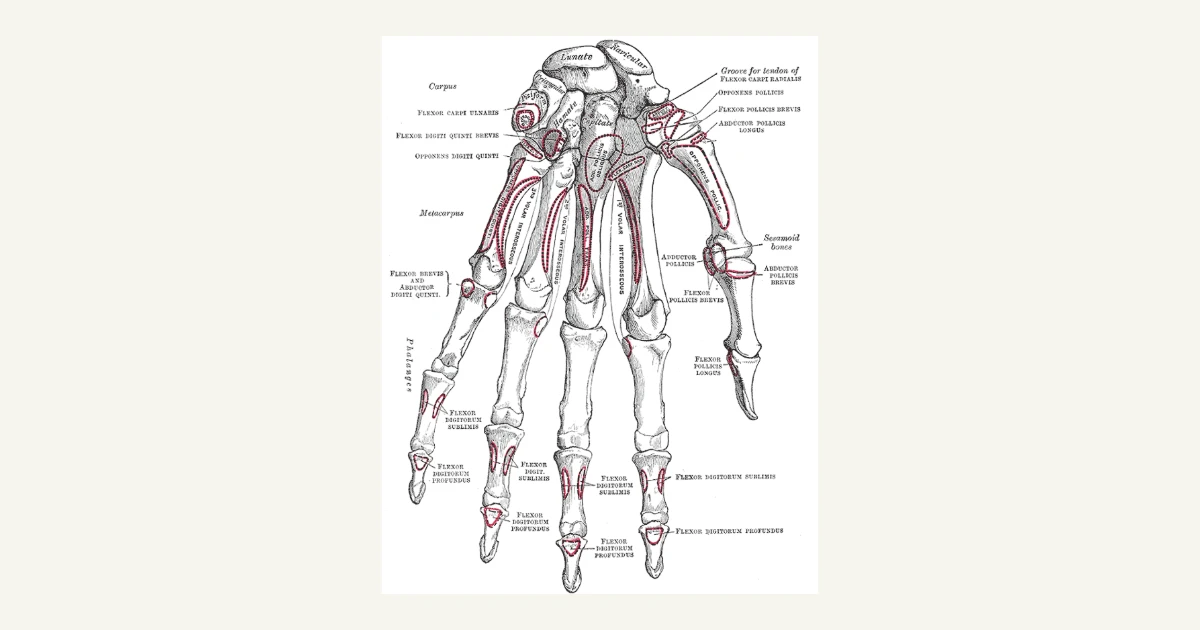
So, other than our thumbs, each of our fingers has three joints.
The knuckle where the finger meets the hand is the MCP joint. The middle knuckle is the PIP joint, and the joint nearest the nail is the DIP joint. The thumb has its own set of injuries, covered on our sprained thumb page.
Four structures hold the middle knuckle steady:
- Collateral ligaments run along each side of the joint and stop it bending sideways.
- The volar plate is a thick pad of tissue on the palm side that stops the joint bending backwards.
- The central slip is the part of the extensor tendon that crosses the top of the joint and straightens the middle knuckle.
- The joint capsule wraps the joint and holds its fluid.
A sprain stretches or tears a ligament or the volar plate. Clinicians grade sprains from 1 (stretched) to 3 (torn through). A jammed finger is the everyday name for the injury when a ball or wall drives into the fingertip and compresses the joint.
You may also see a finger sprain called a sprained finger, a jammed finger, a PIP joint sprain or a finger ligament injury.
Finger sprain symptoms
- Pain at the knuckle. It hurts more when you bend the finger, grip, or knock it.
- Swelling around the joint. The knuckle often swells into a spindle shape.
- Bruising within a day or two, sometimes spreading into the palm.
- Stiffness. You cannot make a full fist, or the finger will not straighten all the way.
- Weak grip and pinch. Holding a bag or doing up buttons feels awkward.
- A loose feeling. After a bad sprain, the finger may wobble sideways.
Finger injuries that look like a simple sprain
A jammed finger can hide one of these injuries. The treatment differs for each, and the first few weeks matter.
| Injury | Injury | Clues | What it needs |
| Collateral ligament sprain | A side ligament stretches or tears | Pain on one side of the knuckle; pain when the finger is pushed sideways | Buddy strapping and movement for stable injuries |
| Volar plate injury | The finger bends backwards and the plate tears, sometimes with a bone chip | Pain and swelling on the palm side of the middle knuckle | X-ray; a splint that stops the joint straightening all the way for 2 to 4 weeks |
| Central slip injury | A blow to the top of the bent knuckle, or a dislocation, tears the tendon over the joint | You cannot straighten the middle knuckle with force; tender on top of the joint | A splint holding the middle knuckle straight, worn day and night for about 6 weeks |
| Dislocation | The joint slips out of place | The finger looks crooked; someone may have pulled it back on court | A doctor puts it back and checks an X-ray |
| Fracture | A bone cracks or a chip pulls off | Bony tenderness; the finger crosses another when you make a fist | X-ray; some need a surgeon |
| Mallet finger | The tendon at the fingertip tears or pulls off a bone chip | The fingertip droops and will not straighten | X-ray; a splint holding the tip straight day and night for 6 to 8 weeks (see mallet finger splints) |
| Jersey finger | The tendon that bends the fingertip pulls off, often after grabbing a shirt | You cannot bend the fingertip; common in the ring finger | A doctor the same day, then a hand surgeon |
The central slip injury is the one people miss most. The finger looks like a simple jammed knuckle for the first week or two. Without a splint, the torn tendon slides and pulls the joint into a bent position, a boutonnière deformity, which is hard to correct later.
What causes a finger sprain?
Most finger sprains come from a ball or a fall. The fingertip takes a hit along its length, or the finger bends backwards or sideways further than the joint allows. In Singapore, we see finger sprains most often in:
- Ball sports. Basketball, volleyball, netball, ultimate frisbee, cricket, rugby and football goalkeeping.
- Contact and grappling sports. Judo, Brazilian jiu-jitsu and other martial arts, where fingers catch in clothing.
- Climbing and bouldering. Falls, sudden slips off a hold and dynamic moves.
- Falls. Badminton dives, cycling falls and slips on wet floors. A fall on the hand can also injure the wrist; see wrist sprain.
- Everyday knocks. Jamming a finger against a wall or door, or catching it in a bag strap.
A previous sprain on the same finger and very flexible joints raise the risk of another one. Repeat sprains are common in judo and jiu-jitsu, where grips catch the fingers every round, covered in the martial arts injuries guide. A severe injury to a finger joint can also lead to wear in that joint years later; see finger arthritis.
How is a finger sprain diagnosed?
A hand therapist or doctor starts with the story: how the finger was hit, which way it bent, whether it popped out of place, and whether someone pulled it back.
The examination then checks each part of the joint:
- Tender spots. Tenderness on the side points to a collateral ligament, on the palm side to the volar plate, and on top of the knuckle to the central slip.
- Movement. Your clinician checks how far each joint bends and straightens, with and without help.
- The Elson test. You bend the middle knuckle over a table edge and try to straighten it against the clinician’s finger. Weakness here, with a stiff fingertip, points to a central slip injury.
- Stress tests. Gentle sideways pressure on the joint shows whether the collateral ligaments hold.
- Rotation check. In a fist, the fingers should point toward the same spot at the base of the thumb. A finger that crosses over another suggests a fracture.
- Feeling and circulation in the fingertip.
X-rays. A doctor orders an X-ray after a dislocation, for tenderness over a bone, a crooked or rotated finger, a suspected volar plate injury, or a fingertip that droops. Your hand therapist refers you when these signs are present. Ultrasound or MRI helps in some ligament and tendon injuries.
Painful finger sprain treatment in Singapore: your options
Treatment depends on which structure is hurt and whether the joint is stable.
| Option | Who provides it | What the evidence shows | When it fits |
| First aid: rings off, ice, elevation | You, at once | Limits swelling in the first days | First 48 to 72 hours |
| Buddy strapping | You or our hand therapist | Supports the joint while allowing movement | Stable collateral sprains and mild jammed fingers |
| Custom finger splint | Hand therapist | Holds the joint in the position the injury needs | Volar plate, central slip and mallet injuries |
| Swelling control | Hand therapist | Compression and movement reduce swelling and stiffness | From the first appointment |
| Graded exercise | Hand therapist | Early controlled movement limits stiffness in stable injuries | From the first week for stable sprains |
| Reduction of a dislocation | Doctor | Puts the joint back in place and checks for fractures | Dislocations |
| Surgery | Hand surgeon | Rebuilds stability or reattaches a tendon | Unstable fracture-dislocations, large joint fragments, jersey finger, some complete tears |
First aid. Take off any rings straight away, before the finger swells, because a trapped ring can cut off blood flow. Hold an ice pack wrapped in a cloth on the finger for 10 to 15 minutes at a time. Keep the hand raised above heart level and keep the other fingers moving. Leave a dislocated finger for a doctor to put back. Pulling it on court can trap soft tissue in the joint or disturb a fracture you cannot see.
Splints for specific injuries. A volar plate injury often needs an extension-block splint that allows bending and stops the last part of straightening, for 2 to 4 weeks. A central slip injury needs a splint that holds the middle knuckle straight, day and night, for about 6 weeks, while the fingertip keeps bending to stop the tendon over it from tightening. Mallet finger needs a splint that keeps the fingertip straight. Your therapist makes these from thermoplastic, molded to your finger, and adjusts them as the swelling goes down.
Controlled movement. The middle knuckle stiffens fast. For stable sprains, movement within comfort in the first days, protected by buddy strapping, limits stiffness. For central slip and volar plate injuries, your therapist tells you which joints to move and which to protect.
Surgery. A hand surgeon operates on unstable fracture-dislocations, large pieces of bone that involve the joint surface, jersey finger, and some complete ligament tears. Hand therapy after surgery improves movement and strength.
Hand therapy for finger sprains at Phoenix Rehab Group
Our hand therapy team is led by Nigel Chua, Principal Hand Occupational Therapist & Director, who has treated hand and wrist conditions since 2005. Our hand therapists are AHPC-registered occupational therapists and physiotherapists with post-graduate training in hand therapy.
At your first appointment, you can expect:
- The story of the injury. We ask how the finger was hit, which way it bent, and what you need your hand for at work and in sport.
- A joint-by-joint examination. We test the ligaments, the volar plate and the central slip, and check for rotation.
- A referral when needed. If a fracture, dislocation or tendon injury is likely, we refer you to a doctor for an X-ray and share our findings.
- The right support. Buddy straps for stable sprains, or a custom finger splint made in the appointment: a straight splint for the middle knuckle, an extension-block splint or a mallet splint.
- Swelling control and a home plan. A compression wrap, elevation and the exact movements to do, and to avoid, until your next appointment.
At follow-up appointments, we adjust the splint, progress the exercises and plan your return to sport. Most sprains need 2 to 6 appointments over 3 to 8 weeks, and central slip and volar plate injuries need more.
Contact us for a finger sprain assessment. WhatsApp us.
Finger sprain recovery time
Recovery depends on which structure is injured and how soon it gets the right support. These timeframes assume early treatment. Your therapist or surgeon may give you different targets; use theirs.
| Injury | What happens | What happens |
| Mild sprain (grade 1) | Pain settles; buddy strapping for sport | 2 to 4 weeks for daily use |
| Collateral ligament tear, stable | Buddy strapping, movement, then strength | 4 to 6 weeks; strapping for sport up to 6 weeks |
| Volar plate injury | Extension-block splint, then full movement | 4 to 6 weeks of protected movement |
| Central slip injury | Extension-block splint, then full movement | The splint holds the middle joint straight (PIP extension) |
| Stable dislocation after reduction | Short protection, then movement | 3 to 6 weeks |
| Knuckle swelling and thickening | Settles last | Often 3 to 6 months, sometimes up to a year |
You are on track if pain eases week by week, your fist closes a little further each week, and the finger straightens all the way. Contact your therapist if the middle knuckle will not straighten, swelling grows, or the finger starts to click or feel unstable.
Finger sprain exercises
Start these once a fracture, dislocation and tendon injury have been ruled out, and follow your therapist’s version if you have a central slip or volar plate injury. Exercise selection and dosages below need clinician sign-off.
Stage 1: protected movement (first 1 to 2 weeks)
- Blocked middle-knuckle bends. Hold the finger below the middle knuckle with your other hand, then bend and straighten the middle knuckle. 10 repeats, 4 to 5 times a day.
- Blocked fingertip bends. Hold the finger below the end joint, then bend and straighten the tip. 10 repeats, 4 to 5 times a day.
- Tendon glides. Move through a straight hand, hook fist, full fist and flat fist. 10 rounds, 3 times a day.
Stage 2: full movement (weeks 2 to 6)
- Full fist and full straightening. Close the hand into a full fist, then straighten all the fingers. 10 repeats, 3 to 4 times a day.
- Place and hold. Use the other hand to place the finger into a full bend, then hold it there on its own for 5 seconds. 10 repeats.
- Straightening stretch. If the middle knuckle will not straighten, rest the hand flat and press the knuckle down with light pressure for 30 seconds, 3 times.
Stage 3: strength and sport
- Grip and pinch with therapy putty. 2 to 3 sets of 10.
- Catching drills. Catch a soft ball with the fingers spread, then a harder ball, then your sport ball.
Stop or scale back if pain goes above 3 out of 10, swelling is worse the next morning, or the joint feels unstable.
Two habits to drop: cracking or pulling the injured finger, and letting a friend force it straight or bent. Both stir up the swelling and can stretch a healing ligament.
Buddy taping for sprained fingers: when it helps and when it harms
Buddy taping uses the healthy finger next door as a moving splint.
The method. Put a thin strip of gauze or foam between the two fingers. Tape them together across the bone segments above and below the middle knuckle, keeping the tape off the knuckle itself. Keep the tape firm enough to support and loose enough that the fingertips stay pink. In Singapore’s humidity, sweat softens the skin under the tape, so replace wet tape and let the skin dry between changes. Tape the little finger to the ring finger, and the index finger to the middle finger.
It helps for: stable collateral ligament sprains, mild jammed fingers, and return to sport after most finger sprains, for about 4 to 6 weeks of play.
It can harm when: the injury is a central slip or volar plate tear that needs a splint, a fracture is likely, the finger crosses another when you make a fist, there is an open wound, or the tape causes numbness or color change. Buddy taping a central slip injury lets the joint bend, which is the movement that tendon needs to avoid.
Getting back to ball sports
Return to full play once the finger bends into a full fist, straightens all the way, and handles catching drills without pain. Your therapist checks these with you.
- Protect the joint. Buddy tape or wear a finger sleeve for 4 to 6 weeks after return.
- Change how you catch. Point your fingers up or down toward the ball, and avoid pointing them straight at it, so a mistimed catch hits the palm or the side of the fingers.
- Warm up the hands. Pass and catch at short range before full-speed drills.
- Mind the little finger. It takes a lot of contact in volleyball blocks and basketball rebounds, so tape it for the first weeks back.
Mistakes that slow sprained finger pain recovery
- Pulling a dislocated finger back on court. Let a doctor reduce it and check the X-ray.
- Buddy taping every finger injury. A central slip injury needs a straight splint; taping lets it drift into a bent position.
- Keeping the finger still for weeks. The middle knuckle stiffens fast. Move what your therapist allows from the first days.
- Leaving rings on. A swelling finger can trap a ring and cut off blood flow.
- Ignoring a finger that will not straighten. A knuckle that stays bent two weeks after a jam needs a hand therapist’s review.
- Returning without protection. A healing ligament sprains again with one bad catch.
When to see a doctor
See a doctor on the same day if:
- the finger looks crooked or out of place
- the finger crosses over another when you make a fist (possible fracture)
- you cannot straighten or bend a joint
- the fingertip is numb, pale or cold
- there is a wound over a knuckle, including a cut from someone’s teeth in a fight or a bite, which carries a high risk of infection
- the fingertip will not bend after grabbing a shirt or ball (possible jersey finger)
Make an appointment with a doctor or hand therapist soon if:
- pain and swelling are not easing after 1 week
- the middle knuckle will not straighten all the way
- the finger clicks, locks or feels unstable
Frequently asked questions about finger sprains
Do I need to see a doctor for a sprained finger?
You need a doctor on the same day if the finger looks crooked, crosses another finger when you make a fist, cannot straighten or bend, is numb or cold, or has a wound over the knuckle. These signs point to a dislocation, fracture or tendon injury that needs an X-ray. For a mild jammed finger without those signs, a hand therapist can assess it, splint it and refer you for an X-ray if needed.
How long will a sprained finger take to heal?
A mild finger sprain allows daily use in 2 to 4 weeks. Stable ligament tears take 4 to 6 weeks, a volar plate injury needs 4 to 6 weeks of protected movement, and a central slip injury needs about 6 weeks in a splint followed by rehab. Swelling and thickening around the knuckle settle last and can take 3 to 6 months or longer. Early movement and the right splint shorten the stiff stage.
What should I do if I have a sprained little finger?
Take off any rings, ice the finger, raise the hand and buddy tape the little finger to the ring finger if the joint is stable. Check that the little finger does not cross the ring finger when you make a fist; if it does, you need an X-ray for a fracture. See a doctor the same day if the finger looks crooked, cannot straighten, or goes numb. A hand therapist can splint it and guide your return to sport.
What happens if you ignore a sprained finger?
An ignored finger sprain can leave a stiff, swollen knuckle for months, a finger that will not straighten, or a joint that wobbles sideways. A missed central slip injury can drift into a boutonnière deformity, and a missed fracture can heal out of line or lead to early arthritis. Most of these problems are easier to prevent in the first weeks than to fix later, so get a stiff or crooked finger checked early.
Should I buddy tape a sprained finger?
Buddy taping suits stable sprains and mild jammed fingers. Tape the finger to its neighbour across the bone segments, not over the knuckle, with padding between the fingers, and replace wet tape. Do not buddy tape a finger that looks crooked, crosses another when you make a fist, or will not straighten, because these injuries need an X-ray or a splint. A hand therapist can show you the right method for your injury.
Is my finger sprained or broken?
An X-ray gives the answer, because the two can feel alike. A fracture is more likely if the finger looks crooked, crosses another finger when you make a fist, has sharp tenderness over a bone, or swells and bruises fast. A sprain hurts at the joint and stiffens, while the finger keeps its shape. Any of the fracture signs, or a dislocation, means you need a doctor and an X-ray.
Why is my finger knuckle still swollen weeks after a sprain?
The middle knuckle holds on to swelling for a long time after a sprain. Thickening around the joint often lasts 3 to 6 months and sometimes up to a year, even after the pain has gone. Compression wraps, elevation and regular movement help it settle. Swelling that grows, a joint that will not straighten, or new pain need a review by your hand therapist or doctor.
Can I play basketball with a sprained finger?
You can return to basketball once the finger bends into a full fist, straightens all the way and handles catching without pain. For most mild sprains, that takes 2 to 4 weeks. Buddy tape the finger or wear a sleeve for 4 to 6 weeks after you return, and catch with your fingers pointing up or down. Central slip, volar plate and fracture injuries need your therapist’s or surgeon’s clearance first.
Do I need a referral to see a hand therapist for a finger injury in Singapore?
No. You can see a hand therapist at Phoenix Rehab Group without a doctor’s referral. If your finger needs an X-ray or a surgeon, we refer you to a doctor and share our findings. Some insurers ask for a doctor’s referral before they reimburse therapy, so check your policy first.
Contact us for a finger sprain assessment
If a jammed finger is still swollen, stiff or crooked, a hand therapist can find the injured structure and fit the right splint in the first appointment.
- WhatsApp: Message us. Your message opens with “Hi, I’d like to schedule a hand therapy assessment for a finger sprain.”
- Clinics: Orchard, Serangoon, Tampines, Tanjong Pagar at International Plaza and Jurong East at Vision Exchange, opening 25 October 2026.
- Referral: not required. Some insurers need one for claims, so check your policy.
- Insurance: we provide itemised invoices, and a clinical report if your insurer asks for one.
If the fingertip itself will not straighten, the tendon that lifts it is the likely culprit and the splinting is time critical. See the Mallet Finger Recovery Program, which sets out the four stages and what moves you up.
Where a finger joint has stopped giving range back, total end range time rather than exercise is what changes it. See the Stiff Finger Joint Recovery Program, which sets out the four stages and what moves you up.
Where the finger is being pulled down by tissue in the palm rather than by an injury, the Dupuytren’s Contracture Recovery Program sets out the four stages and the criteria to move up.
If the border of the finger is numb after a cut rather than a sprain, a digital nerve is involved and it regrows at about a millimeter a day. The Digital Nerve Repair Recovery Program sets out the four stages and the criteria to move up.
Where an x ray shows a fracture rather than a sprain, the position the hand is splinted in decides most of the outcome. The Finger and Metacarpal Fracture Recovery Program sets out the four stages and the criteria to move up.
Where are you with this right now?
1. It is settling on its own
Many hand problems settle with a well fitted splint, changes to what provokes them, and tendon gliding. A tender scar and weak grip for a few weeks after surgery are usual. If it is easing week on week, and grip is improving month on month, it is behaving as expected. You do not need us for this, and we would rather say so.
2. It has stopped improving
You hand the jar to someone else. You button the shirt one-handed. You have stopped using that hand for anything that matters and barely noticed when it started.
The hand is the part of the body where stiffness sets in fastest, because a hand that hurts gets used less within days rather than weeks. That is the gap worth measuring, and it is not measured by how you feel on the day.
The Stalled Recovery Review is three appointments over three weeks with the same therapist, because what a joint does under load cannot be read in one visit. The first finds what is limiting it. The next two measure how it responds. $690, nett, no GST, which is three appointments at $230.
3. You have had surgery, or you have a date
Recovery after an operation has a shape, and knowing which stage you are in tells you whether you are on it. See the recovery programs, or hand therapy after surgery if you are not sure which applies to you.
All of it runs on the same four stages. The Phoenix Recovery Protocol explains what each stage works on and what you have to meet to move up. No referral needed to start.
Next step
Find out which stage you are in
Pain is the first thing to leave. Movement and strength are the last things trained back, and most people stop before that part is done. One Assessment and Treatment is a single 45-minute appointment at $230, nett, no GST. Your therapist finds what is actually limiting you, treats it in the same appointment, and you leave with your current stage and a written plan.
Prefer to phone? Each of our five clinics has its own number on the clinics page. No referral needed to book.
Related reading
Where we are
Clinics across Singapore
ORCHARD
400 Orchard Road #12-12
Orchard Towers, S238875
NS22 Orchard MRT
Physiotherapy and hand therapy in Orchard →
WhatsApp 8800 1830TAMPINES
9 Tampines Grande #01-20
Asia Green, S528735
EW2DT32 Tampines MRT
Physiotherapy and hand therapy in Tampines →
WhatsApp 8780 9608SERANGOON
265 Serangoon Central Drive #04-269
S550265 · Lift C only
NE12CC13 Serangoon MRT
Physiotherapy and hand therapy in Serangoon →
WhatsApp 8892 4121TANJONG PAGAR
10 Anson Road #02-77A
International Plaza, S079903
EW15 Tanjong Pagar MRT
Physiotherapy and hand therapy in Tanjong Pagar →
WhatsApp 8227 7074JURONG EAST
2 Venture Drive #02-02
Vision Exchange, S608526
NS1EW24 Jurong East MRT
Opening 25 October 2026
Physiotherapy and hand therapy in Jurong East →
WhatsApp 8242 7340What our patients say
Google reviews from our clinics in Singapore.



