
Physiotherapy & Hand Therapy · Singapore
The surgery worked. So why is it still stiff, weak and sore?
You had the surgery. Or the injection. Or six weeks of rest. The pain settled. The movement and the strength did not come back.
You did what you were told. The wound healed, the scan was fine, and you were told to give it time.
But you still pass the kettle to your other hand. You still take the stairs one at a time. You still turn your whole body instead of your neck. And nobody has measured your grip since the day of the operation, so nobody can tell you whether it is still coming back or whether it stopped six weeks ago.
That is the gap.
The operation fixed the structure and the injection quieted the pain. Neither one was ever going to train the full range of movement, the stability and the strength back.
Pain is always the first thing to improve, because the swelling and the inflammation settle first. Most people take that as the end of their rehabilitation and stop there, with the movement, the stability and the strength never trained back.
Think of a chair with a loose hinge and one weak leg. It still takes your weight today. But sooner or later the hinge goes, or the leg gives.
I wouldn’t accept partial recovery for my own family. I don’t want that for you either.
Nigel Chua, Principal Hand Occupational Therapist & Director
Physiotherapy and hand therapy in Singapore, after injury and after surgery. Five clinics open. No referral needed.
What happens next
Find out which stage you are actually in.
One 45-minute appointment. The first part finds what is limiting the joint. The rest of it treats that: hands-on work, joint mobilization, splinting where it helps, and loading. You leave with your stage, your measurements written down, and what the next stage needs.
$230 nett, no GST. One-to-one with your therapist, never an assistant. Five clinics. No doctor’s referral needed, and if you have an operation note or a scan report, send it and we will read it before you come.
Where are you right now?
The three situations we see most
I had surgery, or I have a date for one
The repair is done and the joint still does not move or hold load the way it used to. Your surgeon sets the protocol and we work inside it. Send us the operation note and we will tell you what it means for your rehabilitation and when it should start.
After hand or wrist surgery · After knee, hip, shoulder or other surgery
I had an injection and it has worn off
The injection did its job and took the pain down. The thing it was quieting is still there, and nothing has been trained back in the meantime. We measure what the joint can actually do now.
I was injured and it has not settled
Weeks in, it is better but not right. We find what is limiting it, measure range and strength, and tell you which stage you are in rather than asking you to wait and see.
After a fall, fracture or accident · After a sports injury · The Stalled Recovery Review
The problem
Your pain settled. So why does it keep coming back?
It is the most common story we hear. The pain eased, the appointments stopped, and a few weeks or months later the same shoulder, knee, back or hand is complaining again. Or the operation went well, the surgeon was happy, and the hand still will not do what it used to.
Ask what your grip measured the day you were discharged. Or your knee range, or how many seconds you could balance on the injured leg. Most people were never told, because it was never measured. They were asked how it felt, they said better, and that was the end of it.
Pain leaves early in a recovery. Range comes back after it. Strength, control and the tolerance to load a joint through a full working day come last, and none of it returns on its own. Every part of it has to be trained back. Stopping when the pain stops is stopping at the first of four stages.
Feeling better and being ready are two different things, and only one of them can be measured.
How recovery is run
4-Stage Structured Recovery
Every plan at Phoenix runs on the Phoenix Recovery Protocol: four stages, with measurable criteria to move between them. You get a stage diagnosis at your first appointment, in writing, so you know where you are and what the next stage asks of you.
Calm & Protect
Settling an angry joint is work, not rest. Positioning, graded movement and the load the tissue can currently take, so it calms down without stiffening up.
Move & Mobilize
Range is trained back, not waited for. Specific, repeated, and measured in degrees at each review.
Rebuild & Strengthen
Strength, stability and stamina, loaded progressively and measured against your other side.
Return & Perform
The demands of your work, your sport and your day, rehearsed under load before you meet them for real.
How the Phoenix Recovery Protocol works →
None of the four stages is passive. Every one of them is trained, and every one has criteria you have to meet before you leave it. That is what Criteria Before Clearance means: you move up when the measures say so, not when a number of weeks has passed. You will never have to ask how it is going, because the numbers are in front of you at every review.
What we do
Two disciplines, one method
Hand therapy
The finger, hand, wrist, forearm and elbow, managed by our hand therapy team. Fractures, tendon and ligament injuries, nerve compression, and the stiffness that follows hand surgery. Custom thermoplastic splints are molded in the appointment where one is needed.
Often asked about: a broken wrist after a fall on an outstretched hand, custom hand splints and elbow pain.
Physiotherapy
Backs and necks, shoulders, hips, knees, ankles and feet. Injury, degeneration, and recovery after orthopedic surgery, including knee and hip replacement and ligament reconstruction.
Often asked about: ankle physiotherapy after a sprain or fracture, and shockwave therapy (ESWT) for long-standing tendon pain.
Each condition and procedure runs Stages 1 to 4 with its own criteria. See the programs →
Who you will see
One therapist, one room, 45 minutes
You stay with the same therapist through the program, because measuring range and strength over time only means something if the same person is taking the measurements. Everyone below is registered with the Allied Health Professions Council. The line under each name is what they see most of, not the limit of what they treat. You are matched by what you need, which clinic suits you, and who can start soonest.
Hand therapy team
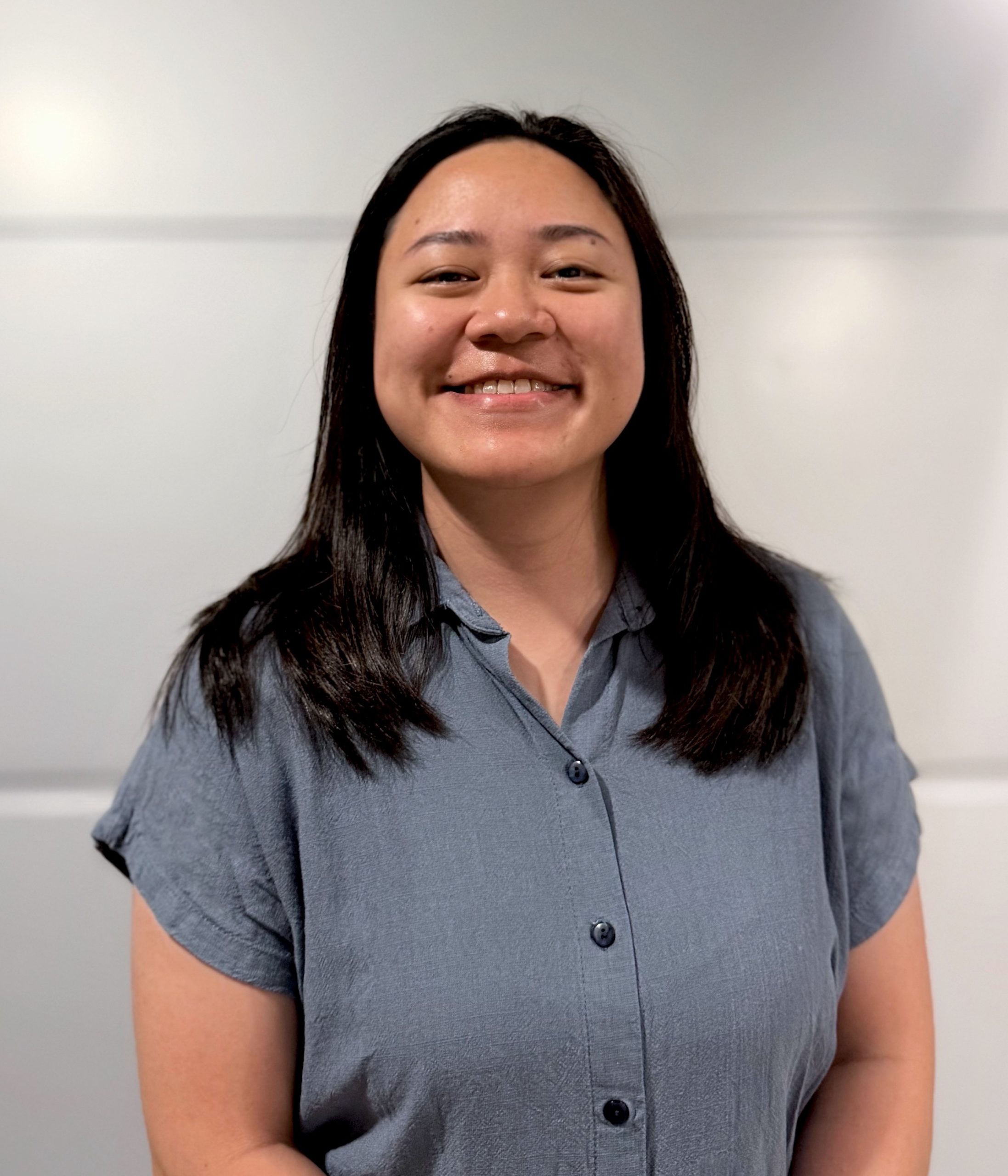 Mavis Tham
Principal Hand OT
Wrist fractures, TFCC and wrist ligament injuries, custom splinting
Tanjong Pagar
 Shamaine Soh
Principal Hand OT
Stiffness and scar tightness after hand or wrist surgery
Orchard, Sundays
 Yuna Zhuang
Principal Hand OT
Carpal and cubital tunnel, sports wrist and finger injuries, tennis elbow
Orchard, Serangoon, Tampines
 Nurul Nadzirah
Principal Hand OT
Finger and wrist fractures, De Quervain’s, wrist ligament injuries
Orchard
 Jasmine Ang
Principal Hand OT
TFCC and wrist ligament injuries, trigger finger, thumb and wrist pain after pregnancy
Jurong East
Physiotherapy team

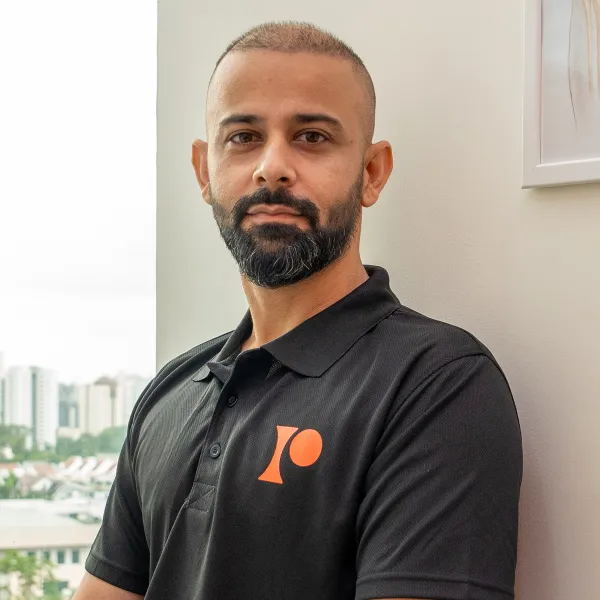 Shiv Mohan Banka
Principal Physiotherapist
Shoulder and knee problems, spinal dysfunction, sports injury
Orchard, Tampines
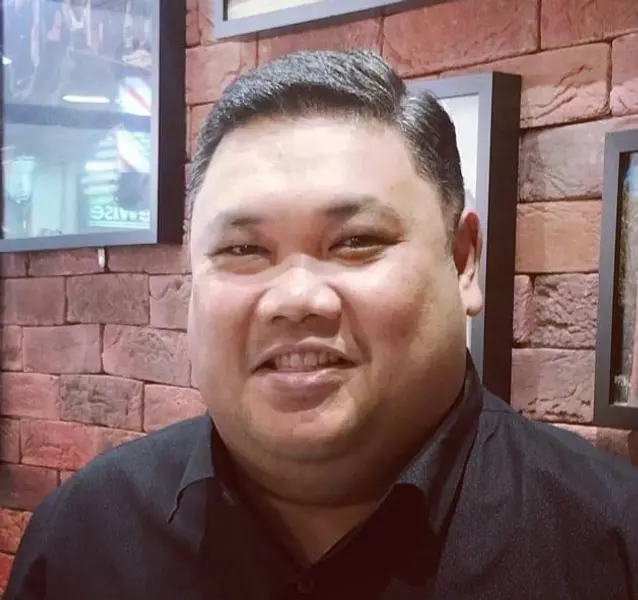 Fairuuz Saleh
Principal Physiotherapist
ACL reconstruction and return to sport, hip and knee rehabilitation
Tampines
 Zita Sham
Principal Physiotherapist
Achilles tendinopathy, rotator cuff injury and repair, shoulder stiffness
Orchard, Tampines, Jurong East
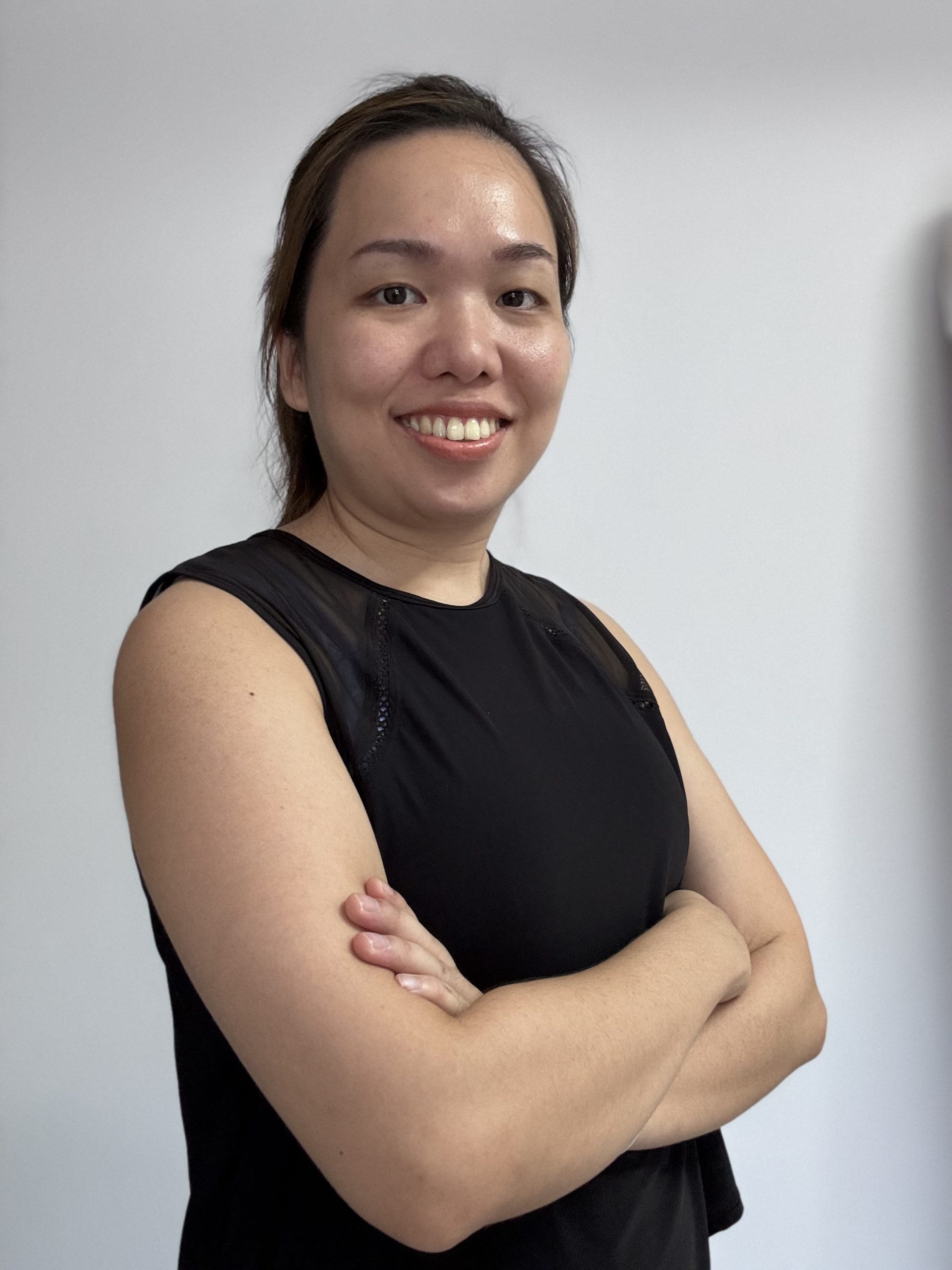 Ching Yee
Principal Physiotherapist
Knee and hip replacement recovery, neck and shoulder pain, dry needling
Tanjong Pagar, Jurong East
What it costs
One price, stated once
Assessment & Treatment
One standard 45-minute physiotherapy or hand therapy appointment, nett, no GST. Finding the real problem is half the battle. Treating it is the other half. We assess to find what is actually driving the problem, and then we treat it, in the same appointment. The assessment goes deep, because pain often shows up in one place and starts in another. The treatment takes most of the 45 minutes. You do not pay for a consultation and come back another day to be treated.
- A deep assessment first: your history, what you have already tried, and tests that find what is driving the problem, not only where it hurts
- Hands-on treatment in the same appointment: manual therapy, joint mobilization, soft tissue work, and modalities such as therapeutic ultrasound where they help
- Assessment that continues while we treat, because how tissue responds to treatment is part of working out what is wrong
- Range, strength and function measured against your other side
- A stage diagnosis against the four stages
- A written plan and a home program you walk out holding
- Your next review dated into the diary with the same therapist
After that it comes down to regularity: turning up to your reviews, and doing the home program between them. Your therapist dates each stage review into the diary, so you know what the program involves before you commit to anything. No packages and no discounts for booking a course.
Who runs this
A note from our director
I stopped treating patients years ago. I still pick every therapist who works here, and I would send my own family to any of them. That is the only endorsement I am in a position to give, and it is the one I would want if I were the person reading this page.
What I did keep is the standard. Every plan gets measured, every stage has criteria, and nobody here is rewarded for keeping you booked in longer than you need.
Nigel Chua, Principal Hand Occupational Therapist & Director →
Questions we get asked
Do I get treated at the first appointment, or only assessed?
Both, in the same appointment. We start with a deep assessment, because finding what is actually driving the problem is half the battle, and then we treat it. Most of the 45 minutes is treatment: hands-on manual therapy, joint mobilization and soft tissue work, with modalities like therapeutic ultrasound where they earn their place. The assessment keeps running while we treat, because how the tissue responds tells us as much as any test.
Do I need a doctor’s referral?
No. You can book directly. Bring any scans or reports you have. Some insurers ask for a referral before they reimburse, so check your policy.
Is this hands-on treatment or exercises?
Both, and the balance changes by stage. Hands-on work earns its place where it changes how a joint moves, and the training is what makes the change hold. What it is not is passive: you will have work to do between appointments at every stage, including the early ones.
How many appointments will I need?
It depends on the condition and how long it has been there. Your therapist writes the number each stage needs and tells you the total at the first appointment, rather than asking you to buy a package first. Every appointment is $230.
Should I come before my surgery or after?
Both are worth it and they do different jobs. Before surgery the work is on the baseline you go in with; after surgery it is paced to your surgeon’s protocol. If you have a date, bring it.
I stopped treatment a while ago and it never fully settled. Is it too late?
Have it measured rather than assumed. Something that stopped improving is not always finished improving, and the first appointment will give you an honest read on what is measurably missing.
Will I see the same therapist each time?
Yes, that is how we schedule it. If your therapist is away or you need a different discipline, we tell you before the appointment rather than at the door.
Do you write to my surgeon or doctor?
For patients referred by a surgeon after an operation, yes, at weeks 2, 6 and 12, with the stage, the measures and the next criteria. For anyone else we will write if it helps and you ask us to.
Where we are
Clinics across Singapore
ORCHARD
400 Orchard Road #12-12
Orchard Towers, S238875
NS22 Orchard MRT
Physiotherapy and hand therapy in Orchard →
WhatsApp 8800 1830TAMPINES
9 Tampines Grande #01-20
Asia Green, S528735
EW2DT32 Tampines MRT
Physiotherapy and hand therapy in Tampines →
WhatsApp 8780 9608SERANGOON
265 Serangoon Central Drive #04-269
S550265 · Lift C only
NE12CC13 Serangoon MRT
Physiotherapy and hand therapy in Serangoon →
WhatsApp 8892 4121TANJONG PAGAR
10 Anson Road #02-77A
International Plaza, S079903
EW15 Tanjong Pagar MRT
Physiotherapy and hand therapy in Tanjong Pagar →
WhatsApp 8227 7074JURONG EAST
2 Venture Drive #02-02
Vision Exchange, S608526
NS1EW24 Jurong East MRT
Physiotherapy and hand therapy in Jurong East →
WhatsApp 8242 7340Tell us what it will not do
Which part, how long it has been there, and what you have stopped doing because of it. That last part usually tells us the most. We will tell you which therapist treats it most often and which clinic they are at.
Timelines on this page are typical ranges. Your surgeon’s protocol takes precedence over anything written here. Physiotherapists and hand therapists assess, treat, splint, exercise, educate and refer; doctors diagnose, inject, prescribe and order imaging. If we find something that needs medical review we refer you back to your doctor.
What our patients say
Google reviews from our clinics in Singapore.



