
Written by Zita Sham, Fairuuz Saleh and Shiv Mohan Banka, Principal Physiotherapists at Phoenix Rehab.Clinically reviewed by Louise Yow, Principal Physiotherapist & Director, AHPC A1300363H.Last reviewed 28 September 2026.
Did you know the pain in your heel every morning could be caused by a ligament no thicker than a piece of string? That’s your plantar fascia, a small but vital band of tissue that supports your entire body weight every time you stand, walk, or run. When it’s irritated, it can bring your day to a halt before it even begins. This condition, known as plantar fasciitis, is one of the most common yet often misunderstood foot conditions, but physiotherapy can help people recover, reduce symptoms, and regain normal movement.
At Phoenix Rehab Singapore, we ensure patients understand not just what plantar fasciitis is, but why it’s happening, what’s causing the pain, and how to manage it effectively. Our tailored physiotherapy approach targets the root of the problem. In today’s blog, we’ll address these questions and discuss how physiotherapy helps.
What Is Plantar Fasciitis and How Does It Affect You?
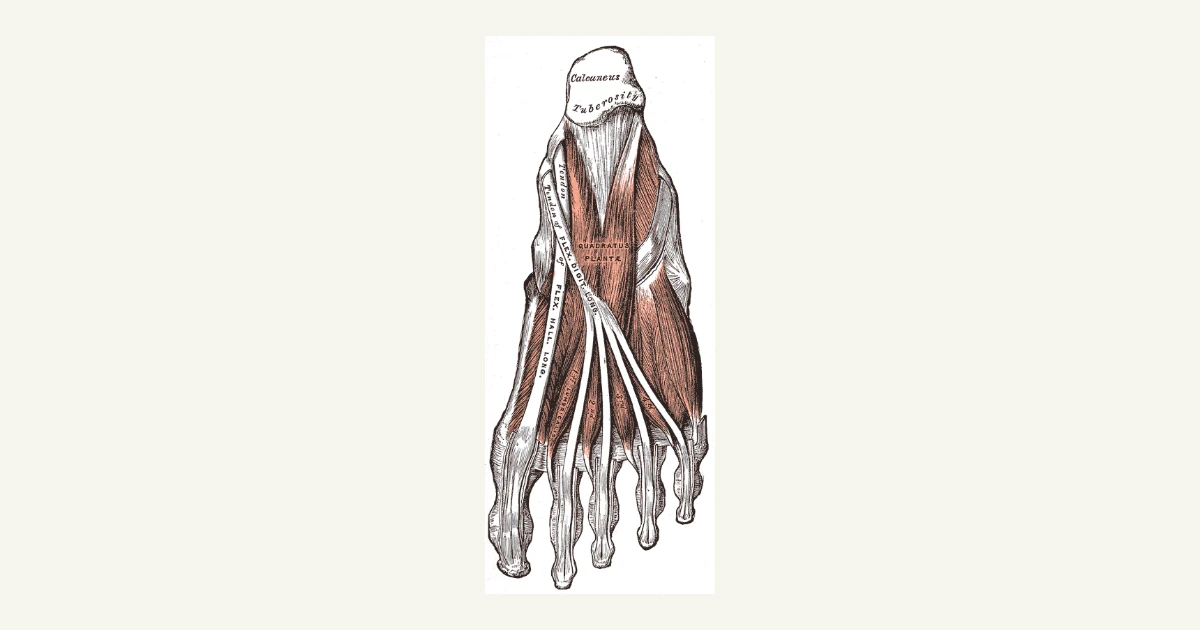
Plantar fasciitis is a condition where the ligament (a strong band of tissue) located at the bottom of the arch of your foot becomes overused. This overuse causes pain, usually felt at the bottom of your foot and heel. It can sometimes be related to a heel spur (a bony growth), but not always.
The pain is often worst when you first wake up in the morning, but might ease after a few minutes; however, it can worsen again with prolonged walking during the day. The discomfort can be dull or sharp and is typically worse after activity, not during.
Studies suggest that approximately 10% of the general population may experience it at some point in their lives, with runners and individuals aged 40-60 being more susceptible. This condition affects people who often spend long hours on their feet or place repeated stress on the bottom of the foot. It can be stubborn, painful, and frustrating.
How Is Plantar Fasciitis Different From Heel Spurs?
Plantar fasciitis is frequently confused with heel spurs, but they are not the same. A heel spur is a bony growth that forms on the heel bone due to prolonged tension or stress on the plantar fascia. However, not everyone with a heel spur experiences pain. Plantar fasciitis, by contrast, is caused by inflammation of the plantar fascia itself.
In some cases, both conditions may occur together, but the pain typically comes from the irritated ligament rather than the spur.
What Causes Plantar Fasciitis?
The main cause of plantar fasciitis is overuse of the strong band of tissue (ligament) at the bottom of your foot’s arch, or the plantar fascia. This overuse often happens because of repetitive pulling or stretching on this ligament.
Essentially, activities and biomechanics that put too much repeated stress and stretching on the plantar fascia can cause the condition. Common contributing factors include:
- Long periods of standing or walking
- Flat feet or high arches
- Poor foot mechanics or walking patterns
- Inadequate footwear lacking arch support or cushioning
- Tight calf muscles or Achilles tendons
- Sudden increase in physical activity
- Obesity, which increases pressure on your feet
Over time, these stresses can cause micro-tears in the plantar fascia, leading to pain and inflammation.
Who Is at Risk for Developing Plantar Fasciitis?
Anyone can develop plantar fasciitis, but certain groups are more at risk, specifically runners and older adults. The people at risk of developing plantar fasciitis include:
- Individuals with flat feet or high arches
- People with tight calf muscles
- People with obesity
- Those with heel pad atrophy (thinning or degeneration of the fat pad on the heel)
- Occupations requiring prolonged standing (e.g., teachers, healthcare workers)
- Occupations requiring weight-bearing (e.g., factory workers, delivery guys)
- Middle-aged adults (typically between ages 40 and 60)
- People with seronegative spondyloarthropathies (a group of inflammatory joint diseases )
Ageing and stress on your feet also contribute to a higher risk of developing plantar fasciitis.
What Are the Symptoms of Plantar Fasciitis?
So, what are the symptoms of plantar fasciitis? You typically may experience these signs:
- The pain is usually felt at the bottom of your foot and heel.
- It is typically localised to the bottom of the heel and foot.
- The pain is usually worst first thing in the morning.
- The pain eases after a few minutes as the foot warms up.
- The pain can worsen during the day with prolonged walking.
- There is tenderness on the bottom of your heel or along the arch.
If you have any of these symptoms of plantar fasciitis, it’s recommended to seek early advice to prevent worsening.
Why Shouldn’t You Ignore Plantar Fasciitis?
Ignoring plantar fasciitis can lead to chronic heel pain and changes in the way you walk, potentially causing problems in the knees, hips, or back. Over time, it may become harder to maintain normal activity levels, leading to reduced mobility and fitness. Early intervention is key to preventing long-term issues.
How Is Plantar Fasciitis Diagnosed?
Your healthcare provider or physiotherapist will typically diagnose plantar fasciitis through a physical examination and a discussion of your symptoms. They may:
- Check for tenderness on the bottom of your foot.
- Assess your walking pattern and range of motion.
- Use imaging tests, such as X-rays or ultrasounds, to rule out other causes of heel pain.
How Does Physiotherapy Help With Plantar Fasciitis?
Physiotherapy is one of the non-invasive treatments used for plantar fasciitis. A physiotherapist can help reduce pain and inflammation, improve movement, and prevent the condition from recurring.
This treatment also helps by teaching you specific exercises and stretches. The main goal of these exercises is to help reduce the tension in the plantar fascia ligament that is causing the pain. Learning and doing these techniques can help manage the condition.
Key components of physiotherapy for plantar fasciitis include:
- Stretching exercises targeting the plantar fascia, Achilles tendon, and calf muscles
- Strengthening exercises for the foot and ankle muscles to improve support
- Manual therapy to improve flexibility and reduce tension on the plantar fascia
- Gait analysis and correction to address walking abnormalities
- Education on footwear, activity modification, and home exercises
These techniques can significantly speed up recovery and reduce your risk of re-injury.
How Else Is Plantar Fasciitis Treated?
Although physiotherapy is central to treatment, several other interventions may be recommended depending on the severity of the condition.
Splints or Orthotics
Night splints keep your foot in a stretched position while sleeping, reducing morning pain. Custom orthotics provide extra support to the arch of the foot and relieve pressure on the plantar fascia.
Crutches or Canes
Temporary use of crutches or a cane can reduce weight-bearing on the affected foot, giving your plantar fascia a chance to heal.
Steroids and Plasma
Corticosteroid injections may reduce inflammation in severe cases. Platelet-rich plasma (PRP) injections are also being explored as a regenerative treatment, though evidence remains mixed.
Shockwave and Ultrasonic
Extracorporeal shockwave therapy and ultrasonic tissue repair are non-surgical options that stimulate healing in chronic cases. They work by targeting the damaged tissue of the plantar fascia with sound waves or ultrasonic energy.
Gastrocnemius Release
As a last resort, surgery such as a gastrocnemius recession (releasing tight calf muscles) may be performed if conservative treatments fail. This procedure reduces pressure on the plantar fascia.
How Long Does Recovery From Plantar Fasciitis Take?
Recovery time varies depending on severity and how soon treatment begins. Mild cases may improve within weeks, while chronic plantar fasciitis can take several months. With consistent physiotherapy and self-care, many people recover fully within 6 to 12 months.
Can Plantar Fasciitis Be Prevented?
Yes, plantar fasciitis can be prevented, particularly by addressing the risk factors early.
What Can You Do at Home for Plantar Fasciitis?
To prevent or manage plantar fasciitis at home:
- Stretch your calf muscles and plantar fascia daily.
- Wear shoes with good arch support and cushioning.
- Avoid walking barefoot on hard surfaces.
- Use ice therapy to reduce pain and inflammation.
- Maintain a healthy weight to reduce stress on your feet.
- Gradually increase physical activity to avoid overload.
Making small changes in the way you do your everyday tasks can be a huge help to you in managing your pain from plantar fasciitis.
When Should I See a Doctor for Plantar Fasciitis?
If you’ve had heel pain for more than a few weeks, especially if it’s interfering with your normal activities or worsening, it’s time to see your healthcare provider. Early diagnosis leads to effective treatment and a faster recovery.
How Do You Prepare for a Doctor’s Appointment?
Before your appointment, take note of:
- When the pain started
- What makes the pain worse
- Your footwear and activity levels
- Any home remedies you’ve tried
Your healthcare provider can use the information to make an accurate diagnosis and tailor the treatment plan you need.
What our patients say
Google reviews from our clinics in Singapore.



Conclusion
Plantar fasciitis is a painful condition, arising from inflammation of the plantar fascia, but it is treatable. While it’s one of the most common causes of heel pain, it doesn’t have to be a long-term issue. Physiotherapy can help relieve pain, improve mobility, and prevent recurrence. With the right care, many people with plantar fasciitis can return to normal activities without long-term complications. If you have persistent pain in the heel or bottom of your foot, don’t ignore it and seek help early.
Where are you with this right now?
1. It is settling on its own
Foot and ankle problems are slow but usually very treatable. Months rather than weeks is normal, and improvement is judged over a month, not a day. If the first steps in the morning are easier than they were four weeks ago, you are on the right road. You do not need us for this, and we would rather say so.
2. It has stopped improving
The first ten steps out of bed are still the worst part of the day. You choose shoes by how long you will be standing. You still look at the ground when you walk.
Symptoms settle well before the tissue has rebuilt its capacity, which is why stopping the loading work early is the most common reason this drags on for years. That is the gap worth measuring, and it is not measured by how you feel on the day.
The Stalled Recovery Review is three appointments over three weeks with the same therapist, because what a joint does under load cannot be read in one visit. The first finds what is limiting it. The next two measure how it responds. $690, nett, no GST, which is three appointments at $230.
3. You have had surgery, or you have a date
Recovery after an operation has a shape, and knowing which stage you are in tells you whether you are on it. See the recovery programs, or ankle physiotherapy if you are not sure which applies to you.
All of it runs on the same four stages. The Phoenix Recovery Protocol explains what each stage works on and what you have to meet to move up. No referral needed to start.
Next step
Find out which stage you are in
Pain is the first thing to leave. Movement and strength are the last things trained back, and most people stop before that part is done. One Assessment and Treatment is a single 45-minute appointment at $230, nett, no GST. Your therapist finds what is actually limiting you, treats it in the same appointment, and you leave with your current stage and a written plan.
Prefer to phone? Each of our five clinics has its own number on the clinics page. No referral needed to book.
Related reading
- physiotherapy after surgery
- ankle physiotherapy
- What is Turf Toe?
- Lisfranc Injury: The Midfoot Injury That Gets Called a Sprain
- Heel Pain: When The First Few Steps Out Of Bed Are The Worst Part Of Your Day
- The Phoenix Recovery Protocol, and the four stages
- All recovery programs, hand and physio
- Extracorporal Shockwave Therapy (ESWT)
Where we are
Clinics across Singapore
ORCHARD
400 Orchard Road #12-12
Orchard Towers, S238875
NS22 Orchard MRT
Physiotherapy and hand therapy in Orchard →
WhatsApp 8800 1830TAMPINES
9 Tampines Grande #01-20
Asia Green, S528735
EW2DT32 Tampines MRT
Physiotherapy and hand therapy in Tampines →
WhatsApp 8780 9608SERANGOON
265 Serangoon Central Drive #04-269
S550265 · Lift C only
NE12CC13 Serangoon MRT
Physiotherapy and hand therapy in Serangoon →
WhatsApp 8892 4121TANJONG PAGAR
10 Anson Road #02-77A
International Plaza, S079903
EW15 Tanjong Pagar MRT
Physiotherapy and hand therapy in Tanjong Pagar →
WhatsApp 8227 7074JURONG EAST
2 Venture Drive #02-02
Vision Exchange, S608526
NS1EW24 Jurong East MRT
Opening 25 October 2026
Physiotherapy and hand therapy in Jurong East →
WhatsApp 8242 7340