
Written by Zita Sham, Fairuuz Saleh and Shiv Mohan Banka, Principal Physiotherapists at Phoenix Rehab.Clinically reviewed by Louise Yow, Principal Physiotherapist & Director, AHPC A1300363H.Last reviewed 6 October 2026.
Golf is often perceived as a low-impact sport. What’s overlooked is that the repetitive and powerful motion of the golf swing is a complex action. If performed with poor technique, overuse, or insufficient conditioning, it can lead to a range of injuries. It can happen to anyone, regardless of experience, from professional golfers to weekend enthusiasts.
In today’s blog post, we’ll learn about the most common golf injuries and how to treat and prevent them. Discover how treatments like physiotherapy for golfer’s elbow and proper management are crucial for preventing pain on the course.
Every golf injury, by body part
Start from where it hurts. Each linked row goes to the page that covers that injury in full. Rows marked “see a doctor first” are not ours to treat first.
| Where | Injury | How golf usually causes it |
|---|---|---|
| Hand and finger | Trigger finger | Grip pressure |
| Wrist | Hook of hamate fracture (heel of the hand) | The club handle driving into the heel of the hand on a mishit |
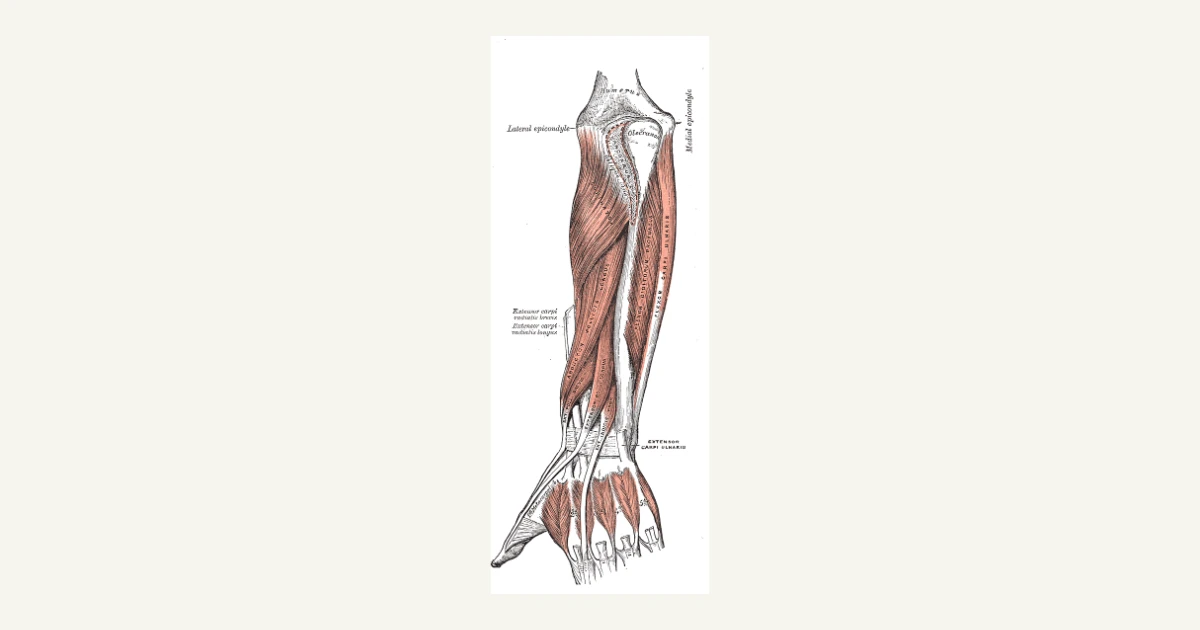
| Wrist | ECU tendon pain, little-finger side of the wrist | The lead wrist bending toward the little finger at impact |
| Wrist | De Quervain’s tenosynovitis | Cocking the lead wrist |
| Wrist | TFCC tear | The lead wrist at impact |
| Elbow and forearm | Golfer’s elbow (inner elbow) | The trail arm, and hitting the ground on fat shots |
| Elbow and forearm | Tennis elbow (outer elbow) | The lead arm at impact |
| Shoulder | Rotator cuff tendon pain | The lead shoulder at the top of the backswing |
| Shoulder | AC joint sprain (top of the shoulder) | The lead arm across the body at the top of the swing |
| Neck | Neck strain | Keeping the head down through the rotation |
| Upper back and ribs | Rib stress fracture | Lead-side ribs, in newer golfers hitting a lot of balls |
| Upper back and ribs | Intercostal strain | Rotating at speed |
| Lower back | Low back strain | Rotational swing load |
| Lower back | Slipped disc | Rotating while bent over the ball |
| Lower back | Low back pain on arching (facet joint) | Arching hard in the follow-through |
| Hip and groin | Hip arthritis | Rotation of the lead hip |
| Hip and groin | Hip impingement or labral tear | Inward rotation of the lead hip |
| Knee | Meniscus tear | The lead knee rotating at impact |
| Knee | Knee arthritis flare | Walking 18 holes, plus rotation |
Causes of Golf Injuries
Golf injuries are fairly common, with a 2023 study reporting that 40 to 60% of golfers experience an injury each year, including findings from local surveys in Asia indicating similar trends. While golf is not a contact sport, the repetitive and dynamic nature of the golf swing can lead to various musculoskeletal problems, particularly in the back, shoulder, elbow, and wrist.
Overuse and technical errors in the swing are also major contributing factors. Poor form, inadequate conditioning, or playing too frequently without rest can worsen the risk.
Golf Injuries. Wrist
The wrists are central to the golf swing. They stabilize the club and transmit force during impact, which makes them vulnerable to overuse injuries and acute trauma. Early treatment and targeted physiotherapy for wrist pain can help reduce inflammation, improve mobility, and prevent further injury.
Carpal Tunnel Syndrome
This condition affects the median nerve in the wrist and can result in tingling, numbness, or weakness in your hand. It’s typically caused by the repetitive gripping of the golf club during your swing, especially if your technique or equipment isn’t optimized.
Swollen Tendons
Inflammation of the tendons, known as tendinitis, can occur due to overuse or abrupt impact, such as hitting the ground with the club. Swollen tendons reduce wrist mobility and cause persistent pain, limiting your swing and grip strength.
Wrist Sprain
A wrist sprain can result from an awkward movement during a swing or a fall on the golf course. Sprains vary in severity and often require rest, support, and physiotherapy to heal fully.
Golf Injuries. Elbow
Elbow injuries are frequent among golfers, mostly due to repetitive stress placed on the elbow tendons and joints.
Golfer’s Elbow
Also known as medial epicondylitis, this condition affects the inner side of the elbow and is one of the most common golf injuries. It occurs when the elbow tendons become inflamed due to repetitive swinging or gripping.
Lateral Epicondylitis
Commonly known as tennis elbow, this injury affects the outer elbow. While it’s more common in racquet sports, the mechanics of a golf swing can still lead to this type of inflammation, especially if your swing mechanics are flawed or if there’s excessive gripping.
Golf Injuries. Shoulder
The shoulders absorb a large portion of the torque generated during a golf swing. These injuries can be complex and require careful management.
Strained or Torn Rotator Cuff
Rotator cuff injuries are among the most troublesome. The rotator cuff tendons help stabilize the shoulder joint. Overuse, particularly with improper form, can lead to strains or even tears, often felt as sharp shoulder pain during or after a swing.
SLAP Tear
A SLAP (Superior Labrum Anterior and Posterior) tear involves damage to the cartilage around the shoulder socket. It can be caused by the repeated overhead motion in the golf swing and typically presents as deep joint pain or catching sensations.
Dislocation or Subluxation
This occurs when the shoulder joint is forced out of place, fully (dislocation) or partially (subluxation). These injuries can result from trauma or underlying instability aggravated by the golf swing.
Bursitis
Bursitis, the inflammation of the fluid-filled sacs that reduce friction in the shoulder joint, can develop due to repetitive motion in golf. It can cause significant discomfort and limit your range of motion.
Arthritis
Shoulder arthritis in golfers often develops over time due to joint degeneration. Symptoms include stiffness, swelling, and pain that worsens with activity.
AC Joint Injury
Injury to the acromioclavicular (AC) joint, where the collarbone meets the shoulder blade, can result from overuse or a hard swing. These injuries can be mistaken for rotator cuff problems and require proper diagnosis.
Golf Injuries. Back
Back injuries are particularly common in golf, with the lower back being the frequent site of discomfort due to the rotational forces of the swing.
Spinal Stress Fracture
Though more common in younger golfers, stress fractures in the spine can occur when repetitive torque stresses the vertebrae. These fractures require rest and often several weeks away from the game.
Muscle Sprain or Strain
Back pain from sprained or strained muscles is common, especially in the lower back. It often stems from a sudden twisting movement or poor warm-up.
Disc Degeneration
Degenerative disc disease in the spine can lead to chronic back pain and reduced flexibility. The repeated compressive force in a golf swing is a contributing factor over time.
Arthritis
Arthritis in the spine affects the joints and can cause stiffness and lower back pain, especially in older golfers. The condition can limit the rotation needed in the swing and must be managed conservatively.
Golf Injuries. Hip
The hips play a crucial role in transferring power during a golf swing, and instability or weakness here can lead to injury.
Labral Tissue Injuries
Labral tears involve damage to the cartilage lining the hip socket. These can result from repetitive pivoting motions and are particularly painful during hip rotation in the swing.
Trochanteric Bursitis
This is inflammation of the bursa over the outer hip, often due to repetitive stress. It causes sharp pain on the side of the hip, especially after walking the golf course or repeated swinging.
Other Golf Injuries
Though less discussed, other areas of the body can also be affected:
- Knee injuries: Twisting forces in the swing can strain ligaments or aggravate pre-existing arthritis.
- Neck strain: Poor posture and over-rotation can lead to neck stiffness or nerve impingement.
- Rib stress fractures: Though rare, these can occur from overuse or excessive swing force.
How Physiotherapy Helps With Golf Injuries
Physiotherapy addresses both the symptoms and root causes of golfing injuries. A physiotherapist will assess your swing mechanics, flexibility, and muscle imbalances to design a targeted recovery and prevention plan. Treatment often includes:
- Manual therapy
- Targeted exercises to improve muscle strength
- Guidance on posture
- Technique correction
For chronic issues such as arthritis or disc degeneration, ongoing physiotherapy can help maintain mobility and reduce pain.
What You Can Do at Home for Golf Injuries
If you’re recovering from a golf injury or looking to prevent one, there are several things you can do outside the clinic.
- Rest and ice: Apply this in the early stages of an injury to reduce inflammation.
- Stretching and mobility work: Regular flexibility exercises can improve your swing range and reduce stress on the joints.
- Strength training: Focus on the core, hips, and shoulders, essential regions for a controlled and powerful swing.
- Use of support gear: Wrist or elbow braces may help during recovery stages or in managing chronic conditions.
- Ergonomic checks: Ensuring your golf club suits your height and playing style can reduce the risk of strain.
Golf Injury Prevention
To prevent golf injuries, focus on conditioning and technique:
- Always warm up before practice or play.
- Improve your swing mechanics with a coach.
- Gradually build up play time to avoid overuse injuries.
- Listen to your body; pain is a warning, not a badge of effort.
- Incorporate off-course training, such as yoga or pilates, to build balance and joint control.
Conclusion
Golf is a game of rhythm and controlled power which demands respect from your body. From shoulder pain to lower back strain and elbow injuries, the golf swing is a complex movement that can result in numerous injuries if ignored. Wrist discomfort is also common, especially with repetitive swing or poor grip technique. Making early wrist pain treatment in Singapore an important consideration for avid golfers.
On the green or recovering at home, take care of the muscles and joints that carry your game by knowing the signs and seeking prompt treatment.
Golf: what we focus on
What our patients say
Google reviews from our clinics in Singapore.



The swing still works. The lead wrist does not like it.
The ache on the little-finger side of the lead wrist at impact. The inner elbow after an hour at the driving range. The lower back that stiffens by the back nine. Golfers play through it for months, because nothing stops the swing until something does.
- Lead wrist. The ulnar side of the wrist (TFCC) takes the impact, and is assessed and splinted by our hand therapy team.
- Trail wrist and thumb. De Quervain’s and thumb sprains from the grip.
- Elbow. Golfer’s elbow and tennis elbow: progressive tendon loading, not just rest.
- Back and hips. Rotation that the lower back is being asked to make up for.
Tested, not dated. You go back when the measures say so: grip strength in kilograms against your other hand, and the range of rotation your swing actually needs. Pain is the first thing to leave. Strength is the last to train and recover.
WhatsApp us · Get Assessed & Treated · One 45-minute appointment, $230, nett, no GST.
A swing that catches along one rib, especially early in the season, is often an intercostal muscle strain.
Where are you with this right now?
1. It is settling on its own
Elbow tendon problems settle slowly, over months rather than weeks, and they respond to graded loading rather than to rest alone. If you can grip for longer than you could a month ago, it is responding. You do not need us for this, and we would rather say so.
2. It has stopped improving
You pour the kettle with the other hand. A full mug is a two-handed job. You have stopped carrying the shopping on that side.
A tendon that stops being provoked is not the same as a tendon that got stronger. One is avoidance, the other is capacity. That is the gap worth measuring, and it is not measured by how you feel on the day.
The Stalled Recovery Review is three appointments over three weeks with the same therapist, because what a joint does under load cannot be read in one visit. The first finds what is limiting it. The next two measure how it responds. $690, nett, no GST, which is three appointments at $230.
3. You have had surgery, or you have a date
Recovery after an operation has a shape, and knowing which stage you are in tells you whether you are on it. See the hand and elbow programs, or elbow physiotherapy if you are not sure which applies to you.
All of it runs on the same four stages. The Phoenix Recovery Protocol explains what each stage works on and what you have to meet to move up. No referral needed to start.
Next step
Find out which stage you are in
Pain is the first thing to leave. Movement and strength are the last things trained back, and most people stop before that part is done. One Assessment and Treatment is a single 45-minute appointment at $230, nett, no GST. Your therapist finds what is actually limiting you, treats it in the same appointment, and you leave with your current stage and a written plan.
Prefer to phone? Each of our five clinics has its own number on the clinics page. No referral needed to book.
Related reading
Where we are
Clinics across Singapore
ORCHARD
400 Orchard Road #12-12
Orchard Towers, S238875
NS22 Orchard MRT
Physiotherapy and hand therapy in Orchard →
WhatsApp 8800 1830TAMPINES
9 Tampines Grande #01-20
Asia Green, S528735
EW2DT32 Tampines MRT
Physiotherapy and hand therapy in Tampines →
WhatsApp 8780 9608SERANGOON
265 Serangoon Central Drive #04-269
S550265 · Lift C only
NE12CC13 Serangoon MRT
Physiotherapy and hand therapy in Serangoon →
WhatsApp 8892 4121TANJONG PAGAR
10 Anson Road #02-77A
International Plaza, S079903
EW15 Tanjong Pagar MRT
Physiotherapy and hand therapy in Tanjong Pagar →
WhatsApp 8227 7074JURONG EAST
2 Venture Drive #02-02
Vision Exchange, S608526
NS1EW24 Jurong East MRT
Opening 25 October 2026
Physiotherapy and hand therapy in Jurong East →
WhatsApp 8242 7340