
Written by Zita Sham, Fairuuz Saleh and Shiv Mohan Banka, Principal Physiotherapists at Phoenix Rehab.Clinically reviewed by Louise Yow, Principal Physiotherapist & Director, AHPC A1300363H.Last reviewed 16 October 2026.
A meniscus tear is a tear in one of the two C-shaped cartilage pads that sit between the thigh bone and the shin bone. It causes pain along the joint line, swelling, and sometimes catching or locking. Wear-related tears in people over 40 are usually treated with exercise first. Tears that lock the knee, and repairable tears in younger people, often go to surgery.
Key takeaways
- A meniscus tear is a tear in one of the two cartilage pads between the thigh bone and the shin bone.
- There are two broad kinds: a tear from a twist, often in younger people, and a wear-related tear that is common after 40.
- MRI finds meniscus tears in many knees that have no pain, so the scan is read alongside the examination.
- In trials of wear-related tears, keyhole trimming did no better than sham surgery, and supervised exercise did as well as trimming at two years.
- A knee that locks and will not straighten needs a doctor soon.
Physiotherapy after surgery
Meniscus Surgery and Knee Arthroscopy Recovery Program
The scope takes under an hour. The quadriceps that switched off before it takes considerably longer.
For partial meniscectomy, meniscus repair and other knee arthroscopy, and for meniscus tears managed without surgery. A staged physiotherapy program run to your surgeon’s plan, at five Singapore clinics.
No referral needed to start. Bring your operation note, discharge summary or scan report.
Start here
Where are you right now?
A meniscus knee is a different problem depending on the week you are reading this, and on whether the meniscus was trimmed or repaired. Pick the one that matches.
How the program runs
4-Stage Structured Recovery
You move up a stage when you meet the criteria for it, not when a number of weeks has passed. That is Criteria Before Clearance, and it is why the last appointment is a graduation rather than a discharge.
The shape of it
What happens, week by week
There are two shapes here. A trimmed meniscus moves fast. A repaired meniscus is protected for weeks so the repair can heal, and moves much more slowly. Your surgeon’s protocol takes precedence over anything on this page, every time.
- Weeks 0 to 2Stage 1 · Calm & ProtectAfter a trim: weight as comfortable, swelling down, knee straight. After a repair: crutches and often a brace, with weight and bend limited as your surgeon directs.
- Weeks 2 to 6Stage 2 · Move & MobilizeAfter a trim: full bend, a normal walk, early strength work. After a repair: still protected, with bend increased in steps, and no deep squats or twisting.
- Weeks 6 to 12Stage 3 · Rebuild & StrengthenStrength and single-leg control. After a trim, jogging often starts in this window. After a repair, strength work starts as the protection comes off.
- Month 3 onwardStage 4 · Return & PerformReturn to sport. After a trim, often from two to three months. After a repair, usually four to six months or later, on your surgeon’s clearance.
After the scope
Is this normal?
Usually expected
- Swelling after activity for some months, settling overnight.
- Clicking without pain.
- A thigh that looks smaller than the other side.
- An ache after a long day or a long drive.
- Kneeling that is uncomfortable for a while.
- Small portal scars that stay tender for weeks.
Contact your doctor
- Call 995 or go to the emergency department now: sudden shortness of breath, chest pain, or coughing up blood. After leg surgery these can mean a clot that has traveled to the lungs.
- Doctor the same day: a calf that becomes painful, swollen, warm or tender, which can mean a clot in the leg.
- Doctor the same day: fever, or a wound that is red, hot, opening or leaking.
- Surgeon soon: a knee that locks and will not straighten at all.
- Surgeon soon: after a repair, a new pop or catch with fresh swelling, which can mean the repair has been disrupted.
- Review soon: swelling that is getting worse rather than better over 2 to 3 weeks, or no change in strength over 3 to 4 weeks of therapy.
We would rather send you back to your surgeon early than be the reason you went late.
If it is not going to plan
Months after the scope, and it still swells every time you use it
The surgeon said it went well and it was a small procedure. You were walking the next day. Three months on, a long walk still means a puffy knee that evening.
You take the lift instead of the stairs. You stopped squatting to the bottom cupboard. You have not run since, because the last time you tried, it swelled for two days.
A knee that keeps swelling after a scope is usually a knee doing more than its quadriceps can currently control. The swelling is the knee telling you the load is ahead of the strength. The fix is measuring the strength, side to side, and building the load in steps the knee can answer without swelling.
The Stalled Recovery Review is three appointments, one a week for three weeks, with the same physiotherapist. The first finds what is holding you back. The next two measure how it responds, because what a joint does under load cannot be read in one visit. $690, nett, no GST.
More on what the three appointments cover: the Stalled Recovery Review.
Logistics
When can I…
Your surgeon decides, based on healing and what your job demands. These are typical points, not permissions.
| Activity | Typical point | What has to be true first |
|---|---|---|
| Desk work | 2 days to 2 weeks | Swelling controlled, and you can get to work safely. Longer after a repair. |
| Driving | 1 to 6 weeks | Off strong painkillers and able to do an emergency stop. Sooner after a trim, later after a repair. Your surgeon agrees, and check your insurer. |
| Kneeling | 6 weeks or later | Comfortable on a cushion, and your surgeon agrees after a repair. |
| Jogging | 6 to 12 weeks after a trim | Stage 3 criteria met, including strength and a hop without pain. Later after a repair. |
| Pivoting sport, deep squats | 2 to 3 months after a trim, 4 to 6 months or later after a repair | Stage 4 criteria met, and your surgeon’s clearance. |
| IPPT (sit-ups, push-ups, 2.4 km run) | The 2.4 km run around 2 to 3 months after a trim, 4 to 6 months or later after a repair | A knee that goes fully straight and does not swell after a run, and strength tested against the other leg. Your unit’s medical officer decides your medical status and when you take IPPT. |
| Medical certificate | Your doctor issues it | Physiotherapists do not issue MCs. We can write a report on your functional limits for your doctor or employer. |
The program
What it costs and what is in it
Meniscus Surgery and Knee Arthroscopy Recovery Program, Stages 1 to 4
Per 45-minute appointment, nett, no GST. The Meniscus Surgery and Knee Arthroscopy Recovery Program is 12 appointments, $2,760 in all. You pay for each appointment as you attend it. If you need more, your physiotherapist shows you which stage criteria are still open, and each extra appointment is $230.
- An Assessment & Treatment first, at $230: which stage you are in, what is limiting you, and a written plan you walk out holding
- Swelling and scar care
- Staged range and strength work, progressed on criteria and on your surgeon’s repair limits
- Quadriceps strength measured against the other leg, and hop tests before sport
- A home program, written down
- A one-page report to your surgeon at weeks 2, 6 and 12 if you were referred
- Your next stage review dated into the diary, with the same physiotherapist
Graduation, Not Discharge. The program ends when you meet the Stage 4 criteria for the work or sport you are going back to.
Who you will see
Managed by our physiotherapy team
Meniscus surgery sits with the physiotherapy team. You stay with the same physiotherapist through the program, and every appointment is one to one for the whole 45 minutes.
Fairuuz Saleh
Principal Physiotherapist at Tampines. Post-operative ACL reconstruction and return to sport, hip pain including labral tears, and knee rehabilitation.
This program runs Stages 1 to 4 of the Phoenix Recovery Protocol. It sits under physiotherapy after surgery, alongside the other recovery programs.
Timings on this page are typical ranges, not predictions for any individual recovery, and your surgeon’s protocol takes precedence. Physiotherapists assess, treat, exercise, educate and refer; doctors diagnose, inject, prescribe and order imaging. If we find something that needs medical review we refer you back to your doctor.
What is a meniscus tear?
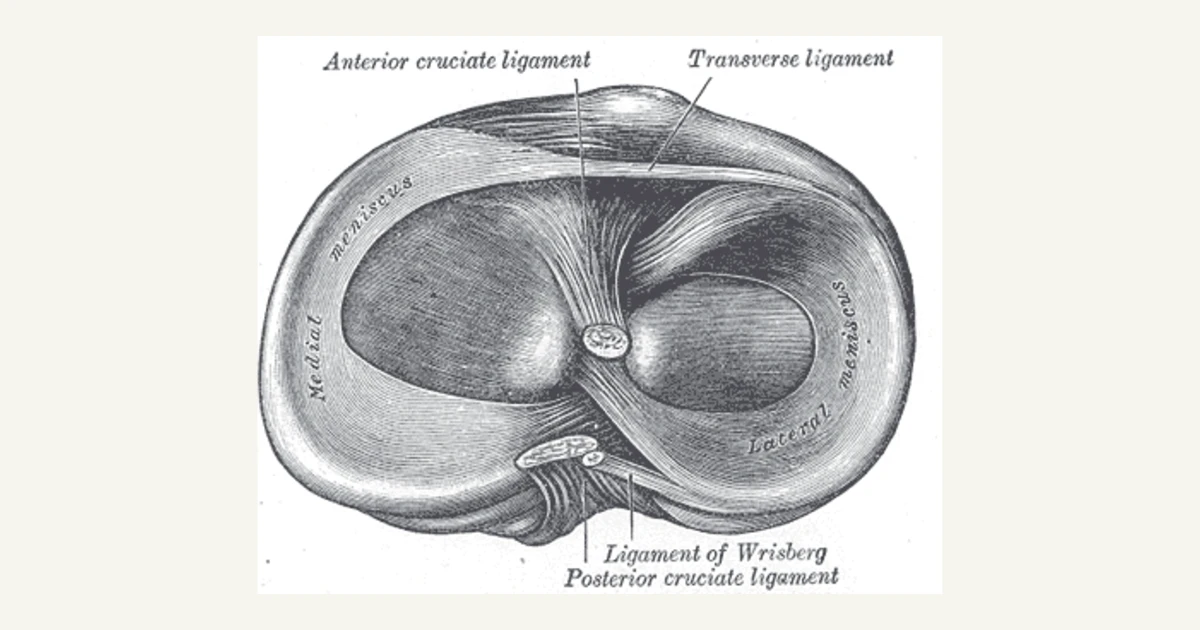
Each knee has two menisci: the medial meniscus on the inner side and the lateral meniscus on the outer side. They spread load across the joint and help it stay steady when you turn. Tears fall into two broad groups:
- A tear from a twist. A turn on a planted foot, often in sport and often in younger people. These tears can come with an ACL injury.
- A wear-related (degenerative) tear. The meniscus thins with age and tears with ordinary movements like squatting or getting up from the floor. Common after 40, and often found alongside early knee arthritis.
Surgeons also describe the shape of the tear. A bucket-handle tear can flip into the joint and lock the knee. A root tear, where the meniscus comes away from its anchor on the bone, changes how the knee takes load. The shape matters because it changes what your surgeon may advise.
What are the symptoms of a meniscus tear?
Pain along the joint line on the inner or outer side of the knee, swelling that builds over a day or so, stiffness, pain when you twist or squat, and sometimes a catch or click. A true locked knee, one that will not straighten fully, points to a piece of torn meniscus caught in the joint and needs a doctor soon.
- Pain along the joint line, often worse twisting or squatting
- Swelling and stiffness, often building over the first day
- A catching, clicking or locking sensation
- Difficulty bending or straightening the knee fully
- A feeling that the knee may give way
More on a knee that locks and what it usually means.
How is a meniscus tear diagnosed?
From the story of the injury and an examination: tenderness along the joint line and tests that twist and load the knee. An MRI shows the tear, but it also finds tears in many knees that have no pain, especially after 50, so a scan is read alongside the examination rather than on its own.1
The tests include McMurray’s test, which bends and turns the knee to catch the tear, and the Thessaly test, where you stand on the leg and turn with the knee slightly bent. A doctor orders the MRI if the result would change the plan.
Can a meniscus tear heal on its own?
It depends on where the tear is. The outer third of the meniscus has a blood supply and small tears there can heal. The inner two-thirds has almost none and tears there do not knit back, but the pain often settles once the knee is strong. Many wear-related tears are managed this way without surgery.
Do wear-related meniscus tears need surgery?
Often not. In a trial of people with a wear-related tear and no arthritis, keyhole trimming of the meniscus did no better than sham surgery at one year. In another, 12 weeks of supervised exercise did as well as trimming at two years, with stronger thighs at three months. If you are offered a scope for a wear-related tear, those trials are a fair thing to raise with your surgeon.2,3
Surgery is more often advised when the knee locks, when the tear is a repairable one in a younger person, when it is a root tear, or when it comes with an ACL injury. Whether to operate is your surgeon’s decision.
Meniscus tear treatment options
| Option | Who provides it | When it fits |
| Exercise therapy | Physiotherapist | First line for most wear-related tears, and before and after surgery |
| Load changes | Physiotherapist | Less deep squatting, twisting and kneeling while the knee settles |
| Partial meniscectomy (trim) | Orthopedic surgeon | A torn piece that catches or locks; faster rehab than a repair |
| Meniscus repair | Orthopedic surgeon | A repairable tear, often in a younger person; longer protection and rehab |
| Injections | Doctor | A question for your doctor |
After surgery, the Meniscus Surgery and Knee Arthroscopy Recovery Program above sets out the weeks, the stages and what has to be true before each next step.
What to do in the first few days
Keep moving within comfort, avoid deep squats, twisting and kneeling, and use ice wrapped in a towel for short spells if it helps the swelling. Crutches for a few days are reasonable if walking is painful. Pain relief and anti-inflammatory medication are a decision for your doctor or pharmacist. A knee that locks, or swelling that comes up fast within an hour or two of the injury, needs a doctor.
How long does a meniscus tear take to heal?
Without surgery, many people notice a clear change within 6 to 12 weeks of consistent exercise. After a trim, most return to normal walking within a couple of weeks and to sport over the following weeks. After a repair, the repair is protected for longer and a return to pivoting sport usually takes 4 to 6 months. Your surgeon’s protocol takes precedence.
Tips for when you see your doctor
Describe how it happened, when the swelling came up, whether the knee has locked or given way, and what you can and cannot do now. Mention earlier knee injuries or operations, and bring a list of any medications or supplements you take.
Reducing the risk of another tear
- Keep the thigh and hip muscles strong; quadriceps strength is the last thing to come back after a knee injury.
- Build up sport and gym load in steps rather than jumps.
- Warm up before sport, and practice landing and turning drills if your sport involves them.
- Keep a healthy weight to reduce the load through the knee.
Knee still catching, swelling after activity, or not trusting it on stairs? WhatsApp us to Get Assessed & Treated. No referral needed.
Sources: 1. Englund M, Guermazi A, Gale D, et al. Incidental meniscal findings on knee MRI in middle-aged and elderly persons. N Engl J Med. 2008;359(11):1108-1115. 2. Sihvonen R, Paavola M, Malmivaara A, et al. Arthroscopic partial meniscectomy versus sham surgery for a degenerative meniscal tear. N Engl J Med. 2013;369(26):2515-2524. 3. Kise NJ, Risberg MA, Stensrud S, et al. Exercise therapy versus arthroscopic partial meniscectomy for degenerative meniscal tear in middle aged patients: randomised controlled superiority trial with two year follow-up. BMJ. 2016;354:i3740.
Also on this site: the page on a knee that locks covers the common causes and what to check.
Where are you with this right now?
1. It is settling on its own
Most knee pain that started with a specific moment settles over six to twelve weeks. Swelling that comes and goes with activity, and an ache after a long day, are usual in that window. If it is improving month on month and you can walk, take stairs and sleep, it is behaving normally. You do not need us for this, and we would rather say so.
2. It has stopped improving
You go down stairs one leg at a time. You have stopped squatting to pick things up. You test it before you trust it.
Pain settling is the first thing that happens, not the last. Quadriceps strength is the last thing to come back, and it does not come back on its own. That is the gap worth measuring, and it is not measured by how you feel on the day.
The Stalled Recovery Review is three appointments over three weeks with the same therapist, because what a joint does under load cannot be read in one visit. The first finds what is limiting it. The next two measure how it responds. $690, nett, no GST, which is three appointments at $230.
3. You have had surgery, or you have a date
Recovery after an operation has a shape, and knowing which stage you are in tells you whether you are on it. See the ACL Reconstruction Recovery Program, or knee physiotherapy if you are not sure which applies to you.
All of it runs on the same four stages. The Phoenix Recovery Protocol explains what each stage works on and what you have to meet to move up. No referral needed to start.
Next step
Find out which stage you are in
Pain is the first thing to leave. Movement and strength are the last things trained back, and most people stop before that part is done. One Assessment and Treatment is a single 45-minute appointment at $230, nett, no GST. Your therapist finds what is actually limiting you, treats it in the same appointment, and you leave with your current stage and a written plan.
Prefer to phone? Each of our five clinics has its own number on the clinics page. No referral needed to book.
Related reading
- physiotherapy after surgery
- knee physiotherapy
- Knee Pain in Ladies: Common Causes and Care Options
- Front and Center: Understanding Anterior Knee Pain
- Knee Pain When Cycling: Causes and What to Check
- The Phoenix Recovery Protocol, and the four stages
- All recovery programs, hand and physio
- How To Treat Your Knee Cartilage Injury
Where we are
Clinics across Singapore
ORCHARD
400 Orchard Road #12-12
Orchard Towers, S238875
NS22 Orchard MRT
Physiotherapy and hand therapy in Orchard →
WhatsApp 8800 1830TAMPINES
9 Tampines Grande #01-20
Asia Green, S528735
EW2DT32 Tampines MRT
Physiotherapy and hand therapy in Tampines →
WhatsApp 8780 9608SERANGOON
265 Serangoon Central Drive #04-269
S550265 · Lift C only
NE12CC13 Serangoon MRT
Physiotherapy and hand therapy in Serangoon →
WhatsApp 8892 4121TANJONG PAGAR
10 Anson Road #02-77A
International Plaza, S079903
EW15 Tanjong Pagar MRT
Physiotherapy and hand therapy in Tanjong Pagar →
WhatsApp 8227 7074JURONG EAST
2 Venture Drive #02-02
Vision Exchange, S608526
NS1EW24 Jurong East MRT
Opening 25 October 2026
Physiotherapy and hand therapy in Jurong East →
WhatsApp 8242 7340What our patients say
Google reviews from our clinics in Singapore.



