
Written by Zita Sham, Principal Physiotherapist at Phoenix Rehab, AHPC A1302159H.Clinically reviewed by Louise Yow, Principal Physiotherapist & Director, AHPC A1300363H.Last reviewed 3 November 2026.
The cyst was drained three weeks ago. The lump behind the knee is back, and squatting for the bottom shelf at the supermarket still pulls at the back of the knee. So what exactly was drained, and why is it filling up again?
A Baker’s cyst is rarely the whole problem in an adult. It is usually the overflow from something inside the knee. This page covers what the cyst is, what an aspiration, injection or knee arthroscopy does and does not deal with, how to tell a burst cyst from a blood clot, the signs that mean a doctor first, and what to do when the knee behind the cyst is not improving.
What is a Baker’s cyst?
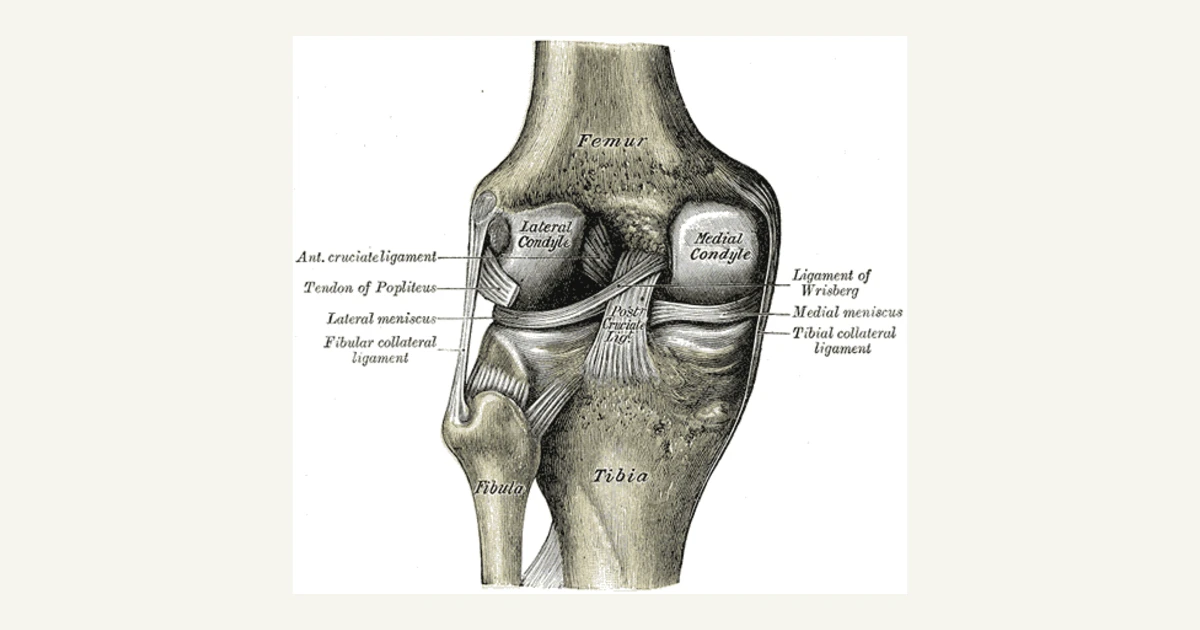
A Baker’s cyst, also called a popliteal cyst, is a fluid-filled swelling at the back of the knee, usually on the inner side, between the calf muscle and a hamstring tendon. In adults it fills with joint fluid from inside the knee, and it usually comes with a problem in the joint such as osteoarthritis or a meniscus tear.1
Key takeaways
- A Baker’s cyst is a fluid-filled swelling at the back of the knee, fed by fluid from inside the joint.
- In adults it usually comes with a problem inside the knee, such as osteoarthritis or a meniscus tear.
- Draining or injecting the cyst is a doctor’s decision. The cyst can refill if the knee behind it keeps producing fluid.
- A burst cyst and a blood clot in the calf can look the same. A swollen, painful calf needs the emergency department now, where a clot can be ruled out, usually with an ultrasound.
- A physiotherapist tests the knee behind the cyst: its range, swelling, thigh strength and the meniscus signs.
First, the signs that mean a doctor, not this page
- Call 995 if you are suddenly short of breath or have chest pain, especially with a swollen calf. A clot can travel to the lungs.
- Go to the emergency department now if the calf becomes very tight, hard and severely painful, or the foot goes numb or cold, or the knee is hot, red and swollen with a fever.
- Go to the emergency department now if the calf swells and hurts, whether or not you felt something burst behind the knee. A burst cyst and a blood clot cannot be told apart by looking, and the clot has to be ruled out first, usually with an ultrasound.2
- See a doctor soon for a lump that is hard, growing, not in the crease behind the knee, painful at night, or comes with weight loss.
None of these? Then the rest of this page is for you.
Had the cyst drained or injected?
Draining the fluid with a needle, often with a steroid injection, is a procedure a doctor does, usually under ultrasound. In a study of 32 people with knee osteoarthritis and a painful Baker’s cyst, a single ultrasound-guided aspiration with a steroid injection reduced cyst size and pain over six months. The cysts that came back were the ones with internal partitions.3 Whether it suits your knee, and what is driving the fluid, are questions for your doctor.
What the needle cannot change is the knee that made the fluid. If the joint behind it is still swelling with every long walk, the space refills. That is the part a physiotherapist works on, after your doctor’s procedure. More on physiotherapy after an injection, and what the days after it should and should not include.
Had knee arthroscopy for the meniscus or the joint?
When the problem inside the knee is treated, such as a meniscus tear trimmed or repaired by arthroscopy, the cyst often settles without being removed.1 After the operation, your surgeon’s protocol sets what the knee may do, and the work is the same as after any knee arthroscopy: swelling down, the knee straightening and bending fully, then the thigh strong enough for stairs and squats. See physiotherapy after surgery.
Is it the cyst, a clot, or something else?
| What you notice | What it usually points to | Who checks it |
|---|---|---|
| A soft lump in the crease behind the knee, on the inner side, tight when the knee is straight | A Baker’s cyst | A physiotherapist or doctor. A doctor orders an ultrasound if needed |
| The calf suddenly swollen, tight and painful, sometimes with bruising at the ankle | A burst cyst, or a blood clot. They look the same | The emergency department, now |
| Pain behind the knee with no lump, worse running or bending | A hamstring or calf tendon, or the back of the meniscus | A physiotherapist |
| A hard lump, or one that keeps growing | Something other than a cyst | A doctor |
The other causes of pain behind the knee are covered in back of knee pain.
Should you walk with a Baker’s cyst?
Usually yes, within comfort. Walking does not burst a cyst. What tends to aggravate it is a lot of deep squatting, kneeling and long walks that leave the knee swollen the next morning. If the calf swells, stop and go to the emergency department now.
How long does a Baker’s cyst take to go away?
Small cysts often settle on their own over weeks to months. In adults the cyst tends to follow the knee behind it: when the swelling inside the joint settles, the cyst usually shrinks, and when the joint keeps swelling, it usually stays or returns.1
Why the drained cyst keeps coming back
The thinking goes: the doctor drained it, so it is gone.
Four weeks later you feel the tightness again when you straighten the knee to stand up. Squatting for the bottom shelf pulls at the back of the knee. You take the lift instead of the two flights to the void deck, and the Sunday walk at the reservoir has shrunk to the first loop. Your review with the doctor is next month, and you would like to tell them something better than “it came back”.
The cyst is the overflow. The knee makes extra fluid when something inside it is irritated, and the fluid pushes out into the space at the back. Drain the space and the source carries on. Has anyone measured how much the knee swells after a day on your feet, whether it straightens fully, how strong the thigh is against the other side, and whether the meniscus tests are positive? If not, nobody knows what is filling the cyst.
What a physiotherapist does with it
Finding the real problem is half the battle. Treating it is the other half.
At the Assessment & Treatment, a physiotherapist asks what makes it fill, in your words, then tests the knee behind it: swelling graded side to side, how far the knee straightens and bends, thigh strength against the other leg, the meniscus tests, how you squat and take a step down, and the calf. If the tests point to a meniscus tear or arthritis that needs a doctor, or anything about the calf is worrying, we tell you and write to your doctor. Scans, aspiration and injections are theirs.
Most of the 45 minutes is treatment: settling the swelling, hands-on work to get the knee fully straight, and a loading program for the thigh and hip that the knee can take without swelling the next day, measured up at each review. You leave knowing which stage you are in, what is limiting the knee, and a written plan.
More on the meniscus tear and knee osteoarthritis that most often sit behind a cyst. Every appointment is one to one with your physiotherapist for the full 45 minutes, at five clinics: Orchard, Tampines, Serangoon, Tanjong Pagar and Jurong East. Bring any ultrasound or MRI report, and the date of any aspiration or injection.
Questions about Baker’s cysts
How do they fix a Baker’s cyst?
Small cysts often need no treatment. A doctor may drain a painful cyst with a needle, sometimes with a steroid injection, usually under ultrasound. In adults the cyst usually comes from a problem inside the knee, such as osteoarthritis or a meniscus tear, and treating that problem is what stops it refilling.
Should you walk if you have a Baker’s cyst?
Usually yes, within comfort. Walking does not burst a cyst. Cut back on deep squatting, kneeling and long walks that leave the knee swollen the next morning. If the calf suddenly swells and hurts, go to the emergency department now.
How long does it take for a Baker’s cyst to go away?
Small cysts often settle over weeks to months. In adults the cyst usually follows the knee behind it: it shrinks when the swelling inside the joint settles, and stays or returns when the joint keeps swelling.
Can a burst Baker’s cyst be mistaken for a blood clot?
Yes. A burst cyst lets fluid into the calf, causing swelling, pain and sometimes bruising at the ankle, which looks like a blood clot in the leg. The clot has to be ruled out first, usually with an ultrasound, so a swollen painful calf needs the emergency department now.
What should I avoid with a Baker’s cyst?
Avoid ignoring a swollen, painful calf. Day to day, cut back on deep squatting, kneeling and long walks that leave the knee swollen the next morning, and do not press or massage hard on the lump. Keep the knee moving within comfort.
Drained once and filling up again behind the knee? Get Assessed & Treated, and leave knowing what inside the knee is driving it, which stage you are in, and what the next stage asks of it.
Sources: 1. Demange MK. Baker’s cyst. Rev Bras Ortop. 2011;46(6):630-633. 2. Bansal K, et al. Ruptured Baker’s cyst: a diagnostic dilemma. 2021. PubMed Central PMC8567966. 3. Köroğlu M, et al. Ultrasound guided percutaneous treatment and follow-up of Baker’s cyst in knee osteoarthritis. Eur J Radiol. 2012;81(11):3466-3471.
Where are you with this right now?
1. It is settling on its own
Most injuries and most flare-ups settle over weeks with sensible load management and a return to normal movement. Improvement is judged over a month, not over a day, and good days and bad days inside that are usual. If you are doing more this month than last, and sleeping better, it is behaving the way it should. You do not need us for this, and we would rather say so.
2. It has stopped improving
You have adapted without noticing. The other side takes the load, you plan movements you used to make without thinking, and you have quietly dropped things you used to do.
Pain is the first thing to leave. Movement and strength are the last things trained back, and most people stop before that part is done. That is the gap worth measuring, and it is not measured by how you feel on the day.
What our patients say
Google reviews from our clinics in Singapore.


The Stalled Recovery Review is three appointments over three weeks with the same therapist, because what a joint does under load cannot be read in one visit. The first finds what is limiting it. The next two measure how it responds. $690, nett, no GST, which is three appointments at $230.
3. You have had surgery, or you have a date
Recovery after an operation has a shape, and knowing which stage you are in tells you whether you are on it. After a knee arthroscopy for the meniscus or the joint behind the cyst, bring your surgeon’s protocol and we work inside it. See physiotherapy after surgery, or all the recovery programs, hand and physiotherapy.
All of it runs on the same four stages. The Phoenix Recovery Protocol explains what each stage works on and what you have to meet to move up. No referral needed to start.
Next step
Find out which stage you are in
Pain is the first thing to leave. Movement and strength are the last things trained back, and most people stop before that part is done. One Assessment and Treatment is a single 45-minute appointment at $230, nett, no GST. Your therapist finds what is actually limiting you, treats it in the same appointment, and you leave with your current stage and a written plan.
Prefer to phone? Each of our five clinics has its own number on the clinics page. No referral needed to book.
Related reading
Where we are
Clinics across Singapore
ORCHARD
400 Orchard Road #12-12
Orchard Towers, S238875
NS22 Orchard MRT
Physiotherapy and hand therapy in Orchard →
WhatsApp 8800 1830TAMPINES
9 Tampines Grande #01-20
Asia Green, S528735
EW2DT32 Tampines MRT
Physiotherapy and hand therapy in Tampines →
WhatsApp 8780 9608SERANGOON
265 Serangoon Central Drive #04-269
S550265 · Lift C only
NE12CC13 Serangoon MRT
Physiotherapy and hand therapy in Serangoon →
WhatsApp 8892 4121TANJONG PAGAR
10 Anson Road #02-77A
International Plaza, S079903
EW15 Tanjong Pagar MRT
Physiotherapy and hand therapy in Tanjong Pagar →
WhatsApp 8227 7074JURONG EAST
2 Venture Drive #02-02
Vision Exchange, S608526
NS1EW24 Jurong East MRT
Physiotherapy and hand therapy in Jurong East →
WhatsApp 8242 7340