
Written by Zita Sham, Fairuuz Saleh and Shiv Mohan Banka, Principal Physiotherapists at Phoenix Rehab.Clinically reviewed by Louise Yow, Principal Physiotherapist & Director, AHPC A1300363H.Last reviewed 28 September 2026.
Back of knee pain, also called posterior knee pain, can be a source of discomfort and limitation for many individuals. It can arise from various causes, ranging from common conditions like leg cramps and patellar tendonitis to more serious issues like ligament injuries and deep vein thrombosis.
Understanding the potential causes and available remedies for posterior knee pain is essential for managing and alleviating this discomfort. So, in this article, we will explore the possible causes of pain in the knee and discuss effective remedies and treatments to provide relief.
Possible Causes of Pain Behind the Knee
Posterior knee pain can be caused by various conditions related to the structures at the back of the knee. Here are some possible causes of your knee sore:
Leg Cramps
Leg cramps are sudden, involuntary muscle contractions commonly affecting the calf muscles. These cramps can cause intense pain and discomfort, often leading to the affected muscle feeling tight or knotted.
Leg cramps themselves typically do not cause posterior knee pain. However, in some cases, the intense muscle contraction and associated pain from a leg cramp can lead to altered biomechanics and compensatory movements. This can result in increased stress on the structures around the knee joint, potentially leading to posterior knee pain.
Patellar Tendonitis
Patellar tendonitis, also referred to as jumper’s knee, occurs when the patellar tendon linking the kneecap (patella) to the shinbone (tibia) becomes inflamed. This condition typically arises due to repetitive stress or excessive use of the knee, frequently observed in activities such as jumping or running.
When the patellar tendon is inflamed, it can affect the overall biomechanics of the knee joint, potentially leading to altered muscle recruitment patterns and joint mechanics. This, in turn, can contribute to posterior knee pain as the structures at the back of the knee may experience increased load and stress due to altered movement patterns.
Hamstring Injury
Hamstring injuries or biceps femoris tendonitis refer to strains or tears in the muscles or tendons of the hamstring group, which are located at the back of the thigh. These injuries often occur during activities that involve sprinting, jumping, or sudden acceleration and deceleration.
After sustaining a hamstring injury, individuals may alter their gait and movement patterns to reduce pain and avoid aggravating the injured muscle. These compensatory movements can lead to increased stress on the structures around the knee joint, potentially causing posterior knee pain.
Ligament Injury
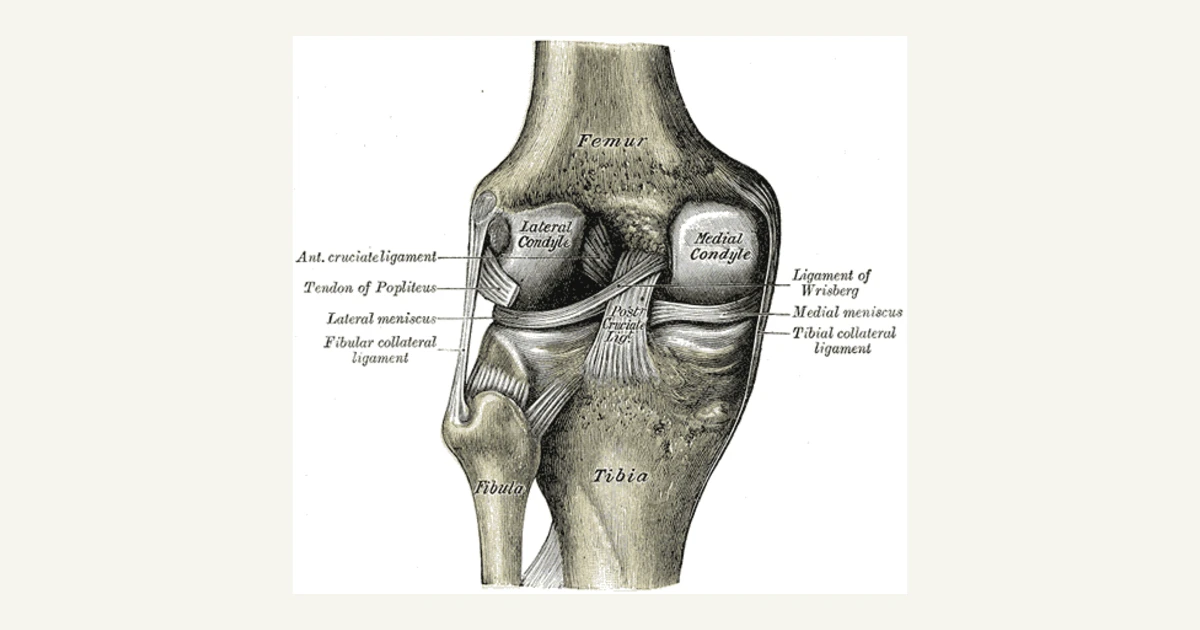
Ligament injuries can cause posterior knee pain due to their role in stabilizing the knee joint. The specific types of ligament injuries and their relation to posterior knee pain include:
Anterior Cruciate Ligament Injury
ACL injuries can cause posterior knee pain due to the potential for associated damage to other structures within the knee joint, such as the posterior capsule or meniscus. Additionally, altered biomechanics resulting from an ACL injury can lead to increased stress on the posterior knee structures, contributing to posterior knee pain.
Posterior Cruciate Ligament Injury
PCL injuries can directly cause posterior knee pain due to the location of the ligament at the back of the knee joint. The PCL injury itself and associated inflammation can lead to pain in the posterior region of the knee.
Medial Collateral Ligament Injury
MCL injuries typically do not cause posterior knee pain directly. However, in severe cases, the associated biomechanical changes and compensatory movements due to an MCL injury can lead to altered stress distribution within the knee joint, potentially resulting in posterior knee pain.
Lateral Collateral Ligament Injury
Similar to MCL injuries, LCL injuries generally do not directly cause posterior knee pain. However, the altered biomechanics and compensatory movements following an LCL injury can lead to increased stress on the structures at the back of the knee, potentially contributing to posterior knee pain.
Calf Strain
A calf strain is an injury to the muscles at the back of the lower leg, specifically the gastrocnemius and soleus muscles. These muscles are commonly strained during activities that involve explosive pushing off or sudden changes in direction, such as sprinting or jumping.
Sometimes, pain from a calf strain can be referred to the back of the knee, leading to posterior knee pain. This referred pain occurs when the brain interprets the pain signals from the injured calf muscles as originating from the posterior knee region.
Baker’s Cyst
A Baker’s cyst, also known as a popliteal cyst, is a fluid-filled swelling that develops at the back of the knee. It can cause posterior knee pain primarily due to its size and associated pressure on the surrounding structures.
This large or painful cyst can exert pressure on the structures at the back of the knee, leading to posterior knee pain. The cyst’s size and location can contribute to discomfort and pain in the posterior region of the knee.
Meniscus Tear
A meniscus tear is a common knee injury that can lead to posterior knee pain. The meniscus is a C-shaped piece of cartilage that acts as a shock absorber between the thigh bone and shinbone. Tears can occur due to sudden twisting or rotating movements, resulting in pain and swelling.
While a torn meniscus typically causes pain and discomfort in the knee joint, it may also lead to posterior knee pain due to altered biomechanics or compensatory movements or unintentional alterations in their gait and movement patterns to reduce pain and discomfort.
Chondromalacia
Chondromalacia, also known as chondromalacia patellae, is a condition characterized by the softening and breakdown of the cartilage on the underside of the kneecap. This condition can cause posterior knee pain due to altered biomechanics, inflammation and irritation that make the structures at the back of the knee become sensitised and painful, and altered patellar tracking, where the kneecap does not glide smoothly within the groove of the thighbone, which then leads to the increased pressure and stress on the posterior knee.
Arthritis
Arthritis is a general term used to describe the inflammation of one or multiple joints, leading to pain, swelling, stiffness, and reduced range of motion in the knee.
Arthritis can cause posterior knee pain through various mechanisms, depending on the specific type of arthritis. However, it’s also important to note that in all these types of arthritis, the inflammatory processes, structural changes, and joint damage can contribute to posterior knee pain.
Here are the types of arthritis and how they cause posterior knee pain:
Osteoarthritis
Osteoarthritis, the most common type of arthritis, can cause posterior knee pain due to the degeneration of the knee joint’s articular cartilage and the formation of bony outgrowths known as bone spurs. This degeneration and structural changes can lead to posterior knee pain, especially during weight-bearing activities. Singapore General Hospital reveals that over 10% of adults in Singapore contend with knee osteoarthritis, with a marked increase observed among those aged 40 to 60.
Rheumatoid Arthritis
Rheumatoid arthritis is an autoimmune condition that can cause inflammation and damage to the joint lining, leading to posterior knee pain. The inflammation can affect the entire joint, including the posterior structures, resulting in pain and discomfort in the back of the knee.
Lupus
Lupus is an autoimmune disease that can cause arthritis as one of its manifestations. Posterior knee pain in lupus-related arthritis can result from inflammation and damage to the knee joint, leading to pain and discomfort in the posterior region.
Psoriatic Arthritis
Psoriatic arthritis, which often occurs in individuals with psoriasis, can cause inflammation in the joints, including the knee. This inflammation can lead to posterior knee pain due to the involvement of the structures at the back of the knee joint.
Deep Vein Thrombosis
Deep vein thrombosis (DVT) is a cardiovascular disorder characterized by the formation of a blood clot in a deep vein, often occurring in the leg. DVT can cause pain and swelling in the affected leg, including behind the knee. If left untreated, a blood clot can potentially break loose and travel to the lungs, leading to a pulmonary embolism.
While DVT itself may not directly cause posterior knee pain, it can lead to pain in the posterior knee region due to leg swelling, which may result in compression of the surrounding structures, including nerve, inflammatory response, and altered biomechanics and gait.
Infection
Infections in the knee joint or surrounding tissues can cause posterior knee pain. Bacterial, viral, or fungal infections can lead to inflammation, swelling, and discomfort. Depending on the type and severity of the infection, treatment may involve antibiotics, antiviral medications, or surgical drainage in more severe cases. Early diagnosis and appropriate treatment are essential to prevent complications.
Remedies and Treatments for Posterior Knee Pain
Posterior knee pain can significantly impact an individual’s quality of life, limiting mobility, and hindering daily activities. Effective treatment can lead to an improved quality of life by reducing pain and improving function.
Similarly, addressing posterior knee pain promptly can help prevent the development of chronic conditions or further complications that may arise from untreated underlying causes.
Here are some remedies and treatments to help relieve pain behind the knee:
Over-the-Counter Pain Relievers
Over-the-counter pain relievers, including nonsteroidal anti-inflammatory drugs (NSAIDs), can assist in relieving pain and reducing inflammation at the posterior aspect of the knee. It’s crucial to adhere to the recommended dosage and seek advice from a healthcare provider if the pain continues or intensifies.
RICE Treatment
Rest, ice, compression, and elevation (RICE) therapy can be effective in reducing pain and swelling associated with various knee injuries. Resting the knee, applying ice packs, compressing the area with a bandage, and elevating the leg can aid in healing and provide relief. It is essential to avoid excessive activity or putting weight on the affected knee during the recovery period.
Corticosteroid Injections
Corticosteroid injections may be recommended for individuals experiencing persistent posterior knee pain. These injections can help reduce inflammation and alleviate discomfort. However, they are typically used as a short-term solution and should be administered by a qualified healthcare professional.
Physiotherapy
Physiotherapy, especially that performed by our qualified physiotherapists at Phoenix Rehab, can help relieve posterior knee pain through a variety of interventions, including:
- Exercise Programs: Physiotherapists can design specific exercise programs to strengthen the muscles around the knee, improve flexibility, and correct any imbalances that may be contributing to the pain.
- Manual Therapy: Hands-on techniques such as joint mobilization and soft tissue mobilization can help reduce pain, improve mobility, and address any tightness or restrictions in the muscles and joints around the knee.
- Modalities: Physiotherapy modalities such as ultrasound, electrical stimulation, and ice or heat therapy can be used to manage pain, reduce inflammation, and promote tissue healing.
- Education and Advice: Physiotherapists can provide education on posture, body mechanics, and activity modification to help individuals better manage their condition and prevent future episodes of posterior knee pain.
- Functional Training: Physiotherapy can include functional training to improve balance, coordination, and proper movement patterns, which can help reduce stress on the knee joint and alleviate pain.
Physiotherapy for knee pain plays a crucial role in relieving posterior knee pain by addressing the underlying causes, improving function, and promoting long-term recovery and prevention of future issues.
What our patients say
Google reviews from our clinics in Singapore.


Surgery
In some cases, surgical intervention may be necessary to address the underlying cause of posterior knee pain. Surgery as a treatment option is usually considered when conservative treatments have not provided sufficient relief or when there is significant structural damage.
Procedures such as arthroscopy, ligament reconstruction, or meniscus repair may be performed to repair damaged structures and improve proper knee function.
When to See a Doctor
While some cases of posterior knee pain can be managed with self-care and conservative treatments, it’s important to seek medical attention if the severe pain persists, worsens, or is accompanied by other concerning symptoms.
Immediate medical attention is also necessary if there are signs of infection, blood clots, or severe injury. A healthcare professional can accurately diagnose the underlying cause and recommend appropriate treatment options based on the individual’s specific condition.
Final Words
Back knee pain can significantly impact daily activities and quality of life. Understanding the potential causes, remedies, and treatments for posterior knee pain is vital for effective management and relief.
Whether the pain is due to leg cramps, ligament injuries, or underlying conditions like arthritis or deep vein thrombosis, seeking medical advice and following recommended treatments can help alleviate discomfort and promote optimal knee health.
Remember, proper diagnosis and timely intervention are key to addressing posterior knee pain and returning to pain-free movement.
Where are you with this right now?
1. It is settling on its own
Most knee pain that started with a specific moment settles over six to twelve weeks. Swelling that comes and goes with activity, and an ache after a long day, are usual in that window. If it is improving month on month and you can walk, take stairs and sleep, it is behaving normally. You do not need us for this, and we would rather say so.
2. It has stopped improving
You go down stairs one leg at a time. You have stopped squatting to pick things up. You test it before you trust it.
Pain settling is the first thing that happens, not the last. Quadriceps strength is the last thing to come back, and it does not come back on its own. That is the gap worth measuring, and it is not measured by how you feel on the day.
The Stalled Recovery Review is three appointments over three weeks with the same therapist, because what a joint does under load cannot be read in one visit. The first finds what is limiting it. The next two measure how it responds. $690, nett, no GST, which is three appointments at $230.
3. You have had surgery, or you have a date
Recovery after an operation has a shape, and knowing which stage you are in tells you whether you are on it. See the ACL Reconstruction Recovery Program, or knee physiotherapy if you are not sure which applies to you.
All of it runs on the same four stages. The Phoenix Recovery Protocol explains what each stage works on and what you have to meet to move up. No referral needed to start.
Next step
Find out which stage you are in
Pain is the first thing to leave. Movement and strength are the last things trained back, and most people stop before that part is done. One Assessment and Treatment is a single 45-minute appointment at $230, nett, no GST. Your therapist finds what is actually limiting you, treats it in the same appointment, and you leave with your current stage and a written plan.
Prefer to phone? Each of our five clinics has its own number on the clinics page. No referral needed to book.
Related reading
Where we are
Clinics across Singapore
ORCHARD
400 Orchard Road #12-12
Orchard Towers, S238875
NS22 Orchard MRT
Physiotherapy and hand therapy in Orchard →
WhatsApp 8800 1830TAMPINES
9 Tampines Grande #01-20
Asia Green, S528735
EW2DT32 Tampines MRT
Physiotherapy and hand therapy in Tampines →
WhatsApp 8780 9608SERANGOON
265 Serangoon Central Drive #04-269
S550265 · Lift C only
NE12CC13 Serangoon MRT
Physiotherapy and hand therapy in Serangoon →
WhatsApp 8892 4121TANJONG PAGAR
10 Anson Road #02-77A
International Plaza, S079903
EW15 Tanjong Pagar MRT
Physiotherapy and hand therapy in Tanjong Pagar →
WhatsApp 8227 7074JURONG EAST
2 Venture Drive #02-02
Vision Exchange, S608526
NS1EW24 Jurong East MRT
Opening 25 October 2026
Physiotherapy and hand therapy in Jurong East →
WhatsApp 8242 7340