
Written by Zita Sham, Fairuuz Saleh and Shiv Mohan Banka, Principal Physiotherapists at Phoenix Rehab.Clinically reviewed by Louise Yow, Principal Physiotherapist & Director, AHPC A1300363H.Last reviewed 28 September 2026.
Popularly known as, “Jumper’s Knee,” we can derive that this injury in the patellar tendon is mostly overuse and sports-related. How can we distinguish it exactly from normal knee pain or other injuries? We’ll uncover everything about it in this article to determine the proper treatment of patellar tendinitis.
What Is Patellar Tendonitis or Jumper’s Knee?
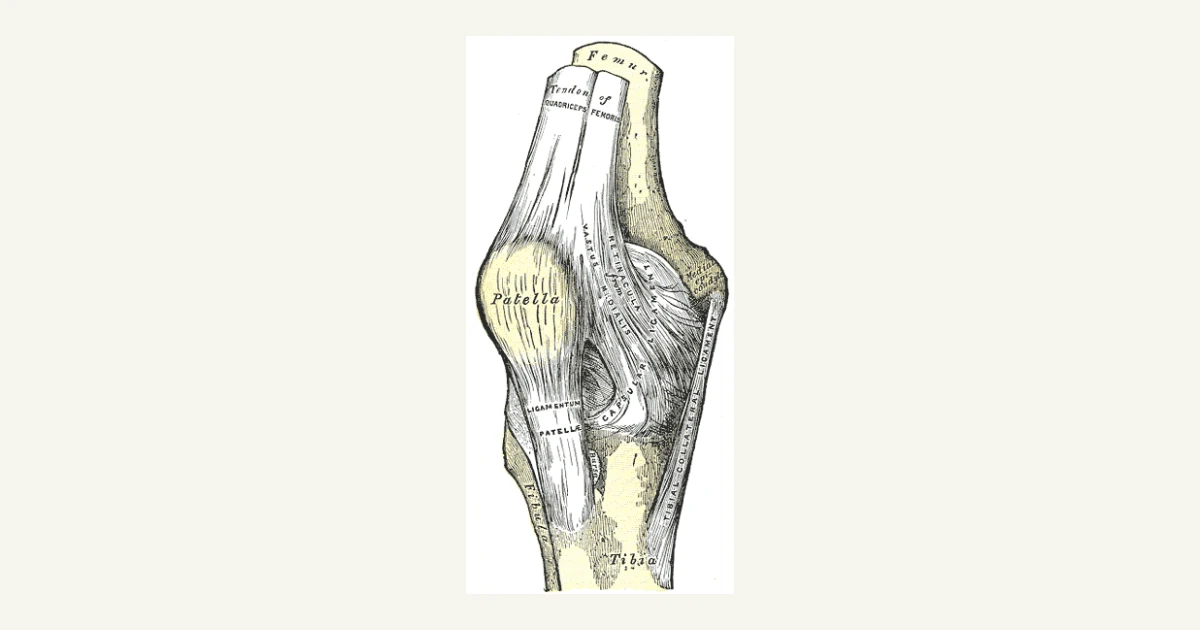
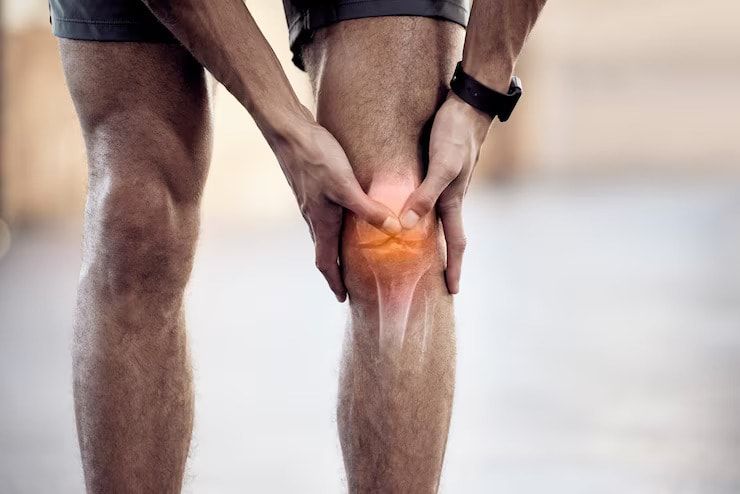
Patellar tendonitis (or tendinitis) is a common condition causing knee pain. It occurs due to inflammation of the patellar tendon, which connects your kneecap (patella) to your shinbone (tibia). This tendon plays a role in extending your knee during activities like jumping and running. If left untreated, it could lead to a tear or worse.
Who Gets Patellar Tendinitis?
Anyone can develop patellar tendinitis. Similarly, tendinitis can occur in other areas of your body, such as shoulders, elbows, and hips. Athletes who participate in sports involving repetitive jumping or running are more prone, thus the name “Jumper’s Knee.” People with tight hamstrings or weak quadriceps muscles are also at higher risk.
Truth is, there are limited treatment options for patellar tendonitis. Further research is needed to fully recommend the best treatment. However, rehabilitation programs like physiotherapy helps with the management.
What Causes Patellar Tendinitis?
Repetitive stress or overuse on the patellar tendon is a major contributor to patellar tendinitis. This can happen due to certain activities or habits. Below are some examples:
- Overtraining during workouts, especially sudden increases in intensity or duration, can overload the tendon.
- Improper jumping or running form can place undue stress on the patellar tendon.
- Tight hamstrings pull on the kneecap, indirectly affecting the patellar tendon.
- Weak quadriceps muscles make it harder to absorb shock during jumping and running, putting extra strain on the tendon.
Complications of Patellar Tendinitis
Left untreated, patellar tendinitis can lead to chronic tendinopathy, a more severe condition with damaged tendon tissue and persistent patellar tendon pain. In rare cases, the tendon may even rupture completely.
Symptoms of Patellar Tendinitis
Individual experiences may vary when dealing with a jumper’s knee. The most common symptom of patellar tendinitis is a dull ache or sharp pain just below the kneecap. It often gets worse during jumping, running uphill, or squatting. The area around the kneecap may also be tender to the touch.
Moreover, these symptoms may start as subtle and gradually worsen over time. You might initially notice a slight discomfort after a particularly intense workout, only to have it disappear with rest. However, as the inflammation progresses, the pain may become more persistent, even interfering with daily activities.
Some other signs of patellar tendonitis include:
- Stiffness in the knee, especially in the morning.
- A popping or snapping sensation in the knee.
- Weakness in the quadriceps muscles, which can affect your ability to straighten your leg completely
Seek medical advice if you suspect a patellar tendonitis from experiencing these signs. So, how is patellar tendonitis diagnosed exactly?
Diagnosis of Patellar Tendinitis
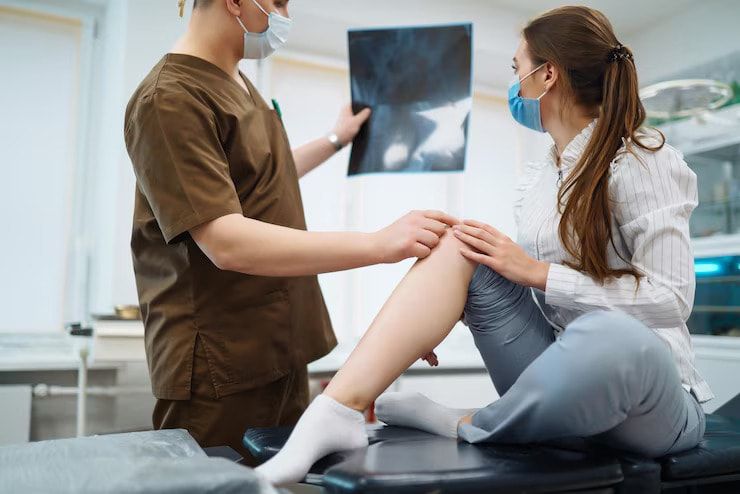
Patellar tendinitis clinical diagnosis usually involves different approaches. It usually starts with a physical exam by a doctor or sports medicine physician. You will discuss your symptoms in detail. This includes asking about your activity level, the nature of the pain (dull ache, sharp pain, etc.), and any recent injuries or activities that might have triggered the pain.
During the physical exam, your doctor will likely:
- Palpate (feel) your knee to assess tenderness and swelling around the patellar tendon.
- Test your knee joint range of motion by bending and straightening your knee.
- Perform specific tests to evaluate the strength and flexibility of your quadriceps muscles.
- In some cases, additional imaging tests might be necessary to rule out other potential causes of your knee pain. These may include:
- X-rays: Although X-rays don’t directly visualize soft tissues like tendons, they can help identify bone abnormalities or fractures that might mimic patellar tendinitis symptoms.
- Ultrasound: This painless test uses sound waves to create an image of your knee joint, allowing visualization of the patellar tendon and potential tears or inflammation.
- MRI (Magnetic Resonance Imaging): An MRI provides detailed images of your knee, including the soft tissues like the patellar tendon and surrounding structures. This can be helpful in identifying small tears or other abnormalities within the tendon.
Following a thorough evaluation, your doctor will be able to confirm a diagnosis of patellar tendinitis and recommend the most appropriate treatment plan.
What Happens During Treatment?
Patellar tendinitis is usually treatable with conservative measures and passive treatments. Here’s what you can expect when getting patellar tendonitis treated.
Medication
Pain relief and anti-inflammatory medication are a decision for your doctor or pharmacist. But this alone is not enough for tendon healing.
Physiotherapy
Treatments like physiotherapy on knee pain is a common first approach in treating and rehabilitating knee injuries, especially in Singapore. Phoenix Rehab will design a personalized treatment program, which may include:
- Soft tissue massage
- Manual therapy
- Targeted exercises
- Sports physical therapy
- Conventional electro-physiotherapeutic treatment
Surgery
In rare cases of severe patellar tendinitis or tendon rupture, surgery may be necessary for damaged tissue and tendon repair.
What You Can Do at Home
Several self-care strategies can aid your recovery alongside professional treatment:
- Rest and Support: Reduce activities that aggravate your pain and consider using a patellar strap for additional support around the knee.
- Ice: Apply an ice pack to the affected area for 15-20 minutes at a time, several times a day, to reduce inflammation.
Tips for Your Doctor’s Visit
Before seeing a doctor, here are convenient tips for a seamless visit:
- Make a list of your symptoms and how long you’ve been experiencing them.
- Write down any questions you have about patellar tendinitis and its treatment.
- Mention any medications or supplements you’re currently taking.
Recovery Timeline
Healing time for patellar tendinitis varies depending on the severity of the condition and how well you adhere to treatment. Typically, it can take anywhere around three weeks for mild cases and three months for severe ones before you can return to normal physical activity.
You may still experience some knee pain after recovery, but nothing serious that physical therapy rehabilitation can’t solve.
Preventing Patellar Tendinitis
To prevent patellar tendinitis (or its recurrence), consider these tips.
- Warm-up and Cool-down: Always warm up your muscles before exercise and cool down afterward to improve flexibility and reduce stress on your tendons.
- Gradual Progression: Increase workout intensity and duration gradually to avoid overloading your tendons.
- Strengthening Exercises: Regularly perform exercises to strengthen your quadriceps and core muscles
Other Treatment Options
While conservative treatments are usually successful, some healthcare professionals may explore other options for stubborn cases:
- Corticosteroid injections can provide powerful anti-inflammatory relief, but they should be used judiciously due to potential side effects like weakening the tendon.
- Extracorporeal Shockwave Therapy uses sound waves instead of invasive techniques to encourage healing in your tendon.
Physical Therapy Exercises
Physical therapy specializes in muscles, ligaments, tendons rehabilitation, which is applicable in managing patellar tendinopathy.
Here’s a deeper dive into the types of exercises a physiotherapist might recommend:
Isotonic Exercise
These exercises involve lengthening and shortening muscles through a full range of motion. Examples include leg presses and controlled squats. Once pain subsides, these exercises can help rebuild strength and improve function.
Eccentric Loading
This type of exercise emphasizes the lengthening (eccentric) stage of muscle contraction. Studies have shown eccentric exercises to be particularly effective in reducing pain and improving tendon health.
Isometric exercise
This involves contracting a muscle group without any movement at the joint. It can help improve pain tolerance and provide a foundation for building strength. Moreover, isometric exercise induces analgesia and inhibition in patellar tendinopathy.
When to See a Doctor
While patellar tendinitis often responds well to conservative treatment, it’s crucial to seek medical attention if you experience:
- Severe pain that interferes with daily activities
- Sudden swelling around the knee
- Inability to bend or straighten your knee
- Symptoms that persist despite several weeks of self-care
Conclusion
Patellar tendinitis can be a frustrating condition, but with progressive loading and rehabilitation, the tendon is rebuilt in stages, and return to sport is checked against strength and pain criteria. Noting the common causes, treatment options, and preventative measures can help you take control and maintain a healthy tendon.
What our patients say
Google reviews from our clinics in Singapore.



If you play volleyball, volleyball injuries lists every injury the sport causes, by body part.
Where are you with this right now?
1. It is settling on its own
Most knee pain that started with a specific moment settles over six to twelve weeks. Swelling that comes and goes with activity, and an ache after a long day, are usual in that window. If it is improving month on month and you can walk, take stairs and sleep, it is behaving normally. You do not need us for this, and we would rather say so.
2. It has stopped improving
You go down stairs one leg at a time. You have stopped squatting to pick things up. You test it before you trust it.
Pain settling is the first thing that happens, not the last. Quadriceps strength is the last thing to come back, and it does not come back on its own. That is the gap worth measuring, and it is not measured by how you feel on the day.
The Stalled Recovery Review is three appointments over three weeks with the same therapist, because what a joint does under load cannot be read in one visit. The first finds what is limiting it. The next two measure how it responds. $690, nett, no GST, which is three appointments at $230.
3. You have had surgery, or you have a date
Recovery after an operation has a shape, and knowing which stage you are in tells you whether you are on it. See the ACL Reconstruction Recovery Program, or knee physiotherapy if you are not sure which applies to you.
All of it runs on the same four stages. The Phoenix Recovery Protocol explains what each stage works on and what you have to meet to move up. No referral needed to start.
Next step
Find out which stage you are in
Pain is the first thing to leave. Movement and strength are the last things trained back, and most people stop before that part is done. One Assessment and Treatment is a single 45-minute appointment at $230, nett, no GST. Your therapist finds what is actually limiting you, treats it in the same appointment, and you leave with your current stage and a written plan.
Prefer to phone? Each of our five clinics has its own number on the clinics page. No referral needed to book.
Related reading
Where we are
Clinics across Singapore
ORCHARD
400 Orchard Road #12-12
Orchard Towers, S238875
NS22 Orchard MRT
Physiotherapy and hand therapy in Orchard →
WhatsApp 8800 1830TAMPINES
9 Tampines Grande #01-20
Asia Green, S528735
EW2DT32 Tampines MRT
Physiotherapy and hand therapy in Tampines →
WhatsApp 8780 9608SERANGOON
265 Serangoon Central Drive #04-269
S550265 · Lift C only
NE12CC13 Serangoon MRT
Physiotherapy and hand therapy in Serangoon →
WhatsApp 8892 4121TANJONG PAGAR
10 Anson Road #02-77A
International Plaza, S079903
EW15 Tanjong Pagar MRT
Physiotherapy and hand therapy in Tanjong Pagar →
WhatsApp 8227 7074JURONG EAST
2 Venture Drive #02-02
Vision Exchange, S608526
NS1EW24 Jurong East MRT
Opening 25 October 2026
Physiotherapy and hand therapy in Jurong East →
WhatsApp 8242 7340