
Written by Zita Sham, Fairuuz Saleh and Shiv Mohan Banka, Principal Physiotherapists at Phoenix Rehab.Clinically reviewed by Louise Yow, Principal Physiotherapist & Director, AHPC A1300363H.Last reviewed 28 September 2026.
Lateral knee pain affects a significant portion of the adult population and can have a substantial impact on the quality of life of those affected, leading to pain, limitations in activities, and decreased knee-related quality of life.
In this article, we aim to provide a comprehensive understanding of the causes of lateral knee pain and available treatment options to help individuals better manage and overcome the challenges associated with this condition.
How Does Lateral or Outer Knee Pain Feel Like?
Lateral knee pain is characterised by a sharp, stabbing discomfort on the outer side of the knee. It may also be accompanied by a dull ache or swelling. The pain can worsen during activities that involve bending the knee, such as walking downhill, running, or climbing stairs. Some individuals may also experience a popping sensation or a feeling of instability in the knee.
It’s also important to note that the severity of pain can vary from person to person, depending on the underlying cause and individual factors.
Risk Factors for Outer Knee Pain
While lateral knee pain can affect anyone, certain factors may increase the likelihood of experiencing this condition. Understanding these risk factors can help individuals take preventive measures and minimize the chances of experiencing lateral knee pain.
One common risk factor is engaging in repetitive activities that put strain on the knee joint, such as running, cycling, or squatting. Individuals who have a history of knee injuries, such as sprains or fractures, are also more susceptible to lateral knee pain.
Factors such as obesity, muscle imbalances, and improper footwear can also contribute to the development of this condition.
Conditions Associated With Pain On the Outer Side of the Knee
Lateral knee pain can be attributed to various underlying conditions. By recognizing these conditions that are common causes of outer knee pain, we can gain a better understanding of the root causes and seek appropriate treatment. Some common conditions associated with pain on the outer side of the knee include:
Iliotibial Band Syndrome
The iliotibial (IT) band is a thick band of tissue that runs along the outside of the thigh, connecting the hip to the shinbone. When this band becomes tight, causing friction, or inflamed, it can cause lateral knee pain. IT band syndrome is often seen in runners and cyclists due to the repetitive nature of their activities.
Lateral Meniscus Tear
The lateral meniscus is a C-shaped piece of cartilage located on the outer edge of the knee joint. A tear in this structure can result from various activities or injuries, leading to lateral knee pain and potential functional impairment.
Lateral Collateral Ligament Knee Injury
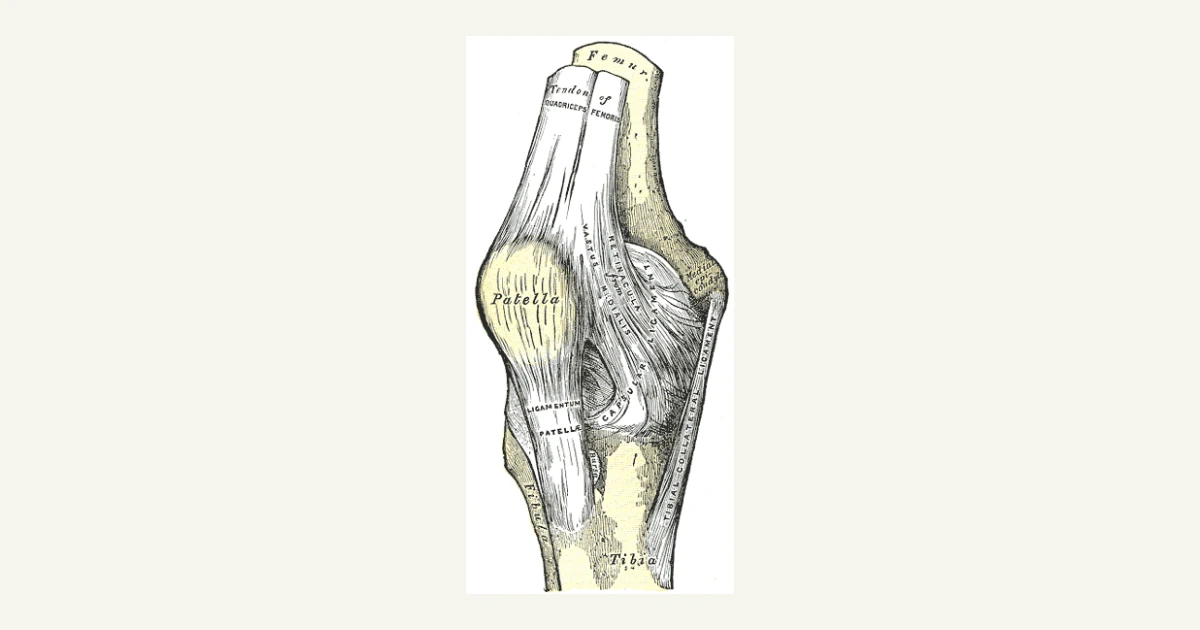
The lateral collateral ligament (LCL) is a band of tissue that provides stability to the outer side of the knee joint. An injury to the LCL can result in lateral knee pain, swelling, and difficulty with weight-bearing activities.
Knee Osteoarthritis
Osteoarthritis is a degenerative joint disease that can affect any joint in the body, including the knee. When osteoarthritis affects the lateral compartment of the knee joint, it can lead to lateral knee pain. This condition is more common in older individuals and is characterised by joint stiffness, swelling, and reduced range of motion.
Lateral Tibial Plateau Fracture
A lateral tibial plateau fracture is a break in the upper surface of the shinbone that affects the outer side of the knee joint. This type of fracture can cause significant pain, swelling, and difficulty with weight-bearing activities. After one has been fixed, or while you are in a brace, the tibial plateau fracture recovery program sets out what usually happens week by week.
Knee Contusion or Bruised Knee
A knee contusion, commonly known as a bruised knee, occurs when the soft tissues around the knee are injured due to a direct blow or impact. This can result in localised pain, swelling, and discolouration on the outer side of the knee.
Peroneal Nerve Injury
The peroneal nerve runs along the outer side of the knee and is responsible for controlling certain muscles in the lower leg. An injury or compression of this nerve can lead to lateral knee pain, weakness, and numbness. Treatment for peroneal nerve injuries may involve physical therapy, bracing, and in some cases, surgery.
Slipped Capital Femoral Epiphysis
Slipped capital femoral epiphysis (SCFE) is a condition that primarily affects adolescents, where the thighbone slips off the hip joint. Although the main symptom is hip pain, SCFE can also cause referred pain to the outer side of the knee. Treatment for SCFE usually involves surgical intervention to improve stability and to make sure that the thigh bone no longer slips off the hip joint.
When to See a Doctor
If you are experiencing persistent lateral knee pain that interferes with your daily activities or if the pain is accompanied by other concerning symptoms such as fever, severe swelling, or inability to bear weight, it is important to seek medical attention. A healthcare professional can evaluate your condition, diagnose the underlying cause, and recommend appropriate treatment options. Early intervention can help prevent further damage and improve the chances of a successful recovery.
Diagnosing Your Lateral Knee Pain
To determine the cause of your lateral knee pain, a healthcare professional will conduct a thorough evaluation, which may include a physical examination and medical history review. In some cases, laboratory tests like blood tests and imaging tests such as X-rays, MRI scans, or ultrasound imaging may also be requested by the physician to better understand the underlying cause of the patient’s pain on the outside part of the knee.
Treatment Options for Lateral Knee Pain
The lateral or outer knee pain treatment depend on the underlying cause and severity of the condition. In most cases, a conservative approach is initially recommended, and if necessary, more invasive interventions may be considered. Some common treatment options for lateral knee pain include:
“POLICE and HARM” Procedures
The “POLICE” (Protection, Optimal Loading, Ice, Compression, Elevation) and “HARM” (Heat, Alcohol, Running, Massage) procedures are commonly used to manage acute injuries and reduce pain and swelling. These procedures involve protecting the injured knee, optimizing loading through controlled exercises, applying ice or heat, using compression techniques, and elevating the leg when resting.
Anti-Inflammatory Medications
Pain relief and anti-inflammatory medication are a decision for your doctor or pharmacist. These medications can provide temporary relief and support the healing process.
However, these over-the-counter drugs must not be relied on solely for knee pain relief, and it’s important to complement these with other treatment options or consult a healthcare professional especially in instances of persistent, severe pain.
Corticosteroid Injections
For individuals with severe or chronic lateral knee pain, corticosteroid injections may be considered.
For example, administering corticosteroid injections must already be considered in patients with iliotibial band syndrome with persistent swelling and pain in ambulation that don’t go away three days after conservative treatment.
Physiotherapy
Knee physiotherapy in Singapore offers a comprehensive approach to managing lateral knee pain, addressing both the symptoms and underlying causes through a combination of manual techniques, therapeutic exercises, and patient education.
It’s also important to note that physiotherapy aims to not only alleviate current pain but also prevent future occurrences by addressing biomechanical issues and muscle imbalances. Physiotherapists in Phoenix Rehab, for instance, aim for improved muscle strength, flexibility, and joint stability, which can contribute to long-term pain relief and enhanced function.
Surgery
In some cases, surgical intervention may be necessary to address the underlying cause of lateral knee pain. The specific surgical procedure will depend on the diagnosed condition, such as meniscal repair, ligament reconstruction, or joint replacement. Surgical treatment is typically reserved for cases where conservative measures have failed or when there is significant damage to the knee joint.
Final Words
Lateral knee pain can significantly impact our daily lives and hinder our ability to engage in physical activities. By understanding the causes and treatment options for this condition, we can take proactive steps towards managing and alleviating the pain.
Remember, early intervention and seeking medical advice are essential for an accurate diagnosis and effective treatment. So, if you are experiencing lateral knee pain, do not hesitate to consult a healthcare professional who can guide you towards a path of recovery and improved knee health.
Where are you with this right now?
1. It is settling on its own
Most knee pain that started with a specific moment settles over six to twelve weeks. Swelling that comes and goes with activity, and an ache after a long day, are usual in that window. If it is improving month on month and you can walk, take stairs and sleep, it is behaving normally. You do not need us for this, and we would rather say so.
What our patients say
Google reviews from our clinics in Singapore.


2. It has stopped improving
You go down stairs one leg at a time. You have stopped squatting to pick things up. You test it before you trust it.
Pain settling is the first thing that happens, not the last. Quadriceps strength is the last thing to come back, and it does not come back on its own. That is the gap worth measuring, and it is not measured by how you feel on the day.
The Stalled Recovery Review is three appointments over three weeks with the same therapist, because what a joint does under load cannot be read in one visit. The first finds what is limiting it. The next two measure how it responds. $690, nett, no GST, which is three appointments at $230.
3. You have had surgery, or you have a date
Recovery after an operation has a shape, and knowing which stage you are in tells you whether you are on it. See the ACL Reconstruction Recovery Program, or knee physiotherapy if you are not sure which applies to you.
All of it runs on the same four stages. The Phoenix Recovery Protocol explains what each stage works on and what you have to meet to move up. No referral needed to start.
Next step
Find out which stage you are in
Pain is the first thing to leave. Movement and strength are the last things trained back, and most people stop before that part is done. One Assessment and Treatment is a single 45-minute appointment at $230, nett, no GST. Your therapist finds what is actually limiting you, treats it in the same appointment, and you leave with your current stage and a written plan.
Prefer to phone? Each of our five clinics has its own number on the clinics page. No referral needed to book.
Related reading
Where we are
Clinics across Singapore
ORCHARD
400 Orchard Road #12-12
Orchard Towers, S238875
NS22 Orchard MRT
Physiotherapy and hand therapy in Orchard →
WhatsApp 8800 1830TAMPINES
9 Tampines Grande #01-20
Asia Green, S528735
EW2DT32 Tampines MRT
Physiotherapy and hand therapy in Tampines →
WhatsApp 8780 9608SERANGOON
265 Serangoon Central Drive #04-269
S550265 · Lift C only
NE12CC13 Serangoon MRT
Physiotherapy and hand therapy in Serangoon →
WhatsApp 8892 4121TANJONG PAGAR
10 Anson Road #02-77A
International Plaza, S079903
EW15 Tanjong Pagar MRT
Physiotherapy and hand therapy in Tanjong Pagar →
WhatsApp 8227 7074JURONG EAST
2 Venture Drive #02-02
Vision Exchange, S608526
NS1EW24 Jurong East MRT
Opening 20 October 2026
Physiotherapy and hand therapy in Jurong East →
WhatsApp 8242 7340