
Written by Zita Sham, Fairuuz Saleh and Shiv Mohan Banka, Principal Physiotherapists at Phoenix Rehab.Clinically reviewed by Louise Yow, Principal Physiotherapist & Director, AHPC A1300363H.Last reviewed 8 October 2026.
There is a decent chance you typed pain lower back into your phone after 11pm, trying to find a position that did not make it bark at you. Half the results said slipped disc. Half said weak core. One said cancer. You put the phone down feeling worse than before.
Here is what nobody tells you on page one. Lower back pain is not one condition. It is a symptom, and at least five different things in your back can cause it. Some ease when you bend forward and hurt when you lean back. Some do the exact opposite. Do the wrong stretches for three weeks and you will feel worse, then decide nothing works.
Our physios at Phoenix Rehab see this every day, in people who run, lift, sit for nine hours, stand behind a counter, or carry a toddler on one hip. Most arrive convinced they have wrecked something permanently. Most have not. But most have spent two months doing the wrong thing, and that part is fixable.
What lower back pain actually is
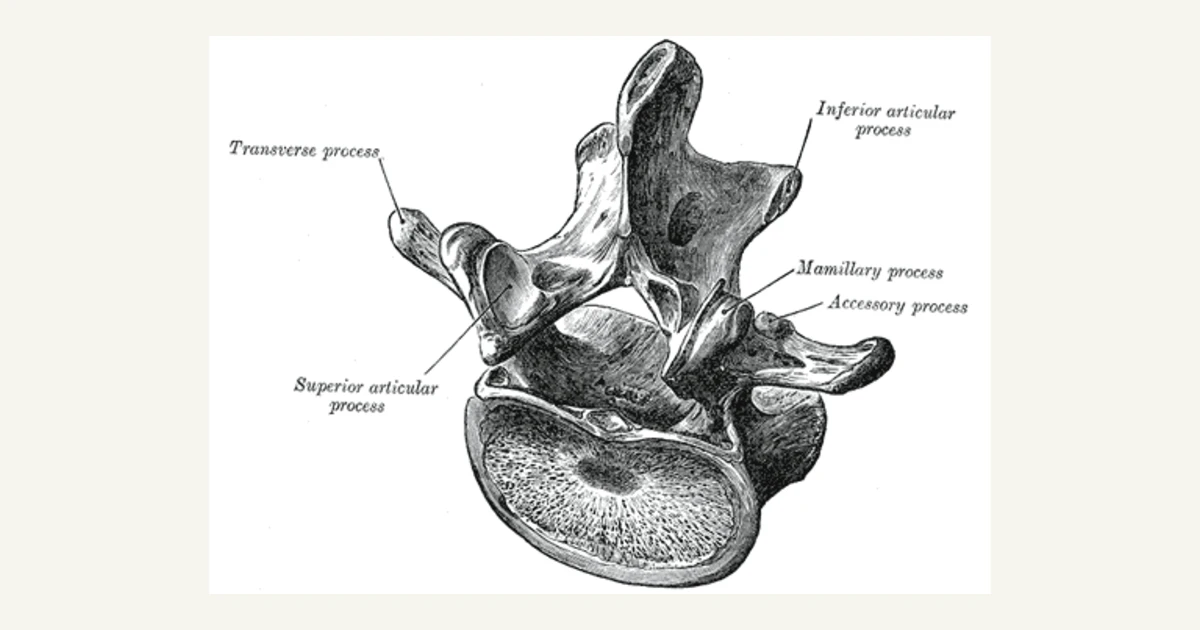
Your lower back is five bones stacked on each other, the lumbar spine. Between each pair sits a disc, a tough ring of fiber with a soft gel centre. Think of it as a shock absorber that also lets you bend. At the back of each pair sit two small joints, called facet joints. They are about the size of a fingertip, and they take load when you lean back or twist.
Around all of it run the muscles, the ligaments, and the nerves that travel down into your legs. Pain happens when one of those gets irritated, overloaded or compressed. Which one it is decides what your pain does when you move, and that is the whole basis of working out what you have.
How to tell which kind of back pain you have
Look for the one that sounds like your week. Not your worst hour. Your week.
1. Movement-related back pain
The most common by a wide margin. Muscles, ligaments and joints together, rather than one villain.
- Starts after a heavy lift, a long flight, a weekend of badminton, or nothing obvious
- Sits across the low back, often both sides. Stiff and achy rather than sharp
- Worse holding any position too long, worse late in the day, easier overnight
- No strong pain past the knee, no pins and needles in the foot
2. Facet joint irritation
Those two small joints at the back of each level. The pattern people most often get wrong, because it behaves almost opposite to disc pain.
- Usually one side, low down, just off the middle. You can often point to it with one finger
- Worse leaning backwards, worse twisting towards that side
- Worse standing still. Queuing is miserable, and strolling round a mall is worse than walking briskly
- Better sitting, better bending forward, better slouched in the car
- Stiff in the morning, loosening after twenty minutes of moving, creeping back late afternoon
If you have been reading about discs and none of it matched, this is the one to look at.
3. Disc-related pain
The shock absorber between two bones gets irritated, or bulges out of shape and presses on sensitive tissue. The mirror image of facet pain.
- Worse sitting, worse long drives, worse bending forward to brush your teeth or put on socks
- Getting out of a low sofa leaves you hobbling a few steps before you straighten up
- Often worst first thing, because the disc takes on fluid overnight and is at its fullest
- Coughing or sneezing can send a jolt through it
- Better standing and walking, better leaning gently backwards
Facet backs like to sit and bend. Disc backs like to stand and straighten.
4. Nerve-related pain with leg symptoms
A nerve root, where the nerve exits the spine, gets compressed or inflamed. People call it sciatica, and the leg becomes the main event.
- Pain runs in a line, buttock to back of thigh to calf, sometimes into the foot
- Sharp, burning, electric, or a deep toothache rather than an ache
- Pins and needles, numbness, or a patch of skin that feels dulled
If your leg pain is now worse than your back pain, get it assessed sooner rather than later. Most nerve irritation still settles without surgery. We watch this group more closely because weakness in a leg is a different conversation from pain in a leg.
5. The rarer serious causes
A small minority of back pain is not mechanical at all. Infection, inflammatory conditions of the spine, fracture, or a problem elsewhere sending pain to the back. These are uncommon, and do not behave like the four above. Pain that does not change with position. Pain that wakes you in the small hours and stays however you lie. Fever, weight loss without trying, or morning stiffness lasting over an hour that eases with exercise rather than rest.
What causes it
Backs are not fragile. What they hate is doing the same thing for hours, then suddenly doing something completely different at full intensity. Singapore is very good at producing exactly that.
The commute, the desk and the sofa. An hour each way on the MRT or in traffic, nine hours in a chair, then two hours in a deep sofa that drops your hips below your knees. Hip flexors shorten. Glutes switch off. The back does work the hips should do.
Lifting toddlers. Twelve to fifteen kilos, wriggling, always on the same hip, usually when you are already tired. It is not one lift. It is four thousand.
Weekend sport after five sedentary days. Saturday football, a 10k, or two hours of badminton, done by a body still since Monday. Badminton loads the back in extension and rotation, exactly what irritated facet joints hate.
Standing work. Retail, hawker stalls, F&B, nursing, teaching. Eight hours on hard floors with very little actual walking. Standing still for long stretches is one of the most reliable ways to irritate facet joints, which is why people in these jobs feel worse at work and better on the way home.
None of these are failings. They are load, applied in the same direction, over and over, without enough strength underneath it.
When you need to get this looked at
Most back pain needs neither imaging nor a specialist. Some does. The list below needs a doctor promptly, not a physiotherapy appointment next week.
See a doctor, or go to an emergency department, if you have:
- Loss of control of your bladder or bowels, or being unable to pass urine
- Numbness in the saddle area, meaning the inner thighs, buttocks and the area between your legs
- Weakness in a leg that is getting worse, such as a foot starting to drag or a leg giving way
- Numbness or weakness in both legs
- Unexplained weight loss, fever, or feeling generally unwell alongside the pain
- Severe pain at night that does not change no matter how you lie
- Back pain after a significant fall, a road accident, or any real trauma
- A history of cancer, and new back pain
- Known osteoporosis or long-term steroid use, with new back pain after a minor strain
Now the trajectory rule. The signal is not that your back hurts. The signal is that it is not improving.
Most episodes settle substantially within a few weeks. Not perfectly. Substantially. Week two should look better than week one, week four better than week two. Draw a line through it and the line should head down.
If six weeks have passed and the line is flat, that is the moment to act. A flat line usually means a driver nobody has addressed, and it rarely finds itself. Three episodes in a year is a pattern, not bad luck.
What happens if you leave it
Most single episodes settle on their own. If you had one bad week after moving house and you are already 70 percent better, you probably do not need us.
The problem is the ones that do not settle. When pain drags past a couple of months, you move less and get weaker, particularly in the hips and deep trunk muscles. You avoid positions, so your back stiffens in the directions it needs most. Sleep gets patchy, and poor sleep makes pain worse.
The back itself rarely deteriorates. The system around it does. That is what makes long-standing back pain harder to shift than fresh back pain. Not a worse injury, but months of guarding and deconditioning to undo as well. Both are among the most reversible things in medicine.
Five things people get told about backs that are not true
“It must be a disc.” Most lower back pain is not disc pain. Facet joints, muscles, ligaments and simple overload account for far more of it. Disc is the word everybody knows, so it becomes the default explanation.
“My spine is fragile now.” Your spine is one of the strongest structures you own, built to bend, load and twist. Treating it like glass produces stiffness and weakness, and those keep pain around.
“I should rest until it settles.” Bed rest was standard advice decades ago and it turned out to make people worse. Gentle movement in the first few days beats lying still. You do not have to push through pain, but you do have to keep moving.
“The scan explains my pain.” Sometimes it does. Often it does not. Scans of people with no back pain at all routinely show disc bulges and wear, and those people feel fine. The same is true of the neck. Ordering a scan is good practice. What the report says still has to be matched against how your back behaves, and that matching is the work.
“Degeneration means my back is wearing out.” Degenerative change on a report is closer to grey hair than to damage. It is what spines look like after a few decades of use, and it shows up in people who have never had a day of back pain. It describes your age, not your future.
How it gets treated
Keep moving and modify, do not stop. For the first week or two, most people do better staying gently active than resting. Short walks. Changing position often. Working where you can, with sensible adjustments. Heat helps muscle guarding, ice suits others, and either is fine if it buys an hour of comfort.
Physiotherapy. This is where the sorting happens, and it starts with an assessment rather than a treatment.
Mechanically, what a physio does for back pain is three things. First, work out which structure is driving it, by loading your spine in different directions and watching what your symptoms do. That is how five patterns narrow to one. Second, find the load feeding it, usually something you do for hours rather than something you did once. Third, build what is missing, almost always some mix of hip strength, trunk control, and tolerance to the position that hurts.
Hands-on work has a place. Joint mobilization and soft tissue work can drop pain enough that you can do the exercise that actually changes things.
Medication and injections. Your doctor may prescribe anti-inflammatories or short courses of pain relief so you can move more comfortably. For stubborn facet or nerve pain, a specialist may suggest an injection, placing medication around the irritated joint or nerve. Those decisions belong to your doctor. An injection works best as a window for rehabilitation, not the whole plan.
Surgery. A genuinely small minority of back pain needs an operation, usually for nerve compression with progressive weakness. If your surgeon recommends it, they will have good reasons. Our job is the recovery afterwards (see physiotherapy after spine surgery), and getting you strong beforehand where there is time.
If you want to talk it through before committing to anything, WhatsApp us on 8336 6009 and ask.
Stretches and what to do at home
Search stretches to lower back pain and you will get a hundred confident videos, none of which have looked at your back. That is the problem with generic stretching. The same stretch helps one person and flares another, depending on which pattern they have.
So first, work out which way your back likes to move. Stand up and gently lean backwards a few times. Then sit and round forward towards your feet a few times. Do not force either. Ask which left you looser, and which left you more irritated, straight away or in the next hour.
If bending forward helps and leaning back hurts, your back prefers flexion. Prioritise knees to chest, child’s pose and hip work, and go easy on the prone press up. If leaning back helps and bending forward hurts, your back prefers extension. Prioritise the press up, and go easy on deep forward folds and hamstring stretching early on. If neither is clearly better, stick to gentle mobility until someone has assessed you.
These are general movements, not a prescription. If any of them increases pain in your leg, or brings new numbness or pins and needles, stop and get assessed.
Knees to chest. Lie on your back. Bring one knee, then both, gently towards your chest. Hold 20 to 30 seconds, 3 repetitions. Good for morning stiffness.
Lower trunk rotation. Lie on your back, knees bent, feet flat. Let both knees drop slowly to one side, shoulders staying down. Hold 5 seconds, alternate, 10 each side.
Cat cow. On hands and knees, slowly round your back up, then let it sag down. Move through the range rather than holding the ends. 10 slow cycles, best in the morning.
Child’s pose. Kneel, sit back towards your heels, walk your hands forward. Hold 30 seconds, 3 repetitions. Flexion-preference backs love this. Extension-preference backs may not, so judge by how you feel an hour later.
Half kneeling hip flexor stretch. Kneel on one knee, other foot in front. Squeeze the buttock on the kneeling side, then shift your weight forward without arching your low back. Hold 30 seconds, 3 each side. Underrated for desk workers, because tight hip flexors pull the low back into extension all day.
Piriformis stretch. Lie on your back, cross one ankle over the opposite knee, draw the bottom thigh towards you. Hold 30 seconds, 3 each side. If it reproduces shooting pain down the leg, back off.
Hamstring stretch. Lie on your back, loop a towel around one foot, raise the leg with a slight knee bend until you feel a stretch behind the thigh. Hold 30 seconds, 3 each side. Keep it gentle if you have nerve symptoms. Pulling on an irritated nerve is not stretching, it is provoking.
Prone press up, with a real caveat. Lie face down, hands under shoulders. Press your chest up while keeping your hips on the floor, only as far as is comfortable. 10 repetitions, held 2 seconds. The classic movement for disc-pattern backs that hate bending, and the one most likely to flare facet pain. If it increases your pain, stop. That is information, not failure.
The part that matters more than any of it. Stretching buys short-term relief. Strength and walking create change. Ten to twenty minutes of walking most days, plus two workouts a week of hip and trunk strengthening, will do more over three months than any stretching routine. Glute bridges, sit to stands, dead bugs, side planks, loaded carries, progressed when the current level stops being hard.
What recovery actually looks like
The first week or two. The goal is not to fix it. It is to keep moving, sleep as well as you can, and stop the pain setting the terms.
What our patients say
Google reviews from our clinics in Singapore.


Weeks two to six. For most people pain settles substantially, and positions that were impossible become merely annoying. The right directional work matters most here, and the wrong one costs time.
Weeks six to twelve. Rebuilding. Strength, load tolerance, getting back to sport in a graded way. Many people feel fine here and stop, which is how recurrence gets booked in for six months later.
Beyond twelve weeks. Some people take longer, and that is not a verdict. Recovery is slower when pain has been there a long time before anything was done about it, when there are leg symptoms, when sleep is poor, or when the daily load that caused it has not changed. Anyone promising you a number is guessing.
Getting assessed at Phoenix Rehab
The first appointment is mostly conversation and movement testing. Our physios will ask what your pain does across a normal day, which tells them more than a pain score does. When it is worst. What you are avoiding. What gives relief. Then they load your spine in each direction and watch what changes.
By the end you should be able to say, in plain words, what is most likely driving this, which direction your back prefers, and what the first two weeks look like. If anything suggests you need a doctor’s opinion or imaging first, we will say so and help you get there. Louise leads much of our back and neck work, and that referral conversation is a normal part of the job.
You can see us at Orchard, Tampines, Serangoon or Tanjong Pagar, with Jurong East opening on 25 October 2026.
Frequently asked questions
Why does my lower back hurt more when I stand and walk, but feel better when I sit down?
That points towards the facet joints, the small joints at the back of your spine. They take more load when you are upright and unload when you sit or bend forward. It is the opposite of the classic disc pattern, and it usually responds well to hip mobility work, trunk strengthening, and changing how long you stand still.
Which stretches to lower back pain relief actually work?
It depends which direction your back prefers. If bending forward eases it, start with knees to chest, lower trunk rotation and child’s pose. If leaning back eases it, start with the prone press up. Hold each 20 to 30 seconds, 3 repetitions, once or twice daily. If a stretch leaves you worse over the next hour, it is not for you.
Do I need an MRI for my lower back pain?
Usually not, at least not early. Most back pain settles without imaging, and scans of pain-free people commonly show bulges and wear that mean little on their own. Your doctor may order one if there are red flag symptoms, progressive leg weakness, or pain that is not improving.
Is it safe to keep exercising with lower back pain?
For most people, yes, with sensible modification. Walking, swimming and gentle strength work usually help. Reduce the weight, reduce the range, avoid the movement that reproduces sharp pain, and keep everything else. Stopping all activity makes backs stiffer and weaker, and that is the combination that keeps pain around.
How long should lower back pain last before I see someone?
If it is improving week on week, give it time. If two to three weeks have passed with no clear improvement, or six weeks have passed and you are managing it rather than recovering, book an assessment. Come sooner if your leg pain is worse than your back pain, or if there is any weakness.
How do I know whether this is a slipped disc?
Disc-related pain hates sitting, bending forward and getting out of a car, and often feels worst first thing. It may send pain, pins and needles or numbness down the leg. If your pain is one-sided, worse standing and better sitting, a disc is less likely. Our physios can usually narrow this down in one assessment without a scan.
The bigger picture
You are not trying to get through today. You are trying to still be the person who carries their own luggage, gets down on the floor with a grandchild, stands through a full shift, and picks a bag off the ground without thinking about it, twenty years from now.
Backs get looked after by being used well, not by being protected. The people who do best did not find a magic stretch. They found what was driving it, built the strength underneath, and got on with their lives.
If your back has been at you for more than a few weeks and it is not clearly improving, get it assessed. WhatsApp us on 8336 6009. Tell us what it does across a normal day, and we will tell you what we think is going on and what the first two weeks should look like.
If you drive for a living or ride for deliveries, driver and rider injuries covers the back, neck and wrist problems from the shift. If you work in construction or a trade, construction worker injuries lists the injuries we see from the work.
If you have been told your core is the problem, read what core strengthening exercises can and cannot do for back pain first.
Also on this site: the page on lower back pain when bending covers the causes and what to change, the page on lower back pain when walking covers the causes and what to check, and the page on clinical Pilates covers how it is used in rehabilitation. If your back started hurting in a Pilates class, the Pilates injuries guide covers the roll-ups and reformer work that load it.
Where are you with this right now?
1. It is settling on its own
Most episodes of back pain settle substantially within six weeks, and staying active beats resting. Scans early on tend to find changes that are common in people with no pain at all. If it is easing week on week and you are moving more rather than less, that is the normal course. You do not need us for this, and we would rather say so.
2. It has stopped improving
You think about how you will get out of the car before you park. You brace before you sneeze. You have stopped lifting anything off the floor without planning it.
The pain leaving is not the same as the capacity coming back. If nothing was loaded again, the back returns to daily life with less than it had. That is the gap worth measuring, and it is not measured by how you feel on the day.
The Stalled Recovery Review is three appointments over three weeks with the same therapist, because what a joint does under load cannot be read in one visit. The first finds what is limiting it. The next two measure how it responds. $690, nett, no GST, which is three appointments at $230.
3. You have had surgery, or you have a date
Recovery after an operation has a shape, and knowing which stage you are in tells you whether you are on it. See the recovery programs, or lower back physiotherapy if you are not sure which applies to you.
All of it runs on the same four stages. The Phoenix Recovery Protocol explains what each stage works on and what you have to meet to move up. No referral needed to start.
Next step
Find out which stage you are in
Pain is the first thing to leave. Movement and strength are the last things trained back, and most people stop before that part is done. One Assessment and Treatment is a single 45-minute appointment at $230, nett, no GST. Your therapist finds what is actually limiting you, treats it in the same appointment, and you leave with your current stage and a written plan.
Prefer to phone? Each of our five clinics has its own number on the clinics page. No referral needed to book.
Related reading
- physiotherapy after surgery
- lower back physiotherapy
- Cervical Herniated Disc Relief: Understanding Causes and Treatments
- Slipped Disc Sleeping Position: Tips for Resting Comfortably
- Managing Back Pain After Running: Tips for Recovery and Prevention
- The Phoenix Recovery Protocol, and the four stages
- All recovery programs, hand and physio
- Spondylolysis in young athletes
Where we are
Clinics across Singapore
ORCHARD
400 Orchard Road #12-12
Orchard Towers, S238875
NS22 Orchard MRT
Physiotherapy and hand therapy in Orchard →
WhatsApp 8800 1830TAMPINES
9 Tampines Grande #01-20
Asia Green, S528735
EW2DT32 Tampines MRT
Physiotherapy and hand therapy in Tampines →
WhatsApp 8780 9608SERANGOON
265 Serangoon Central Drive #04-269
S550265 · Lift C only
NE12CC13 Serangoon MRT
Physiotherapy and hand therapy in Serangoon →
WhatsApp 8892 4121TANJONG PAGAR
10 Anson Road #02-77A
International Plaza, S079903
EW15 Tanjong Pagar MRT
Physiotherapy and hand therapy in Tanjong Pagar →
WhatsApp 8227 7074JURONG EAST
2 Venture Drive #02-02
Vision Exchange, S608526
NS1EW24 Jurong East MRT
Opening 25 October 2026
Physiotherapy and hand therapy in Jurong East →
WhatsApp 8242 7340