
Physiotherapy after surgery · Singapore
Lumbar Microdiscectomy Recovery Program
Written by Zita Sham, Fairuuz Saleh and Shiv Mohan Banka, Principal Physiotherapists at Phoenix Rehab.Clinically reviewed by Louise Yow, Principal Physiotherapist & Director, AHPC A1300363H.Last reviewed 17 October 2026.
The operation takes the pressure off the nerve in under an hour. It does not train the back that let the disc go in the first place.
A microdiscectomy removes the fragment of disc pressing on a nerve root. Leg pain often improves immediately. What happens over the following three months decides whether the back holds. This program is run by our physiotherapy team.
No referral needed. Every first visit is one 45-minute Assessment & Treatment, $230, nett, no GST. Bring your operation note or scan report.
After spine surgery
Physiotherapy after spine surgery
Physiotherapy after spine surgery runs in stages: walking from the first days, hip and trunk range next, then strength and endurance once your surgeon lifts the early restrictions, then lifting, long days at the desk and sport. After a lumbar microdiscectomy that usually takes about 12 weeks; after a fusion, longer. Each appointment is 45 minutes, one to one, $230 nett.
This program is written around a lumbar microdiscectomy. The same four stages run after other spine operations, with different restrictions:
- Laminectomy or laminotomy (decompression). Usually a similar early pace to a microdiscectomy. Your surgeon may hold bending and lifting a little longer where more bone was removed.
- Spinal fusion. Slower. The bone takes three months or more to fuse, so bending, lifting and twisting are restricted for longer, and Stage 3 loading usually waits until your surgeon has reviewed the X-ray.
- Neck surgery. After an anterior cervical discectomy and fusion (ACDF) or a disc replacement, the same stages are applied to the neck and shoulder girdle, inside the collar and lifting limits your surgeon sets.
Bring your operation note. It names the level and the procedure, and that decides which restrictions apply.
Where are you right now?
Four situations we see
- Surgery is booked and you want to know what the first six weeks look like. Mostly walking, position sense and load management, and less lying down than people expect.
- You are in the first fortnight. Wound, walking distance and sitting tolerance, in that order. Bending, lifting and twisting restrictions come from your surgeon and they differ.
- The leg pain went and the back ache stayed. Extremely common and it is a different problem from the one that was operated on.
- The leg pain has come back. That belongs with your surgeon before it belongs with a therapist, particularly if it is new numbness or weakness.
What the operation did and did not do
Decompressing a nerve is not the same as rehabilitating a spine
The nerve root was compressed, the fragment was removed, and the compression is gone. That is the whole of what the operation was for and it usually does that job well. What it does not touch is the reason the disc was loaded the way it was. The deep trunk muscles have typically switched down, hip and hamstring range has usually shortened, and the pattern of bending through the back rather than the hips is still there afterwards.
This matters because the recurrence rate after discectomy is not trivial, and reherniation happens most often in the first months. The single practical thing that protects the segment in that window is load sharing, which means hips that move, a trunk that braces, and a way of lifting that does not put the whole demand through one level.
New or worsening leg weakness, numbness around the saddle area, or a change in bladder or bowel control after this surgery is an emergency department today. That advice applies whoever you see for rehabilitation.
Usually expected, and what is not
Is this normal after a microdiscectomy?
The first six weeks are more variable than most operations, and this list is the common version.
Usually expected
- Leg pain gone or much reduced immediately, with back soreness at the wound for two to three weeks.
- Pins and needles or a patch of numbness in the leg that fades over weeks to months.
- Sitting being the least comfortable position for the first few weeks.
- Fatigue out of proportion to the size of the operation.
Contact your surgeon or doctor
- New or increasing weakness in the leg or foot.
- Numbness around the groin or saddle area, or any change in bladder or bowel control. Emergency department now.
- Wound discharge, spreading redness or fever.
- A sudden return of the original leg pain, particularly after a bend or a lift.
If you have sudden severe pain with a leg or foot that is cold, white or losing sensation, or you are unwell with fever and a hot swollen wound, that is an emergency department today, not a therapy appointment.
If it is not going to plan
Three months on and you still cannot sit through a meeting
Sitting tolerance is the one people quietly organize their life around. Meetings taken standing, the aisle seat, the drive broken into two. It is rarely the disc at that point and it is usually hip range, trunk endurance and a chair that has never been looked at.
Endurance is measurable. So is hip flexion, hamstring length and how long you can hold a neutral trunk position before it gives. Until those are numbers, sitting badly is a habit rather than a finding.
The Stalled Recovery Review is three appointments over three weeks with the same therapist, because what tissue does under graded work cannot be read in one visit. $690, nett, no GST.
The shape of it
What happens, week by week
Most people are walking the same day or the day after a lumbar microdiscectomy. The weeks below are the common shape after a single-level operation. The restrictions your surgeon set take precedence.
- Weeks 0 to 2Stage 1 · Calm & ProtectWalking several times a day and building the distance daily. Short spells of sitting, the wound kept clean and dry, and the bending, lifting and twisting limits your surgeon set followed exactly.
- Weeks 2 to 6Stage 2 · Move & MobilizeHip and mid-back range, nerve mobility if the leg still refers, and trunk control. Desk work often resumes in this window.
- Weeks 6 to 12Stage 3 · Rebuild & StrengthenHip hinge, trunk endurance and loading through the legs, built up once your surgeon lifts the early restrictions.
- Week 12 onwardsStage 4 · Return & PerformLifting, sport and long days at the desk, tested rather than assumed.
The weeks are typical ranges, not a promise. You move up a stage when you meet its criteria, and your surgeon’s protocol takes precedence over anything on this page.
The program
The four stages, and what moves you up
- Stage 1, Calm & Protect. Walking built up daily, wound settled, sitting tolerance extended in small increments, and the restrictions your surgeon set followed exactly.
Move up when: you can walk for about 30 minutes and sit for about 30 minutes without the leg pain returning, the wound has healed, and your surgeon has lifted the early restrictions. - Stage 2, Move & Mobilize. Hip and thoracic range, nerve mobility where the leg still refers, and the basics of bracing. Criteria to move up are walking distance, sitting tolerance and hip range, recorded.
Move up when: hip range is recorded and close to the other side, walking and sitting tolerance keep rising, and nerve mobility work does not bring the leg symptoms back the next day. - Stage 3, Rebuild & Strengthen. Hip hinge patterning, trunk endurance, and loading through the legs. This is the stage that actually reduces the chance of a repeat.
Move up when: trunk endurance holds are timed and improving, and loaded hinging does not bring back leg pain. - Stage 4, Return & Perform. Your actual lifting, your actual desk, your actual sport. Tested rather than assumed.
Graduate when: the lifting, sitting and sport you need have been tested, and trunk endurance is recorded against where it started.
Measured at your first appointment and again at graduation: a back function questionnaire, leg pain on a 0 to 10 scale, and a timed back muscle endurance test once your surgeon allows it.
Logistics
When can I…
Your surgeon decides, based on healing and what your job demands. These are typical points, not permissions.
| Activity | Typical point | What has to be true first |
|---|---|---|
| Walking | From the first day | Short walks, often, and building up each day. |
| Desk work | 2 to 4 weeks | You can sit for 30 to 45 minutes, with breaks to stand and walk. |
| Driving | 2 to 4 weeks | Off strong painkillers, and able to turn and brake hard. Your surgeon agrees, and check your insurer. |
| Lifting, housework | 6 weeks or later | Your surgeon clears it, lifting close to the body and building up. |
| Gym, running, sport | 6 to 12 weeks | Stage 4 criteria met, and your surgeon’s clearance. |
| IPPT (sit-ups, push-ups, 2.4 km run) | Around 3 months or later. Sit-ups usually come last | Walking and running without leg symptoms, trunk strength tested, and your surgeon’s go-ahead. Your unit’s medical officer decides your medical status and when you take IPPT. |
| Medical certificate | Your doctor issues it | Physiotherapists do not issue MCs. We can write a report on your functional limits for your doctor or employer. |
Who you will see
The physiotherapy team that runs this program
This program is run by the physiotherapy team. You are matched to the therapist whose declared clinical interest fits what happened to you and the clinic that suits you, and you stay with the same therapist through the program. Every appointment is one to one with your therapist for the full 45 minutes. All are registered with the Allied Health Professions Council.


Principal Physiotherapist. Shoulder and knee problems, spinal dysfunction, sports injury.
Orchard, Tampines
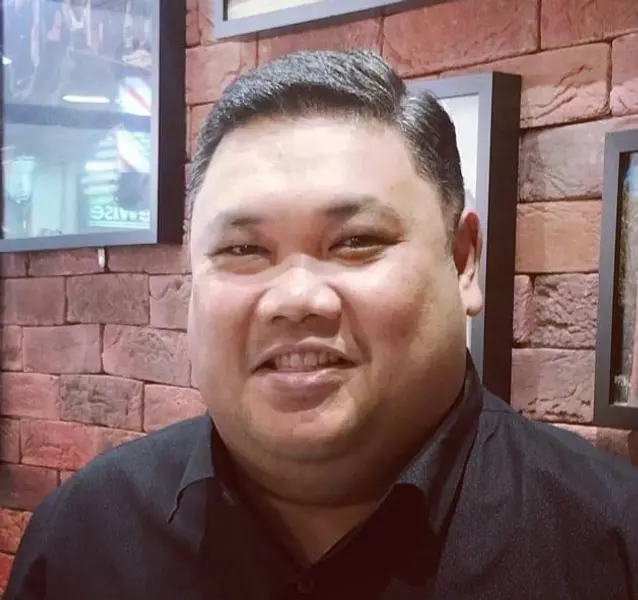
Principal Physiotherapist. ACL reconstruction and return to sport, hip and knee rehabilitation.
Tampines
What our patients say
Google reviews from our clinics in Singapore.



Principal Physiotherapist. Achilles tendinopathy, rotator cuff injury and repair, shoulder stiffness.
Orchard, Tampines, Jurong East

Principal Physiotherapist. Knee and hip replacement recovery, neck and shoulder pain, dry needling.
Tanjong Pagar, Jurong East
The program belongs to Phoenix, not to one therapist. Your plan, your measurements and your surgeon’s protocol move with you if you change clinic.
What it costs
$230 per 45 minute appointment
One to one with your therapist for the whole 45 minutes. Nett, no GST. Same price for your first appointment and your last. The program is weighted towards Stages 3 and 4, which is the opposite of most post surgical programs, because the first weeks are mostly walking. The Lumbar Microdiscectomy Recovery Program is 12 appointments, $2,760 in all. You pay for each appointment as you attend it. If you need more, your therapist shows you which stage criteria are still open, and each extra appointment is $230.
This program runs Stages 1 to 4 of the Phoenix Recovery Protocol, and sits under physiotherapy after surgery alongside the rest of our recovery programs.
Prefer to phone? Each of our five clinics has its own number on the clinics page. No referral needed to book.
Questions
More questions about physiotherapy after spine surgery
When should I start physiotherapy after spine surgery?
Walking starts the same day or the day after for most lumbar operations. Formal physiotherapy usually starts within the first two weeks, timed to your surgeon’s protocol. Bring your operation note to the first appointment so the therapist works to the right restrictions.
What should I avoid after spine surgery?
Whatever your surgeon has restricted, usually bending, lifting and twisting in the first weeks, and long spells of sitting. After a fusion these limits usually last longer than after a microdiscectomy. Walking is not one of them: short walks, often, built up daily, are part of Stage 1. New leg weakness, numbness around the saddle area, or any change in bladder or bowel control means the emergency department now.
How long can I sit after a microdiscectomy?
Sitting is usually the least comfortable position for the first few weeks. Most people start with 15 to 20 minutes at a time, standing and walking in between, and build up. Desk work usually resumes once you can sit for 30 to 45 minutes with breaks, often at 2 to 4 weeks.
How long is recovery after a microdiscectomy?
Typical points: walking from the first day, desk work and driving at 2 to 4 weeks, lifting from 6 weeks once your surgeon clears it, and gym and sport at 6 to 12 weeks. The program runs four stages over about 12 weeks. Your surgeon’s protocol takes precedence.
How much does physiotherapy after spine surgery cost?
$230 per 45-minute appointment, nett, no GST, one to one with your therapist. The Lumbar Microdiscectomy Recovery Program is set at 12 appointments across Stages 1 to 4, and your therapist confirms your plan at the first appointment.
Timeframes on this page are typical ranges, not promises. Where your surgeon has given you a protocol, that protocol takes precedence over anything written here.
Where we are
Clinics across Singapore
ORCHARD
400 Orchard Road #12-12
Orchard Towers, S238875
NS22 Orchard MRT
Physiotherapy and hand therapy in Orchard →
WhatsApp 8800 1830TAMPINES
9 Tampines Grande #01-20
Asia Green, S528735
EW2DT32 Tampines MRT
Physiotherapy and hand therapy in Tampines →
WhatsApp 8780 9608SERANGOON
265 Serangoon Central Drive #04-269
S550265 · Lift C only
NE12CC13 Serangoon MRT
Physiotherapy and hand therapy in Serangoon →
WhatsApp 8892 4121TANJONG PAGAR
10 Anson Road #02-77A
International Plaza, S079903
EW15 Tanjong Pagar MRT
Physiotherapy and hand therapy in Tanjong Pagar →
WhatsApp 8227 7074JURONG EAST
2 Venture Drive #02-02
Vision Exchange, S608526
NS1EW24 Jurong East MRT
Opening 25 October 2026
Physiotherapy and hand therapy in Jurong East →
WhatsApp 8242 7340