
Written by Zita Sham, Fairuuz Saleh and Shiv Mohan Banka, Principal Physiotherapists at Phoenix Rehab.Clinically reviewed by Louise Yow, Principal Physiotherapist & Director, AHPC A1300363H.Last reviewed 28 September 2026.
Running, with its invigorating rush and rhythm, can sometimes come with an unwelcome companion: back pain. The general population in Singapore experiences the same, with up to 80% affected by lower back pain.
This article will be your runner’s guide as we’ll discover effective strategies to manage back pain after running. Learn pain relief techniques, prevention methods, and lifestyle adjustments for back pain after running.

What Triggers Back Pain After Running
Various factors contribute to lower back pain in general, and the same holds true for back pain after running.
In several cases, radiating pain after running may occur due to compression of the sciatic nerve or herniated discs, necessitating prompt attention to prevent permanent nerve damage.
The following limiting factors also contribute largely to lower back pain after running.
Muscle Strain
The repetitive impact of running can lead to overexertion and strain in the lower back muscles. This can also occur if you’ve rapidly increased your mileage, engaged in intense training, or altered your running terrain.
Muscle tension and strain can result from these sudden movements or transitions, improper form, or inadequate warm-up. Although your body is resilient, pushing it too hard and fast without adequate preparation can lead to noticeable discomfort and post-run soreness.
Weak Deep Core Muscles
Core weakness or insufficient strength in the deep core muscles can compromise stability and support for the spine during running. This may contribute to increased stress on the lower back, leading to pain and discomfort.
Muscle Imbalances
Imbalances in muscle strength and flexibility between opposing muscle groups, such as the abdominals and lower back muscles, can disrupt the natural spine alignment. This can happen when you arch your back too much when you run, poor posture, or inadequate cross-training, leading to asymmetrical stress on the spine.
Facet Joints Irritation
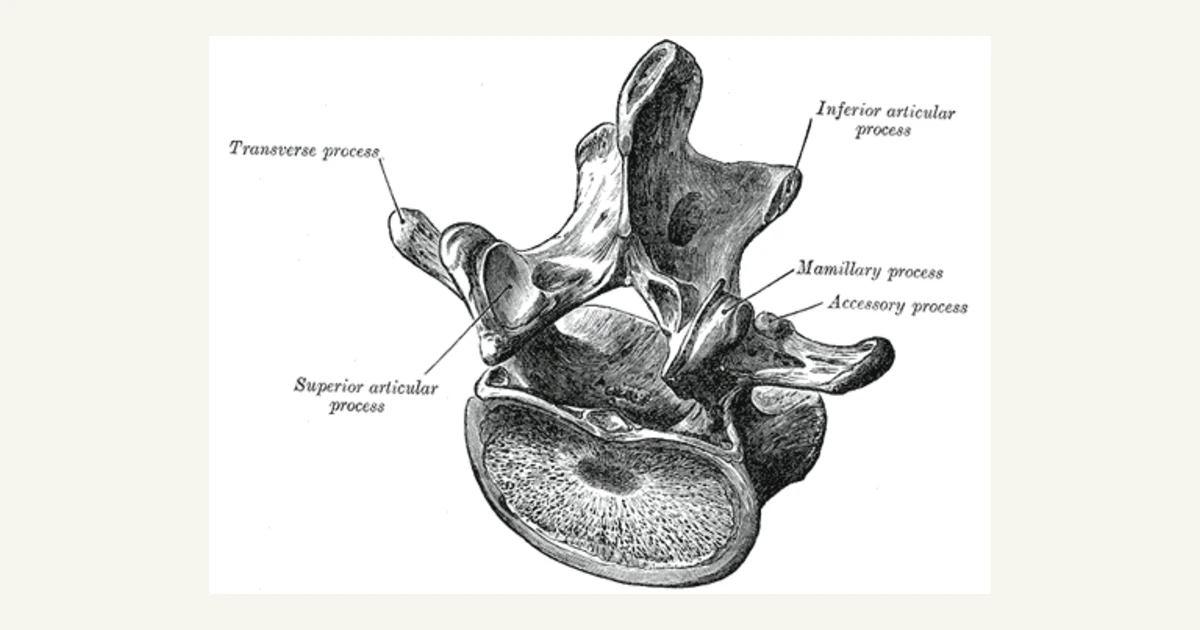
You will likely irritate or inflame your facet joints, which are small stabilizing joints along the spine if you engage in repetitive stress or improper movement patterns while running. This can result in localized pain in the lower back region, especially during and after running activities.
Overworking these joints can lead to irritation, potentially impacting spinal discs, which serve as shock absorbers during running.
Sacroiliac Joint Pain
Two sacroiliac joints in your body connect your lower spine and pelvis. These joints can experience dysfunction or irritation if you run at a certain intensity higher than what your body can handle.
This can ultimately lead to pain in the lower back and buttock region due to the repetitive impact and movement involved, particularly if the joint is already compromised due to instability or misalignment.

How to Reduce Back Pain After Running
No matter how frustrating low back pain is, there are practical ways to reduce pain recommended by back physiotherapy clinicians in Singapore.
An experienced in physical therapy like Phoenix Rehab is here to help manage back pain after running. After a thorough evaluation, they provide a personalized treatment plan that offers significant pain relief from lower back pain.
They also recommend simple interventions like warm-ups, gentle stretches, and strength exercises to effectively manage most causes of back pain. These are efficient techniques especially if you don’t have enough time on your hands.
A medical professional highlights dynamic warm-ups before engaging in a physical activity like running. According to a 2021 study, marathon runners who skip warm-up exercises before running are 2.6 times more prone to low back pain incidents.
Here are more proven and recommended strategies to further mitigate low back pain after running and attain relief.
Dynamic Movements and Stretches
Gentle stretching exercises can reduce muscle tightness and improve flexibility. Engage in dynamic warm-up routines and targeted stretches to enhance flexibility and reduce muscle tension, particularly focusing on the upper body, hip flexors, and legs.
Do Not Overtrain
Avoid excessive training volume or intensity, as overtraining can lead to muscle fatigue and increase the risk of developing back pain and other back injuries over time.
Adjust Proper Form When Running
Pay attention to your running mechanics and ensure proper form and posture, including keeping your shoulders relaxed and maintaining a neutral spine alignment to minimize strain on the lumbar spine.
Take Over the Counter Medication
Consider using over-the-counter pain relievers as needed, minimizing discomfort and reducing inflammation, especially if the pain lasts more than a few weeks despite other interventions. It’s important to consult a medical professional before taking any sports medicine.
Stay Hydrated
Maintain adequate hydration before, during, and after running to support optimal muscle function, joint lubrication, and blood flow, which can aid in recovery and reduce the risk of muscle spasms and cramps.
Attend a Physiotherapy Appointment
Finally, seek guidance from a physical therapist to facilitate personalized treatment plans tailored to your specific needs, promoting optimal recovery and improving spinal health. Low back pain requires proper assessment to identify the leading cause and related injuries, such as a slipped disc or muscle imbalances.
How to Prevent Low Back Pain
Recurrent back pain after running is a sign of a spinal issue that may require further attention and intervention. You can prevent this by focusing on the correct running form and biomechanics. Subsequently, you can minimize strain on the spine and reduce the likelihood of developing overuse injuries.
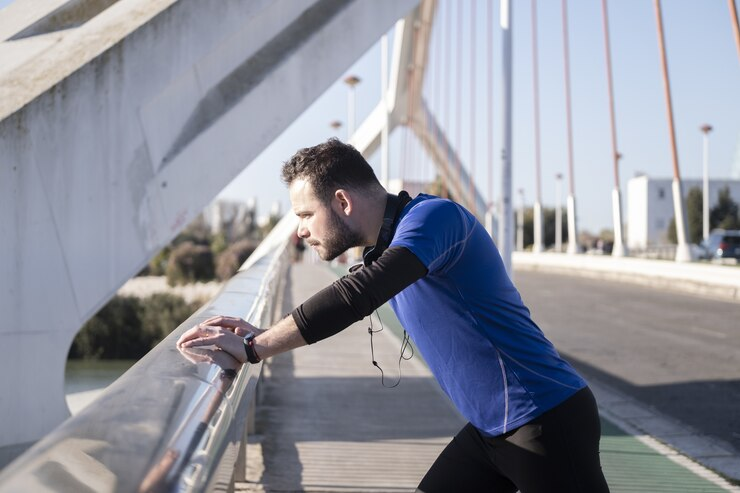
We’ve discussed incorporating movements and core exercises into your training regimen to enhance stability and proprioception. Strength training improves overall performance and reduces the risk of future injuries. By targeting the deep core muscles and surrounding muscles, you can address underlying weaknesses and provide long-term pain relief not only to your back but also to the upper body.
Prevent and address lower back pain before it happens by observing the following:
- Consider cross-training activities such as swimming, cycling, or yoga into your routine.
- Maintain a balanced diet rich in nutrients essential for muscle function and recovery, including calcium, magnesium, and vitamin D.
- Invest in quality running shoes that provide adequate support and shock absorption.
- Listen to your body and add rest days to your training schedule to allow for adequate recovery and prevent overuse injuries.
- Consult a certified running coach or physical therapist for a running gait analysis to prevent lower back strain.
- Opting for softer surfaces like grass or turf instead of concrete can be beneficial. However, if outdoor running isn’t feasible, pay attention to your running stride and heed any new pains that may arise.
Lifestyle Adjustments for Back Health: How to Speed Up Recovery
In addition to targeted interventions, making lifestyle adjustments goes a long way in maintaining spine health and preventing lower back issues.

Weight is a crucial aspect of back health. Excess weight stresses the spine, increasing the risk of back pain and injuries. We’ve mentioned that a balanced diet and regular exercise can manage your weight and support the health of your spine.
Prioritize good posture. Maintaining good posture throughout the day and not only when running can significantly promote lower back health. Whether sitting at your desk, standing in line, or walking down the street, proper spine alignment can reduce strain on the back muscles and joints.
Manage stress levels. Chronic stress can lead to muscle tension and tightness, increasing the likelihood of experiencing back pain. Stress-reducing techniques such as meditation or deep breathing help relax tense muscles and promote a sense of calm.
Adequate amount of sleep. During sleep, the body undergoes repair and regeneration processes, including the healing of injured tissues. Aim for seven to nine hours of quality sleep each night to support optimal recovery and reduce the risk of back pain.
Avoid prolonged periods of inactivity. Sitting or standing in one position for extended periods can strain the back muscles and lead to stiffness and discomfort. Regular breaks to stretch and move throughout the day can help minimize tension and prevent muscle imbalances. Additionally, low-impact activities such as walking or swimming can promote blood flow to the spine and upper body.
Quit bad habits. Bad habits such as smoking restrict blood flow to the spinal discs, impairing their ability to absorb shock and nutrients effectively. It can increase inflammation in the body, exacerbating existing lower back pain and delaying the healing process.
Maintain a strong and flexible core. Core-strengthening exercises such as planks, bridges, and abdominal crunches can help improve stability and reduce the risk of injury. Flexibility exercises such as Pilates also help enhance the range of motion and reduce muscle stiffness, promoting overall spinal health and function.
These lifestyle adjustments can speed up recovery from back pain and reduce the risk of future issues, allowing you to enjoy a healthier and more active lifestyle.

Final Words
Back pain management after running requires an approach that addresses the leading cause right off the bat. Identifying the primary factors contributing to back pain is essential for developing targeted interventions.
In some cases, runners must consult a healthcare professional to manage lower back pain from running, despite most being manageable with self-care strategies.
What our patients say
Google reviews from our clinics in Singapore.



With professional guidance on the proper rest and recovery, corrective exercises, or adjustments, you can effectively reduce lower back discomfort and the risk of recurrent injury. A prompt action to address your back needs usually means you can keep running while it is managed.
If running is where this started, running injuries lists every injury we see from it, by body part.
Running: what we focus on
It settles when you stop. It comes back when you start.
The ache that appears at the same kilometer every run. The ankle you rolled on the park connector. The knee that is fine on the flat and complains downhill. Most running injuries are loading problems, which is why rest works and then stops working.
- Achilles and calf. Heel raise capacity counted against the other side. After a rupture, the Achilles Rupture Recovery Program.
- Ankle. Ankle sprains retrained with balance and hop work. After surgery for a fracture, the Ankle Fracture Surgery Recovery Program.
- Knee. Quadriceps and hip strength, and how the knee is loaded downhill.
- Back. Lower back pain that builds with distance.
Tested, not dated. You go back when the measures say so: single-leg strength, hop tests and a graded return to distance. Pain is the first thing to leave. Strength is the last to train and recover.
WhatsApp us · Get Assessed & Treated · One 45-minute appointment, $230, nett, no GST.
Where are you with this right now?
1. It is settling on its own
Most episodes of back pain settle substantially within six weeks, and staying active beats resting. Scans early on tend to find changes that are common in people with no pain at all. If it is easing week on week and you are moving more rather than less, that is the normal course. You do not need us for this, and we would rather say so.
2. It has stopped improving
You think about how you will get out of the car before you park. You brace before you sneeze. You have stopped lifting anything off the floor without planning it.
The pain leaving is not the same as the capacity coming back. If nothing was loaded again, the back returns to daily life with less than it had. That is the gap worth measuring, and it is not measured by how you feel on the day.
The Stalled Recovery Review is three appointments over three weeks with the same therapist, because what a joint does under load cannot be read in one visit. The first finds what is limiting it. The next two measure how it responds. $690, nett, no GST, which is three appointments at $230.
3. You have had surgery, or you have a date
Recovery after an operation has a shape, and knowing which stage you are in tells you whether you are on it. See the recovery programs, or lower back physiotherapy if you are not sure which applies to you.
All of it runs on the same four stages. The Phoenix Recovery Protocol explains what each stage works on and what you have to meet to move up. No referral needed to start.
Next step
Find out which stage you are in
Pain is the first thing to leave. Movement and strength are the last things trained back, and most people stop before that part is done. One Assessment and Treatment is a single 45-minute appointment at $230, nett, no GST. Your therapist finds what is actually limiting you, treats it in the same appointment, and you leave with your current stage and a written plan.
Prefer to phone? Each of our five clinics has its own number on the clinics page. No referral needed to book.
Related reading
- physiotherapy after surgery
- lower back physiotherapy
- How Physiotherapy Helps With Sciatica Pain Treatment
- Scoliosis Physiotherapy: What To Expect and How It Can Help
- Easing Lower Back Discomfort After Sleep
- The Phoenix Recovery Protocol, and the four stages
- All recovery programs, hand and physio
- Causes and Solutions for Back Pain When Breathing In
- Addressing Lower Back Pain While Walking
Where we are
Clinics across Singapore
ORCHARD
400 Orchard Road #12-12
Orchard Towers, S238875
NS22 Orchard MRT
Physiotherapy and hand therapy in Orchard →
WhatsApp 8800 1830TAMPINES
9 Tampines Grande #01-20
Asia Green, S528735
EW2DT32 Tampines MRT
Physiotherapy and hand therapy in Tampines →
WhatsApp 8780 9608SERANGOON
265 Serangoon Central Drive #04-269
S550265 · Lift C only
NE12CC13 Serangoon MRT
Physiotherapy and hand therapy in Serangoon →
WhatsApp 8892 4121TANJONG PAGAR
10 Anson Road #02-77A
International Plaza, S079903
EW15 Tanjong Pagar MRT
Physiotherapy and hand therapy in Tanjong Pagar →
WhatsApp 8227 7074JURONG EAST
2 Venture Drive #02-02
Vision Exchange, S608526
NS1EW24 Jurong East MRT
Opening 25 October 2026
Physiotherapy and hand therapy in Jurong East →
WhatsApp 8242 7340