
Written by Zita Sham, Fairuuz Saleh and Shiv Mohan Banka, Principal Physiotherapists at Phoenix Rehab.Clinically reviewed by Nigel Chua, Principal Hand Occupational Therapist & Director, AHPC A1300362Z.Last reviewed 2 October 2026.
WHAT IS ELBOW SYNOVIAL PLICA?
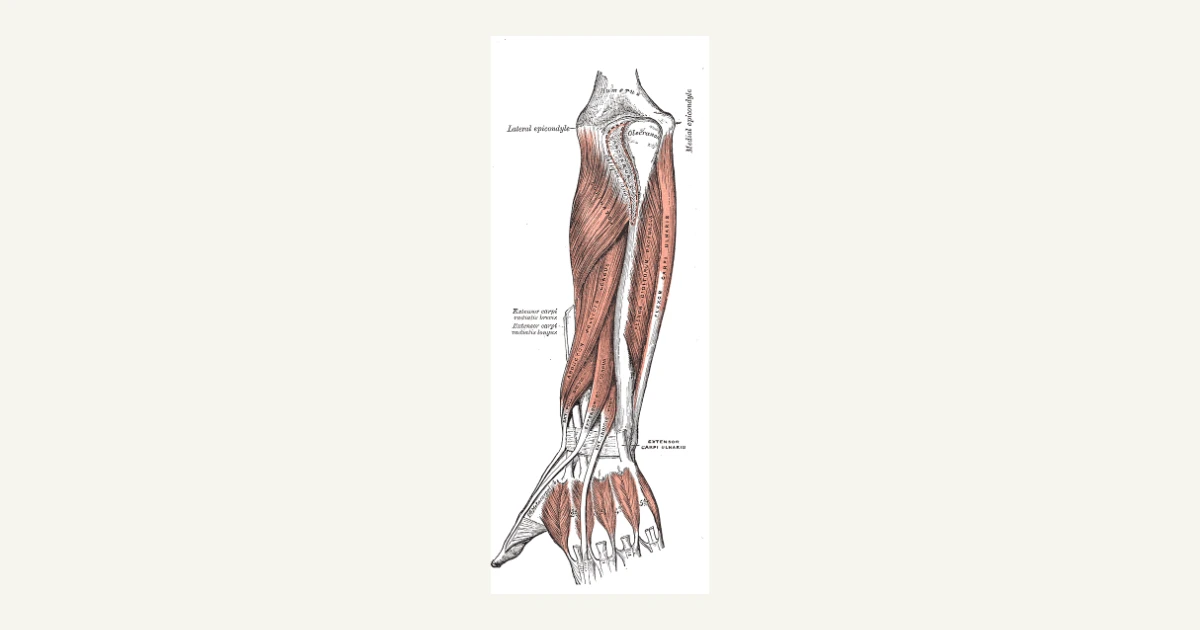
Synovial plica refers to the inflammation of a small part of soft tissues in the elbow joint. To fully understand what plica syndrome is, you must be familiar with the basic anatomy of the elbow.
The synovial membrane, called synovium, is a layer of connective tissues that line the inside of the joint capsule. It produces synovial fluid that serves to lubricate the joint and reduce friction between bones during movement.
This tissue starts folding inward during fetal growth but is usually resorbed, leaving a small empty area in the elbow cavity. However, many a time, the tissue resorption occurs only partially. This means that in many individuals, the normal cavitation of the elbow remains incomplete.
In other words, they have ‘plicae’ by birth.
Given the natural elasticity of the synovial membrane, the plicae usually do not hinder the normal joint function.
However, certain factors, such as hitting your elbow on a hard surface or extensive use of the joint for repetitive movements, can cause them to become irritated and inflamed. When this happens, the joint becomes painful, and the movement of the arm can get restricted. This disorder is called synovial plica syndrome.
According to medical research, synovial plicae are present in more than 80% of the general adult population. However, symptomatic synovial folds are much less common and account for less than 8% of all elbow arthroscopies.
Diagnosing synovial plica can be quite hard as its symptoms can be linked to a range of common elbow conditions.
But once a plica is identified as the source of joint pain, you can recover from it effectively and efficiently.
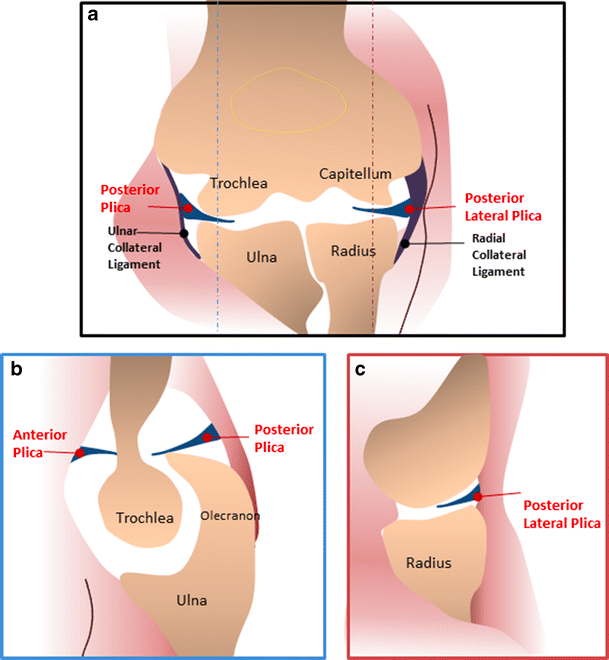
Elbow synovial plica is a rare condition of the upper extremity that is often confused with Tennis Elbow (another painful elbow condition).
It is typically characterized by:
- Sharp or shooting pain in the elbow
- Instability of the elbow joint
- Catching or locking sensation of the elbow.
Other names given to elbow synovial plica include:
- Elbow synovial fold syndrome
- Snapping elbow syndrome
- Skipping elbow syndrome.
Synovial plica usually occurs in athletes and people who frequently engage in activities involving repetitive motion. e.g. hammering or typing.
It can also develop due to a direct hit injury or blow to the elbow.
In this article, we take a detailed look at what elbow synovial plica is. We discuss its symptoms, causes, risk factors, and how it can be treated with appropriate elbow hand therapy or physiotherapy.
WHAT CAUSES SYNOVIAL PLICA OF THE ELBOW?
The most common cause of synovial plica syndrome is direct trauma to the elbow joint.
For example, if you fall onto your elbow or sustain a hit on the joint during a car accident or a sports incident, it is likely to inflame your synovial folds. However, there are several other factors that can also result in inflammation of the elbow’s synovial membrane.
These include:
- Reduced mobility of the elbow joint (due to old age, sedentary lifestyle, etc.)
- Stiffness of the arm muscles
- Muscular weakness that places abnormal stress on the joint capsule
- Natural deformities in the arm or elbow structure
- History of elbow fracture or joint dislocation
- Any medical condition, such as arthritis or osteoporosis that affects joint health
- Improper biomechanics, i.e., incorrect use of the arm or elbow, especially during sport activities
- Prolonged use of elbow for activities involving a repetitive motion
- Over-training at the gym.
SYMPTOMS OF THE ELBOW SYNOVIAL FOLD SYNDROME
People with elbow synovial fold syndrome are likely to experience:
- Dull persistent pain in the arm that intensifies after elbow use
- A sharp, stabbing, or shooting ache when you move the elbow in a certain position
- Sensitivity to touch in the inner or outer side of the elbow
- Localized swelling in the elbow
- Reduced elbow range of motion/movement
- Increased elbow joint laxity, a feeling that your elbow is going to ‘give out’ if you try to bend it at a particular angle
- A snapping or catching/locking sensation when flexing or straightening your arm
- Tightness in the elbow
- A clicking or ‘popping’ sound when you bend or extend the elbow joint.
WHO IS AT RISK OF DEVELOPING ELBOW SYNOVIAL PLICA?
- Athletes are always at risk of developing synovial fold syndrome.
- Older adults also have an increased chance of developing synovial plica due to age-related joint degeneration.
- Individuals who perform hard manual labor every day are prone to suffering from snapping elbow syndrome.
- People with one or more of the following medical conditions are at risk of developing the plica syndrome: Loose bodies from Arthritis, Osteochondritis Dissecans, Lateral Epicondylitis and Osteoporosis.
- Individuals who frequently participate in throwing sports (e.g., basketball, volleyball, rugby) are susceptible to elbow pain due to irritated synovial plica.
- People who previously have had elbow surgery are also at risk of experiencing synovial plica pain as the surgical treatments can leave behind scar tissue.
CONDITIONS SIMILAR TO ELBOW SYNOVIAL PLICA (DIFFERENTIAL DIAGNOSIS)
Elbow synovial plica is most commonly confused with:
– Medial Epicondylitis (Golfer’s Elbow)
– Lateral Epicondylitis (Tennis Elbow)
– Posterolateral Nerve Impingement
TREATMENT FOR SYNOVIAL PLICA OF THE ELBOW
If you have elbow pain that does not go away, it’s essential to consult a medical provider. A doctor or physical therapist can perform a thorough examination of your condition and determine the best treatment possible.
Our senior hand therapists and physiotherapists will take your health history and review your daily physical activities as part of the initial evaluation. The main aim of the initial assessment is to determine the extent of the injury and identify the factors contributing to your pain.
You will be asked to perform some specific movements, under the supervision of the medical staff. This helps your physical therapist determine the strength and flexibility of your upper extremity, which includes your arm, elbow, forearm, hand, wrist, and fingers. In many cases, the swollen folds of the irritated synovial lining in the elbow joint capsule can be felt with touch (medical palpation).
However, at times, it might be necessary to capture radiographs for accurate diagnosis. Your physiotherapist might prescribe you to get an x-ray or an MRI scan to help rule out other possibilities and identify the severity of tissue inflammation.
If required, we may consult an orthopedic surgeon for further assistance in providing you with a definitive diagnosis.
Once the presence and irritation of the plica is confirmed as the source of your elbow pain, we will work with you to control the tissue inflammation and help you return to normal activities.
HOW PHOENIX REHAB HAND THERAPISTS AND PHYSIOTHERAPISTS CAN HELP PEOPLE WITH ELBOW SYNOVIAL PLICA
In order to eliminate the symptoms of synovial plica and help you regain the lost joint mobility and strength, we will use a range of treatment techniques in one or more of the following categories:
Pain Management
Pain management is typically the first step in the treatment of the synovial plica of the elbow.
This involves conventional pain-relief techniques, such as applying hot or cold compresses to the affected joint. We may customize an elbow thermoplastic splint to rest your elbow and relieve the strain on the joint.
We may also use electrotherapy or ultrasound therapy for optimal pain control so you can avoid medicines that often include steroids and opioids.
Manual Therapy
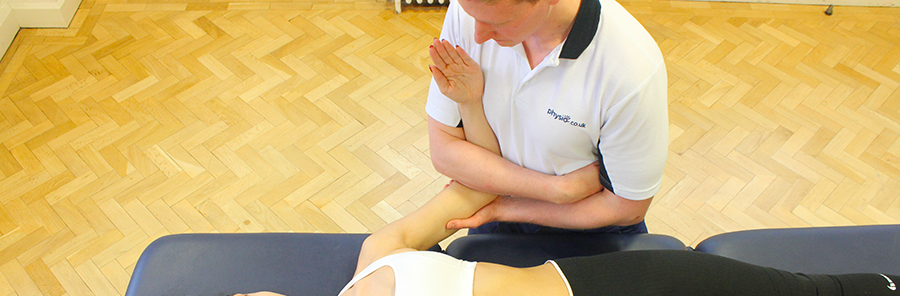
Many people with synovial fold syndrome benefit from manual therapy, which is applying hands-on pressure to gently move your elbow and arm muscles. This can include a sports massage to increase joint mobilization. Or it can be a deep tissue release or trigger point appointment that aims to soothe inflammation, and thus reduce pain.
Range of Motion Exercises
After your elbow injury or the onset of synovial inflammation, you might find it challenging to move your arm freely. We will suggest and help you perform exercises that can help improve mobility and normalize the joint function over time.
Elbow range and grip are measured at the first appointment, against the other arm, so progress is tracked in degrees and kilograms rather than guessed.
Strengthening Exercises
Poor muscle strength can aggravate the symptoms of the synovial fold syndrome and hinder fast recovery. Our senior hand therapists and physiotherapists will help you build muscle strength through specific strengthening exercises customized to your goals.
What our patients say
Google reviews from our clinics in Singapore.


They will take into account a range of factors, such as your
- age
- medical history
- current physical health
to choose exercises that best meet your needs.
Functional Training and Education
Once you get rid of the pain and significantly improve your elbow performance, we will move on to functional training. Functional training focuses on helping patients perform more physically demanding activities without irritating their synovial lining.
The aim is to help you correct your movements and use proper arm and elbow positions when engaging in sports. This allows you to gradually return to your favorite activities while helping you lower the risk of re-injury.
Synovial plica of the elbow can be effectively treated with physical therapy. However, if the inflammation is too severe or the response to initial treatment is refractory, surgery may be required eventually. It is a minimally invasive procedure, but you will need to follow up with physical therapy to ensure proper healing and avoid post-surgery complications.
Where are you with this right now?
1. It is settling on its own
Elbow tendon problems settle slowly, over months rather than weeks, and they respond to graded loading rather than to rest alone. If you can grip for longer than you could a month ago, it is responding. You do not need us for this, and we would rather say so.
2. It has stopped improving
You pour the kettle with the other hand. A full mug is a two-handed job. You have stopped carrying the shopping on that side.
A tendon that stops being provoked is not the same as a tendon that got stronger. One is avoidance, the other is capacity. That is the gap worth measuring, and it is not measured by how you feel on the day.
The Stalled Recovery Review is three appointments over three weeks with the same therapist, because what a joint does under load cannot be read in one visit. The first finds what is limiting it. The next two measure how it responds. $690, nett, no GST, which is three appointments at $230.
3. You have had surgery, or you have a date
Recovery after an operation has a shape, and knowing which stage you are in tells you whether you are on it. See the hand and elbow programs, or elbow physiotherapy if you are not sure which applies to you.
All of it runs on the same four stages. The Phoenix Recovery Protocol explains what each stage works on and what you have to meet to move up. No referral needed to start.
Next step
Find out which stage you are in
Pain is the first thing to leave. Movement and strength are the last things trained back, and most people stop before that part is done. One Assessment and Treatment is a single 45-minute appointment at $230, nett, no GST. Your therapist finds what is actually limiting you, treats it in the same appointment, and you leave with your current stage and a written plan.
Prefer to phone? Each of our five clinics has its own number on the clinics page. No referral needed to book.
Related reading
- elbow physiotherapy
- Ultimate Guide on Physiotherapy for Elbow Pain
- Elbow Dislocation Physiotherapy Treatment – Ultimate Guide
- Physiotherapy For Fractured Elbow – Ultimate Guide
- The Phoenix Recovery Protocol, and the four stages
- All recovery programs, hand and physio
- What is Elbow Annular Ligament Tear & Strain?
Where we are
Clinics across Singapore
ORCHARD
400 Orchard Road #12-12
Orchard Towers, S238875
NS22 Orchard MRT
Physiotherapy and hand therapy in Orchard →
WhatsApp 8800 1830TAMPINES
9 Tampines Grande #01-20
Asia Green, S528735
EW2DT32 Tampines MRT
Physiotherapy and hand therapy in Tampines →
WhatsApp 8780 9608SERANGOON
265 Serangoon Central Drive #04-269
S550265 · Lift C only
NE12CC13 Serangoon MRT
Physiotherapy and hand therapy in Serangoon →
WhatsApp 8892 4121TANJONG PAGAR
10 Anson Road #02-77A
International Plaza, S079903
EW15 Tanjong Pagar MRT
Physiotherapy and hand therapy in Tanjong Pagar →
WhatsApp 8227 7074JURONG EAST
2 Venture Drive #02-02
Vision Exchange, S608526
NS1EW24 Jurong East MRT
Opening 25 October 2026
Physiotherapy and hand therapy in Jurong East →
WhatsApp 8242 7340