
Written by Zita Sham, Fairuuz Saleh and Shiv Mohan Banka, Principal Physiotherapists at Phoenix Rehab.Clinically reviewed by Nigel Chua, Principal Hand Occupational Therapist & Director, AHPC A1300362Z.Last reviewed 2 October 2026.
Elbow dislocation is the second most common dislocation after shoulder dislocations among young adults in Singapore. It is also the most commonly dislocated joint in children. Both injuries are highly significant because they can cause subsequent damage and restrict one’s range of motion.

Understanding the causes, symptoms, and treatment options for a dislocated elbow is crucial for a successful outcome and recovery.
In this guide, we will discuss what elbow dislocation is, how it occurs, and explore diagnosis, treatment modalities, recovery times, prevention strategies, and essential exercises to aid in rehabilitation. We will dive deeper into the key aspects of managing and recovering from a dislocated elbow with the help of physiotherapy.
Elbow fracture and dislocation recovery program
Elbow Fracture and Dislocation Recovery Program
The elbow is usually stable within weeks. Getting it straight again is the part that takes the work.
For radial head and olecranon fractures, fractures at the lower end of the upper arm bone, and elbow dislocations, with or without surgery. A staged hand therapy program run to your surgeon’s plan, by the hand therapy team at five Singapore clinics.
No referral needed to start. Bring your X-ray report, discharge summary or operation note.
Start here
Where are you right now?
An elbow injury is a different problem depending on the week you are reading this. Pick the one that matches.
How the program runs
4-Stage Structured Recovery
You move up a stage when you meet the criteria for it, not when a number of weeks has passed. That is Criteria Before Clearance, and it is why the last appointment is a graduation rather than a discharge.
The shape of it
What happens, week by week
The weeks below are the usual shape for a stable injury. Fracture-dislocations, fractures of the lower humerus, ligament repairs and older bone take longer. Your surgeon’s protocol takes precedence over anything on this page, every time.
- Weeks 0 to 1Stage 1 · Calm & ProtectSling or splint as your surgeon directs. Swelling and pain settled. The fingers, wrist and shoulder move from the first days, because a shoulder held still in a sling stiffens in its own right. For a stable dislocation or a small radial head fracture, many surgeons allow gentle elbow movement within the first week.
- Weeks 1 to 6Stage 2 · Move & MobilizeBending, straightening and forearm rotation, in the range your surgeon allows. After a ligament repair some positions stay protected for longer. Where a gained range keeps slipping back overnight, a custom splint can hold it while you sleep.
- Weeks 6 to 12Stage 3 · Rebuild & StrengthenOnce your surgeon allows load. Grip, forearm and shoulder strength, carrying, pushing up from a chair. Strength measured against the other arm.
- Week 12 onwardStage 4 · Return & PerformTested against what you need: the tools, the bag on the MRT, the push-up, the racquet. You graduate when you meet the Stage 4 criteria for those things.
After the sling comes off
Is this normal?
Usually expected
- An elbow that will not fully straighten or fully bend when the sling comes off.
- Bruising that tracks down the forearm toward the wrist in the first two weeks.
- Swelling that is worse in the evening and after use.
- Morning stiffness that eases with gentle movement.
- After a radial head fracture, turning the palm up feels blocked or achy.
- A weak grip, and a shoulder that aches from the sling.
Contact your doctor
- Call 995 or go to the emergency department now, do not drive yourself: forearm pain that keeps rising despite pain relief and elevation, especially pain when the fingers are gently straightened, or a hand that is pale, cold or blue.
- Emergency department now: the elbow slips out again, or you feel it clunk out of place.
- Doctor the same day: fever, or a surgical wound that is red, hot or leaking.
- Surgeon soon: numbness or tingling in the ring and little fingers, or a hand that is getting clumsy. The ulnar nerve runs right behind the elbow.
- Surgeon soon: an elbow that was gaining range and then stops, getting harder and warmer, somewhere between weeks 3 and 8.
- Review soon: no change in range over 3 to 4 weeks of therapy.
We would rather send you back to your surgeon early than be the reason you went late.
What does not reverse on its own
Two things worth knowing early
The capsule stiffens fast. In a classic series of simple elbow dislocations, keeping the elbow still for more than three weeks was linked with more lasting stiffness and pain (Mehlhoff and colleagues, Journal of Bone and Joint Surgery, 1988). That is why surgeons move a stable elbow early, and why the protected weeks are working weeks for the rest of the arm.
Bone can form where it should not. After some elbow injuries, fracture-dislocations in particular, new bone forms in the soft tissue around the joint, which surgeons call heterotopic ossification. Once it has matured it does not dissolve with exercise, and where it blocks movement the remaining option is an operation to remove it. The sign is the one in the list above: an elbow that was improving, then stops and gets harder and warmer. Your surgeon can see it on an X-ray, and if that is what your elbow is doing, that X-ray is the right next step before more therapy.
If it is not going to plan
Three months on, and it still will not straighten
The fracture healed. The X-ray is fine. Someone told you the last bit of straightening often does not come back, and nobody has measured it since.
So you carry the bag with the other arm. You cannot rest your palm flat on the table and push up from a chair. Washing your face, the hand stops short of your forehead. The bowl of soup, held palm up, tips. None of it hurts much anymore, so it feels like the recovery is done.
Most everyday tasks sit inside an arc from about 30 to 130 degrees of bend, with about 50 degrees of forearm turn each way (Morrey and colleagues, Journal of Bone and Joint Surgery, 1981). Lose twenty degrees at either end of that and you feel it every day without being able to say why.
The first thing a stuck elbow needs is measurement: range in degrees against the other arm, grip in kilograms, and an honest read of what is still changing. The Stalled Recovery Review is three appointments, one a week for three weeks, with the same therapist. The first finds what is holding the joint. The next two measure how it responds, because a stiff joint’s answer takes weeks to read. $690, nett, no GST.
More on what the three appointments cover: the Stalled Recovery Review.
Logistics
When can I…
Your surgeon decides, based on healing and what your job demands. These are typical points, not permissions.
| Activity | Typical point | What has to be true first |
|---|---|---|
| Desk work | 1 to 2 weeks | Typing one-handed with the arm supported. Swelling controlled. |
| Typing, two hands | 2 to 4 weeks | Your surgeon allows the elbow to move. Short spells first. |
| Driving | 6 to 8 weeks | Full control of the wheel, including a sudden turn. Your surgeon agrees, and check your insurer. |
| Light lifting, a kettle, a bag | 6 to 8 weeks | Your surgeon has cleared load, and Stage 3 has started. |
| Gym, push-ups, heavy lifting | 3 months or later | Strength tested against the other arm. |
| Racquet and contact sport | 3 to 4 months or later | Stage 4 criteria met and your surgeon’s clearance. |
| Medical certificate | Your doctor issues it | Hand therapists do not issue MCs. We can write a report on your functional limits for your doctor or employer. |
The program
What it costs and what is in it
Elbow Fracture and Dislocation Recovery Program, Stages 1 to 4
Per 45-minute appointment, nett, no GST. The Elbow Fracture and Dislocation Recovery Program is 12 appointments, $2,760 in all. You pay for each appointment as you attend it. If you need more, your therapist shows you which stage criteria are still open, and each extra appointment is $230.
- An Assessment & Treatment first, at $230: which stage you are in, what is limiting you, and a written plan you walk out holding
- Swelling, scar and wound care
- Staged movement and strength work, progressed on criteria
- A custom thermoplastic splint shaped during the appointment, where your surgeon approves one
- Range in degrees and grip in kilograms, measured every visit against the other arm
- A home program, written down
- A one-page report to your surgeon at weeks 2, 6 and 12 if you were referred
- Your next stage review dated into the diary, with the same therapist
Graduation, Not Discharge. The program ends when you meet the Stage 4 criteria for what you need to get back to.
Who you will see
Managed by our hand therapy team
Elbow injuries sit with the hand therapy team, because the elbow, forearm and wrist work as one unit and the splinting is the same craft. All five of our hand therapists treat them, so you can start at the clinic nearest you. You stay with the same therapist through the program, and every appointment is one to one for the whole 45 minutes.

Principal Hand Occupational Therapist. Wrist fractures, TFCC and wrist ligament injuries, custom splinting.
Tanjong Pagar

Principal Hand Occupational Therapist. Stiffness and scar tightness after hand or wrist surgery.
Orchard, Sundays

Principal Hand Occupational Therapist. Carpal and cubital tunnel, sports wrist and finger injuries, tennis elbow.
Orchard, Serangoon, Tampines

Principal Hand Occupational Therapist. Finger and wrist fractures, De Quervain’s, wrist ligament injuries.
Orchard

Principal Hand Occupational Therapist. Seven years of hospital outpatient hand therapy across hand, wrist, elbow and shoulder injuries, splinting and post-operative care.
Jurong East, from 25 October
This program runs Stages 1 to 4 of the Phoenix Recovery Protocol. It sits under hand therapy after surgery, alongside the other recovery programs and hand therapy more broadly.
Timings and appointment numbers on this page are typical ranges, not predictions for any individual recovery, and your surgeon’s protocol takes precedence. Hand therapists assess, splint, exercise, educate and refer; doctors diagnose, inject, prescribe and order imaging. If we find something that needs medical review we refer you back to your doctor.
What is Elbow Dislocation?
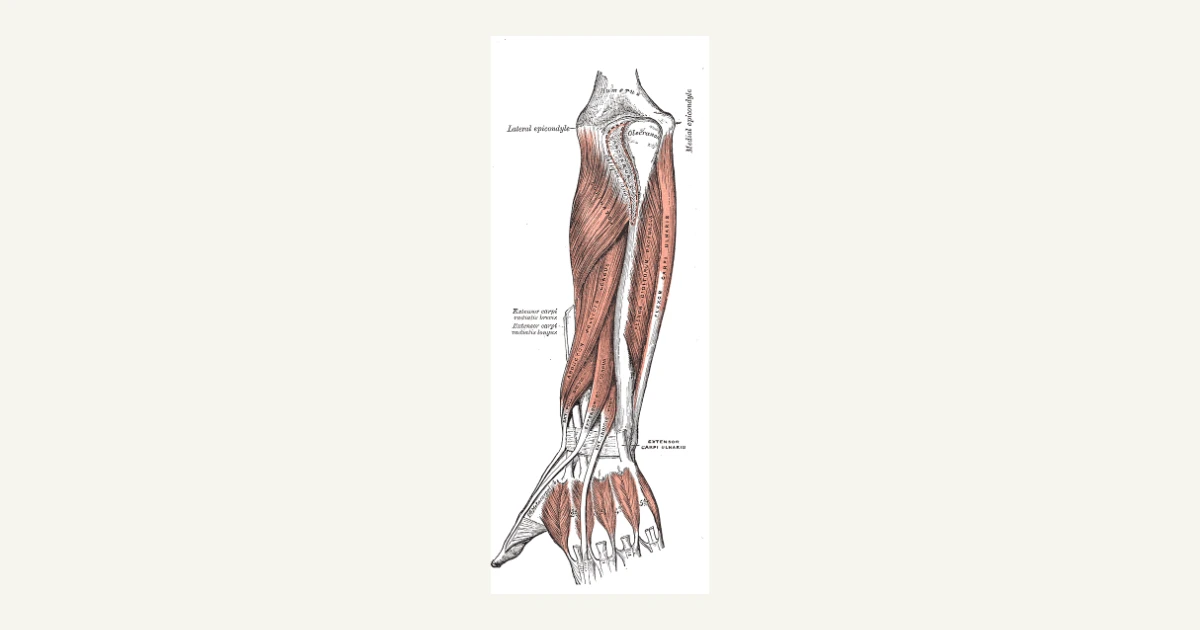
A dislocated elbow occurs when the bones of the elbow joint are forced out of their normal position. This can happen due to various reasons, including sports injuries, falls, or motor vehicle accidents. The elbow joint, which is a complex hinge joint formed by the humerus (upper arm bone), radius, and ulna (forearm bones), is one of the most commonly dislocated joints in the body.
Elbow dislocations fall into two main categories: simple and complex dislocations.
Simple Elbow Dislocation
Simple dislocations in the elbow joint are mainly injuries in the soft tissues and ligaments. This means there are no major injuries or fractures to the three bones in the elbow joint. Simple dislocation makes up over half of elbow dislocation cases. The ligament on the outer side, the lateral collateral ligament, is often the first to tear: see elbow LCL tear.
Complex Elbow Dislocation
A complex dislocation in the elbow severe injury or fracture to the bones and ligaments, particularly in these areas:
- radial head
- coronoid process
- olecranon
- humeral condyles
- capitellum
- epicondyles
These fractures can also damage the medial collateral ligament, further complicating the injury. This ligament plays a crucial role in stabilizing the elbow, and its disruption can significantly impact the joint’s function and stability.
Simple elbow dislocations or complex, it’s important to seek medical attention when faced with these injuries.
What Causes Elbow Dislocations?
Elbow dislocations are relatively common injuries in the elbow that vary in severity. They can be caused by various factors, including:
Sports Injuries
Contact sports like football, rugby, and hockey frequently lead to elbow dislocations. The high-impact nature of these sports often puts athletes at risk for such injuries.
Falls or Trips
Most elbow dislocations occur when an individual falls onto an outstretched hand or when you catch yourself with an outstretched arm. This instinctive reaction can cause the upper arm bone to dislocate from the elbow joint. Falls are particularly common among older adults due to a higher risk of slips and trips.
Motor Vehicle Accident
Car accidents often cause dislocated elbows, especially when individuals instinctively reach out to brace themselves. The force of the collision can easily displace the bones of the elbow joint.
Rheumatoid Arthritis and Similar Conditions
Rheumatoid arthritis weakens the connective tissues around the elbow, increasing the risk of dislocation. Other conditions that affect joint stability can similarly predispose individuals to this injury.
Dislocated Elbow Diagnosis
Diagnosing an elbow dislocation typically involves a physical examination by an orthopedic doctor or a treating physiotherapist. They will assess the range of motion, joint stability, and look for signs of nerve damage or other complications. They may perform imaging tests like X-rays or MRI scans to confirm the diagnosis and rule out any fractures or other injuries.
What are the Symptoms?
The symptoms of an elbow dislocation can vary depending on the severity of the elbow injury, but common signs include the following:
- Severe pain in the elbow
- Swelling and bruising around the joint
- Difficulty moving the elbow or performing everyday tasks
- Numbness or tingling in the arm or hand
Elbow Joint Treatment
The treatment for an elbow dislocation usually involves a combination of conservative management and physical therapy. Phoenix Rehab tailors treatment plans for injuries that affect bones and joints.
Prolonged immobilization often leads to stiffness in the elbow joint, requiring longer recovery and additional therapy. During the assessment, your physical therapist will evaluate your current range of motion and prescribe exercises to help you regain mobility and function. Early mobilization is a priority at this point of treatment.
Conservative management may include the following exercises and procedures:
- Immobilizing the elbow in a splint or cast to allow the joint and surrounding connective tissues to heal
- Pain relief and anti-inflammatory medication are a decision for your doctor or pharmacist.
- Gentle exercises to maintain range of motion and prevent stiffness
- Flexibility and strengthening exercises
- Manual therapy, massage therapy, and pain relief
For sports-related elbow injuries, your physical therapist will design a sport-specific rehabilitation plan to get you back in the game.
Physical therapy is crucial for recovering from an elbow dislocation. Even while the elbow is in a sling, a physical therapist will guide you through gentle exercises and management.
Pain relief and anti-inflammatory medication are a decision for your doctor or pharmacist.
In some cases, surgical treatment may be necessary, especially for complex dislocations or those with nerve damage.
How Long to Recover from a Dislocated Elbow?
The recovery time for an elbow dislocation can vary depending on the severity of the injury and the effectiveness of treatment. Generally, it can take several weeks to several months for the joint to fully heal and regain its normal function.
Even if your elbow dislocation is repaired through manipulation, joint reduction, or surgery, physical therapy is vital for complete recovery. The goal of physical therapy is to fully rebuild strength and range of motion before and after major treatments.
Common long-term effects of a dislocated elbow include a reduced range of movement, particularly in extension, and an increased likelihood of future dislocations or elbow sprain.
In cases of recurrent elbow dislocation, surgery may be necessary to enhance stability. This is typically followed by an extensive rehabilitation program lasting several months.
How to Prevent Recurrence of Elbow Dislocation?
Preventing elbow dislocations involves taking steps to reduce the risk of injury, such as:
- Wearing protective gear during sports
- Avoiding falls by being mindful of the surroundings
- Maintaining good joint flexibility and strength through regular exercise
- Using proper techniques and equipment during physical activities
- Addressing any joint instability or weakness promptly with medical advice
Elbow Joint Exercises
Physiotherapy plays a crucial role in the rehabilitation process after an elbow dislocation. A treating physiotherapist will design a customized exercise program to relieve pain and reduce stiffness, improve range of motion and joint stability, and strengthen the surrounding muscles to prevent future injuries.
Some common exercises used include:
- Elbow flexion and extension active ROM exercises
- Strengthening exercises for the forearm and upper arm muscles
- Overhead motion protocol to improve joint mobility and strength
- Gentle AROM and PROM exercises targeting the upper limb
- Progressive resistance exercises
- Full ROM and strength in the later stage of rehabilitation
By following a comprehensive treatment plan that includes physiotherapy, individuals can achieve optimal outcomes and regain full function in their elbow joints.
Dealing with elbow pain involves more than just addressing fractures. To assist you further, we’ve developed detailed guides on physiotherapy for tennis elbow pain, physiotherapy for golfers elbow, and physiotherapy for fractured elbow. Explore our resources to gain a deeper understanding and effective management strategies for these conditions.
Where are you with this right now?
1. It is settling on its own
Elbow tendon problems settle slowly, over months rather than weeks, and they respond to graded loading rather than to rest alone. If you can grip for longer than you could a month ago, it is responding. You do not need us for this, and we would rather say so.
2. It has stopped improving
You pour the kettle with the other hand. A full mug is a two-handed job. You have stopped carrying the shopping on that side.
A tendon that stops being provoked is not the same as a tendon that got stronger. One is avoidance, the other is capacity. That is the gap worth measuring, and it is not measured by how you feel on the day.
The Stalled Recovery Review is three appointments over three weeks with the same therapist, because what a joint does under load cannot be read in one visit. The first finds what is limiting it. The next two measure how it responds. $690, nett, no GST, which is three appointments at $230.
3. You have had surgery, or you have a date
Recovery after an operation has a shape, and knowing which stage you are in tells you whether you are on it. See the hand and elbow programs, or elbow physiotherapy if you are not sure which applies to you.
All of it runs on the same four stages. The Phoenix Recovery Protocol explains what each stage works on and what you have to meet to move up. No referral needed to start.
Next step
Find out which stage you are in
Pain is the first thing to leave. Movement and strength are the last things trained back, and most people stop before that part is done. One Assessment and Treatment is a single 45-minute appointment at $230, nett, no GST. Your therapist finds what is actually limiting you, treats it in the same appointment, and you leave with your current stage and a written plan.
Prefer to phone? Each of our five clinics has its own number on the clinics page. No referral needed to book.
Related reading
Where we are
Clinics across Singapore
ORCHARD
400 Orchard Road #12-12
Orchard Towers, S238875
NS22 Orchard MRT
Physiotherapy and hand therapy in Orchard →
WhatsApp 8800 1830TAMPINES
9 Tampines Grande #01-20
Asia Green, S528735
EW2DT32 Tampines MRT
Physiotherapy and hand therapy in Tampines →
WhatsApp 8780 9608SERANGOON
265 Serangoon Central Drive #04-269
S550265 · Lift C only
NE12CC13 Serangoon MRT
Physiotherapy and hand therapy in Serangoon →
WhatsApp 8892 4121TANJONG PAGAR
10 Anson Road #02-77A
International Plaza, S079903
EW15 Tanjong Pagar MRT
Physiotherapy and hand therapy in Tanjong Pagar →
WhatsApp 8227 7074JURONG EAST
2 Venture Drive #02-02
Vision Exchange, S608526
NS1EW24 Jurong East MRT
Opening 25 October 2026
Physiotherapy and hand therapy in Jurong East →
WhatsApp 8242 7340What our patients say
Google reviews from our clinics in Singapore.


