
Written by Zita Sham, Fairuuz Saleh and Shiv Mohan Banka, Principal Physiotherapists at Phoenix Rehab.Clinically reviewed by Louise Yow, Principal Physiotherapist & Director, AHPC A1300363H.Last reviewed 28 September 2026.
Heel spur is a medical condition that deserves attention, despite having subtle symptoms for some patients. Without diagnosis, you may conveniently mistake it as normal foot fatigue. Proper treatment can prevent it from progressing to chronic plantar fasciitis, thereby avoiding persistent heel pain and discomfort.
As the most common cause of heel pain in Singapore, heel spur treatments emerge as essential strategies for improving patients’ quality of life. Fortunately, medical clinicians at Singapore General Hospital (SGH) recommend that home remedies and conservative treatment usually work for heel spurs not improving after a week.

Treatment of plantar fasciitis and heel spurs includes several approaches, including physical therapy. In this article, we’ll explore physiotherapy as a comprehensive approach to managing painful heel spur symptoms. We will also tackle safe and effective exercises to relieve pain and other symptoms of heel spurs.
What is Heel Spur?
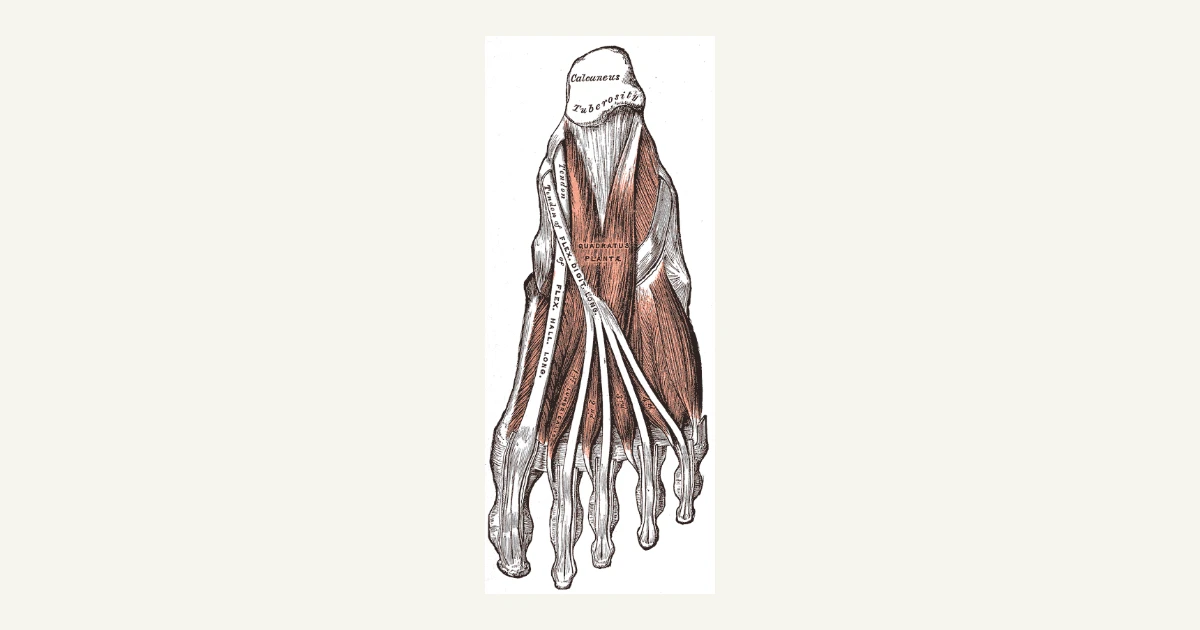
A heel spur forms on the underside of the heel bone (calcaneus) near the attachment point of the plantar fascia. Heel spurs are calcium deposits creating a bony growth that stretches from your heel bone to the arch or toes.
While the bony protrusion itself (plantar calcaneal spur) might not directly cause pain or discomfort, it often develops alongside plantar fasciitis, an inflammation of the tissue that runs along the foot sole. Heel spurs and plantar fasciitis can occur by themselves or be related to underlying inflammatory diseases.
Causes of Heel Spurs
Patients with heel pain from spurs often report repeated stress and micro-tears on the plantar fascia, which lead to the gradual buildup of calcium deposits. In Singapore, the most common cause of heel spurs is poor footwear choice, whether they are uncomfortable or lack adequate support.
People with short calf or a poor ankle range of motion are also prone to heel spurs. Furthermore, middle-aged adults are the most commonly affected demographic of plantar fasciitis.
Several other factors contribute to the development of heel spurs including the following:
- Excessive or abnormal pronation: Good evidence suggests that the inward rolling of the foot during walking puts extra strain on the plantar fascia.
- Flat feet: Flat feet, characterized by a lack of arch, may also contribute to increased stress on the plantar fascia.
- Tight calf muscles: Tightness in the calf muscles can limit ankle mobility and put additional stress on the plantar fascia.
- Weight-bearing activities: Activities like running and jumping can place significant stress on the plantar heel, particularly for those who are overweight or obese.
The inflammation from recurrent strains causing plantar fasciitis from heel spurs may occur in one or both feet.
Heel Spur Symptoms
Heel spurs commonly manifest as pain in the heel, particularly noticeable in the morning or after periods of inactivity. This pain, often described as sharp or stabbing, tends to be most intense with the first steps taken upon waking or standing up after sitting for a long time. Known as “first-step pain,” this phenomenon is a hallmark symptom and can be quite disruptive.

As the foot warms up, the initial intense pain may ease within a few minutes, providing some temporary relief. However, the pain can return and worsen with prolonged walking or weight-bearing activities throughout the day. This recurring discomfort is a key indicator of heel spurs and can significantly impact daily activities and overall quality of life.
In addition to the classic “first step pain,” individuals with heel spurs may also experience a persistent ache or tenderness in the heel area. This ongoing discomfort can be exacerbated by activities that place additional strain on the foot. Recognizing these symptoms early on is crucial for effective management and treatment of heel spurs.
It is also important to note that heel spur symptoms can be subtle. Some patients with mild to chronic plantar fasciitis from spurs may not even realize they have it. This discomfort might be mistaken for general foot fatigue or stiffness, especially if it develops gradually.
Types of Heel Spurs
There are two main categories of heel spurs that can cause significant discomfort: plantar heel spurs and Achilles tendon spurs. Their main difference is their location in the heel.
Sole Plantar Heel Spurs (Type A)
These spurs grow on the underside of your heel, right where the plantar fascia connects to the heel bone. This type of heel spur is often a nasty consequence of plantar fasciitis, a condition that inflames the plantar fascia.
People who engage in activities that place repetitive stress on the heel, such as running, dancing, or long periods of standing, are particularly prone to developing plantar heel spurs. The pain from these spurs is typically sharp and most severe with the first steps in the morning, making everyday activities challenging.
Achilles Tendon Spurs (Type B)
Achilles tendon spurs form on the back of the heel bone, near the attachment point of the Achilles tendon. Repetitive strain on the Achilles tendon, a condition called insertional Achilles tendonitis, can trigger the formation of this kind of heel spur.
Sports or activities that involve a lot of jumping or sudden changes in direction, such as basketball or soccer, can trigger this type of spur.
Achilles tendon spurs can cause pain and tenderness, especially when walking, running, or even wearing certain types of shoes. The discomfort can be persistent and may worsen over time if not addressed, impacting both athletic performance and daily movement.
Statistically, the mean spur length for type A is longer than the type B spur, but patients with Type B spurs report more severe pain.
Physiotherapy Treatment for Heel Spurs
Physiotherapy offers a safe and effective approach to managing painful heel spurs. Physical therapy clinicians and providers in Singapore like Phoenix Rehab typically conduct a comprehensive assessment to identify the underlying cause of your pain and develop a personalized treatment plan. They also provide treatment and professional advice for managing chronic heel pain.
Here are some common physiotherapy techniques used for heel bone spurs:
Manual Therapy
Techniques like massage and mobilization help reduce inflammation, improve flexibility in the foot and ankle, and promote healing by applying deep pressure to the muscle.
Manual therapy encompasses a variety of techniques, including the following:
- Myofascial Release and Deep Tissue Massage: These techniques can target tightness and inflammation in the plantar fascia that can be a source of pain with heel spurs. Loosening these tissues can improve flexibility and reduce discomfort.
- Mobilization/Manipulation: A therapist might use gentle joint mobilizations in the ankle and foot to improve overall mobility and function, potentially reducing stress on the plantar fascia and the heel bone.
- Strain-Counterstrain (SCS): This technique could be helpful in addressing pain caused by tight muscles in the calf or foot that contribute to heel spur discomfort.
In addition to these, physical therapists can recommend specific stretches and exercises to target the calf muscles, plantar fascia, and other foot muscles.
Strengthening Exercises
Exercises targeting the calf muscles, foot muscles, and core can improve overall strength and stability, reducing stress on the plantar fascia. Some strengthening exercises include the following.
Towel Curls
Sit on a chair and place a towel flat on the floor in front of you. Scrunch the towel towards you with your toes, then relax. Repeat 10-15 times, 2-3 sets.
Calf Raises
Stand with your feet shoulder-width apart and slowly rise onto your toes. Hold for a few seconds, then lower back down. You can do this exercise with bare feet, or add challenge by performing it on a step with your heels hanging off the edge. Repeat 10-15 times, 2-3 sets.
Single-Leg Balance
Stand on one leg for 30 seconds, then switch legs. Repeat 10 times on each side. You can progress this exercise by closing your eyes once you can balance comfortably.
Stretching exercises
Stretching the calf muscles and plantar fascia can help to improve flexibility and reduce pain. Below are some exercises that fall under this category.
Calf Stretch
Stand facing a wall with your hands shoulder-width apart on the wall. Step back one leg and keep your front heel flat on the ground. Lean into the wall until you feel a stretch in your back calf. Hold for 15-30 seconds, then repeat on the other side. Do this 2-3 times per side.
Plantar Fascia Stretch
Sit on a chair and cross one leg over the other. Gently pull your toes back towards you with a towel or your hand until you feel a stretch in the sole of your foot. Hold for 15-30 seconds, then repeat on the other side. Do this 2-3 times per side.
Towel Toe Stretch
Sit on the floor with a towel looped around your toes. Pull the towel gently towards you until you feel a stretch in the arch of your foot. Hold for 15-30 seconds, then repeat 2-3 times.
Night splints
Wearing night splints can help keep the plantar fascia stretched while you sleep (Grade B recommendation). It helps keep your ankle dorsiflexed (foot pointed upwards). This position stretches the plantar fascia and calf muscles throughout the night, potentially reducing morning pain and stiffness.
Taping
Kinesiology taping can be applied to your foot and ankle to provide support, improve proprioception (your body’s awareness of its position in space), and potentially offload stress from the plantar fascia. A physical therapist can teach you the proper taping technique for your specific needs.
Other Treatment Options for Heel Spurs
If conservative management of the plantar heel is not responsive after at least 6-12 months, your treatment provider may recommend further evaluation of plantar tears, stress fractures, or osteochondral defects.
Nonetheless, physical therapy remains the mainstay treatment of plantar fasciitis and bone spur, whether solely or in conjunction with other kinds of treatment.
Here are some techniques and methods for the management of plantar heel pain.
What our patients say
Google reviews from our clinics in Singapore.


Ice therapy
Applying ice to the painful plantar heel for short periods can help to reduce inflammation and pain.
Orthotics
Custom orthotics can help to improve foot biomechanics and reduce stress on the plantar fascia.
Cortisone injections
Injections of corticosteroids can provide localized pain relief, but repeated injections are discouraged.
Extracorporeal Shock Wave Therapy (ESWT)
This non-invasive treatment uses sound waves to stimulate healing in the plantar fascia to treat calcaneal bone spurs. There is mixed evidence for the effectiveness of shock waves on the calcaneal bone spurs.
Bipolar Radiofrequency Microtenotomy
This minimally invasive procedure (grade C recommendation) uses radiofrequency waves to break down scar tissue in the plantar fascia. This method needs more research to determine long-term effectiveness.
Cryoultrasound Therapy
This technique emerges as a potential treatment for pain in individuals suffering from plantar fasciitis and heel spurs. This technique harnesses electromagnetic energy alongside cold therapy to deliver pain relief.
Surgery
In rare cases, physiotherapists may recommend surgery to remove the heel spur after careful examination. Foot and ankle surgery should be the last resort if none of the less invasive treatment options treat heel spurs.
Summary
Heel spurs can be a source of significant discomfort, but physiotherapy offers a safe and effective approach to managing the pain. Through manual therapy, exercise programs, and other techniques, a physiotherapist can help treat fasciitis with heel spurs, reduce inflammation, improve flexibility and strength, and promote healing.
If you are experiencing heel pain, it is important to consult with a healthcare professional to determine the underlying cause and develop a treatment plan that is right for you.
Also on this site: the page on tarsal tunnel syndrome covers the nerve on the inside of the ankle, and the page on ankle pain from running covers the usual causes in runners.
Where are you with this right now?
1. It is settling on its own
Foot and ankle problems are slow but usually very treatable. Months rather than weeks is normal, and improvement is judged over a month, not a day. If the first steps in the morning are easier than they were four weeks ago, you are on the right road. You do not need us for this, and we would rather say so.
2. It has stopped improving
The first ten steps out of bed are still the worst part of the day. You choose shoes by how long you will be standing. You still look at the ground when you walk.
Symptoms settle well before the tissue has rebuilt its capacity, which is why stopping the loading work early is the most common reason this drags on for years. That is the gap worth measuring, and it is not measured by how you feel on the day.
The Stalled Recovery Review is three appointments over three weeks with the same therapist, because what a joint does under load cannot be read in one visit. The first finds what is limiting it. The next two measure how it responds. $690, nett, no GST, which is three appointments at $230.
3. You have had surgery, or you have a date
Recovery after an operation has a shape, and knowing which stage you are in tells you whether you are on it. See the recovery programs, or ankle physiotherapy if you are not sure which applies to you.
All of it runs on the same four stages. The Phoenix Recovery Protocol explains what each stage works on and what you have to meet to move up. No referral needed to start.
Next step
Find out which stage you are in
Pain is the first thing to leave. Movement and strength are the last things trained back, and most people stop before that part is done. One Assessment and Treatment is a single 45-minute appointment at $230, nett, no GST. Your therapist finds what is actually limiting you, treats it in the same appointment, and you leave with your current stage and a written plan.
Prefer to phone? Each of our five clinics has its own number on the clinics page. No referral needed to book.
Related reading
Where we are
Clinics across Singapore
ORCHARD
400 Orchard Road #12-12
Orchard Towers, S238875
NS22 Orchard MRT
Physiotherapy and hand therapy in Orchard →
WhatsApp 8800 1830TAMPINES
9 Tampines Grande #01-20
Asia Green, S528735
EW2DT32 Tampines MRT
Physiotherapy and hand therapy in Tampines →
WhatsApp 8780 9608SERANGOON
265 Serangoon Central Drive #04-269
S550265 · Lift C only
NE12CC13 Serangoon MRT
Physiotherapy and hand therapy in Serangoon →
WhatsApp 8892 4121TANJONG PAGAR
10 Anson Road #02-77A
International Plaza, S079903
EW15 Tanjong Pagar MRT
Physiotherapy and hand therapy in Tanjong Pagar →
WhatsApp 8227 7074JURONG EAST
2 Venture Drive #02-02
Vision Exchange, S608526
NS1EW24 Jurong East MRT
Opening 25 October 2026
Physiotherapy and hand therapy in Jurong East →
WhatsApp 8242 7340