
Written by Zita Sham, Fairuuz Saleh and Shiv Mohan Banka, Principal Physiotherapists at Phoenix Rehab.Clinically reviewed by Louise Yow, Principal Physiotherapist & Director, AHPC A1300363H.Last reviewed 28 September 2026.
Ankle pain plagues runners of all levels. This discomfort can stem from various issues, but one often overlooked cause is anterior ankle impingement. This condition arises when the front of the ankle joint becomes irritated due to repetitive stress and friction.
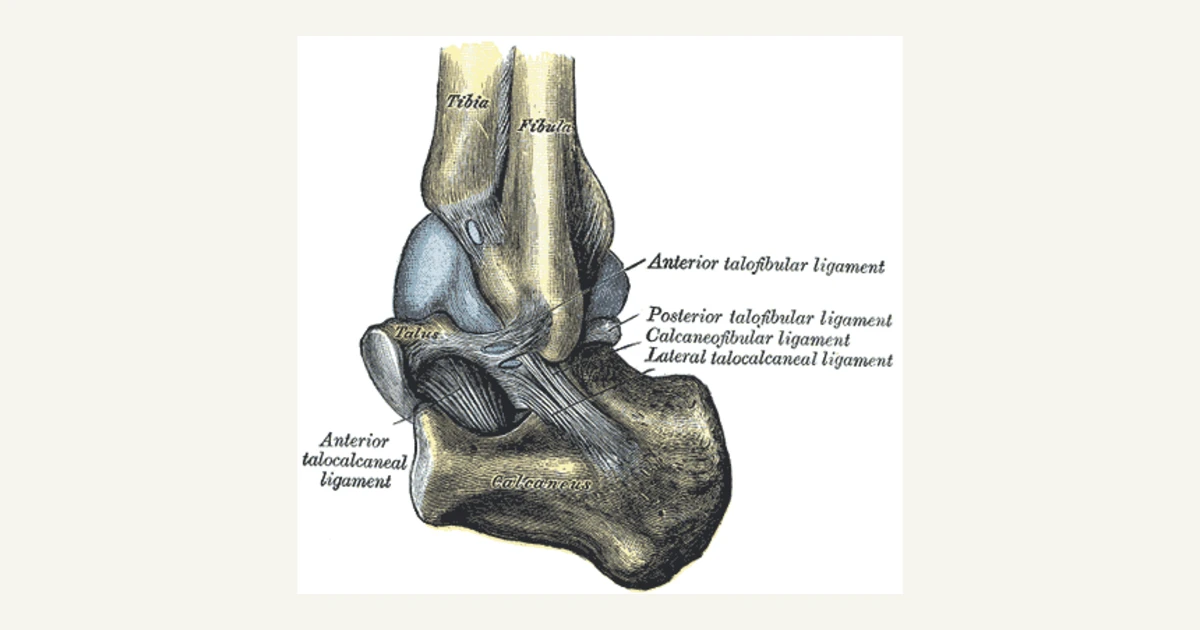
The ankle is a complex hinge that houses bones, ligaments, tendons, and cartilage. When running, these structures undergo immense pressure. Over time, the constant ankle strain may lead to a stress fracture, inflammation, and pain in the front of the ankle.
In the following sections, we will delve deeper into the causes, symptoms, and treatment options for ankle pain caused by impingement in runners. Understanding this condition can help sufferers take proactive steps to prevent ankle pain after running.
Common Causes of Ankle Pain in Runners
Ankle pain is a prevalent issue among runners, often complicating accurate diagnosis due to the overlapping symptoms of various running-related injuries. With ankle pain, running can feel like a chore. It prevents you from enjoying what you love or engaging in your hobby.
To effectively address ankle pain, it’s important to understand the common causes.
Overuse Injuries
One of the most common causes of ankle pain in runners is overuse injuries. These injuries are common among runners due to the repetitive impact of hitting the ground approximately 1,700 times per mile when running at a 10-minute-per-mile pace. This constant stress on the ankles, knees, and hips can lead to the following conditions that manifest ankle pain:
Achilles Tendinitis
Tendinitis frequently afflicts runners, causing inflammation and pain in the Achilles tendon, the connector of your heel bone to your calf. On the other side of the ankle, peroneal tendinitis can develop, impacting the outer side. Both conditions can mimic impingement symptoms.
Plantar Fasciitis
Inflammation of the plantar fascia, the tissue connecting the heel to the toes, can cause heel pain that may radiate to the ankle.
Stress Fractures
Stress fractures are tiny cracks in the bones caused by repetitive impact. These can occur in the ankle, shin, or foot, and often come with gradual onset pain.
Ankle Sprain and Strain
These are common overuse injuries resulting from sudden twists or rolls of the ankle. These injuries often involve damage to ligaments or muscles, leading to pain, swelling, and potentially chronic ankle instability.
Other Causes
Below are less common culprits to an ankle injury but contributors to ankle instability:
Anterior ankle impingement
This condition occurs when structures within the ankle joint become irritated due to repetitive motion. Runners frequently experience ankle pain caused by these triggers. Anterior ankle impingement can easily be misdiagnosed as a more common overuse injury due to the similarity in symptoms. This often leads to delayed or incorrect treatment, worsening the condition.
Arthritis
This degenerative joint disease can affect the ankle joint, causing stiffness, pain, and reduced range of motion. Osteoarthritis, the most common type, occurs when the protective cartilage at the end of the bones wears down. Rheumatoid arthritis, an autoimmune disease, can also affect the ankle joint.
Muscle Weakness
Weak muscles in the calf and lower leg, particularly the calf muscles (gastrocnemius and soleus), can contribute to ankle instability. These muscles play a crucial role in supporting the ankle joint and absorbing shock. Weakness in these muscles can increase the risk of sprains, strains, foot pain, and an injured ankle.
To accurately identify and address ankle pain, it’s essential to seek professional evaluation. Understanding these potential causes empowers runners to identify the root of their pain and explore appropriate treatment options.
Symptoms of Anterior Ankle Impingement
Pinpointing the exact source of ankle pain can be challenging. However, several symptoms commonly indicate anterior ankle impingement.
Pain
People with anterior ankle impingement often experience a deep, aching pain in the front of the ankle, which is a primary indicator. This pain typically worsens when they run, jump, or climb stairs. The severity of the pain can range from mild discomfort to intense, sharp pain.
Inflammation
Anterior ankle impingement often causes swelling and stiffness in the ankle. The affected area may appear swollen and feel tender to the touch. This inflammation limits ankle movement, making it difficult to move the joint freely.
Clicking or “Popping”
Some individuals experience a clicking or popping sensation in the ankle joint, especially during movement. This occurs when irritated tissues rub together.
Reduced Ankle Mobility
People with anterior ankle impingement often have difficulty moving their ankles. This limited mobility can hamper everyday activities such as putting on shoes or tying shoelaces.
It’s essential to differentiate ankle pain from other conditions like cramps. Cramps typically involve muscle spasms, while ankle impingement is a joint-related issue. If you suspect anterior ankle impingement, consult a healthcare professional for a proper diagnosis.
Diagnosing Anterior Ankle Impingement
Accurately diagnosing anterior ankle impingement is tricky but not impossible. Your healthcare provider will conduct a thorough physical examination to assess your ankle’s range of motion, tenderness, and stability. They will carefully examine the joint for signs of inflammation and swelling.
Imaging studies often play a vital role in confirming the diagnosis. X-rays can reveal bone spurs or other structural abnormalities contributing to the impingement. In some cases, an MRI may be necessary to visualise soft tissue damage, such as ligament or tendon injuries.
Early and accurate diagnosis is essential to prevent the condition from worsening and to develop an appropriate treatment plan.
Treating Anterior Ankle Impingement
The treatment approach for anterior ankle impingement depends on the severity of the condition. Many cases can be managed conservatively, while others may require surgical intervention.
Conservative Treatment
Initial treatment often focuses on reducing inflammation and pain while allowing the ankle to heal. Non-invasive modalities include:
- Rest and Ice: Reduce activity and ice the affected ankle to decrease inflammation and speed up the recovery process.
- Orthotics or Shoe Modifications: Custom orthotics or specific running shoes can provide additional support, correct foot alignment, and reduce stress on the ankle joint.
- Medications for pain and inflammation: Pain relief and anti-inflammatory medication are a decision for your doctor or pharmacist.
Physical Therapy
Similar to the approach used in ankle fracture physiotherapy treatment or physiotherapy for ankle sprain, the goal is to improve normal ankle function and prevent future injuries.
Still considered a conservative method, physical therapy is the first line of treatment in managing anterior ankle impingement. It addresses pain, inflammation, and improves range of motion.
A well-structured physical therapy program can significantly improve outcomes and reduce the need for surgical intervention. A skilled physical therapist at a clinic like Phoenix Rehab in Singapore can develop a personalised treatment tailored to your needs. This may include exercises to strengthen ankle muscles, stretching, and manual therapy techniques to address tissue restrictions.
Corticosteroid Injections
While these injections offer temporary relief, they can weaken tendons and ligaments with overuse.
For optimal results, healthcare providers often combine corticosteroid injections with other conservative treatments like physical therapy and rest.
Surgery
If conservative treatments fail to reduce symptoms, your doctor may consider surgical intervention. Surgical procedures aim to remove bone spurs or excess tissue causing the impingement. Recovery from ankle surgery typically involves a period of immobilization followed by physical therapy.
Preventing Anterior Ankle Impingement
While complete prevention of ankle injuries is difficult, several strategies can significantly reduce the risk of anterior ankle impingement.
Proper Running Form
Master correct running form. Focus on maintaining good posture, landing softly on the midfoot or forefoot, and avoiding excessive pronation or supination. Engaging your core muscles during runs can also help stabilize the ankle.
Strength and Flexibility
Building strength in the ankles, calves, and lower legs is essential. Incorporate exercises like calf raises, ankle circles, and balance drills into your routine. Maintaining flexibility through stretching can also help prevent tightness and strain on the ankle joint.
Appropriate Footwear
Choosing the right running shoes is vital. Opt for shoes that provide adequate support and cushioning. Consider consulting with a running specialist to find the best fit for your foot type and running style.
Gradual Progression
Avoid increasing your running distance or intensity too quickly. Gradually build up your endurance to allow your body to adapt. Cross-training activities like swimming or cycling can help reduce the impact on your ankles.
What our patients say
Google reviews from our clinics in Singapore.


Listen to Your Body
Pay attention to your body’s signals. If you experience any ankle pain, take a break from running and seek appropriate treatment. Ignoring pain can lead to more severe injuries.
Incorporate these preventive measures into your running routine to reduce the load on the front of the ankle.
When to See a Doctor
While many cases of ankle pain can be managed at home, there are instances when it’s crucial to seek professional medical attention. Consult a healthcare provider immediately if you experience:
- Severe pain that doesn’t improve with rest or over-the-counter pain relievers.
- Inability to bear weight on the affected ankle.
- Visible swelling, bruising, or deformity of the ankle.
- Numbness or tingling in the foot or ankle.
- Fever accompanied by ankle pain.
- Persistent pain that lasts for several weeks despite self-care measures.
It’s better to err on the side of caution and consult with a healthcare professional if you suspect there’s a need for immediate medical attention. Early diagnosis and treatment can help prevent complications and promote a faster recovery.
Wrap Up
Anterior ankle impingement can be a frustrating condition for runners, but understanding its causes, symptoms, and treatment options is essential for effective management. This guide aims to help you recognize the early signs of ankle pain and seek appropriate care to prevent the condition from worsening.
Observe proper running form, strength training, and appropriate footwear to prevent future ankle injuries. If you continue to experience ankle pain despite self-care measures, consult with a healthcare professional for a proper diagnosis and treatment plan. With the right approach, you can overcome ankle pain after running.
If running is where this started, running injuries lists every injury we see from it, by body part.
Running: what we focus on
It settles when you stop. It comes back when you start.
The ache that appears at the same kilometer every run. The ankle you rolled on the park connector. The knee that is fine on the flat and complains downhill. Most running injuries are loading problems, which is why rest works and then stops working.
- Achilles and calf. Heel raise capacity counted against the other side. After a rupture, the Achilles Rupture Recovery Program.
- Ankle. Ankle sprains retrained with balance and hop work. After surgery for a fracture, the Ankle Fracture Surgery Recovery Program.
- Knee. Quadriceps and hip strength, and how the knee is loaded downhill.
- Back. Lower back pain that builds with distance.
Tested, not dated. You go back when the measures say so: single-leg strength, hop tests and a graded return to distance. Pain is the first thing to leave. Strength is the last to train and recover.
WhatsApp us · Get Assessed & Treated · One 45-minute appointment, $230, nett, no GST.
Also on this site: the page on heel spurs covers what the spur on the X-ray does and does not explain.
Where are you with this right now?
1. It is settling on its own
Foot and ankle problems are slow but usually very treatable. Months rather than weeks is normal, and improvement is judged over a month, not a day. If the first steps in the morning are easier than they were four weeks ago, you are on the right road. You do not need us for this, and we would rather say so.
2. It has stopped improving
The first ten steps out of bed are still the worst part of the day. You choose shoes by how long you will be standing. You still look at the ground when you walk.
Symptoms settle well before the tissue has rebuilt its capacity, which is why stopping the loading work early is the most common reason this drags on for years. That is the gap worth measuring, and it is not measured by how you feel on the day.
The Stalled Recovery Review is three appointments over three weeks with the same therapist, because what a joint does under load cannot be read in one visit. The first finds what is limiting it. The next two measure how it responds. $690, nett, no GST, which is three appointments at $230.
3. You have had surgery, or you have a date
Recovery after an operation has a shape, and knowing which stage you are in tells you whether you are on it. See the recovery programs, or ankle physiotherapy if you are not sure which applies to you.
All of it runs on the same four stages. The Phoenix Recovery Protocol explains what each stage works on and what you have to meet to move up. No referral needed to start.
Next step
Find out which stage you are in
Pain is the first thing to leave. Movement and strength are the last things trained back, and most people stop before that part is done. One Assessment and Treatment is a single 45-minute appointment at $230, nett, no GST. Your therapist finds what is actually limiting you, treats it in the same appointment, and you leave with your current stage and a written plan.
Prefer to phone? Each of our five clinics has its own number on the clinics page. No referral needed to book.
Related reading
- physiotherapy after surgery
- ankle physiotherapy
- What Causes Heel Pain & Treatment Options
- What Are Shin Splints: Treatment Options for You
- What Is Ankle Inversion and How Can Physiotherapy Help?
- The Phoenix Recovery Protocol, and the four stages
- All recovery programs, hand and physio
- What Causes Ankle Stability?
Where we are
Clinics across Singapore
ORCHARD
400 Orchard Road #12-12
Orchard Towers, S238875
NS22 Orchard MRT
Physiotherapy and hand therapy in Orchard →
WhatsApp 8800 1830TAMPINES
9 Tampines Grande #01-20
Asia Green, S528735
EW2DT32 Tampines MRT
Physiotherapy and hand therapy in Tampines →
WhatsApp 8780 9608SERANGOON
265 Serangoon Central Drive #04-269
S550265 · Lift C only
NE12CC13 Serangoon MRT
Physiotherapy and hand therapy in Serangoon →
WhatsApp 8892 4121TANJONG PAGAR
10 Anson Road #02-77A
International Plaza, S079903
EW15 Tanjong Pagar MRT
Physiotherapy and hand therapy in Tanjong Pagar →
WhatsApp 8227 7074JURONG EAST
2 Venture Drive #02-02
Vision Exchange, S608526
NS1EW24 Jurong East MRT
Opening 20 October 2026
Physiotherapy and hand therapy in Jurong East →
WhatsApp 8242 7340