
Written by Shiv Mohan Banka, Principal Physiotherapist at Phoenix Rehab, AHPC A1302278J.Clinically reviewed by Louise Yow, Principal Physiotherapist & Director, AHPC A1300363H.Last reviewed 7 November 2026.
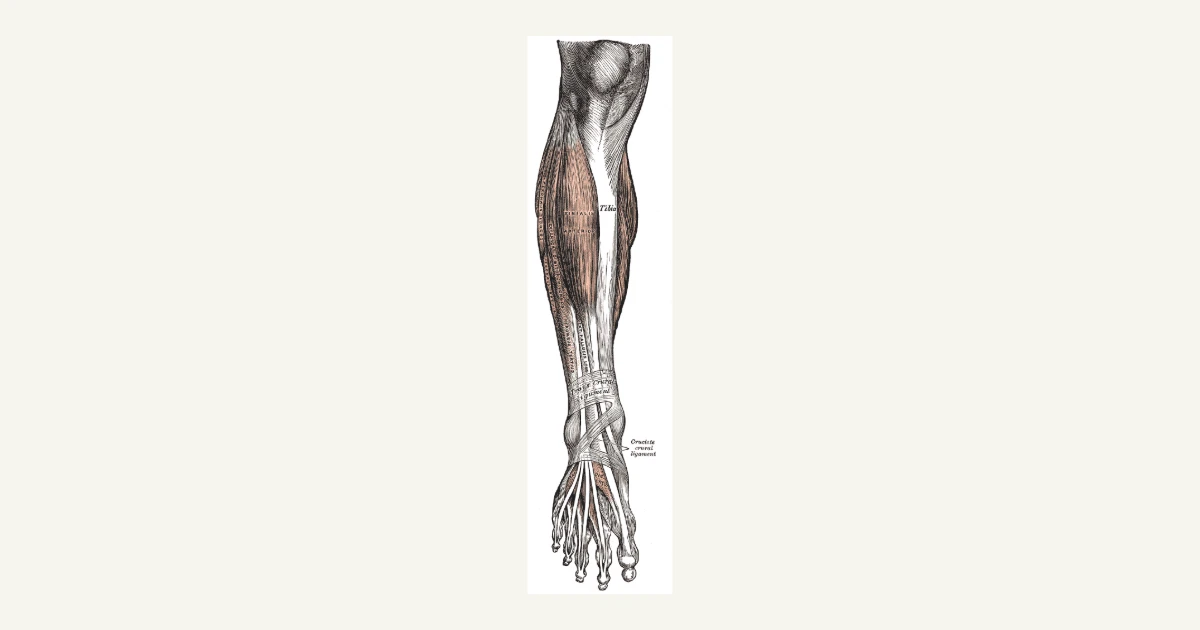
Shin splints, or medial tibial stress syndrome, is pain along the inner edge of the shin bone, spread over at least a few centimeters, brought on by running or jumping. It is the bone and the tissue attached to it reacting to more load than they are ready for. Most cases settle with less load and a graded return to running, and that commonly takes two to four months, not two weeks.
At Phoenix, shin splints are assessed and treated by our physiotherapy team at five clinics: Orchard, Tampines, Serangoon, Tanjong Pagar and Jurong East. The first visit is an Assessment & Treatment: one 45-minute appointment, one to one with a physiotherapist, $230 nett, no GST. No referral needed. WhatsApp 8336 6009 and we reply with a clinic and two times.
Key takeaways
- Shin splints is pain along the inner edge of the shin bone, spread over at least a few centimeters, brought on by running or jumping.
- Pain in one spot on the bone, pain when you hop, or pain at rest or at night points to a stress fracture, which needs a doctor and a scan.
- Most cases settle with less load and a graded return to running, which commonly takes two to four months.
- In a trial of 74 athletes, a graded running program took on average about 15 weeks to complete, and adding calf exercises or a compression stocking did not shorten it.
- A tight, swollen, very painful lower leg after an injury, especially with numbness or pain moving the toes, means the emergency department now.
First, the signs that mean a doctor, not this page
- Go to the emergency department now if the lower leg is tight, swollen and very painful after an injury, a fall or a fracture, especially with numbness, pins and needles, or pain when the toes are moved. That can be pressure building inside the muscle compartments.
- See a doctor the same day if the shin is hot, red and swollen and you have a fever, or the calf is swollen, hot and painful. If you are also short of breath or have chest pain, call 995.
- See a doctor soon if the pain is in one spot on the bone, it hurts to hop on that leg, it aches at rest or at night, you have had a stress fracture before, or your periods have become irregular or stopped while training hard. Those point to a stress fracture or low bone health, and a doctor decides on an X-ray or MRI.
None of these? Then the rest of this page is for you.
Shin splints, stress fracture or something else?
Where it hurts, how much of the bone hurts, and when in the run it starts usually sort these out.
| What you notice | What it usually points to | Who checks it |
|---|---|---|
| Ache along the inner edge of the lower half of the shin, tender over a strip several centimeters long, worst at the start of a run and often easing as you warm up | Shin splints (medial tibial stress syndrome) | A physiotherapist |
| Pain in one spot on the bone, a few centimeters or less, sore to press, hurts to hop, worse as the run goes on, aches at rest or at night | A stress fracture | A doctor, usually with an X-ray or MRI |
| Tightness, cramping or burning in the front or outside of the shin that comes on at the same distance every run, sometimes with numbness on top of the foot, and goes after you stop | Chronic exertional compartment syndrome | A sports doctor |
| Pain on the front of the shin near the ankle, worse lifting the foot, after downhill running or new shoes | The tendon on the front of the shin | A physiotherapist |
| A tender lump after a knock to the shin | A bruise on the bone | See a bruised shin |
More on telling these apart in stress fracture or shin splints.
Who gets shin splints
Most often runners, recruits in BMT and others training on their feet, and court and field players, especially in the first months of new or heavier training. A sudden jump in distance or speed is the usual trigger. In a review of studies of runners, women, people who had had shin splints before, newer runners and those with a higher body weight were more likely to get it.1 Low bone health and not eating enough for the training raise the risk of a stress fracture.
Can I keep running?
Often, with less of it. Running that leaves the shin no worse during the run and no worse the next morning is usually fine to keep, on flat ground, shorter and slower. Pain that builds through the run, pain in one spot, or pain the next morning means stop and get it checked. Swapping some runs for cycling or swimming keeps your fitness while the bone catches up.
How long do shin splints take to heal?
| Time | What usually happens |
|---|---|
| First 1 to 2 weeks | Running reduced or paused, depending on how irritable it is. Walking, cycling and strength work carry on. |
| 2 to 6 weeks | Calf and hip strength built up. Hopping tested before running returns. |
| 6 weeks to 4 months | A graded return to running: distance first, then speed and hills. In a trial of 74 athletes, completing a graded running program took on average about 15 weeks.2 |
| Longer | If it keeps coming back, or never quite settles, the training load and bone health are looked at again. |
These are typical ranges. The measures decide each step, not the calendar.
What helps this week
- Cut the running back to a level that does not make the next morning worse, on flat ground. Avoid hills, stairs and hard speed work for now.
- Keep your fitness with cycling, swimming or the cross-trainer.
- Start calf raises on both legs, then single leg, every day, as long as they do not bring the shin pain on.
- Check your shoes. If your running shoes have done many hundreds of kilometers, or you changed them just before it started, that is worth knowing.
- Ice after activity can ease the ache. Pain medication is a decision for your doctor or pharmacist.
Why it keeps coming back
You rested it for two weeks. The ache went, so you went back to your usual 5 km. By the second run the inside of the shin was aching again, and by the third you were limping on the stairs.
The race you entered is getting closer, or the IPPT or the next stage of training is. You have bought new shoes, maybe insoles, and you have stretched the calves every night.
The thinking is: rest it until the pain goes, then pick up where you left off. Rest settled the pain. It did not build what the bone and the calf can take. So the shin met the same 5 km with the same capacity as before, and gave the same answer. In the trial, adding calf exercises or a compression stocking to a graded running program did not shorten recovery.2 What changed things was the grading.
Has anyone tested how many single-leg calf raises you can do, whether you can hop without pain, and how much running your shin actually tolerates? If not, your return to running is a guess, and that includes the date you have picked.
What the Assessment & Treatment does
Finding the real problem is half the battle. Treating it is the other half.
Your physiotherapist asks where it hurts, when in the run it starts and what your training has looked like, in your words, then tests what a label does not: how much of the bone is tender, whether hopping brings it on, single-leg calf raises against the other side, hip and calf strength, and how you run. If the tests point to a stress fracture, compartment syndrome or anything that needs a doctor, we tell you and write to your doctor. Scans are theirs to order.
Most of the 45 minutes is treatment: hands-on work for the calf and shin, a strength plan for the calf and hip that starts where they are today, and your running rebuilt into a graded plan with clear steps for distance, speed and hills. You leave knowing which stage you are in, what is limiting the shin, what Stage 4 asks of it, and a written plan.
Tested, not dated. Speed and hills come back when the measures say so. Every appointment is one to one with the same physiotherapist for the full 45 minutes, with no therapy assistants. Bring your running shoes and any scan report you have.
Shin splints treatment in Singapore: who does what
- A doctor (your GP or a sports doctor) diagnoses a stress fracture or compartment syndrome, decides on X-rays, MRIs and medication, and looks at bone health where that is a question.
- A physiotherapist assesses the shin, builds the strength and running plan, and measures progress.
- A surgeon is rarely involved. Surgery is considered for some stress fractures that will not heal and for compartment syndrome that has not settled.
Questions about shin splints
How long do shin splints take to heal?
Commonly two to four months to get back to full running. In a trial of 74 athletes, completing a graded running program took on average about 15 weeks. Mild cases settle sooner. Pain that keeps coming back means the training load and bone health need another look.
How do I know if it is shin splints or a stress fracture?
Shin splints usually hurt along a strip of the inner shin several centimeters long and often ease as you warm up. A stress fracture usually hurts in one spot, hurts to hop on, gets worse as you run and can ache at rest or at night. A doctor confirms a stress fracture with an X-ray or MRI.
Can I run with shin splints?
Often a reduced amount, if the shin is no worse during the run and no worse the next morning. Pain that builds through the run, pain in one spot, or pain the next morning means stop and get it checked.
Do insoles or new shoes fix shin splints?
Sometimes they help, especially if the shoes are worn out or the foot rolls in a lot. On their own they rarely solve it. The main thing is the amount of running and how it is built back up.
Should I stretch my calves for shin splints?
Stretching is fine if it feels good, but it has not been shown to speed recovery. In one trial, adding calf stretching and strengthening to a graded running program did not shorten the time to full running.
Do I need a referral to see a physiotherapist for shin splints?
No. At Phoenix you can book a physiotherapist directly. If the assessment points to a stress fracture or anything else that needs a doctor, your physiotherapist tells you and writes to your doctor.
If running is where this started, running injuries lists every injury we see from it, by body part.
Where are you with this right now?
1. It is settling on its own
The ache is easing week on week, runs at your reduced level are not making the next morning worse, and you can hop without pain. That is the usual course. Build the running back in steps, distance before speed and hills. You do not need us for this, and we would rather say so.
2. It has stopped improving
Every time you go back to your usual run, the inside of the shin starts aching again by the second or third run. The race date or the IPPT is getting closer.
The ache going is not the same as the shin being ready for your old distance. That gap is measured, not guessed: hopping, single-leg calf raises against the other side, and how much running the shin tolerates.
What our patients say
Google reviews from our clinics in Singapore.


The Stalled Recovery Review is three appointments over three weeks with the same physiotherapist, because how a shin responds to running load cannot be read in one visit. The first finds what is limiting it. The next two measure how it responds. $690, nett, no GST, which is three appointments at $230.
3. You have had surgery, or you have a date
Surgery for shin pain is uncommon, but if you have had a fasciotomy for compartment syndrome or a fixation for a tibial stress fracture, recovery has a shape and knowing which stage you are in tells you whether you are on it. See physiotherapy after surgery.
All of it runs on the same four stages. The Phoenix Recovery Protocol explains what each stage works on and what you have to meet to move up. No referral needed to start.
Next step
Find out which stage your shin is in
Two weeks of rest, and it came back by the third run? Get Assessed & Treated, and leave knowing which stage your shin is in and how much running it can take this week.
Phoebe, our WhatsApp, replies with a clinic and two times. One 45-minute appointment, $230, nett, no GST. Bring your running shoes and any scan report. Each of our five clinics also has its own number on the clinics page.
Related reading
Sources: 1. Newman P, Witchalls J, Waddington G, Adams R. Risk factors associated with medial tibial stress syndrome in runners: a systematic review and meta-analysis. Open Access J Sports Med. 2013;4:229-241. 2. Moen MH, Holtslag L, Bakker E, Barten C, Weir A, Tol JL, Backx F. The treatment of medial tibial stress syndrome in athletes; a randomized clinical trial. Sports Med Arthrosc Rehabil Ther Technol. 2012;4:12.
Where we are
Clinics across Singapore
ORCHARD
400 Orchard Road #12-12
Orchard Towers, S238875
NS22 Orchard MRT
Physiotherapy and hand therapy in Orchard →
WhatsApp 8800 1830TAMPINES
9 Tampines Grande #01-20
Asia Green, S528735
EW2DT32 Tampines MRT
Physiotherapy and hand therapy in Tampines →
WhatsApp 8780 9608SERANGOON
265 Serangoon Central Drive #04-269
S550265 · Lift C only
NE12CC13 Serangoon MRT
Physiotherapy and hand therapy in Serangoon →
WhatsApp 8892 4121TANJONG PAGAR
10 Anson Road #02-77A
International Plaza, S079903
EW15 Tanjong Pagar MRT
Physiotherapy and hand therapy in Tanjong Pagar →
WhatsApp 8227 7074JURONG EAST
2 Venture Drive #02-02
Vision Exchange, S608526
NS1EW24 Jurong East MRT
Physiotherapy and hand therapy in Jurong East →
WhatsApp 8242 7340