
Written by Mavis Tham, Shamaine Soh and Yuna Zhuang, Principal Hand Occupational Therapists at Phoenix Rehab.Clinically reviewed by Nigel Chua, Principal Hand Occupational Therapist & Director, AHPC A1300362Z.Last reviewed 2 October 2026.
Exercise has many proven health benefits including improving overall fitness, reducing stress, and boosting mood. However, if you’re suffering from peroneal tendonitis, it may be difficult to know which exercises are safe and effective.
In this article, we will discuss some peroneal tendonitis exercises that can help relieve your pain and improve your condition. We will also provide tips for preventing recurrence and how a physical therapist can help.

What Is Peroneal Tendonitis?
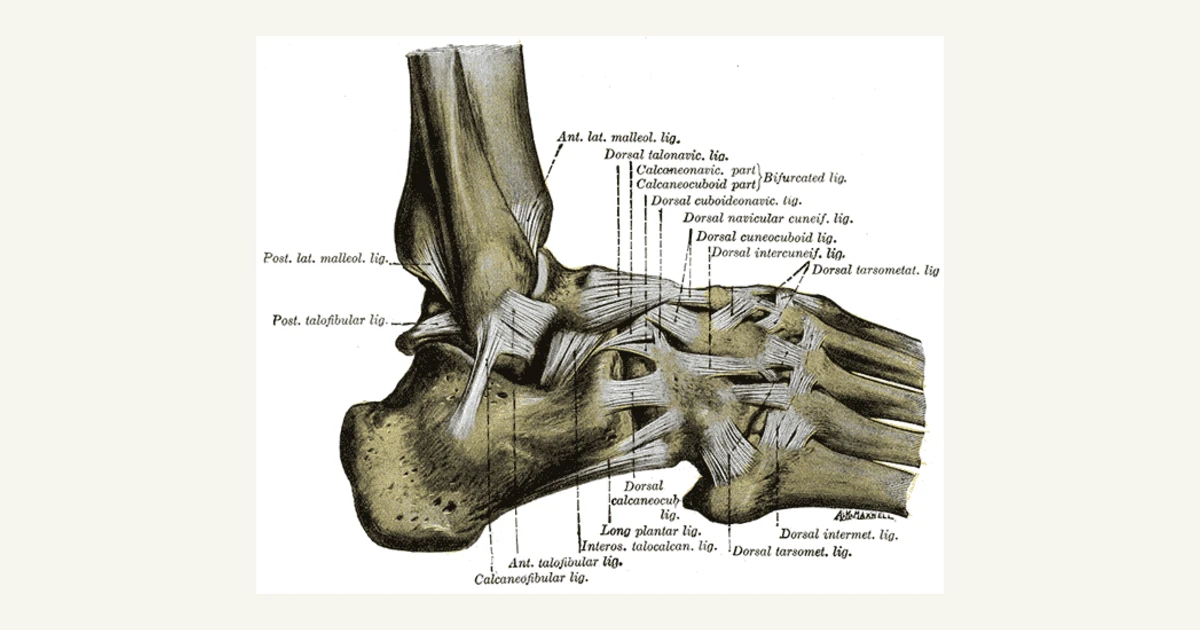
The peroneal tendon is located on the outside of the ankle, linking the peroneal muscles of the calf to the lower leg and foot. They help stabilize the ankle joint to prevent the foot from rolling inward or outward.
Peroneal tendonitis occurs when the peroneal tendons become inflamed, causing pain, swelling, and tenderness around the ankle. In Singapore, a peroneal tendon injury is often a result of athletic or sports-related activities. It can also be caused by repetitive ankle movements or injury from a sudden contraction and overuse.
What Causes Peroneal Tendonitis?
A combination of factors causes peroneal tendonitis. Trauma to the ankle is a common trigger, such as a sprain or twist to the peroneal tendons. Additionally, overuse and repeated stress from activities like running, jumping, or prolonged standing can lead to inflammation in these tendons.
Wearing ill-fitting shoes that lack proper support and cushioning can exacerbate the risk, and so does certain medical conditions like diabetes or arthritis. The following factors also heighten the risk of peroneal tendonitis:
- Ageing
- Excessive weight
- Inflammatory disorders
- Improper technique during exercise
These factors often intertwine, contributing to the development of peroneal tendonitis. Understanding this complex interplay is important for effective prevention and treatment.
Who Usually Gets Peroneal Tendonitis?
This injury is most common in people who engage in activities that involve repetitive ankle motion, such as:
- Athletes, like runners, dancers, basketball players, and tennis players
- People with high arches
- Individuals with past ankle injuries
- People over the age of 40
- Individuals with certain medical conditions
However, anyone can develop peroneal tendonitis, regardless of age, activity level, or foot structure.
Peroneal Tendonitis Symptoms
Below are some of its common symptoms:
- Pain
- Swelling
- Tenderness
- Weakness
- Popping or snapping
13 Effective Exercises for Peroneal Tendonitis
To aid in the recovery and prevention of peroneal tendonitis, incorporating specific exercises into your routine can be beneficial. Here are some key exercises to consider:
1. Calf Wall Stretches
Lean against a wall with your feet shoulder-width apart and one leg slightly forward. Keep your back straight and bend your front knee while keeping your back leg straight. Hold for 30 seconds.
2. Standing calf stretch
Stand facing a wall with your hands placed at shoulder height. Step back with one leg, keeping your back heel on the ground. Slightly bend your front knee and lean forward until you sense a pull in your calf muscles. Hold for 30 seconds.
3. Ankle Inversion and Eversion
Sit on a chair with your feet flat on the floor. Get your affected leg crossed over your knee. Gently turn your ankles inward (inversion) and outward (eversion) for 10-15 repetitions on each side.
4. Ankle Flexion
Sit on a chair and point your toes upward as high as possible, then point them downward. Repeat 10-15 times.
5. Resisted Ankle Eversion
Sit on a chair and place a resistance band around your ankles. Gently move your ankles outward against the resistance.
6. Single Leg Calf Raises
Stand on one leg and slowly raise your heel as high as possible. Hold for a few seconds and lower slowly. Repeat 10-15 times on each leg.
7. Hamstring Doorway Stretch
Stand in a doorway with one leg forward and the other leg behind. Lean forward until you feel a stretch in your hamstrings. Hold for 30 seconds and repeat on the other side.
8. Seated Shin Muscle Stretch
Sit on a chair with your legs extended. Reach forward and grab your toes, pulling them towards your face. Hold for 30 seconds.
9. Towel Stretch
Sit on the floor with your legs extended. Place a towel under your feet and gently pull it towards you, stretching your shin muscles.
10. Heel Raises
Place your feet shoulder-width apart and slowly elevate your heels. Hold for a few seconds and lower slowly.
11. Plantar Fascia Stretch
Sit on the floor with your legs extended. Place a tennis ball under your foot and roll it back and forth.
12. Toe Raises
Stand with your feet flat on the ground and slowly raise your toes as high as possible. Hold for a few seconds and lower slowly.
13. Step Up
Step up onto a small platform or step, then step back down. Repeat 10-15 times.
Tips for Effective Exercise
To safeguard your ankles from the discomfort and potential complications of peroneal tendonitis, consider these proactive steps:
- Start slowly: Begin with a few repetitions of each exercise and gradually increase the number as you improve.
- Warm up: Before starting your exercises, do a light warm-up, such as walking or jogging for a few minutes.
- Listen to your body: Do only as much as what you think your body can take. If you experience sharp or unusual pain, seek medical attention promptly.
- Complement with non-impact cardio: Incorporate low-impact cardio activities like swimming or cycling into your routine to improve overall fitness.
- Regular medical check-ups: Monitor your progress and address any concerns with your healthcare provider through regular visits.
- Keep records: Track your exercises, including the number of repetitions, sets, and any discomfort you experience.
- Consult your doctor before starting exercise: If you have any underlying health conditions or concerns, it’s important to consult with your healthcare provider before beginning a new exercise regimen.
Other Treatment Options to Relieve Pain
Treating peroneal tendonitis is possible using management or conservative methods like RICE, pain medications, and physical therapy.
RICE
RICE is a common acronym used to describe a self-care approach:
- Rest: Avoid activities that worsen the condition and allow the injured area to rest.
- Ice: Apply an ice pack to the affected area to reduce inflammation and pain (15-20 minutes).
- Compression: Wrap the injured ankle with an elastic bandage for support.
- Elevation: Keep the affected foot elevated above the heart to help reduce swelling.
Over-the Counter Medications
OTC anti-inflammatory medications or pain relievers can help reduce pain and inflammation. Consult with a healthcare provider before starting any new medication.
Physical Therapy
Physiotherapy for ankle pain is another effective method to help manage or treat peroneal tendonitis. A skilled physical therapist from Phoenix Rehab in Singapore can provide a personalised and targeted exercise program tailored to your needs. This includes stretches to strengthen the peroneal tendons and improve ankle stability. They may also employ modalities used in ankle injury physiotherapy like ultrasound or electrical stimulation to reduce pain and inflammation.
Massage therapy is also particularly helpful in improving blood flow, reducing muscle tension, and promoting healing. Physiotherapists may incorporate techniques like deep tissue massage or myofascial release to address the affected area.
Conclusion
Proper rest, strengthening exercises, and stretches can help relieve pain from peroneal tendonitis when done right. A personalised physical therapy program tailored to your unique condition and needs can provide valuable guidance and support throughout your recovery.
What our patients say
Google reviews from our clinics in Singapore.


Where are you with this right now?
1. It is settling on its own
Most injuries and most flare-ups settle over weeks with sensible load management and a return to normal movement. Improvement is judged over a month, not over a day, and good days and bad days inside that are usual. If you are doing more this month than last, and sleeping better, it is behaving the way it should. You do not need us for this, and we would rather say so.
2. It has stopped improving
You have adapted without noticing. The other side takes the load, you plan movements you used to make without thinking, and you have quietly dropped things you used to do.
Pain is the first thing to leave. Movement and strength are the last things trained back, and most people stop before that part is done. That is the gap worth measuring, and it is not measured by how you feel on the day.
The Stalled Recovery Review is three appointments over three weeks with the same therapist, because what a joint does under load cannot be read in one visit. The first finds what is limiting it. The next two measure how it responds. $690, nett, no GST, which is three appointments at $230.
3. You have had surgery, or you have a date
Recovery after an operation has a shape, and knowing which stage you are in tells you whether you are on it. See the recovery programs, hand and physiotherapy, or the four stages and what each one works on if you are not sure which applies to you.
All of it runs on the same four stages. The Phoenix Recovery Protocol explains what each stage works on and what you have to meet to move up. No referral needed to start.
Next step
Find out which stage you are in
Pain is the first thing to leave. Movement and strength are the last things trained back, and most people stop before that part is done. One Assessment and Treatment is a single 45-minute appointment at $230, nett, no GST. Your therapist finds what is actually limiting you, treats it in the same appointment, and you leave with your current stage and a written plan.
Prefer to phone? Each of our five clinics has its own number on the clinics page. No referral needed to book.
Related reading
Where we are
Clinics across Singapore
ORCHARD
400 Orchard Road #12-12
Orchard Towers, S238875
NS22 Orchard MRT
Physiotherapy and hand therapy in Orchard →
WhatsApp 8800 1830TAMPINES
9 Tampines Grande #01-20
Asia Green, S528735
EW2DT32 Tampines MRT
Physiotherapy and hand therapy in Tampines →
WhatsApp 8780 9608SERANGOON
265 Serangoon Central Drive #04-269
S550265 · Lift C only
NE12CC13 Serangoon MRT
Physiotherapy and hand therapy in Serangoon →
WhatsApp 8892 4121TANJONG PAGAR
10 Anson Road #02-77A
International Plaza, S079903
EW15 Tanjong Pagar MRT
Physiotherapy and hand therapy in Tanjong Pagar →
WhatsApp 8227 7074JURONG EAST
2 Venture Drive #02-02
Vision Exchange, S608526
NS1EW24 Jurong East MRT
Opening 25 October 2026
Physiotherapy and hand therapy in Jurong East →
WhatsApp 8242 7340