
Written by Zita Sham, Principal Physiotherapist at Phoenix Rehab, AHPC A1302159H.Clinically reviewed by Louise Yow, Principal Physiotherapist & Director, AHPC A1300363H.Last reviewed 8 October 2026.
Tendon injuries can throw a wrench in your active lifestyle, especially if you’re into sports or activities that put extra strain on your ankles. Peroneal tendon injuries are particularly tricky, as they’re not just painful but can also slow you down if you don’t treat them the right way. In this guide, we’ll walk you through how to treat these injuries and, more importantly, how to prevent them so you can keep up with your routine.
Peroneal Tendons: What and Where Are They
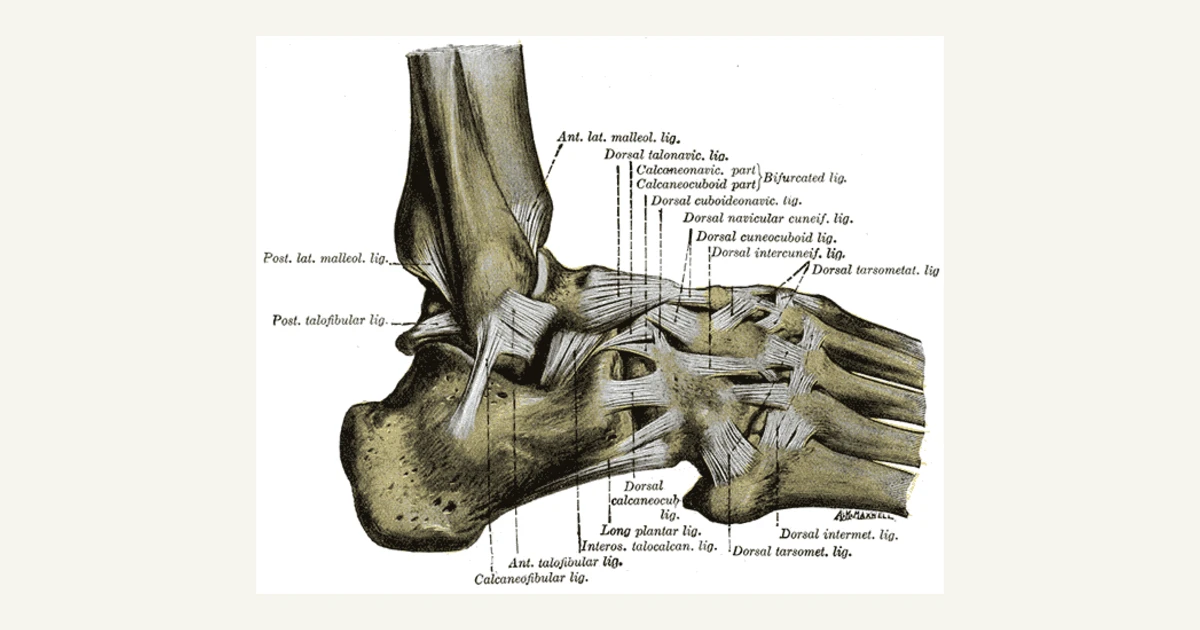
Peroneal tendons are two tendons located on the outside of the lower leg, running behind the ankle bone. These two tendons, peroneus longus and peroneus brevis, are located on the lateral aspect of the lower leg, running along the outer ankle bone (lateral malleolus) and attaching to the first metatarsal and fifth metatarsal, respectively.
The peroneal tendon attaches to the bones in the foot. Its primary function is to stabilize the foot’s arch, support the ankle during motion, and prevent excessive rolling of the foot. If you happen to develop peroneal tendonitis, you may experience pain and inflammation along the outer side of the ankle.
What Is a Peroneal Tendon Injury?
A peroneal tendon injury occurs when these tendons sustain damage, which can range from inflammation (peroneal tendonitis) to tears or ruptures. If you wonder what a peroneal tendon tear feels like, expect sudden, severe pain, often described as a “popping” or “snapping” sensation along the outer side of the ankle. Meanwhile, partial tears involve damage to the tendon fibers but leave it largely intact. In contrast, full ruptures result in complete severance, significantly impairing functionality.
Another known peroneal tendon injury is subluxation. This occurs when one peroneal tendon slips out of place due to a weakened or torn superior peroneal retinaculum, causing instability and discomfort.
Let’s elaborate on the types of peroneal tendon injury below.
Types of Peroneal Tendon Injury
Peroneal tendon injuries can be acute or chronic. Below are the basic types:
- Acute Tears: Typically caused by sudden trauma, such as twisting the ankle during sports or accidents.
- Chronic Tears: Develop over time due to repetitive ankle motion or untreated peroneal tendonitis
- Subluxation or Dislocation: The tendons shift out of their usual position, often after an ankle sprain
- Peroneal Tendonitis: Inflammation of the tendons or the peroneal tendon sheath that surrounds them
- Degenerative Tears (Tendinosis): Usually caused by overuse and can develop over the years. The tendon thins and frays, similar to an overstretched taffy
- Ankle Sprains: Can injure the peroneal tendons, especially if the foot is forcefully turned inward
Who Are More Likely To Get Injured?
Certain factors increase the likelihood of developing peroneal tendon injuries. People with the following habits or who engage in these activities may be more prone to peroneal tendon injury.
- Athletes who play sports that involve repetitive ankle movements, like basketball, running long distances, or skiing
- People with high foot arches, which increase strain on the peroneal tendons
- Chronic instability, previous ankle injuries, or weak ligaments like the calcaneofibular ligament
- Prolonged periods of activity without rest or inadequate warm-up
- People with tight calf muscles
- People over 40
- Not stretching before physical activities
- Wearing inappropriate footwear
- Poor training form
Injury Complications
Left untreated, tendon injuries can lead to chronic ankle instability, causing recurrent ankle sprains. Damage to the tendon sheath and surrounding soft tissues can also complicate the injury, causing permanent weakness in the foot and ankle muscles.
Peroneal Tendon Injury Symptoms
Symptoms of peroneal tendon injuries can vary depending on the type and severity of the injury. It generally includes the following:
- Peroneal tendon pain along the lateral ankle, on the outside border of the foot, or in the lower leg
- Swelling around the ankle
- Feeling unstable when walking, especially on uneven surfaces
- Warmth in the affected area
- A popping noise when the injury occurs
- Weakness in the ankle
- An increase in the height of the arch
- A snapping feeling around the ankle bone
Symptoms can develop suddenly or over time. Pain often worsens during activity or after rest, and first thing in the morning.
Causes of Peroneal Tendon Injuries
These injuries are caused by a number of factors:
- Sudden trauma, such as an ankle sprain
- Repetitive ankle motion during sports or physical activity
- Overuse, especially in people with high arches or flat feet
- Improper footwear lacking ankle support
- Tight calves or other muscles in the feet or legs can contribute to injury
Other factors that can increase the risk of injury include older age, being overweight, diabetes, inflammatory conditions, and previous foot or ankle surgery.
Diagnosing Peroneal Tendon Injuries
Peroneal tendon injuries can be underdiagnosed or misdiagnosed, and they can have poor healing tendencies. Thus, a proper diagnosis is key to effective treatment. Foot and ankle surgeons will conduct a physical exam, assessing tenderness, swelling, and instability. Advanced tools like an MRI scan or imaging tests may reveal tendon tears, damage to the tendon sheath, or other complications.
How To Treat a Peroneal Tendon Injury
Conservative methods are proven effective in treating and managing peroneal tendon injury, such as ankle pain physiotherapy, bracing, RICE, and more. Surgery and other invasive methods are typically reserved for complicated cases. Let’s explore the following treatment options.
Conservative Treatments
The key components of peroneal tendon injury treatment for mild injuries in the peroneal tendon include RICE:
- Rest: Avoid activities that aggravate pain, including running or jumping, and limit weight-bearing on the affected foot as needed.
- Ice: Apply ice packs to the affected area for 20 minutes at a time, several times a day to reduce inflammation.
- Compression: Use a bandage or compression sleeve to provide support and minimize swelling.
- Elevation: Keep the foot elevated above the heart level when resting to reduce swelling.
Pain relief and anti-inflammatory medication are a decision for your doctor or pharmacist.
Once the initial inflammation subsides, a physical therapist can guide you through exercises to strengthen the peroneal tendons and improve the ankle’s range of motion. Providers of ankle sprain treatment physiotherapy in Singapore, like Phoenix Rehab, create a personalised treatment plan for bone, muscle, joint, and tendon pain and injuries. Let’s discover how this works.
Physiotherapy
Physical therapy focuses on strengthening the peroneal muscles and improving ankle stability. Stretching exercises, especially for the peroneus longus tendon and peroneus brevis, help prevent future injuries. Essentially, targeted exercises for a peroneal tendon injury focus on improving the ankle range of motion, strengthening the muscles around the ankle (including the calf muscles), and enhancing balance and proprioception. These often utilise stretches, resistance bands, and bodyweight exercises, with a gradual progression to functional activities depending on the severity of the injury.
Surgery
For severe injuries like ruptures, surgical treatment may be necessary to repair or reconstruct the damaged tendons. Surgeons may also address associated conditions, such as a torn superior peroneal retinaculum or damaged soft tissues.
Treatment Complications
Complications may include infection, prolonged tendon pain, or delayed healing. It’s crucial to follow post-operative care guidelines.
Recovery Time
Recovery varies depending on the injury’s severity and treatment method. Conservative treatments may take 6 to 8 weeks, while surgery could require several months.
What You Can Do at Home
Conservative treatment methods above are usually doable at home. However, it’s equally important to seek professional guidance on the steps to healing and recovery.
How To Prevent a Peroneal Tendon Injury
To prevent a peroneal tendon injury, focus on proper warm-up and cool-down routines. Below are simple things you can do to prevent a peroneal tendon injury:
- Stretching the calf and peroneal muscles before exercise
- Gradually increasing activity intensity
- Wearing supportive footwear suitable for your activity
- Maintaining a healthy weight
- Avoiding pushing through pain in your ankle or foot
When You Should See a Doctor
If foot or ankle pain persists or you experience signs of subluxation or chronic instability, consult an ankle clinician. These are the areas your questions must cover:
- Severity of the injury: How serious is my peroneal tendon injury? Is it a strain, partial tear, or complete rupture?
- Diagnosis confirmation: What tests are needed to confirm the diagnosis (e.g., X-ray, MRI, ultrasound)?
- Treatment options: What is the recommended course of treatment for my injury (e.g., rest, ice, compression, elevation, physical therapy, medication, surgery)?
- Recovery timeline: How long can I expect to recover from this injury?
- Activity restrictions: What activities should I avoid during recovery and when can I gradually return to my normal activities?
- Physical therapy exercises: What specific exercises should I do to strengthen my ankle and peroneal tendons?
- Pain management: What pain medication options are available to manage discomfort?
- Potential complications: What are the potential complications of a peroneal tendon injury and what should I look out for?
- Follow-up appointments: When should I schedule a follow-up appointment to assess my progress?
Conclusion
A peroneal tendon injury can disrupt daily life if not addressed promptly. Proper diagnosis, timely treatment, and preventive measures are essential to improve function and reduce the risk of recurrence. Whether you’re an athlete or someone prone to ankle instability, understanding how to care for your foot and ankle health is crucial for staying active and pain-free.
Also on this site: the page on eversion ankle injuries covers the less common sprain to the inside of the ankle.
Where are you with this right now?
1. It is settling on its own
Most injuries and most flare-ups settle over weeks with sensible load management and a return to normal movement. Improvement is judged over a month, not over a day, and good days and bad days inside that are usual. If you are doing more this month than last, and sleeping better, it is behaving the way it should. You do not need us for this, and we would rather say so.
2. It has stopped improving
You have adapted without noticing. The other side takes the load, you plan movements you used to make without thinking, and you have quietly dropped things you used to do.
What our patients say
Google reviews from our clinics in Singapore.



Pain is the first thing to leave. Movement and strength are the last things trained back, and most people stop before that part is done. That is the gap worth measuring, and it is not measured by how you feel on the day.
The Stalled Recovery Review is three appointments over three weeks with the same therapist, because what a joint does under load cannot be read in one visit. The first finds what is limiting it. The next two measure how it responds. $690, nett, no GST, which is three appointments at $230.
3. You have had surgery, or you have a date
Recovery after an operation has a shape, and knowing which stage you are in tells you whether you are on it. If you had surgery on the ankle, see the Ankle Ligament Reconstruction Recovery Program or the Ankle Fracture Surgery Recovery Program. For a peroneal tendon repair on its own, or any other operation, see all the recovery programs, hand and physiotherapy.
All of it runs on the same four stages. The Phoenix Recovery Protocol explains what each stage works on and what you have to meet to move up. No referral needed to start.
Next step
Find out which stage you are in
Pain is the first thing to leave. Movement and strength are the last things trained back, and most people stop before that part is done. One Assessment and Treatment is a single 45-minute appointment at $230, nett, no GST. Your therapist finds what is actually limiting you, treats it in the same appointment, and you leave with your current stage and a written plan.
Prefer to phone? Each of our five clinics has its own number on the clinics page. No referral needed to book.
Related reading
Where we are
Clinics across Singapore
ORCHARD
400 Orchard Road #12-12
Orchard Towers, S238875
NS22 Orchard MRT
Physiotherapy and hand therapy in Orchard →
WhatsApp 8800 1830TAMPINES
9 Tampines Grande #01-20
Asia Green, S528735
EW2DT32 Tampines MRT
Physiotherapy and hand therapy in Tampines →
WhatsApp 8780 9608SERANGOON
265 Serangoon Central Drive #04-269
S550265 · Lift C only
NE12CC13 Serangoon MRT
Physiotherapy and hand therapy in Serangoon →
WhatsApp 8892 4121TANJONG PAGAR
10 Anson Road #02-77A
International Plaza, S079903
EW15 Tanjong Pagar MRT
Physiotherapy and hand therapy in Tanjong Pagar →
WhatsApp 8227 7074JURONG EAST
2 Venture Drive #02-02
Vision Exchange, S608526
NS1EW24 Jurong East MRT
Opening 25 October 2026
Physiotherapy and hand therapy in Jurong East →
WhatsApp 8242 7340