
Written by Zita Sham, Fairuuz Saleh and Shiv Mohan Banka, Principal Physiotherapists at Phoenix Rehab.Clinically reviewed by Louise Yow, Principal Physiotherapist & Director, AHPC A1300363H.Last reviewed 28 September 2026.
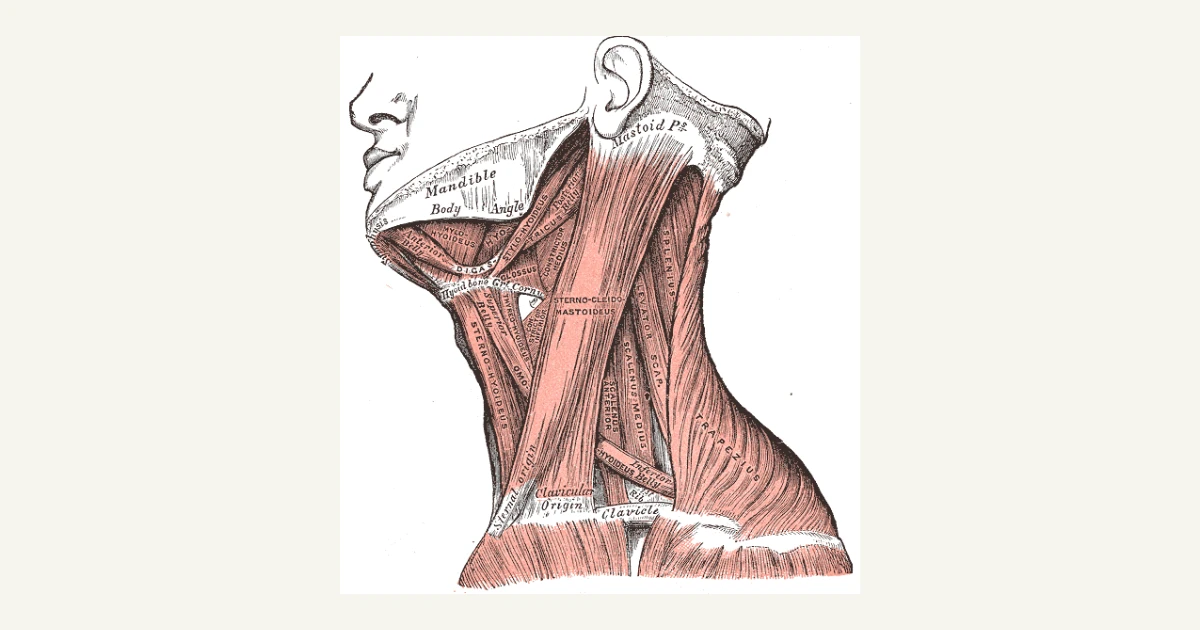
Neck and jaw pain often go hand-in-hand due to their close proximity. If you ever feel a connection between the pain in your neck and the discomfort in your jaw, it’s usually not uncommon. Understanding their anatomical relationship can help you manage your symptoms more effectively. In this article, we’ll discuss what causes jaw and neck pain, its symptoms, diagnosis, and potential treatment.

What Causes Neck and Jaw Pain?
Neck and jaw pain can be caused by a variety of factors, including temporomandibular joint or TMJ disorders. The temporomandibular joints in the jaw enable various functions like chewing, swallowing, yawning, and speaking. A TMJ disorder occurs when the jaw joint, located just in front of the ear, becomes inflamed or misaligned. Let’s break down the specifics below.
Temporomandibular Joint Disorder (TMJ)
Temporomandibular disorders primarily affect the jaw joint and surrounding muscles. It sometimes leads to neck and shoulder pain manifested in various ways such as dull ache, sharp pain, and one-sided pain.
Teeth grinding
Clenching or grinding your teeth, especially at night, can strain the jaw muscles and joints. This can lead to muscle tension, inflammation, and pain in the neck and jaw.
Stress
Excessive stress can lead to muscle tension in the neck and jaw. Additionally, stress can exacerbate existing jaw pain or discomfort.
Arthritis
If you have arthritis in your neck or jaw joints, it can lead to inflammation, stiffness, and limited range of motion. This can make it difficult to move your neck and jaw and contribute to muscle tension and pain.
Sinus infections
When your sinuses become inflamed and congested, it can put pressure on the nerves and muscles in your face and neck. This can lead to pain, tenderness, and discomfort in these areas and even cause headaches and facial pressure.
Swollen lymph nodes
These small, bean-shaped structures are part of the immune system. Infection or other health problems can enlarge your lymph nodes. Swollen lymph nodes in the neck can also cause jaw pain.
Trauma
A blow to the face or neck can result in jaw injury. For instance, a broken or dislocated jaw can cause significant pain, swelling, and difficulty opening and closing your mouth. This can also affect the position of your neck and lead to neck pain and stiffness.
Habits
Nail-biting, gum chewing, or using a toothpick excessively can strain the jaw muscles. These repetitive actions can put undue stress on the jaw joints and muscles, leading to pain, tenderness, and even damage teeth. Over time, these habits can contribute to chronic jaw pain and discomfort.
Heart attack
In rare cases, jaw pain can be a symptom of a heart attack, especially in women. If you’re experiencing neck and jaw pain along with chest pain, shortness of breath, sweating, or nausea, seek immediate medical attention.
Symptoms of Neck and Jaw Pain
In addition to pain in the neck and jaw, you may also experience the common symptoms below.
Headaches
Tension headaches and migraines are often caused by muscle tension in the neck and shoulders. You may experience nausea, vomiting, and sensitivity to light and sound.
Ear pain
Ear pain can sometimes be a result of pain originating from the jaw or neck, known as referred pain.
Facial pain
Excessive stress or underlying conditions can lead to facial muscle tension, pain, and discomfort. This can make everyday activities like chewing and smiling uncomfortable.
Jaw clicking or popping
Misalignment or inflammation of the jaw joint from a TMJ disorder can cause jaw clicking or popping. This can be a sign of underlying issues that require medical attention.
Difficulty opening or closing your mouth
Tight jaw muscles or TMJ disorder can make it difficult to open or close your mouth. This can impact your ability to eat, speak, and yawn.
Limited jaw movement
Muscle tension or TMJ disorder can restrict jaw movement, affecting your overall quality of life.
Muscle tension
Excessive stress can cause muscle tension in the neck, jaw, and facial muscles.
Fatigue
Chronic pain or stress can contribute to fatigue, making it difficult to concentrate, sleep, and perform daily tasks. This can significantly impact your overall well-being.
Diagnosing Neck and Jaw Pain
Your doctor will likely conduct the following steps to diagnose the cause:
- Medical history: Your doctor will ask about your symptoms, including when they started, their severity, and any aggravating or relieving factors.
- Physical examination: They will examine your neck, jaw, and teeth, looking for tenderness, swelling, or limited range of motion.
- Imaging tests: X-rays, CT scans, or MRIs may be used to check for structural abnormalities in the jaw, neck, or teeth.
- Dental evaluation: A dentist may examine your teeth and jaw to identify any dental issues contributing to the pain.
Treating Neck and Jaw Pain
Treatment for neck and jaw pain depends on the underlying cause. Below are common treatment options.
Medication or Muscle Relaxants
Your healthcare provider may prescribe muscle relaxers to reduce muscle tension. Over-the-counter pain relievers or prescription medications can also help manage pain and inflammation.
Mouthguard
A custom-made mouthguard can help prevent teeth grinding and reduce strain on the jaw joints.
Botox
Injections of Botox can help relax the jaw muscles and reduce pain.
Surgery
In severe cases, surgery may be necessary to correct structural abnormalities or address underlying conditions.
Physical Therapy
Neck pain physiotherapy can help improve jaw function, strengthen the jaw muscles, and improve posture. Certain exercises, massage, and posture training can also be beneficial.
Skilled neck pain clinicians in Phoenix Rehab Singapore help you navigate through the cycle of enduring neck and jaw pain without the need for invasive methods. They treat persistent neck pain through a tailored treatment plan that best addresses individual needs.
When Should I See a Doctor?
Consult a doctor if conservative treatment or self-management approaches don’t relieve neck and jaw pain. Sometimes, these symptoms can be causes of more serious health conditions. A healthcare provider can help determine the underlying cause, conduct a proper diagnosis, and recommend appropriate treatment.
Tips for Your Doctor Visit
When visiting your doctor to discuss neck and jaw pain, consider these tips.
Be specific about your symptoms.
Provide as much detail as possible about the location, intensity, duration, and frequency of your pain.
Note any aggravating or relieving factors.
Identify activities, postures, or foods that seem to worsen or improve your symptoms.
Mention any recent injuries or illnesses.
Inform your doctor about any accidents, falls, or infections that may be related to your pain.
Be honest about your habits.
Discuss any habits that might be contributing to your pain, such as teeth grinding or nail-biting.
Ask questions.
Don’t hesitate to ask your doctor about the possible causes, treatment options, and prognosis for your condition.
Follow your doctor’s recommendations.
Adhere to any prescribed medications, physical therapy exercises, or lifestyle changes
Keep a journal.
Record your consultation, recommendations, and relevant information to help in your healing journey.
What You Can Do at Home
In addition to professional treatments, you can take steps at home to manage neck and jaw pain and prevent future discomfort.
What our patients say
Google reviews from our clinics in Singapore.



Eat soft foods.
Avoid hard or chewy foods that can strain your jaw.
Rest and avoid aggravating activities.
Rest your neck and jaw, and avoid activities that worsen your pain.
Apply ice or heat.
Ice can help reduce inflammation, while heat can help relax muscles.
Stress relief.
Practise stress reduction techniques, such as meditation, deep breathing, or yoga.
Break bad habits.
Avoid nail-biting, gum-chewing, and other habits that can strain your jaw.
Conclusion
Neck and jaw pain can be disruptive to everyday life. Worse, it can be a symptom of a more serious health condition. See a doctor if neck pain does not go away on its own for a few days or weeks. They can identify underlying causes and recommend the appropriate treatment and management moving forward.
Where are you with this right now?
1. It is settling on its own
Most neck pain settles within a few weeks. Stiffness in the morning that eases as you move is usual, and so is pain that flares after a long day at a desk. If the range is coming back and the headaches are less frequent, it is settling the way it should. You do not need us for this, and we would rather say so.
2. It has stopped improving
You reverse the car using the mirrors. You reset your shoulders every twenty minutes and it lasts twenty minutes.
A neck that stops hurting is not the same as a neck that holds up. The deep neck and shoulder blade muscles are trained back, not waited back. That is the gap worth measuring, and it is not measured by how you feel on the day.
The Stalled Recovery Review is three appointments over three weeks with the same therapist, because what a joint does under load cannot be read in one visit. The first finds what is limiting it. The next two measure how it responds. $690, nett, no GST, which is three appointments at $230.
3. You have had surgery, or you have a date
Recovery after an operation has a shape, and knowing which stage you are in tells you whether you are on it. See the recovery programs, or neck physiotherapy if you are not sure which applies to you.
All of it runs on the same four stages. The Phoenix Recovery Protocol explains what each stage works on and what you have to meet to move up. No referral needed to start.
Next step
Find out which stage you are in
Pain is the first thing to leave. Movement and strength are the last things trained back, and most people stop before that part is done. One Assessment and Treatment is a single 45-minute appointment at $230, nett, no GST. Your therapist finds what is actually limiting you, treats it in the same appointment, and you leave with your current stage and a written plan.
Prefer to phone? Each of our five clinics has its own number on the clinics page. No referral needed to book.
Related reading
- physiotherapy after surgery
- neck physiotherapy
- Neck Pain: How to Work Out What Is Going On and What to Do About It
- Cervicogenic Headache Physiotherapy: What to Know
- Front Neck Pain: Possible Causes and When to Seek Help
- The Phoenix Recovery Protocol, and the four stages
- All recovery programs, hand and physio
Where we are
Clinics across Singapore
ORCHARD
400 Orchard Road #12-12
Orchard Towers, S238875
NS22 Orchard MRT
Physiotherapy and hand therapy in Orchard →
WhatsApp 8800 1830TAMPINES
9 Tampines Grande #01-20
Asia Green, S528735
EW2DT32 Tampines MRT
Physiotherapy and hand therapy in Tampines →
WhatsApp 8780 9608SERANGOON
265 Serangoon Central Drive #04-269
S550265 · Lift C only
NE12CC13 Serangoon MRT
Physiotherapy and hand therapy in Serangoon →
WhatsApp 8892 4121TANJONG PAGAR
10 Anson Road #02-77A
International Plaza, S079903
EW15 Tanjong Pagar MRT
Physiotherapy and hand therapy in Tanjong Pagar →
WhatsApp 8227 7074JURONG EAST
2 Venture Drive #02-02
Vision Exchange, S608526
NS1EW24 Jurong East MRT
Opening 20 October 2026
Physiotherapy and hand therapy in Jurong East →
WhatsApp 8242 7340