
Hand therapy after surgery · Singapore
Scaphoid Fracture Recovery Program
Written by Mavis Tham, Shamaine Soh and Yuna Zhuang, Principal Hand Occupational Therapists at Phoenix Rehab.Clinically reviewed by Nigel Chua, Principal Hand Occupational Therapist & Director, AHPC A1300362Z.Last reviewed 11 October 2026.
The scaphoid is the wrist bone with the worst blood supply and the longest cast time. Both of those are why it stiffens.
A scaphoid fracture is often mistaken for a sprain, and the treatment is unusually long whether it is casted or fixed with a screw. By the time the cast comes off, the stiffness is the problem rather than the fracture. Hand and wrist cases are managed by our hand therapy team.
No referral needed. Every first visit is one 45-minute Assessment & Treatment, $230, nett, no GST. Bring your operation note or scan report.
Where are you right now?
Four situations we see
- You are in a cast and waiting. The useful work now is the shoulder, elbow and the fingers, because those stiffen for no reason other than disuse.
- You have had a screw put in. Movement usually starts earlier than with a cast, to the timeline your surgeon sets.
- The cast is off and the wrist barely moves. Expected, and this is the part therapy is actually for.
- You were told it has not united. Nonunion is a surgical decision, not a therapy one. Go back to your surgeon first.
Why this one takes so long
The blood supply runs backwards through the bone
Most bones are fed from several directions. The scaphoid is fed mainly from one end, and the blood runs back along the bone towards the part that most commonly breaks. A fracture at the waist or the proximal end can cut the supply to the fragment furthest from the blood, which is why scaphoid fractures unite slowly, sometimes do not unite at all, and are immobilized for far longer than a fracture of similar size elsewhere.
The consequence for you is stiffness. Weeks in a cast produce a wrist that has lost range in every direction, a forearm that has lost rotation, and a grip that has dropped substantially. None of that is damage. All of it is trained back, and the rate at which it comes back is measured in degrees and kilograms rather than in how it feels.
If your wrist was sore in the snuffbox after a fall and the first x-ray was clear, that is the classic presentation of a scaphoid fracture that does not show up for a week or two. Go back to a doctor and ask specifically about it. A missed scaphoid is the one worth being annoying about.
Usually expected, and what is not
Is this normal after the cast comes off?
Almost everything about the first fortnight out of a cast feels alarming and almost none of it is.
Usually expected
- A wrist that moves through perhaps half its old range in the first week.
- A grip that is a fraction of the other side. It comes back with loading.
- An arm that looks thinner than the other one.
- Aching after activity for the first few weeks, settling within a day.
Contact your surgeon or doctor
- Sharp, localized pain at the base of the thumb that is worsening rather than settling.
- A wrist that becomes hot, swollen and very painful.
- Pain out of proportion to what you are doing, with skin color and sweating changes and extreme sensitivity to touch. That needs a doctor promptly.
- Any new deformity or a sense of the wrist giving way.
If you have sudden severe pain with a hand or arm that is cold, white or losing sensation, or you are unwell with fever and a hot swollen wound, that is an emergency department today, not a therapy appointment.
If it is not going to plan
Three months on and you still cannot take weight through the wrist
Push ups, a heavy pan, the arm of a chair. That position asks the wrist to extend fully under load and it is the last thing to come back, which means it is also the first thing people decide is permanent.
Extension range and grip strength are both numbers. If nobody has taken them, there is no way to know whether you are plateaued or just further back than you expected to be at this point.
The Stalled Recovery Review is three appointments over three weeks with the same therapist, because what tissue does under graded work cannot be read in one visit. $690, nett, no GST.
The shape of it
What happens, week by week
A scaphoid fracture is usually in a cast or splint for 6 to 12 weeks, sometimes longer, because of the way its blood supply runs. After a screw fixation, movement often starts much sooner. The weeks below run from the day the cast comes off. Your surgeon’s protocol takes precedence.
- In the castStage 1 · Calm & ProtectThe bone protected until your doctor confirms healing on imaging. Fingers, thumb tip, elbow and shoulder kept moving throughout.
- Weeks 0 to 4 out of the castStage 2 · Move & MobilizeWrist bend, straighten and forearm turning regained. Swelling and stiffness managed.
- Weeks 4 to 8 out of the castStage 3 · Rebuild & StrengthenGrip and loading through the hand once your doctor allows it. Weight through an open hand built up from a wall to a table.
- Weeks 8 to 12 out of the castStage 4 · Return & PerformPress-ups, sport and tools. Weight through the bent-back wrist tested, not assumed.
The weeks are typical ranges, not a promise. You move up a stage when you meet its criteria, and your surgeon’s protocol takes precedence over anything on this page.
The program
The four stages, and what moves you up
- Stage 1, Calm & Protect. Protection to the timeline your surgeon set, swelling managed, and the joints that are not immobilized kept moving so they do not become a second problem.
Move up when: your doctor has confirmed the bone is healing and the cast or splint can come off. - Stage 2, Move & Mobilize. Wrist flexion, extension, radial and ulnar deviation, and forearm rotation, worked in that order. Criteria to move up are degrees of range, recorded.
Move up when: wrist bend and straighten are measured at about two thirds of the other side or better, and your doctor allows load. - Stage 3, Rebuild & Strengthen. Grip measured in kilograms, then loaded. Forearm and wrist strength, and weight bearing through the hand reintroduced gradually.
Move up when: grip is measured and rising, and weight through the hand on a table does not leave the wrist sore the next day. - Stage 4, Return & Perform. The specific thing you need. A bench press, a bike, a toolbag, a baby. Measured against the other side before we call it done.
Graduate when: grip is measured against the other hand, weight through the bent-back wrist in a press-up position is comfortable, and the tasks you need have been tested.
Measured at your first appointment and again at graduation: a wrist function questionnaire, wrist bend and straighten in degrees, and grip strength in kilograms, on both hands.
Logistics
When can I…
Your surgeon decides, based on healing and what your job demands. These are typical points, not permissions.
| Activity | Typical point | What has to be true first |
|---|---|---|
| Typing, desk work | 1 to 2 weeks | In the cast or splint, with the fingers free. |
| Driving | Out of the cast | Often 6 to 12 weeks without surgery, sooner after fixation. A grip on the wheel you trust, and your surgeon agrees. |
| Lifting, carrying | 8 to 12 weeks | Your surgeon confirms the bone is healing, and Stage 3 has started. |
| Push-ups, weight through the hand | 3 months or later | Healing confirmed on imaging, and wrist extension coming back. |
| Contact sport, falls risk | 3 to 4 months or later | Stage 4 criteria met, and your surgeon’s clearance. |
| IPPT (sit-ups, push-ups, 2.4 km run) | Push-ups 3 months or later. Sit-ups and the run earlier, as your doctor allows | Your doctor confirms the bone has healed, and weight through the bent-back wrist in a press-up position is comfortable. Your unit’s medical officer decides your medical status and when you take IPPT. |
| Medical certificate | Your doctor issues it | Hand therapists do not issue MCs. We can write a report on your functional limits for your doctor or employer. |
Who you will see
The hand therapy team that runs this program
Hand, wrist and elbow cases are managed by the hand therapy team. You are matched to the therapist whose declared clinical interest fits what happened to you and the clinic that suits you, and you stay with the same therapist through the program. Every appointment is one to one with your therapist for the full 45 minutes. All are registered with the Allied Health Professions Council.
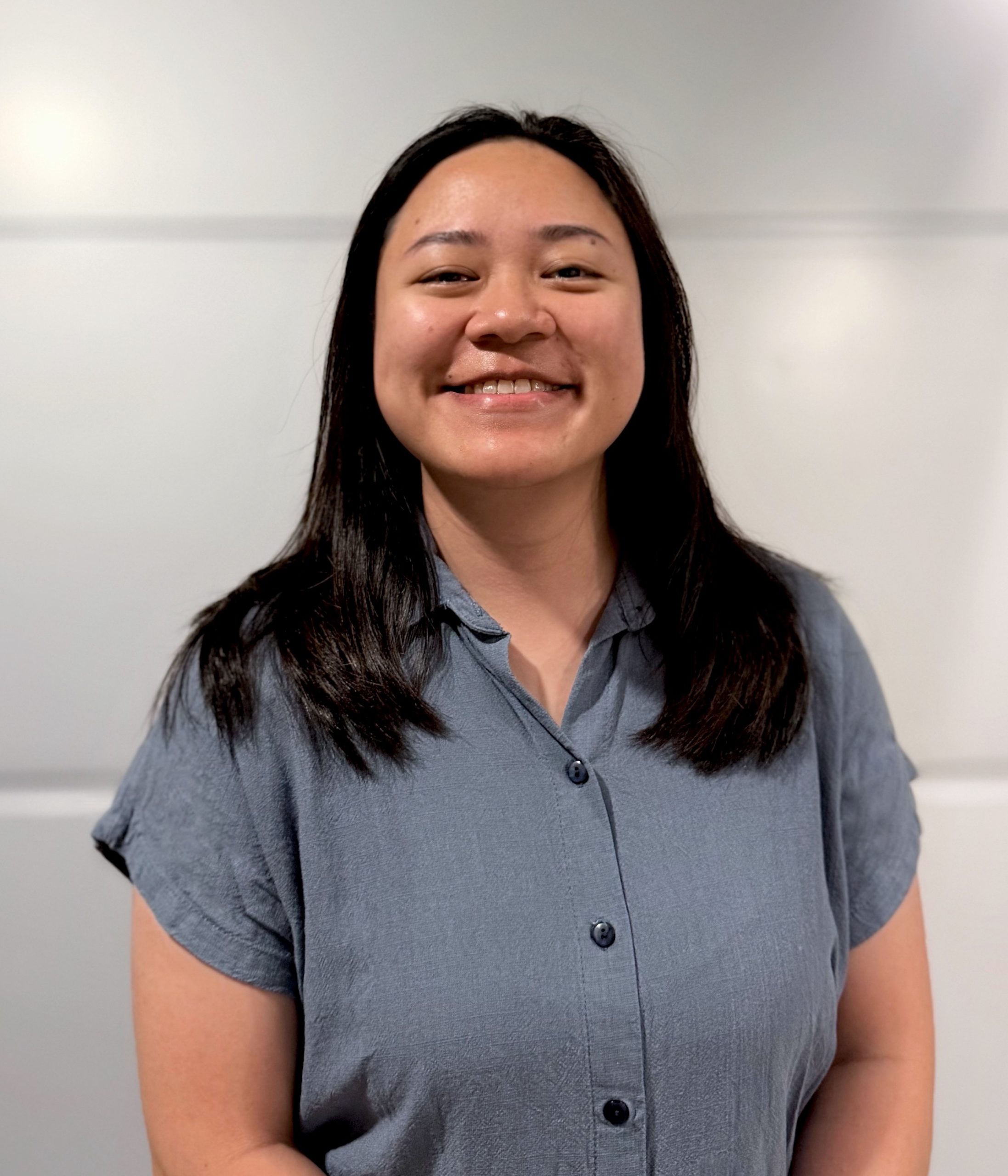
Principal Hand Occupational Therapist. Wrist fractures, TFCC and wrist ligament injuries, custom splinting.
Tanjong Pagar

Principal Hand Occupational Therapist. Stiffness and scar tightness after hand or wrist surgery.
Orchard, Sundays

Principal Hand Occupational Therapist. Carpal and cubital tunnel, sports wrist and finger injuries, tennis elbow.
What our patients say
Google reviews from our clinics in Singapore.



Orchard, Serangoon, Tampines

Principal Hand Occupational Therapist. Finger and wrist fractures, De Quervain’s, wrist ligament injuries.
Orchard

Principal Hand Occupational Therapist. TFCC and wrist ligament injuries, trigger finger, thumb and wrist pain after pregnancy.
Jurong East, from 25 October
The program belongs to Phoenix, not to one therapist. Your plan, your measurements and your surgeon’s protocol move with you if you change clinic.
What it costs
$230 per 45 minute appointment
One to one with your therapist for the whole 45 minutes. Nett, no GST. Same price for your first appointment and your last. Most of the work is range, because the immobilization was longer than for other wrist injuries and there is more range to train back. The Scaphoid Fracture Recovery Program is 12 appointments, $2,760 in all. You pay for each appointment as you attend it. If you need more, your therapist shows you which stage criteria are still open, and each extra appointment is $230.
This program runs Stages 1 to 4 of the Phoenix Recovery Protocol, and sits under hand therapy after surgery alongside the rest of our recovery programs.
Prefer to phone? Each of our five clinics has its own number on the clinics page. No referral needed to book.
Timeframes on this page are typical ranges, not promises. Where your surgeon has given you a protocol, that protocol takes precedence over anything written here.
Where we are
Clinics across Singapore
ORCHARD
400 Orchard Road #12-12
Orchard Towers, S238875
NS22 Orchard MRT
Physiotherapy and hand therapy in Orchard →
WhatsApp 8800 1830TAMPINES
9 Tampines Grande #01-20
Asia Green, S528735
EW2DT32 Tampines MRT
Physiotherapy and hand therapy in Tampines →
WhatsApp 8780 9608SERANGOON
265 Serangoon Central Drive #04-269
S550265 · Lift C only
NE12CC13 Serangoon MRT
Physiotherapy and hand therapy in Serangoon →
WhatsApp 8892 4121TANJONG PAGAR
10 Anson Road #02-77A
International Plaza, S079903
EW15 Tanjong Pagar MRT
Physiotherapy and hand therapy in Tanjong Pagar →
WhatsApp 8227 7074JURONG EAST
2 Venture Drive #02-02
Vision Exchange, S608526
NS1EW24 Jurong East MRT
Opening 25 October 2026
Physiotherapy and hand therapy in Jurong East →
WhatsApp 8242 7340