
Written by Zita Sham, Fairuuz Saleh and Shiv Mohan Banka, Principal Physiotherapists at Phoenix Rehab.Clinically reviewed by Louise Yow, Principal Physiotherapist & Director, AHPC A1300363H.Last reviewed 6 October 2026.
Tennis may appear elegant and controlled, but behind every serve and backhand is a demanding combination of speed, rotation, and repetitive force. Tennis injuries, although they may sound reserved for professionals, can affect non-athletes and recreational tennis players. Basically, anyone can suffer from overuse, poor mechanics, and fatigue.
In this guide, we’ll explore how physiotherapy supports recovery, highlights the most common tennis injuries, and provides practical prevention strategies for staying fit and strong on the court. If you also play padel, the padel injuries guide covers the elbow, calf, ankle, shoulder and wrist by body part.
Every tennis injury, by body part
Start from where it hurts. Each linked row goes to the page that covers that injury in full. Rows marked “see a doctor first” are not ours to treat first.
| Where | Injury | How tennis usually causes it |
|---|---|---|
| Wrist | ECU tendon pain, little-finger side of the wrist | Heavy topspin forehands with a western grip |
| Wrist | TFCC tear | Forehands with the wrist bent toward the little finger |
| Wrist | Hook of hamate fracture (heel of the hand) | The racquet handle pressing into the heel of the hand |
| Wrist | Scaphoid fracture | Fall on an outstretched hand |
| Elbow and forearm | Tennis elbow (outer elbow) | One-handed backhand, late contact, the wrong grip size |
| Elbow and forearm | Golfer’s elbow (inner elbow) | Topspin forehand and serve |
| Shoulder | Rotator cuff tendon pain | Serves and overheads |
| Shoulder | Shoulder impingement in throwers and servers | The arm cocked back before the serve |
| Shoulder | SLAP (labral) tear | Slowing the arm after the serve |
| Shoulder | Shoulder blade control (scapular dyskinesis) | Serve volume |
| Upper back and ribs | Abdominal strain | The serve, on the non-racquet side |
| Lower back | Low back strain | Arching and rotating on the serve |
| Lower back | Spondylolysis (low back stress fracture) | Junior players arching on the serve |
| Hip and groin | Groin strain | Wide split-steps and lunges |
| Hip and groin | Hip impingement or labral tear | Open-stance rotation |
| Thigh | Hamstring strain | Sprinting to short balls |
| Knee | Jumper’s knee (patellar tendon pain) | Split-step and serve leg drive |
| Knee | Kneecap pain | Court volume |
| Knee | Meniscus tear | Pivoting |
| Lower leg | Calf strain | Pushing off for a drop shot (tennis leg) |
| Lower leg | Achilles tendon pain | Court volume |
| Lower leg | Achilles rupture | Explosive push-off, more often in players over 30 |
| Ankle | Ankle sprain | Sideways movement and sliding |
| Foot | Plantar heel pain (plantar fasciitis) | Hard-court volume |
Physiotherapy Facilitates Tennis Injury Recovery
Tennis injuries in Singapore are related to overuse and muscle/ligament sprains, particularly in the shoulder, elbow, ankle, wrist, and knee. Physiotherapy is frequently used in treatment and rehabilitation. It is a common and widely used technique in managing and recovering from tennis injuries, using a mix of the following:
- Manual therapy
- Targeted rehabilitation exercises
- Biomechanical analysis
- Patient education
For a tennis player, the goal is not only to recover but also to improve mechanics and reduce injury risk. For non-athletes or recreational players, physiotherapy focuses on improving function and improving movement so they can enjoy the game confidently without setbacks or recurring strain.
Physiotherapy can also include taping techniques, dry needling, ultrasound therapy, and strength training programs tailored to the demands of tennis. This combination of treatments helps improve range of motion, enhance grip strength, and protect vulnerable areas such as the shoulder, elbow, knee, and lower back.
Typical Tennis Injuries
Tennis injuries are usually the result of overuse, poor form, or sudden movements during the game. Below are some of the most common tennis injuries and conditions treated with physiotherapy.
Wrist Injuries
Wrist injuries in tennis players often stem from poor grip size, improper racquet handling, or excessive topspin. These can include tendonitis, sprains, or cartilage damage, and typically present with pain during grip or rotation. Physiotherapy for wrist pain helps improve range of motion in this area, rebuilding strength in the forearm and wrist.
Tennis Elbow
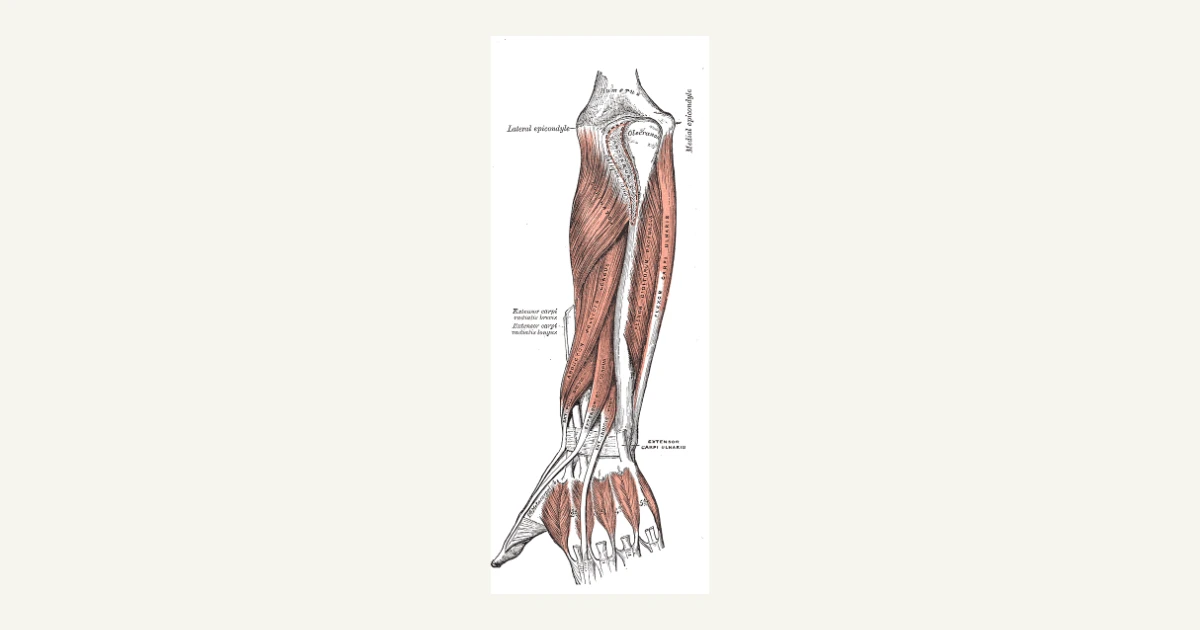
Tennis elbow (lateral epicondylitis) is perhaps the iconic tennis injury. It is a condition where the forearm muscles and tendons on the outer side of the elbow become inflamed due to repetitive strain. Symptoms of tennis elbow include pain during gripping or wrist extension. Though common in racquet sports, it can affect anyone engaged in frequent forearm activity.
Shoulder Impingement
This condition involves pinching or compression of soft tissue within the shoulder joint during overhead motions. Shoulder impingement causes shoulder pain, reduced mobility, and weakness, limiting your ability to serve or smash effectively.
Rotator Cuff Injuries
The rotator cuff is a group of muscles and tendons stabilizing the shoulder. Repeated overhead actions in tennis can lead to strains, tendinitis, or even tears in these muscles. Physiotherapy focuses on rebuilding shoulder stability and preventing further damage.
Labral Tear
The labrum is the cartilage rim of the shoulder socket. A labral tear may result from repetitive serves or falls. It can cause clicking, deep joint pain, and a sensation of instability.
Lower Back Stress Fractures
The twisting motion during a tennis swing can overload the lumbar spine, especially in young players. Stress fractures in the vertebrae are serious injuries that demand rest and rehabilitation to avoid long-term consequences such as chronic lower back pain.
Meniscus Tear
A knee injury involving the meniscus, the cartilage that cushions the knee joint, can occur due to sudden pivots or lunges on the court. Symptoms include swelling, locking, or discomfort when bending the knee.
Jumper’s Knee
Also known as patellar tendon tendinopathy, this condition is caused by repetitive stress to the knee during jumping and sudden stops. It presents as pain just below the kneecap and is commonly aggravated on hard or grass courts.
ACL Injuries
The anterior cruciate ligament (ACL) in the knee can be torn during sudden directional changes or missteps. Though less frequent, an ACL tear is a serious tennis injury requiring structured rehab or even surgery.
Tennis Leg
This refers to a tear in the calf muscle, often occurring during a sprint or push-off. The injury presents with a sudden, sharp pain in the calf and can result in difficulty walking or continuing the match.
Sprained Ankle
Ankle sprains and ankle injuries are common in tennis due to rapid side-to-side movements. Twisting or rolling the ankle can damage ligaments, leading to swelling and instability. Proper footwear, court awareness, and physiotherapy for ankle sprain help reduce the risk of recurrence.
What Increases Your Risk of Tennis Injuries
Several factors influence injury risk in tennis and make players more prone to injuries. We’ll break them down here:
- Overuse
- Poor technique
- Improper equipment
- Lack of physical conditioning
- Playing surface
- Age and flexibility
Repeated play without adequate rest is one of the leading causes of injuries, especially to the shoulder, wrist, and elbow. Overuse can result in inflammation or tendon strain, particularly in the wrist, which is common among frequent players. Seeking wrist pain treatment early can help manage symptoms and prevent further injury. Similarly, incorrect form, particularly during serves and backhands, places excessive stress on joints and muscles, increasing the likelihood of strain.
Using the wrong grip size, worn-out tennis shoes, or an unstrung or mismatched racquet can also lead to uneven load distribution and overcompensation injuries. Weakness in the core, hips, or shoulders compromises joint stability and control, heightening injury risk during dynamic movements.
Hard courts offer minimal shock absorption, so the impact on knees, ankles, and hips increases on softer surfaces like clay or grass. For older players, reduced flexibility and joint mobility can make tissues more susceptible to tears, inflammation, and chronic strain.
What You Can Do To Prevent Tennis Injuries
Staying proactive is key to preventing the most common tennis injuries. These strategies can protect your body and extend your playing life.
Inspect Your Gear
Ensure your tennis racquet has the appropriate grip size, weight, and string tension. Improper gear can be a major contributor to elbow, wrist, and shoulder injuries.
Wear Supports
Braces, straps, and tape can help support vulnerable joints like the wrist, elbow, or knee. Especially after injury, these aids reduce stress on healing tissue and can prevent re-injury.
Exercise Before and After
Dynamic warm-ups prepare the muscles and joints, while cooling down and stretching afterwards improve recovery and flexibility. This helps reduce the risk of muscle tightness or injuries.
Proper Technique
Work with a coach to refine your swing, footwork, and serve mechanics. Improper technique is a leading cause of tennis injuries and should be addressed early.
Moderate Play Time
Too much court time leads to overuse. Be mindful of your training volume and listen to signs of pain in the elbow, knee, shoulder, or lower back.
RICE
For minor injuries or flare-ups, follow the RICE method: Rest, Ice, Compression, Elevation. This standard approach helps reduce swelling and manage pain in the early stages of a tennis injury.
Conclusion
Tennis is a fast, engaging, and physically demanding sport. However, the demands on the joints, muscles, and connective tissue make players prone to various injuries, especially when training volume, form, or recovery is neglected. Thankfully, physiotherapy provides solutions not only for recovery but also for prevention and long-term performance. The right intervention at the right time can get you back on the court, stronger, smarter, and resilient.
Tennis: what we focus on
The backhand that started to hurt.
The ache at the outer elbow on the backhand. The shoulder on the serve. The calf that went on a short ball. Tennis injuries are mostly load problems, which is why rest settles them and the first match brings them back.
- Elbow. Tennis elbow: progressive tendon loading, grip strength and racquet factors.
- Shoulder. Rotator cuff strength in the serving position.
- Wrist. The ulnar side of the wrist (TFCC) for heavy topspin players.
- Calf. Calf strains and the Achilles: the Achilles Rupture Recovery Program.
Tested, not dated. You go back when the measures say so: grip, rotation strength and heel raises against your other side. Pain is the first thing to leave. Strength is the last to train and recover.
What our patients say
Google reviews from our clinics in Singapore.


WhatsApp us · Get Assessed & Treated · One 45-minute appointment, $230, nett, no GST.
Where are you with this right now?
1. It is settling on its own
Most injuries and most flare-ups settle over weeks with sensible load management and a return to normal movement. Improvement is judged over a month, not over a day, and good days and bad days inside that are usual. If you are doing more this month than last, and sleeping better, it is behaving the way it should. You do not need us for this, and we would rather say so.
2. It has stopped improving
You have adapted without noticing. The other side takes the load, you plan movements you used to make without thinking, and you have quietly dropped things you used to do.
Pain is the first thing to leave. Movement and strength are the last things trained back, and most people stop before that part is done. That is the gap worth measuring, and it is not measured by how you feel on the day.
The Stalled Recovery Review is three appointments over three weeks with the same therapist, because what a joint does under load cannot be read in one visit. The first finds what is limiting it. The next two measure how it responds. $690, nett, no GST, which is three appointments at $230.
3. You have had surgery, or you have a date
Recovery after an operation has a shape, and knowing which stage you are in tells you whether you are on it. See the recovery programs, hand and physiotherapy, or the four stages and what each one works on if you are not sure which applies to you.
All of it runs on the same four stages. The Phoenix Recovery Protocol explains what each stage works on and what you have to meet to move up. No referral needed to start.
Next step
Find out which stage you are in
Pain is the first thing to leave. Movement and strength are the last things trained back, and most people stop before that part is done. One Assessment and Treatment is a single 45-minute appointment at $230, nett, no GST. Your therapist finds what is actually limiting you, treats it in the same appointment, and you leave with your current stage and a written plan.
Prefer to phone? Each of our five clinics has its own number on the clinics page. No referral needed to book.
Related reading
Where we are
Clinics across Singapore
ORCHARD
400 Orchard Road #12-12
Orchard Towers, S238875
NS22 Orchard MRT
Physiotherapy and hand therapy in Orchard →
WhatsApp 8800 1830TAMPINES
9 Tampines Grande #01-20
Asia Green, S528735
EW2DT32 Tampines MRT
Physiotherapy and hand therapy in Tampines →
WhatsApp 8780 9608SERANGOON
265 Serangoon Central Drive #04-269
S550265 · Lift C only
NE12CC13 Serangoon MRT
Physiotherapy and hand therapy in Serangoon →
WhatsApp 8892 4121TANJONG PAGAR
10 Anson Road #02-77A
International Plaza, S079903
EW15 Tanjong Pagar MRT
Physiotherapy and hand therapy in Tanjong Pagar →
WhatsApp 8227 7074JURONG EAST
2 Venture Drive #02-02
Vision Exchange, S608526
NS1EW24 Jurong East MRT
Opening 25 October 2026
Physiotherapy and hand therapy in Jurong East →
WhatsApp 8242 7340