
Written by Zita Sham, Fairuuz Saleh and Shiv Mohan Banka, Principal Physiotherapists at Phoenix Rehab.Clinically reviewed by Louise Yow, Principal Physiotherapist & Director, AHPC A1300363H.Last reviewed 6 October 2026.
Few sports test agility and reflexes quite like badminton. In a single rally, players twist, leap, sprint, and lunge across the court, often covering surprising distances in just a few seconds. This intensity makes badminton thrilling to watch and play. However, it also means the body endures significant strain with every match.
Played recreationally and competitively, the game places heavy demands on the body, often leading to injuries if proper care is not taken. In this blog, we’ll explore the most common badminton injuries and how to treat and prevent them. This guide is for anyone looking to stay active on the court and avoid long-term setbacks.
Every badminton injury, by body part
Start from where it hurts. Each linked row goes to the page that covers that injury in full. Rows marked “see a doctor first” are not ours to treat first.
| Where | Injury | How badminton usually causes it |
|---|---|---|
| Wrist | ECU tendon pain, little-finger side of the wrist | Wrist flicks at the net |
| Wrist | De Quervain’s tenosynovitis | Thumb-up backhand grip |
| Wrist | TFCC tear | Forearm rotation at impact |
| Elbow and forearm | Tennis elbow (outer elbow) | Wrist-led backhand, grip too small |
| Elbow and forearm | Golfer’s elbow (inner elbow) | Forehand wrist flick |
| Shoulder | Rotator cuff tendon pain | Repeated overhead smashes and clears |
| Shoulder | Shoulder impingement in throwers and servers | The arm cocked back before the smash |
| Shoulder | SLAP (labral) tear | Forceful overhead smash |
| Lower back | Low back strain | Overhead extension and deep lunges |
| Lower back | Spondylolysis (low back stress fracture) | Repeated back arching in junior players |
| Hip and groin | Groin strain | Wide lunges to the corners |
| Hip and groin | Hip flexor strain | Explosive recovery steps |
| Knee | Jumper’s knee (patellar tendon pain) | Jump smash landings |
| Knee | ACL tear | Single-leg landing after a rear-court overhead |
| Knee | Meniscus tear | Twisting in a deep lunge |
| Knee | Kneecap pain | Repeated deep lunges |
| Lower leg | Achilles rupture | Explosive lunge or backward step, more often in players over 30 |
| Lower leg | Calf strain | Push-off in lunges |
| Lower leg | Achilles tendon pain | Volume of lunges and jumps |
| Ankle | Ankle sprain | Landing on the side of the foot in sideways moves |
| Foot | Plantar heel pain (plantar fasciitis) | Repeated lunges on hard courts |
| Foot | Heel fat pad bruise | Heel-first lunge landing |
Badminton Injuries Explained
Injuries in badminton range from sudden sprains to gradual overuse problems that build up over time. A badminton player’s body is constantly tested by rapid footwork, explosive jumps, and powerful swings, all of which increase the risk of injury. Knowing why these injuries happen and what makes them so common helps players prepare, protect themselves, and respond effectively when issues arise.
Why Badminton Injuries Are the Most Common in Racquet Sports
Badminton is a fast-paced sport that demands quick reflexes, sharp movements, and continuous bursts of energy. Compared with other racquet sports, badminton injuries are the most common because of the sheer speed and intensity on the court. Rates range from 1 to 7 injuries per 1,000 hours of play, with some studies showing higher numbers.
Players move laterally, lunge forward, and jump repeatedly within short rallies, all of which place considerable strain on the body. The risk of injury increases when movements are executed without proper conditioning, technique, or recovery.
The Risk of Injury in Competitive and Recreational Play
Badminton is a widely played sport across all age groups. While elite athletes train under strict supervision, recreational players often overlook injury prevention. This makes the risk of injury high at both levels.
Competitive players are more likely to experience overuse injuries due to the heavy training load, whereas casual players may suffer acute injuries such as ankle sprains or back pain from poor technique or inadequate warm-up. Both groups face challenges that can affect their performance and long-term joint health.
Types of Badminton Injuries Players Often Experience
The types of injuries in badminton can be broadly divided into two categories: acute injuries and overuse injuries. Acute injuries occur suddenly, often during a fall, twist, or awkward landing. An ankle sprain, for instance, is one of the most common badminton injuries caused by a sudden change of direction.
Overuse injuries, on the other hand, develop gradually due to repeated strain on the muscles, tendons, or joints. Shoulder injuries, wrist injuries, and knee injuries often fall into this category.
What Are the Most Common Injuries in Badminton?
Badminton places repeated stress on multiple joints and muscle groups, making certain injuries more likely. The most common badminton injuries include the following:
- Ankle sprains from sudden direction changes
- Knee injuries from constant lunging and jumping
- Shoulder injuries linked to repeated overhead strokes
Players also frequently experience Achilles tendon problems, elbow pain, such as tennis elbow, wrist strains from repetitive racquet use, and lower back pain from twisting and stretching movements.
Ankle Sprain in Badminton
An ankle sprain is a badminton injury that happens when the ligaments around the joint are overstretched or torn. This typically occurs when a player lands awkwardly after a jump or makes a sharp lateral movement on the court.
Ankle sprains are the most common injuries in badminton because the sport requires constant lunging and pivoting. Without proper support or conditioning, the ankle is vulnerable to rolling, leading to swelling, bruising, and reduced mobility.
Achilles Tendon Strain or Rupture
The Achilles tendon, which connects the calf muscles to the heel, takes on significant strain in badminton. Sudden acceleration or explosive jumps can lead to an overuse injury or, in severe cases, an Achilles tendon rupture. This is one of the most serious injuries in badminton, often requiring long rehabilitation or even surgery. Players with poor conditioning or those who fail to warm up properly are particularly at risk of injury.
Shoulder Pain and Rotator Cuff Injury
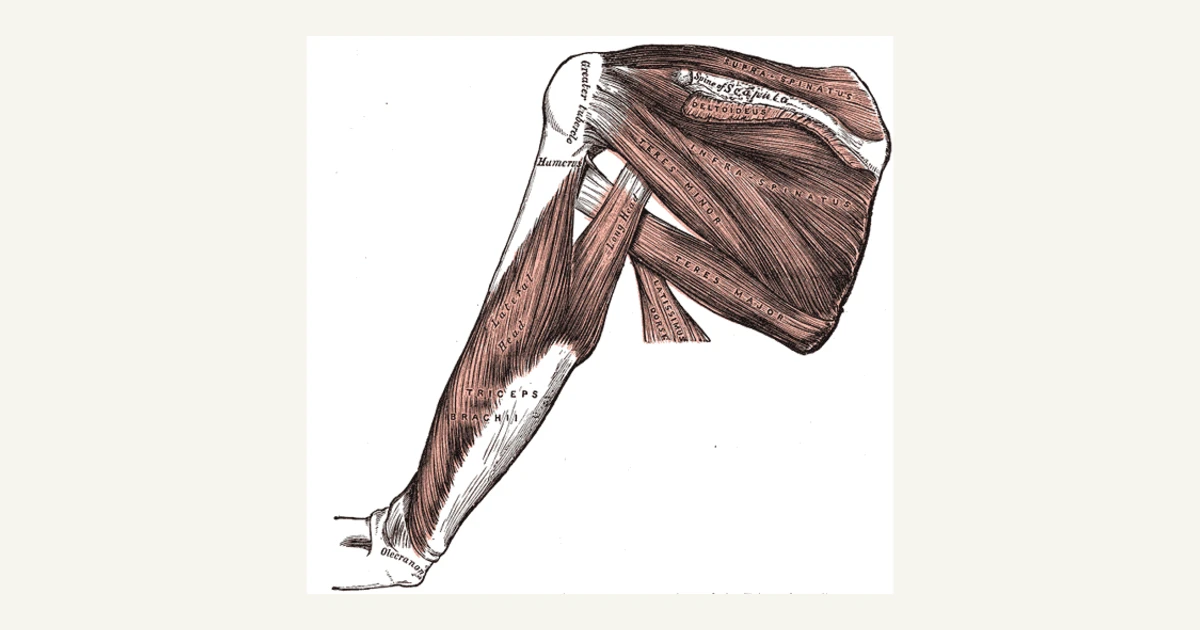
Smashes, clears, and repeated overhead strokes put great stress on the shoulder. Shoulder pain, shoulder impingement, and rotator cuff injury are common badminton injuries, especially among competitive players. The rotator cuff muscles help stabilize the shoulder joint, but repetitive overhead motions can inflame or tear the tissues. Left untreated, these injuries can severely limit mobility and lead to chronic pain.
Wrist Strains and Overuse Injuries
Wrist injuries in badminton often occur due to the repeated flicking motion required for net shots, serves, and fast drives. Overuse injuries in the wrist can lead to inflammation of the tendons or even conditions similar to tennis elbow. A badminton player experiencing persistent wrist pain should take it seriously, as the affected joint is vital for maintaining racquet control and shot accuracy.
Knee Pain and Ligament Stress
The knee absorbs much of the strain in badminton. Knee injuries such as patellar tendonitis, patellar tendon strain, and ligament stress are common injuries in badminton. Quick lunges, sudden stops, and jumps increase the risk of injury to the knee. Without proper strengthening of the quadriceps and hamstrings, badminton players may develop pain and instability around the joint.
Lower Back Strain and Core Weakness
Back pain is another frequent complaint among players. Lower back strain usually develops due to repeated twisting, bending, or weak core muscles. Over time, poor posture on the court or excessive training loads can lead to long-term sports injuries in the spine. Strengthening the core is a key prevention strategy to reduce back injuries in badminton.
What Are the Causes of Badminton Injuries?
Badminton injuries generally arise from two main factors: overuse and acute incidents. Overuse injuries develop gradually through repetitive strokes, jumping, and training without enough rest, while acute injuries occur suddenly from slips, falls, or sharp movements on the court. Understanding both helps players recognize why these problems happen and how to reduce the risk.
Sudden Movements and Quick Direction Changes
Badminton is a sport defined by explosive movements. The quick shifts and lunges put pressure on the joints, increasing the risk of injury. An unexpected slip or wrong landing often leads to ankle sprains or ligament strains.
Overuse Injuries from Repetition
Overuse injuries are among the most common badminton injuries. Repeated strokes, jumps, and movements lead to gradual wear and tear of muscles and tendons. For instance, rotator cuff injury, wrist pain, and patellar tendonitis often occur due to repetitive stress without enough recovery time.
Poor Warm-Up and Stretching Habits
Skipping a warm-up is one of the major causes of badminton injuries. Cold muscles and stiff joints are less flexible and more prone to tearing under pressure. Stretching and light cardio before stepping on the court helps to prevent injuries in badminton by preparing the body for fast-paced action.
The Role of Improper Technique
Improper footwork, incorrect grip, or poor body mechanics increase the strain on the affected joints and muscles. A badminton injury, such as shoulder impingement or wrist strain, is often the result of repeated strokes executed with poor form. Coaching and technique correction play a major role in injury prevention strategies.
Equipment and Footwear Issues
Footwear is a vital factor in the prevention of injuries in badminton. Shoes without proper grip or support increase the risk of ankle sprains and knee injuries. Similarly, using the wrong racquet weight or string tension may contribute to shoulder injuries and wrist injuries. Correct equipment reduces the strain on the body and supports efficient movement on the court.
What Are the Treatment Options for Badminton Injuries?
Treatment for badminton injuries depends on their severity, but often begins with simple first aid. Minor sprains and strains respond well to the R.I.C.E. method, while more serious injuries may require medical assessment and structured physical therapy. Early and appropriate management not only speeds up recovery but also lowers the risk of recurrence.
Immediate First Aid and R.I.C.E. Method
The first step after a badminton injury is to manage swelling and pain quickly is the R.I.C.E. method: Rest, Ice, Compression, and Elevation. R.I.C.E. is recommended for treating acute injuries such as ankle sprains, knee injuries, or wrist injuries.
Applying ice within the first 48 hours helps control inflammation, while compression and elevation reduce swelling. Resting the affected area prevents further strain on the injury and allows the tissues to begin healing.
Rehabilitation Exercises for Recovery
Once the initial pain and swelling have settled, rehabilitation exercises are recommended. Gentle range-of-motion drills, balance training, and strengthening routines rebuild stability to the injured joint. For example, ankle sprains often require progressive exercises that retrain the ligaments and muscles to prevent recurring episodes.
A structured program helps badminton players regain confidence on the court while reducing the risk of injury during future play.
Physiotherapy and Targeted Strengthening
Physiotherapy is a key part of recovery for many common injuries in badminton. A physiotherapist can design personalised strengthening routines for the shoulder, back, or knee to address the root causes of pain.
Targeted strengthening around the rotator cuff, Achilles tendon, or patellar tendon improves joint stability and supports the player’s return to sport. Therapy also addresses movement patterns that contributed to the injury in the first place, ensuring long-term prevention.
Managing Pain and Inflammation
Pain relief and anti-inflammatory medication are a decision for your doctor or pharmacist. In cases of overuse injuries, rest is crucial to prevent further damage. Chronic issues such as shoulder pain or patellar tendonitis often need longer-term treatment to reduce inflammation while rebuilding strength in the affected tissues.
When to Seek Professional Help
While some badminton injuries respond well to rest and home care, others require professional evaluation. Severe ankle sprains, Achilles tendon rupture, or rotator cuff injury should never be ignored.
If pain persists, mobility is severely restricted, or swelling does not improve, players should consult a sports physician or physiotherapist. Early intervention prevents small injuries in badminton from becoming long-term problems.
How to Prevent Badminton Injuries
Prevention strategies in badminton focus on preparing the body, using the right equipment, and training smartly. Proper footwear, effective warm-up and cool-down routines, and correct technique all help reduce strain on vulnerable joints. Strengthening exercises, gradual progression in training, and listening to the body are key to lowering the risk of injury and staying consistent on the court. Let’s break them down below.
The Importance of Warm Up and Cool Down
A proper warm-up and cool-down are the foundation of injury prevention strategies in badminton. Dynamic stretches, light jogging, and mobility drills prepare the muscles for explosive movement on the court. Cooling down after play with stretching helps release tension, improves flexibility, and reduces the risk of overuse injuries. Skipping these steps increases the risk of injury in both competitive and recreational players.
Strengthening the Ankles, Knees, and Core
Strength training plays a vital role in protecting against the most common badminton injuries. Exercises that target the ankles, knees, and core help with balance, stability, and control during play. Strong ankles reduce the likelihood of ankle sprains, while knee and core strengthening lower the strain on the patellar tendon and the lower back. Conditioning is an effective way to prevent recurring injuries in badminton.
Correct Technique to Prevent Shoulder Pain
Badminton players who use poor technique put themselves at risk of shoulder injuries such as rotator cuff strain or shoulder impingement. Correcting racquet grip, swing mechanics, and body positioning minimizes unnecessary strain on the shoulder. Coaches and physiotherapists often work together to refine technique, which not only helps to prevent injury but also improves overall performance on the court.
Proper Training Load to Reduce Overuse Injuries
Overtraining is one of the most common causes of overuse injury in badminton. Training without adequate rest increases the strain on the shoulder, wrist, knees, and Achilles tendon. Balancing practice intensity with recovery time allows the body to repair and strengthen. For players aiming to progress, structured training with built-in rest days is essential for both performance and injury prevention.
What our patients say
Google reviews from our clinics in Singapore.



Choosing the Right Shoes and Supportive Gear
Footwear is often overlooked, yet it is critical in preventing sports injuries. Badminton shoes with proper grip and cushioning reduce the risk of ankle sprains and knee injuries. Supportive gear, such as braces or compression sleeves, may be used during recovery to protect vulnerable joints. Ensuring the racquet weight and tension are appropriate for the player also helps reduce wrist injuries and shoulder strain.
Conclusion
Badminton demands speed, agility, and endurance, qualities that make it both exhilarating and punishing on the body. Injuries may be part of the game, but how a player approaches preparation, recovery, and prevention often determines how long they can enjoy the sport. The real question is: will you treat badminton as simply a game, or as a long-term pursuit that requires the same care and discipline you bring to every match?
Badminton: what we focus on
Back on court, and it still complains on the lunge.
The ankle you rolled reaching for a drop shot. The elbow that aches after Saturday doubles. The Achilles that went with a pop at the back of the court, the one that felt like someone kicked you. Most players rest it, feel better, and walk back on court with the same calf, the same grip and the same landing that got them hurt.
- Achilles and calf. Single-leg heel raises counted against the other side before you lunge again. After a rupture, see the Achilles Rupture Recovery Program.
- Ankle. Balance and hop testing after an ankle sprain, because the biggest single risk factor for an ankle sprain is a previous one. For repeated sprains and surgery, the Ankle Ligament Reconstruction Recovery Program.
- Shoulder. Rotator cuff strength in the overhead position the smash uses, not just with the arm at your side.
- Elbow and wrist. Grip and forearm loading for tennis elbow, and the ulnar side of the wrist (TFCC) for the players who feel it on the backhand.
Tested, not dated. You go back when the measures say so: hop distance, heel raises and shoulder rotation strength against your other side. Pain is the first thing to leave. Strength is the last to train and recover.
WhatsApp us · Get Assessed & Treated · One 45-minute appointment, $230, nett, no GST.
A smash that leaves a sharp catch along one rib is usually an intercostal muscle strain. A pull low on the side of the stomach on the serve is more often an abdominal or side strain.
Also on this site: the page on sports physiotherapy covers what a sports physiotherapist does between injury and return.
Where are you with this right now?
1. It is settling on its own
Most injuries and most flare-ups settle over weeks with sensible load management and a return to normal movement. Improvement is judged over a month, not over a day, and good days and bad days inside that are usual. If you are doing more this month than last, and sleeping better, it is behaving the way it should. You do not need us for this, and we would rather say so.
2. It has stopped improving
You have adapted without noticing. The other side takes the load, you plan movements you used to make without thinking, and you have quietly dropped things you used to do.
Pain is the first thing to leave. Movement and strength are the last things trained back, and most people stop before that part is done. That is the gap worth measuring, and it is not measured by how you feel on the day.
The Stalled Recovery Review is three appointments over three weeks with the same therapist, because what a joint does under load cannot be read in one visit. The first finds what is limiting it. The next two measure how it responds. $690, nett, no GST, which is three appointments at $230.
3. You have had surgery, or you have a date
Recovery after an operation has a shape, and knowing which stage you are in tells you whether you are on it. If your operation was on the Achilles, the knee or the ankle, see the Achilles Rupture Recovery Program, the ACL Reconstruction Recovery Program or the Ankle Ligament Reconstruction Recovery Program. For any other operation, see all the recovery programs, hand and physiotherapy.
All of it runs on the same four stages. The Phoenix Recovery Protocol explains what each stage works on and what you have to meet to move up. No referral needed to start.
Next step
Find out which stage you are in
Pain is the first thing to leave. Movement and strength are the last things trained back, and most people stop before that part is done. One Assessment and Treatment is a single 45-minute appointment at $230, nett, no GST. Your therapist finds what is actually limiting you, treats it in the same appointment, and you leave with your current stage and a written plan.
Prefer to phone? Each of our five clinics has its own number on the clinics page. No referral needed to book.
Related reading
Where we are
Clinics across Singapore
ORCHARD
400 Orchard Road #12-12
Orchard Towers, S238875
NS22 Orchard MRT
Physiotherapy and hand therapy in Orchard →
WhatsApp 8800 1830TAMPINES
9 Tampines Grande #01-20
Asia Green, S528735
EW2DT32 Tampines MRT
Physiotherapy and hand therapy in Tampines →
WhatsApp 8780 9608SERANGOON
265 Serangoon Central Drive #04-269
S550265 · Lift C only
NE12CC13 Serangoon MRT
Physiotherapy and hand therapy in Serangoon →
WhatsApp 8892 4121TANJONG PAGAR
10 Anson Road #02-77A
International Plaza, S079903
EW15 Tanjong Pagar MRT
Physiotherapy and hand therapy in Tanjong Pagar →
WhatsApp 8227 7074JURONG EAST
2 Venture Drive #02-02
Vision Exchange, S608526
NS1EW24 Jurong East MRT
Opening 25 October 2026
Physiotherapy and hand therapy in Jurong East →
WhatsApp 8242 7340