
Written by Zita Sham, Fairuuz Saleh and Shiv Mohan Banka, Principal Physiotherapists at Phoenix Rehab.Clinically reviewed by Louise Yow, Principal Physiotherapist & Director, AHPC A1300363H.Last reviewed 6 October 2026.
There’s nothing quite like the first run of a ski holiday, an undeniably thrilling and scenic experience. However, behind every breathtaking view and adrenaline high, there’s also a hidden risk that many overlook: injury. Whether you’re a veteran skier or a beginner excited for the ski season, knowing how to respond after a fall is essential. Skiing injuries, especially in the knees, shoulders, or wrists, can quickly cut your trip short if not managed correctly.
This guide explores the most common ski injuries, what causes them, and how to recover. We also touch on how to avoid them in the first place, so you can return to the slopes stronger and prepared.
Every ski and snowboard injury, by body part
Start from where it hurts. Each linked row goes to the page that covers that injury in full. Rows marked “see a doctor first” are not ours to treat first.
| Where | Injury | How ski and snowboard usually causes it |
|---|---|---|
| Hand and finger | Skier’s thumb (thumb ligament tear) | Falling while holding a pole |
| Wrist | Wrist fracture | A snowboard fall on an outstretched hand |
| Wrist | Scaphoid fracture | A snowboard fall |
| Wrist | Wrist sprain or scapholunate ligament injury | A snowboard fall |
| Elbow and forearm | Elbow fracture | A snowboard fall |
| Elbow and forearm | Elbow dislocation | A fall |
| Shoulder | Shoulder dislocation or instability | A fall on an outstretched arm |
| Shoulder | AC joint sprain (top of the shoulder) | Falling onto the shoulder |
| Shoulder | Collarbone fracture | Falling onto the shoulder |
| Shoulder | Rotator cuff tear | A fall |
| Shoulder | Upper arm (proximal humerus) fracture | A fall, more often in older skiers |
| Neck | Whiplash-type neck sprain | A fall |
| Neck | Concussion (see a doctor first) | A fall |
| Upper back and ribs | Spinal compression fracture | Landing a jump |
| Lower back | Tailbone injury | A backward snowboard fall |
| Lower back | Low back strain | Falls, and carrying gear |
| Knee | ACL tear | A backward fall with the skis still turning |
| Knee | MCL sprain | Snowplough with the knees falling inward |
| Knee | Meniscus tear | A twisting fall |
| Knee | Tibial plateau fracture | A high-energy fall |
| Lower leg | Shin bone fracture | A boot-top fracture in a fall |
| Ankle | Snowboarder’s ankle (talus fracture) | Landing a snowboard jump |
| Ankle | Ankle sprain | A snowboard landing |
| Ankle | Ankle fracture | A fall |
Causes of Ski Injuries
Considering the nature of this sport, common ski injuries can be associated with falls and collisions. While that is true, many injuries result from non-traumatic factors as well. Understanding the causes of ski injuries helps you act early to reduce the risk of injury, especially if you’re planning multiple days on the slopes.
Accidents or Collisions
Crashes with other skiers, trees, or hidden obstacles are common. Poor visibility, high speed, or crowded conditions increase the risk of injury. Even seasoned alpine skiing enthusiasts aren’t immune.
Lack of Exercise
Injuries in skiing often come from muscles that aren’t ready for the demands of snow skiing. Without prior conditioning, fatigue sets in faster, increasing the chances of a mistake and resulting in a skiing injury.
Wrong Equipment
Using the wrong equipment, such as poorly fitted boots or mismatched skis, can disrupt balance or posture. A ski pole that’s too short, for example, might strain your wrists or shoulders during turns.
Wrong Technique
A beginner who hasn’t taken proper ski lessons may unknowingly adopt poor habits, putting stress on the knee, back, or upper limbs. Incorrect posture or weight distribution often leads to rotator cuff injuries or even a torn anterior cruciate ligament.
Check out the difference between skiing and snowboarding injuries here
Common Ski Injuries. Knee
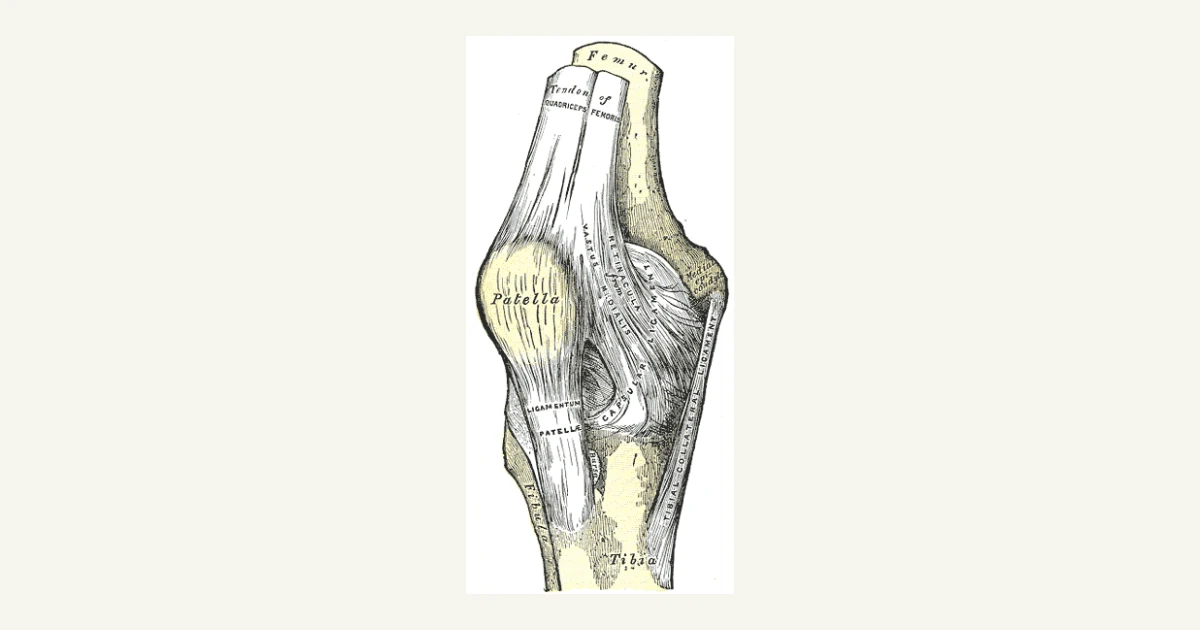
Skiing knee injuries top the list of the most common complaints during the ski season. The complex mechanics of the knee, combined with twisting motions on the slopes, make it highly susceptible.
ACL Tear
One of the key ligaments that stabilize the knee is the anterior cruciate ligament (ACL). An ACL tear is a severe ski injury, often caused by sudden stops, turns, or awkward landings. ACL and MCL tears are the most frequently occurring knee injuries in skiing. In Singapore, it’s also a common knee injury among athletes, more prevalent in males, and occurs frequently during sports activities.
Meniscus Tear
The meniscus cushions the knee joint, and a tear can occur alongside or separate from an ACL injury. Meniscus tear typically happens with twisting motions while skiing, especially during a fall or misstep. Landing with your skis still angled or catching an inside edge mid-turn often puts sudden rotational stress on the knee, which the meniscus can’t absorb.
For skiing knee injuries like ACL and meniscus, rehab focuses on rebuilding strength in the quadriceps, hamstrings, glutes, and calves, while gradually improving balance and joint stability through progressive loading.
Common Ski Injuries. Hand and Wrist
Falls that involve bracing with your hands can easily lead to hand and wrist injuries, which are among the most common ski injuries. These usually happen during low-speed tumbles, where instinctively stretching your arms forward becomes the body’s first reaction.
Skier’s Thumb and Sprained Fingers
Falling with the ski pole in hand can lead to Skier’s Thumb, a tear of the ulnar collateral ligament in the thumb. This is common in beginner and advanced skiers alike. The injury typically occurs when the thumb gets forced backwards or sideways as the pole handle jams into the snow during a fall.
Sprained or Fractured Wrist
Using your hands to break a fall may protect your head, but it risks a wrist fracture or sprain. These skiing-related injuries often go unnoticed until swelling and pain worsen hours later. The force from even a seemingly minor fall can travel directly through the wrist joint, especially when falling on packed or icy snow.
Physiotherapy of the wrist, common after a wrist fracture or sprain from a skiing fall, often includes mobility work to prevent joint stiffness, grip-strength training, and proprioception exercises to retrain wrist control and coordination. Since the wrist is vital for load-bearing and fine motor tasks, improving dexterity and strength is a central goal.
Common Ski Injuries. Shoulder
Shoulder injuries typically result from skiing falls or collisions. These include dislocations, fractures, and rotator cuff injuries. The impact often occurs when skiers fall sideways or land awkwardly after a jump, forcing the arm into unnatural positions.
Strained Rotator Cuff
Overuse or sudden trauma can strain the muscles and tendons that stabilize the shoulder. A rotator cuff injury limits arm movement and causes pain, especially when dressing or reaching overhead. It’s particularly common when skiers instinctively reach out to break a fall, placing sudden load on the shoulder joint.
In shoulder injuries, particularly rotator cuff injuries, rehabilitation prioritises scapular control, rotator cuff endurance, and range of motion. This is key for regaining comfortable overhead function and daily arm movements.
Common Ski Injuries. Back
Back strains, muscle spasms, or disc-related issues are common skiing injuries, especially in the lower back. These are often due to poor posture, fatigue, or carrying heavy gear. Frequent bending during boot adjustments, awkward chairlift dismounts, and uneven terrain can also put added pressure on the spine.
Common Ski Injuries. Head and Neck
Head and neck injuries in skiing can be life-threatening. Helmets help, but they don’t eliminate the risk of concussions or neck trauma. Falls at high speed or from height can cause the head to snap back or rotate violently on impact.
Fractured Collarbone
A direct blow to the shoulder, especially during a fall, can fracture the collarbone. This is a frequent injury among skiers, particularly when landing on an outstretched arm. The collarbone absorbs much of the force during front or side falls, making it vulnerable even in low-speed incidents.
Concussion
Head injuries, including concussion, are serious skiing-related injuries that can occur even with safety equipment. Dizziness, confusion, or nausea after a fall should always be treated urgently. Collisions with other skiers or trees, especially when the head strikes hard-packed snow, are common causes of concussive trauma.
Recovering From Ski Injuries
At Phoenix Rehab, we can help you recover confidently with tailored physiotherapy that improves movement, strengthens the injured area, and reduces the risk of reinjury. Our approach ensures you’re not just back on your feet, but back on the slopes with confidence.
Physiotherapy for Ski Injuries
Physiotherapy plays a critical role in recovering from ski injuries. Whether you’re dealing with ACL tears, shoulder injuries, or a wrist fracture, guided rehab improves mobility and prevents long-term damage, such as:
- Joint stiffness
- Chronic instability
- Re-injury
Rehabilitation typically starts with pain management and swelling reduction, especially in the acute stage. Modalities often used early on to control inflammation and maintain circulation include the following:
- Ice, elevation
- Gentle range-of-motion exercises
- Manual therapy
Many skiers also benefit from cross-training during recovery. Activities such as swimming, cycling, or Pilates keep the body active without risking further injury to the healing area.
Ski Injury Prevention
Avoiding injury doesn’t require luck. It requires preparation and proper equipment, good habits, and physical readiness. From proper physical conditioning to the right gear and awareness on the slopes, most ski injuries can be prevented with some foresight and discipline. Below are key areas every beginner and accomplished skier should consider to reduce the risk of injury.
Take Skiing Classes
If you’re new to skiing or haven’t been on the slopes in years, taking professional ski lessons is a smart investment in injury prevention. Instructors not only teach proper form and technique but also help you understand slope etiquette and how to adjust your skiing based on terrain and conditions.
You’ll also learn crucial skills like how to fall properly, stop effectively, and recover from slips. These are skills that reduce pressure on vulnerable areas like the knees, shoulders, and wrists.
Incorrect posture and weight distribution (common among beginners) are a major cause of knee injuries, particularly to the anterior cruciate ligament (ACL).
Observe Safety Regulations
Following resort rules isn’t just about courtesy, but it directly impacts your safety. Always:
- Stay on trails that match your ability level.
- Follow signage, closures, and skier right-of-way rules.
- Avoid off-piste or closed areas unless you’re trained and equipped for backcountry conditions.
Most skiing injuries occur when skiers take on slopes that are too advanced, ignore warnings, or become complacent. Fast, uncontrolled descents and unfamiliar terrain increase the risk of falls, collisions, and high-impact injuries like concussions or fractures.
Preparation and Proper Equipment
Equipment issues are behind many avoidable ski injuries. Always check your gear before heading out:
- Bindings must be set to your weight, height, and ability level so they release during a fall to avoid twisting injuries to the knee.
- Helmets should fit snugly and be rated for snow sports (not just cycling).
- Ski poles should match your height and be gripped properly. Incorrect wrist strap use can lead to Skier’s Thumb.
- Boots must provide support without cutting circulation. Loose boots can lead to poor control, while overly tight ones can contribute to nerve compression or improper posture.
Also, check your outerwear. Good gloves prevent wrist stiffness and cold-related issues, and well-fitted goggles help maintain visibility to avoid misjudging terrain.
Physical Fitness
Your body is your first line of defence. Being physically prepared helps you stay in control, react quickly, and absorb impact properly, all of which significantly reduce the risk of ski injuries.
In the weeks leading up to your trip, aim to:
What our patients say
Google reviews from our clinics in Singapore.



- Build leg strength (especially in the quadriceps, glutes, and hamstrings) to support the anterior cruciate ligament and medial collateral ligament, which stabilize the knee during turns, landings, and quick stops.
- Improve core stability, which helps with balance and posture, especially on uneven terrain.
- Work on joint mobility and flexibility, particularly in the hips, ankles, and shoulders, to prevent muscle strains and overuse injuries.
- Add cardio training like cycling or stair climbing to improve endurance. Fatigue is a leading factor in many afternoon ski injuries.
Even 15 to 30 minutes of focused training 3 to 4 times a week before your trip can reduce the likelihood of injury and improve your confidence on the slopes.
Conclusion
Skiing injuries can dampen the thrill of winter holidays, but knowing what to expect and how to recover helps you stay in control. The key to recovery is prompt treatment and a smart return plan. More importantly, preparation before you even hit the slopes goes a long way to reduce the risk of skiing-related injuries.
If you are heading out this ski season for Japan, South Korea, Switzerland, or any of the top skiing destinations for Singaporeans, do take care. With the right approach, you can enjoy snow skiing and avoid becoming another case of ski injuries on holiday.
Skiing and snowboarding: what we focus on
The holiday ended in a brace.
A pole strap that wrenched the thumb. A twist in the binding and a knee that gave way. A snowboard fall onto the wrist. The injury happened overseas. The rehabilitation happens here, and it starts sooner than most people think.
- Thumb. Skier’s thumb is a ligament injury at the base of the thumb, splinted by our hand therapy team. See sprained thumb.
- Knee. ACL and knee ligament injuries: the ACL Reconstruction Recovery Program.
- Wrist. Snowboarding wrist fractures: the Wrist Fracture Recovery Program.
- Shoulder. Dislocations from falls: the Shoulder Dislocation and Labral Repair Recovery Program.
Tested, not dated. You go back when the measures say so: strength and hop tests before the next trip, not the date of it. Pain is the first thing to leave. Strength is the last to train and recover.
WhatsApp us · Get Assessed & Treated · One 45-minute appointment, $230, nett, no GST.
Where are you with this right now?
1. It is settling on its own
Most injuries and most flare-ups settle over weeks with sensible load management and a return to normal movement. Improvement is judged over a month, not over a day, and good days and bad days inside that are usual. If you are doing more this month than last, and sleeping better, it is behaving the way it should. You do not need us for this, and we would rather say so.
2. It has stopped improving
You have adapted without noticing. The other side takes the load, you plan movements you used to make without thinking, and you have quietly dropped things you used to do.
Pain is the first thing to leave. Movement and strength are the last things trained back, and most people stop before that part is done. That is the gap worth measuring, and it is not measured by how you feel on the day.
The Stalled Recovery Review is three appointments over three weeks with the same therapist, because what a joint does under load cannot be read in one visit. The first finds what is limiting it. The next two measure how it responds. $690, nett, no GST, which is three appointments at $230.
3. You have had surgery, or you have a date
Recovery after an operation has a shape, and knowing which stage you are in tells you whether you are on it. See the recovery programs, hand and physiotherapy, or the four stages and what each one works on if you are not sure which applies to you.
All of it runs on the same four stages. The Phoenix Recovery Protocol explains what each stage works on and what you have to meet to move up. No referral needed to start.
Next step
Find out which stage you are in
Pain is the first thing to leave. Movement and strength are the last things trained back, and most people stop before that part is done. One Assessment and Treatment is a single 45-minute appointment at $230, nett, no GST. Your therapist finds what is actually limiting you, treats it in the same appointment, and you leave with your current stage and a written plan.
Prefer to phone? Each of our five clinics has its own number on the clinics page. No referral needed to book.
Related reading
Where we are
Clinics across Singapore
ORCHARD
400 Orchard Road #12-12
Orchard Towers, S238875
NS22 Orchard MRT
Physiotherapy and hand therapy in Orchard →
WhatsApp 8800 1830TAMPINES
9 Tampines Grande #01-20
Asia Green, S528735
EW2DT32 Tampines MRT
Physiotherapy and hand therapy in Tampines →
WhatsApp 8780 9608SERANGOON
265 Serangoon Central Drive #04-269
S550265 · Lift C only
NE12CC13 Serangoon MRT
Physiotherapy and hand therapy in Serangoon →
WhatsApp 8892 4121TANJONG PAGAR
10 Anson Road #02-77A
International Plaza, S079903
EW15 Tanjong Pagar MRT
Physiotherapy and hand therapy in Tanjong Pagar →
WhatsApp 8227 7074JURONG EAST
2 Venture Drive #02-02
Vision Exchange, S608526
NS1EW24 Jurong East MRT
Opening 20 October 2026
Physiotherapy and hand therapy in Jurong East →
WhatsApp 8242 7340