
Written by Zita Sham, Fairuuz Saleh and Shiv Mohan Banka, Principal Physiotherapists at Phoenix Rehab.Clinically reviewed by Louise Yow, Principal Physiotherapist & Director, AHPC A1300363H.Last reviewed 4 October 2026.
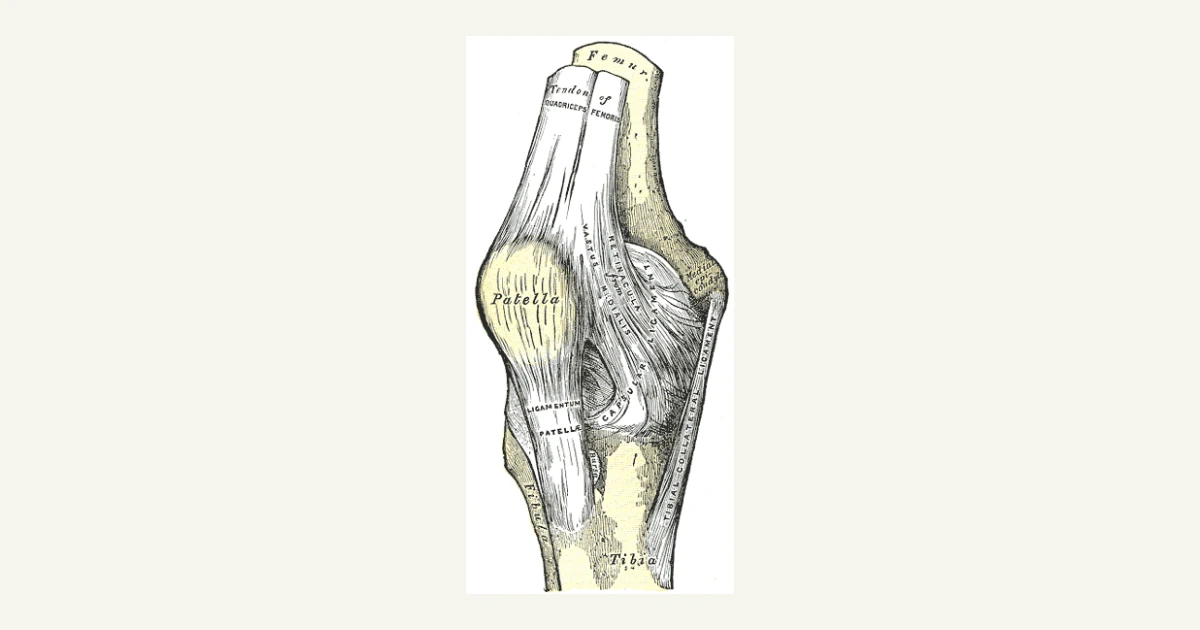
Most knee pain when squatting comes from the front of the knee: the joint behind the kneecap, or the tendon just below it. Both are load problems. The knee is being asked for more deep bending than it is currently strong enough for, and the work is usually to change the load and build quadriceps and hip strength, not to stop squatting. Where it hurts is the most useful clue, so start with the table below.
Key takeaways
- Most knee pain when squatting comes from the front of the knee: the joint behind the kneecap, or the tendon just below it.
- Both are load problems. The knee is being asked for more deep bending than it is currently strong enough for.
- The work is usually to change the load and build quadriceps and hip strength, not to stop squatting.
- Pain around or behind the kneecap usually points to patellofemoral pain. A spot you can press just below the kneecap usually points to patellar tendinopathy.
- Stiffness first thing in the morning and after sitting, aching with deep bending, usually over 40, points to knee osteoarthritis.
Where it hurts tells you the most likely cause
| Where it hurts | Most likely | Usually feels like | Read more |
|---|---|---|---|
| Around or behind the kneecap | Patellofemoral pain | An ache at the bottom of the squat, on stairs and after sitting with the knee bent | Kneecap pain |
| Just below the kneecap | Patellar tendinopathy | A spot you can press, sore when you start jumping or squatting, and stiff the morning after | Patellar tendinopathy |
| Above the kneecap | Quadriceps tendon | Pain at the top edge of the kneecap under heavy or deep load | Front of the knee pain |
| Inside of the knee | Meniscus or the ligament on the inside | Pain deep in the squat, sometimes with catching or clicking, often after a twist | Meniscus tear · Inside knee pain |
| Outside of the knee | IT band or the outer meniscus | A burning or sharp spot on the outside, worse with running or repeated squats | Outer knee pain |
| Back of the knee | A tight or irritated hamstring or calf tendon, or a Baker’s cyst | Fullness or tightness behind the knee at the bottom of the squat | Back of knee pain |
| Deep in the joint, with stiffness | Knee osteoarthritis | Stiff first thing in the morning and after sitting, aching with deep bending, usually over 40 | Knee osteoarthritis |
Possible Reasons Behind Your Knee Pain When Squatting
There are many possible reasons why your knees hurt when you do squats. It may have something to do with the intrinsic strength of your abdominal, gluteal, and leg muscles or your squat position. Other times, experiencing squatting knee pain is an indication of underlying knee problems like a knee injury or degeneration of certain structures like the knee cartilage or joint.
Weak Gluteal Muscles
One of the common culprits behind knee pain when squatting is weak gluteal muscles. The glutes play a pivotal role in stabilizing the pelvis and controlling the movement of the hips and knees during a squat. When the glute muscles are underdeveloped, it can lead to poor hip and knee alignment, resulting in excessive stress on the knee joints. This can trigger pain and discomfort, especially when performing compound movements like squats.
Weak Abdominal Muscles
Weak abdominal muscles can also contribute to knee pain when squatting. The core muscles, including the abdominals and obliques, play a crucial role in maintaining proper posture and spinal alignment during squats. When these muscles are weak, it can lead to excessive forward lean or arching of the lower back, placing undue pressure on the knees.
Poor Squatting Techniques
Improper squatting techniques can significantly contribute to knee pain. Common mistakes such as allowing the knees to cave inwards, shifting the weight onto the toes, or failing to maintain a neutral spine can place excessive stress on the knee joints, leading to discomfort and potential injury.
It’s crucial to focus on mastering the proper form when squatting, which includes maintaining a hip-width stance, tracking the knees in line with the toes, and engaging the core and glutes throughout the movement. Seeking guidance from a certified fitness trainer or physical therapist can also be beneficial in refining your squatting technique and minimizing the risk of knee pain.
Osteoarthritis
Osteoarthritis, a degenerative joint disease, can be a significant factor contributing to knee pain during squats, particularly in individuals over the age of 50. When performing squats, the added pressure on the affected knee joint can exacerbate the discomfort caused by this type of knee arthritis.
This condition involves the breakdown of the protective cartilage within the knee joint, leading to pain, stiffness, and reduced mobility. Several contributory factors could lead to osteoarthritis, including inflammation and innate immunity and biomechanical factors like weakness of the knee and hip muscles, problems in proprioceptive and postural control (balance), and obesity. Knee osteoarthritis affects more than 10% of Singapore’s adult population, particularly showing a significant rise among those aged 40 to 60, according to Singapore General Hospital.
Patellar Tendon Tear
A patellar tendon tear is a serious injury to the knee that involves the partial or complete rupture of the connective tissue connecting the bottom of the kneecap to the shinbone. It’s often caused by strong forces, falls, jumping, and chronic overuse.
Symptoms include pain, swelling, bruising, difficulty walking, instability, and a snapping sound in the knee. The initial pain is described as aching and burning, and it can make it difficult to walk and participate in daily activities.
Patellofemoral Pain Syndrome
Patellofemoral pain syndrome, also known as runner’s knee, is characterised by pain and inflammation around the patella (kneecap) during activities that involve knee bending, such as squats. This syndrome can be attributed to various factors, including muscle imbalances, overuse, or abnormal tracking of the patella within the knee joint. Individuals with patellofemoral syndrome may experience aches and discomfort when performing squats, making it essential to address the underlying issues.
Iliotibial Band Syndrome
Iliotibial Band (IT Band) Syndrome is a common overuse injury causing pain on the outside of the knee, commonly seen in runners and cyclists. The initial pain is described as aching and burning. Symptoms include pain and clicking on the outside of the knee, often accompanied by swelling. The syndrome happens when the ligament becomes inflamed and swollen, leading to pain and discomfort, especially during physical activities like running and cycling.
Meniscus Tear
A meniscus tear, which involves cartilage tear and damage in the knee joint, can lead to pain, swelling, and limited range of motion, especially during weight-bearing activities like squats. The torn meniscus can impede smooth knee movement and cause discomfort, particularly when bending the knees deeply in a squatting position. Physiotherapy such as that offered by Phoenix Rehab can help reduce pain in this condition. Click here to learn more about this procedure.
Remedies and Treatments to Reduce Knee Pain When Squatting
Knee pain when squatting indeed affects the quality of life of those who feel pain when squatting. It’s thus important to know ways to relieve pain for those who experience knee pain while squatting, such as these home remedies and medical treatments:
Medication
Whether to take pain or anti-inflammatory medication is a question for your doctor or pharmacist, who knows your other medicines and your health. Medication can ease the pain. It does not change the load the knee is under when you squat.
RICE Method
The RICE method, which stands for rest, ice, compression, and elevation, is a widely recommended approach for relieving pain and swelling of the knees, including discomfort experienced during squats. When used promptly after a squat workout, the RICE method can help alleviate acute pain, reduce inflammation, and promote the healing of any minor tissue damage within the knee joint.
Applying a cold compress or ice pack to the affected knee, wrapping it with a compression bandage, and keeping the leg elevated can aid in minimizing post-squat discomfort and facilitating the recovery process.
Orthotics
Orthotic devices such as knee sleeves or braces can provide additional support and stability to the knee joint, which can be beneficial for individuals experiencing recurring knee pain during squats. Knee sleeves are designed to offer compression and warmth to the knee, potentially reducing discomfort and enhancing proprioception during squatting movements.
Knee braces can also provide targeted support to specific areas of the knee, such as the patella (knee cap) or ligaments, offering a sense of security and minimizing the risk of aggravating knee pain during squats.
Physical Therapy
Physiotherapy with a qualified physiotherapist addresses what is driving knee pain when squatting. A customised physical therapy program can encompass a range of interventions, including strengthening exercises, flexibility training, manual therapy techniques, and neuromuscular re-education to improve knee function and mitigate discomfort during squats.
Physiotherapy
Incorporating physiotherapy interventions such as ultrasound therapy, electrical stimulation, or therapeutic exercises into your knee pain management plan can offer targeted relief and promote healing, particularly if the discomfort stems from specific musculoskeletal issues.
Ultrasound therapy can help reduce inflammation and enhance tissue repair within the knee joint, while electrical stimulation can aid in pain modulation and muscle strengthening. Performing prescribed therapeutic exercises as part of a comprehensive physiotherapy program can also help improve optimal knee function and alleviate discomfort during squatting movements.
Phoenix Rehab offers a well equipped, multidisciplinary approach to knee pain relief, performed by qualified healthcare providers with a lot of experience in their profession. One of the services that we offer is knee physiotherapy in Singapore, which may be recommended depending on your condition.
Surgery
In cases where conservative treatments fail to provide adequate relief from chronic knee pain when squatting, surgical intervention may be considered a viable option, especially for individuals with severe structural issues or persistent symptoms. Surgical procedures such as arthroscopic knee surgery, meniscus repair, or knee replacement surgery may be recommended based on the specific underlying conditions contributing to knee pain.
How to Prevent Knee Pain When Squatting
Upon treatment of the pain sensation you experience during squatting, it’s a must to prevent knee pain from going back by observing the following practices:
Lose Weight
Too much weight can exert additional stress on the knee joints during weight-bearing activities like squats, potentially exacerbating knee pain and discomfort. Implementing a comprehensive approach to body weight management, including a balanced diet and regular physical activity, can help reduce the load on the knees and alleviate the strain experienced during squats.
Observe Proper Squatting Techniques
Mastering proper squatting techniques is paramount for preventing knee pain and injury during squats. Focusing on maintaining a neutral spine, tracking the knees in line with the toes, and distributing the weight evenly through the feet can help minimize the stress on the knee joints and promote optimal biomechanics.
Perform Exercises That Enhance Ankle Flexibility
Limited ankle flexibility can lead to compensatory movements and alignment issues during squats, increasing the likelihood of knee pain. Incorporating exercises that target ankle mobility, such as calf stretches, ankle dorsiflexion drills, and mobility exercises using a foam roller or lacrosse ball, can help improve ankle flexibility and ensure that the ankles move freely and comfortably during squats, thereby minimizing the impact on the knees.
Do Exercises That Improve Hip Strength
Strong and stable hips are instrumental in supporting the lower body during squats and reducing the load on the knees. Incorporating hip-strengthening exercises such as hip thrusts, lateral band walks, and single-leg glute bridges into your workout routine can help fortify the muscles surrounding the hip joint, enhancing stability and reducing the reliance on the knees during squatting movements.
Final Words
Knee pain when squatting can be a debilitating issue that hinders your fitness pursuits and daily activities. Whether it involves addressing muscular imbalances, seeking professional guidance, or making lifestyle modifications, taking proactive steps to mitigate knee pain can empower you to pursue your fitness goals with confidence and comfort. With the right support and strategies in place, squatting depth and load can be built back in measured steps.
If it started under a bar, gym injuries lists every lifting injury we see, by body part.
Sandbag lunges and wall balls late in a HYROX race are a lot of deep knee bending on tired legs. See HYROX injuries, station by station.
Why does my knee hurt when I squat but not when I walk?
Walking bends the knee about 60 degrees. A deep squat bends it well past 120, and the pressure behind the kneecap rises the deeper you go. A knee that copes with walking can still be short of the strength it needs at the bottom of a squat. That gap is what hurts, and it is the part that is trained.
Should I stop squatting if my knee hurts?
Usually not completely. Squat to a depth that stays comfortable, lighter and slower, and keep doing it. Pain during the squat that settles within a day, and is no worse the next morning, is generally acceptable while the knee strengthens. Stop and get it checked if it swells, catches, locks, gives way, or is worse each week.
How do I squat with knee pain?
- Change the depth, not the habit. Squat to a box or bench at a height that is comfortable, and lower the box as the knee allows.
- Slow it down. Taking three seconds to lower builds the quadriceps with less weight.
- Share the load with the hips. Sitting back a little more moves some of the work from the knee to the hips.
- Train the muscles that take the load. Quadriceps and hip strength, on one leg as well as two, so one side is not covering for the other.
Deep squatting in daily life
Many people in Singapore squat deep every day: to pick things up, to wash, to cook, or on a squat toilet. A knee that hurts in a full squat shows up there before it shows up at the gym. The same rules apply: keep the movement, go only as deep as is comfortable for now, hold onto something stable to help you up, and build the strength back.
What our patients say
Google reviews from our clinics in Singapore.


When to see a doctor first
- Go to the emergency department now if the knee is hot, red and swollen with a fever, or you cannot put any weight on it after an injury.
- See a doctor the same day if the knee swelled within a few hours of a twist or a pop, or it is locked and will not straighten.
- See a doctor soon if the knee keeps giving way, swells after every workout, or pain wakes you at night.
Squatting: what we focus on
Fine at half depth. Not at the bottom.
The squat you now stop a few inches short of where it used to go. The stairs you take one at a time on the way down. The knee you let the other leg protect when you get up off the floor. It settles when you skip leg day, and it is waiting for you when you go back.
- Quadriceps. Strength measured on each leg, because the weaker side is usually the sore one.
- Hips. Hip strength and control, so the knee is not doing the hip’s share.
- Depth. Squat depth brought back in steps, by load and by range, with the measures deciding each step.
Tested, not dated. You squat deep and heavy again when the measures say so. Pain is the first thing to leave. Strength is the last to train and recover.
WhatsApp us · Get Assessed & Treated · One 45-minute appointment, $230, nett, no GST.
Where are you with this right now?
1. It is settling on its own
Most knee pain that started with a specific moment settles over six to twelve weeks. Swelling that comes and goes with activity, and an ache after a long day, are usual in that window. If it is improving month on month and you can walk, take stairs and sleep, it is behaving normally. You do not need us for this, and we would rather say so.
2. It has stopped improving
You go down stairs one leg at a time. You have stopped squatting to pick things up. You test it before you trust it.
Pain settling is the first thing that happens, not the last. Quadriceps strength is the last thing to come back, and it does not come back on its own. That is the gap worth measuring, and it is not measured by how you feel on the day.
The Stalled Recovery Review is three appointments over three weeks with the same therapist, because what a joint does under load cannot be read in one visit. The first finds what is limiting it. The next two measure how it responds. $690, nett, no GST, which is three appointments at $230.
3. You have had surgery, or you have a date
Recovery after an operation has a shape, and knowing which stage you are in tells you whether you are on it. See the ACL Reconstruction Recovery Program, or knee physiotherapy if you are not sure which applies to you.
All of it runs on the same four stages. The Phoenix Recovery Protocol explains what each stage works on and what you have to meet to move up. No referral needed to start.
Next step
Find out which stage you are in
Pain is the first thing to leave. Movement and strength are the last things trained back, and most people stop before that part is done. One Assessment and Treatment is a single 45-minute appointment at $230, nett, no GST. Your therapist finds what is actually limiting you, treats it in the same appointment, and you leave with your current stage and a written plan.
Prefer to phone? Each of our five clinics has its own number on the clinics page. No referral needed to book.
Related reading
Where we are
Clinics across Singapore
ORCHARD
400 Orchard Road #12-12
Orchard Towers, S238875
NS22 Orchard MRT
Physiotherapy and hand therapy in Orchard →
WhatsApp 8800 1830TAMPINES
9 Tampines Grande #01-20
Asia Green, S528735
EW2DT32 Tampines MRT
Physiotherapy and hand therapy in Tampines →
WhatsApp 8780 9608SERANGOON
265 Serangoon Central Drive #04-269
S550265 · Lift C only
NE12CC13 Serangoon MRT
Physiotherapy and hand therapy in Serangoon →
WhatsApp 8892 4121TANJONG PAGAR
10 Anson Road #02-77A
International Plaza, S079903
EW15 Tanjong Pagar MRT
Physiotherapy and hand therapy in Tanjong Pagar →
WhatsApp 8227 7074JURONG EAST
2 Venture Drive #02-02
Vision Exchange, S608526
NS1EW24 Jurong East MRT
Opening 25 October 2026
Physiotherapy and hand therapy in Jurong East →
WhatsApp 8242 7340