
Written by Zita Sham, Fairuuz Saleh and Shiv Mohan Banka, Principal Physiotherapists at Phoenix Rehab.Clinically reviewed by Louise Yow, Principal Physiotherapist & Director, AHPC A1300363H.Last reviewed 28 September 2026.
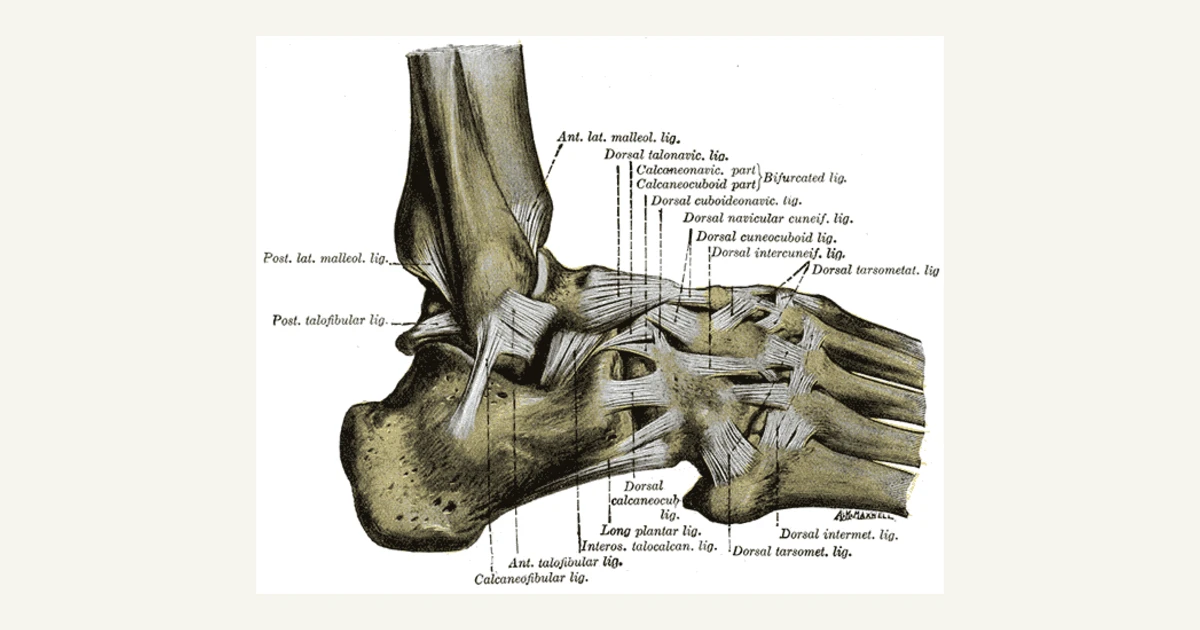
Ankle synovitis occurs when the synovium, a thin membrane surrounding the ankle joint, becomes inflamed. This can cause pain, swelling, and difficulty moving the ankle. The synovial membrane produces synovial fluid, which lubricates and nourishes the cartilage in the joint, so when it becomes inflamed, it can interfere with the ankle’s normal movement.
Treatment may include rest, anti-inflammatory medications, physical therapy, or, in more severe cases, corticosteroid injections or surgery to remove inflamed tissue. However, to appropriately determine treatment, it’s crucial to understand its symptoms, causes, and diagnosis.
Difference Between Ankle Tendonitis and Synovitis
Ankle tendonitis and synovitis are sometimes mistakenly interchanged because both conditions involve inflammation around the ankle and share similar symptoms. However, they affect different tissues and require distinct approaches to diagnose and treat tendonitis.
Tendonitis refers to the inflammation of a tendon, such as the peroneal or posterior tibial tendon, which connects the calf muscle to bones. Overuse, improper footwear, or sudden increases in activity levels usually cause foot and ankle tendonitis. Physical therapists often recommend using orthotics for patients with foot tendonitis, especially when there is a presence of tendon tear.
Synovitis, on the other hand, affects the synovium, causing fluid build-up in the joint. While tendonitis is more about irritation from excessive strain or poor mechanics, synovitis can result from a broader range of issues, including autoimmune diseases and infections.
Synovitis and peroneal tendonitis diagnosed together is possible, as both conditions can coexist, particularly after an ankle injury or in individuals with chronic ankle instability. Treatment for an inflamed tendon in the ankle usually involves rest, ice, and physical therapy, but synovitis may require additional interventions.
Who Are at Risk for Ankle Synovitis
Certain groups are more prone to developing ankle synovitis due to various factors, including lifestyle, medical conditions, and injury history. Those at risk include:
- Athletes in high-impact sports like running, soccer, basketball, and tennis
- People with autoimmune conditions such as rheumatoid arthritis or gout
- Individuals who have had ankle sprains, fractures, or dislocations
- People with joint infections
- Individuals with overuse injuries
- Older adults
- Obese individuals
Understanding these risk factors can help in taking preventive steps, such as proper joint care, using supportive footwear, maintaining a healthy weight, and addressing early signs of joint issues before they worsen. The risk factors increase if tendon injuries, like tendon tears, are left untreated, leading to further complications.
Causes of Ankle Synovitis
Ankle synovitis can arise due to underlying conditions or external factors that lead to inflammation of the synovial membrane, including:
- Direct injuries, such as ankle sprain, fractures, or dislocations
- Repetitive stress or overuse of the ankle joint
- Rheumatoid arthritis and autoimmune conditions
- Osteoarthritis or degeneration of the joint cartilage
- Gout or the buildup of uric acid crystals in the joint can lead to synovitis
- Joint infections
- Chronic ankle instability leading to repeated ankle sprains or injuries
- Extensor tendonitis or bursitis
- Allergic reactions
The root cause of synovitis can differ significantly between traumatic injury, chronic conditions, and autoimmune diseases. So, it’s important to seek proper consultation and diagnosis.
Complications
If left untreated, ankle synovitis can lead to more severe issues like joint stiffness, chronic pain, and restricted ankle movements. In some cases, it may cause damage to surrounding tendons, such as the peroneal tendons, leading to conditions like peroneal tendonitis.
Similar to when you don’t get your peroneal tendonitis treated, ignoring ankle synovitis can result in a cycle of inflammation and pain that exacerbates the original condition.
Symptoms of Ankle Synovitis
The symptoms of synovitis can vary in severity, but it commonly includes the following:
- Localised pain around the ankle joint
- Swelling and inflammation
- Stiffness in the ankle joint, particularly in the morning
- Decreased range of motion
- Tenderness around the joint
- Joint instability
- Clicking, popping, or cracking sounds
- Fatigue or weakness
Symptoms of synovitis may overlap with tendonitis, especially when dealing with foot or ankle tendonitis, making it harder to differentiate.
Diagnosing Ankle Synovitis
Diagnosing ankle synovitis involves reviewing your medical history and previous injuries, such as ankle sprains or tendon injuries. A healthcare provider or physiotherapist will then assess the area for tenderness, swelling, and ankle movements. Imaging tests such as X-rays or MRIs may be used to evaluate inflammation and check for damaged tissue.
If other conditions like peroneal tendonitis or posterior tibial tendonitis are suspected, the doctor may also evaluate tendon attachments and check for acute tears.
Ankle Synovitis Treatment
Treatment for ankle synovitis can be approached using conservative and non-conservative methods.
Surgical
In more severe cases, where conservative treatments fail, surgical interventions like arthroscopy or debridement may be necessary. These procedures involve removing damaged tissue or inflamed synovium to relieve symptoms.
Tendon transfer may be performed to improve function and stability if there is significant tendon damage or instability. These procedures aim to alleviate symptoms and improve joint function.
Non-Surgical
Most cases of ankle synovitis can be treated non-surgically through:
- Physical therapy and targeted exercises that strengthen surrounding muscles and reduce inflammation.
- Conservative treatments such as rest, applying an ice pack, and using a compression bandage to reduce swelling and pain.
- Supportive shoes that support the foot and ankle to prevent further strain.
Ankle Synovitis Recovery Time
Recovery time varies depending on the severity of the inflammation and whether surgical treatment is required. For mild cases, recovery may take around 2-6 weeks with proper rest and physical therapy. Post-surgery, recovery can extend to several months, depending on how much of the damaged tendon or synovium was removed.
Preventing Ankle Synovitis
To prevent future ankle synovitis or related conditions, here are some tips:
- Wear supportive shoes.
- Build strong calf muscles and surrounding muscles.
- Ensure correct posture and movement during activities, especially when playing sports.
- Warm up and stretch before engaging in physical activities.
- Avoid sudden increases in intensity or duration of physical activities.
- Gradually build up your activity level to prevent overuse injuries.
- Engage in exercises that improve balance and proprioception, such as yoga or balance board exercises.
- Mix different types of physical activities to reduce repetitive strain on the ankle.
When To See a Doctor
If you experience persistent foot or ankle pain, swelling, or a popping sensation during ankle movements, see an orthopedic surgeon. Ignoring these symptoms could lead to more severe tendon injuries or complications requiring surgery.
Conclusion
Ankle synovitis is a painful condition that can hinder daily activities and athletic performance. Early diagnosis and treatment are essential to prevent complications, and a combination of conservative and surgical approaches may be necessary depending on the severity. Preventive measures also go a long way towards reducing the likelihood of developing synovitis and maintaining healthy ankle movement.
Here at Phoenix Rehab, we also have ankle injury physiotherapy.
Where are you with this right now?
1. It is settling on its own
Foot and ankle problems are slow but usually very treatable. Months rather than weeks is normal, and improvement is judged over a month, not a day. If the first steps in the morning are easier than they were four weeks ago, you are on the right road. You do not need us for this, and we would rather say so.
2. It has stopped improving
The first ten steps out of bed are still the worst part of the day. You choose shoes by how long you will be standing. You still look at the ground when you walk.
Symptoms settle well before the tissue has rebuilt its capacity, which is why stopping the loading work early is the most common reason this drags on for years. That is the gap worth measuring, and it is not measured by how you feel on the day.
What our patients say
Google reviews from our clinics in Singapore.



The Stalled Recovery Review is three appointments over three weeks with the same therapist, because what a joint does under load cannot be read in one visit. The first finds what is limiting it. The next two measure how it responds. $690, nett, no GST, which is three appointments at $230.
3. You have had surgery, or you have a date
Recovery after an operation has a shape, and knowing which stage you are in tells you whether you are on it. See the recovery programs, or ankle physiotherapy if you are not sure which applies to you.
All of it runs on the same four stages. The Phoenix Recovery Protocol explains what each stage works on and what you have to meet to move up. No referral needed to start.
Next step
Find out which stage you are in
Pain is the first thing to leave. Movement and strength are the last things trained back, and most people stop before that part is done. One Assessment and Treatment is a single 45-minute appointment at $230, nett, no GST. Your therapist finds what is actually limiting you, treats it in the same appointment, and you leave with your current stage and a written plan.
Prefer to phone? Each of our five clinics has its own number on the clinics page. No referral needed to book.
Related reading
Where we are
Clinics across Singapore
ORCHARD
400 Orchard Road #12-12
Orchard Towers, S238875
NS22 Orchard MRT
Physiotherapy and hand therapy in Orchard →
WhatsApp 8800 1830TAMPINES
9 Tampines Grande #01-20
Asia Green, S528735
EW2DT32 Tampines MRT
Physiotherapy and hand therapy in Tampines →
WhatsApp 8780 9608SERANGOON
265 Serangoon Central Drive #04-269
S550265 · Lift C only
NE12CC13 Serangoon MRT
Physiotherapy and hand therapy in Serangoon →
WhatsApp 8892 4121TANJONG PAGAR
10 Anson Road #02-77A
International Plaza, S079903
EW15 Tanjong Pagar MRT
Physiotherapy and hand therapy in Tanjong Pagar →
WhatsApp 8227 7074JURONG EAST
2 Venture Drive #02-02
Vision Exchange, S608526
NS1EW24 Jurong East MRT
Opening 25 October 2026
Physiotherapy and hand therapy in Jurong East →
WhatsApp 8242 7340