
Written by Zita Sham, Fairuuz Saleh and Shiv Mohan Banka, Principal Physiotherapists at Phoenix Rehab.Clinically reviewed by Louise Yow, Principal Physiotherapist & Director, AHPC A1300363H.Last reviewed 28 September 2026.
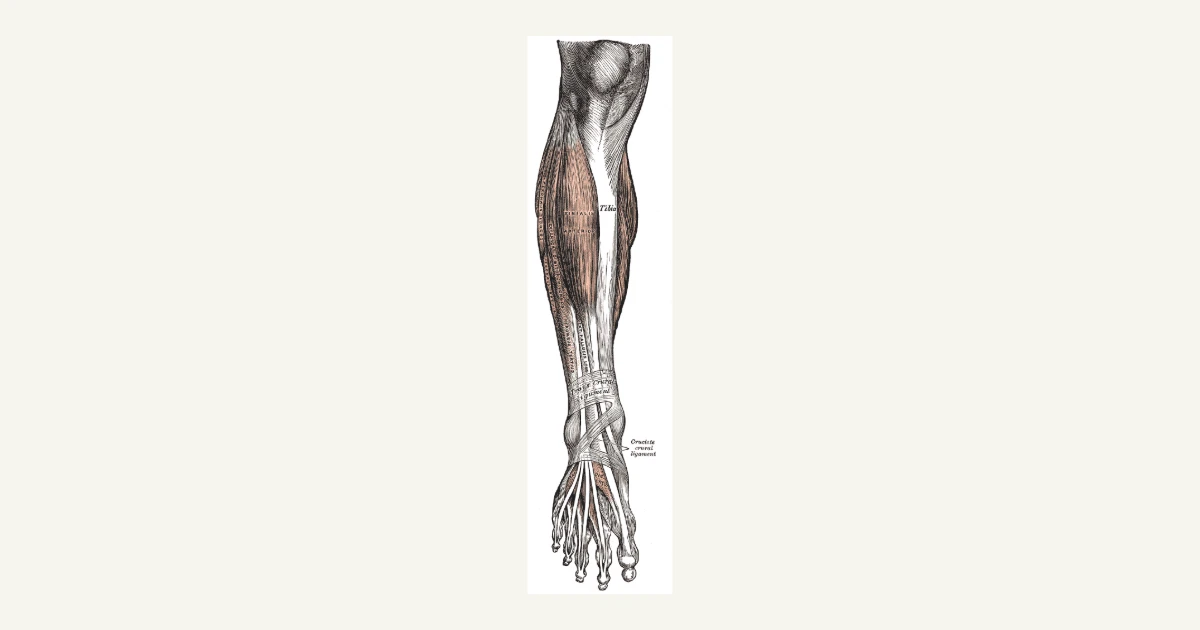
Foot drop, sometimes called drop foot, is a medical term to explain difficulty with lifting the front part of the foot to walk or move. The patient will experience weakness, paralysis and difficulty lifting up the foot. This causes the patient to drag the toes on the ground, or to compensate by “slapping” the feet on the floor while walking.
No, drop foot is not a disease. In fact, it is caused by either/a combination of:
- an anatomical problem
- a muscular problem
- a neurological problem.
Thankfully, it is usually a short term (temporary) condition, but in some patients, it may be a permanent condition.
Patients who have drop foot will benefit from immediate and ongoing:
- Drop foot physiotherapy by our senior physiotherapists in Phoenix Rehab Singapore which includes muscle strengthening, electrotherapy to stimulate the muscles and affected nerves, balance and gait training.
- Customized resting foot splint and customized dynamic walking foot splint fabricated by our senior hand therapist.
- Deep tissue release to stimulate muscle growth, stimulate blood circulation and release tight muscle knots from overcompensatory muscles.
- Acupuncture to stimulate nerves, circulation and Qi healing.
Drop foot can affect young and old, men and women, and it can be so debilitating that even the most simple tasks can become ultra-difficult.
DROP FOOT SYMPTOMS

The #1 symptom of drop foot is precisely the name of the condition “drop foot”. Patients who have this condition find themselves being unable to lift up their foot at the ankle. Mostly it’s due to an injury to the peroneal nerve, but it can be caused by other conditions such as stroke or even a slipped disc.
Having drop foot makes it very difficult to walk normally, because of the mechanism of this symptom. Standing upright is okay, but walking requires one to move forward using a series of movements including lifting the feet up alternatively. Patients will usually compensate by lifting their hip higher and this results in a “foot slapping motion” onto the floor as they walk.
Thankfully, foot drop usually affects only one side (i.e. one foot), though in some instances, both feet may be affected. In some cases, patients with foot drop may also experience altered sensation in the affected foot such as
- numbness
- tingling
- pins and needles
- cold.
FOOT DROP PHYSIOTHERAPY AND OTHER TREATMENTS

Physiotherapy
Whether the foot drop is temporary or permanent, patients will need physiotherapy interventions to recover. Physiotherapy for foot drop will depend entirely on the cause of the foot drop. Most of the time, if the cause of the temporary foot drop is accurately diagnosed and accurately treated, the foot drop may disappear quickly and entirely. And conversely, if it isn’t accurately diagnosed and treated, drop foot may become permanent.
Physiotherapy interventions include:
- physio and rehab exercises to strengthen your leg muscles and improve and maintain the range of motion in your hips, knees and ankles
- gait retraining
- stretching exercises to prevent stiffness in your ankle and heel
- electrotherapy to stimulate muscle and nerve growth and maintenance
- referral to foot and ankle clinicians and hand therapists for customized foot and ankle splinting.
Hand Therapy
Patients with foot drop will benefit from having
- a customized resting foot and ankle splint
- a customized dynamic/walking foot and ankle splint
fabricated for their affected foot. The resting version helps to keep your foot in 90 degrees flexion, to prevent it from stiffening in a flat/extended position (which will dampen your ability to stand upright or walk). The dynamic version helps to keep your foot at 90 degrees as you walk.
Deep tissue release/sports massage and acupuncture may be helpful to
- stimulate muscle and nerve growth
- stimulate blood circulation
- improve recovery rate
- prevent stiffness.
Invasive corrective surgery usually is a last resort for patients with permanent irreversible foot drop. These patients may benefit from ankle or foot bone fusion. In some cases, the surgeon may recommend tendon transfer, but this would be based on the experienced advice of orthopedic doctors and surgeons.
Where are you with this right now?
1. It is settling on its own
Foot and ankle problems are slow but usually very treatable. Months rather than weeks is normal, and improvement is judged over a month, not a day. If the first steps in the morning are easier than they were four weeks ago, you are on the right road. You do not need us for this, and we would rather say so.
2. It has stopped improving
The first ten steps out of bed are still the worst part of the day. You choose shoes by how long you will be standing. You still look at the ground when you walk.
Symptoms settle well before the tissue has rebuilt its capacity, which is why stopping the loading work early is the most common reason this drags on for years. That is the gap worth measuring, and it is not measured by how you feel on the day.
The Stalled Recovery Review is three appointments over three weeks with the same therapist, because what a joint does under load cannot be read in one visit. The first finds what is limiting it. The next two measure how it responds. $690, nett, no GST, which is three appointments at $230.
3. You have had surgery, or you have a date
Recovery after an operation has a shape, and knowing which stage you are in tells you whether you are on it. See the recovery programs, or ankle physiotherapy if you are not sure which applies to you.
All of it runs on the same four stages. The Phoenix Recovery Protocol explains what each stage works on and what you have to meet to move up. No referral needed to start.
Next step
Find out which stage you are in
Pain is the first thing to leave. Movement and strength are the last things trained back, and most people stop before that part is done. One Assessment and Treatment is a single 45-minute appointment at $230, nett, no GST. Your therapist finds what is actually limiting you, treats it in the same appointment, and you leave with your current stage and a written plan.
What our patients say
Google reviews from our clinics in Singapore.


Prefer to phone? Each of our five clinics has its own number on the clinics page. No referral needed to book.
Related reading
- physiotherapy after surgery
- ankle physiotherapy
- Your Ankle Stopped Hurting. That Is Not the Same as Healed.
- Foot Eversion: What It Is and Why It Matters
- Ankle Pain From Running: Causes and How to Manage It
- The Phoenix Recovery Protocol, and the four stages
- All recovery programs, hand and physio
- Physiotherapy for foot pain
Where we are
Clinics across Singapore
ORCHARD
400 Orchard Road #12-12
Orchard Towers, S238875
NS22 Orchard MRT
Physiotherapy and hand therapy in Orchard →
WhatsApp 8800 1830TAMPINES
9 Tampines Grande #01-20
Asia Green, S528735
EW2DT32 Tampines MRT
Physiotherapy and hand therapy in Tampines →
WhatsApp 8780 9608SERANGOON
265 Serangoon Central Drive #04-269
S550265 · Lift C only
NE12CC13 Serangoon MRT
Physiotherapy and hand therapy in Serangoon →
WhatsApp 8892 4121TANJONG PAGAR
10 Anson Road #02-77A
International Plaza, S079903
EW15 Tanjong Pagar MRT
Physiotherapy and hand therapy in Tanjong Pagar →
WhatsApp 8227 7074JURONG EAST
2 Venture Drive #02-02
Vision Exchange, S608526
NS1EW24 Jurong East MRT
Opening 25 October 2026
Physiotherapy and hand therapy in Jurong East →
WhatsApp 8242 7340