
Written by Zita Sham, Fairuuz Saleh and Shiv Mohan Banka, Principal Physiotherapists at Phoenix Rehab.Clinically reviewed by Louise Yow, Principal Physiotherapist and Director, AHPC A1300363H.Last reviewed 28 September 2026.
Running is often recommended as a good cardiovascular exercise. This makes experiencing lower back pain after running both confusing and frustrating. There is a range of possible causes, from poor running posture and weak core muscles to improper footwear or underlying spinal issues. Running places repetitive stress on the lower back, and if your body isn’t correctly aligned or supported, it can lead to discomfort or even injury.
It may be surprising to know that lower back pain from running is a common issue among both beginners and seasoned runners. Understanding the causes and applying effective treatment strategies can help runners prevent or manage pain and maintain optimal performance.
In this blog, we’ll discuss the most common cause of lower back pain from running and explore ways to reduce pain. We will also learn when to opt for back physiotherapy in Singapore and when to seek a more serious medical intervention.
Most Common Causes of Back Pain After Running
Several factors can contribute to lower back pain after running. In Singapore, many adults experience it, with as many as 80% affected. Identifying the root cause is key to finding the right solution.
Muscles
Core weakness is a common culprit of lower back pain after running. Your core stabilises your spine, engaging multiple muscle groups, including the core muscles, abdominal muscles, and back muscles, all of which help maintain spinal stability and absorb impact. If it is not strong enough, your lower back may compensate, leading to strain.
Muscular imbalances, muscle fatigue, and muscle tightness can also contribute to pain, particularly in the lower back, hip flexors, and hamstrings. Weak core strength reduces spinal support, causing strain on the lower back during intense physical activity.
Facet Joints
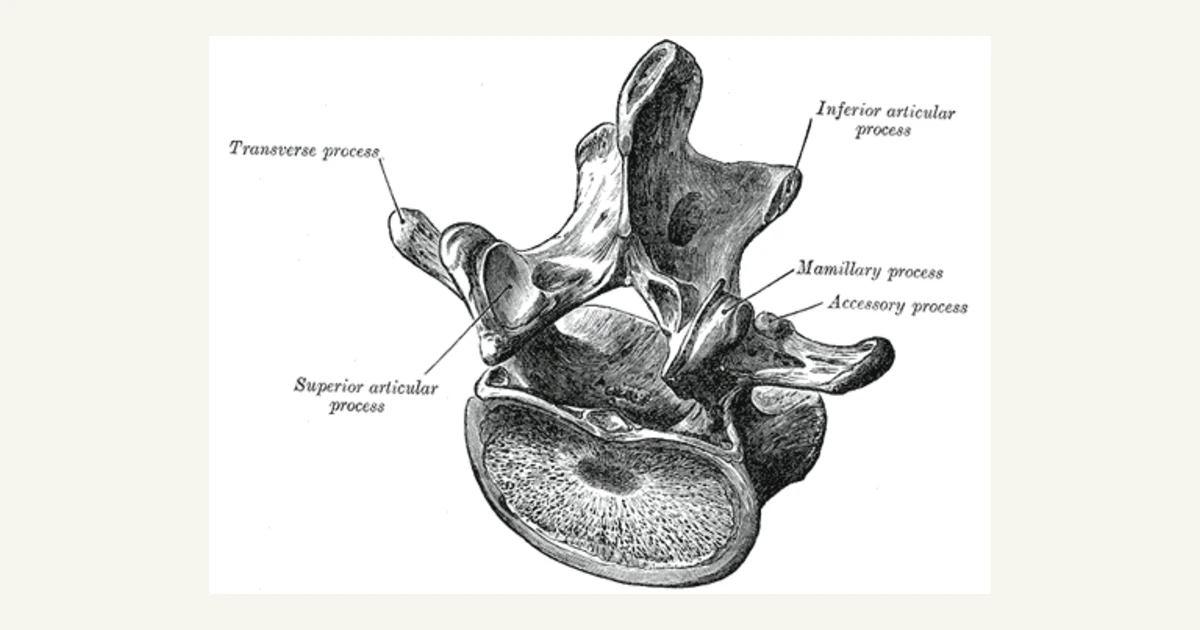
Facet joints are small stabilising joints that connect the vertebrae, allowing for smooth spinal movement. When running, excessive spinal extension or poor posture can lead to increased pressure on these joints, causing irritation and stiffness. This is especially common in runners who arch their lower back excessively or fail to engage their core properly.
Overuse of the facet joints can result in inflammation and limited mobility, particularly if combined with repeated impact on hard surfaces. Maintaining a neutral spine and ensuring proper hip alignment can minimize stress on these joints. Strengthening the deep core muscles and glutes can also help reduce excessive movement that might aggravate the facet joints.
Sacroiliac Joints
The sacroiliac joints (SI joints) connect the spine to the pelvis and serve as shock absorbers during movement. Sacroiliac joint pain can arise when these joints become overly mobile or stiff. Excessive movement can irritate the joint, while restricted mobility may cause compensatory stress in other areas of the body.
Poor running mechanics, such as uneven stride length or overstriding, can further aggravate SI joint dysfunction. Runners with a history of pelvic instability or prior injuries may be more susceptible to SI joint pain. A professional gait analysis can help pinpoint irregularities, while targeted stability exercises can improve joint function.
Intervertebral Discs
The intervertebral discs cushion between the vertebrae, absorbing shock from repetitive impact. Running on hard surfaces, such as pavement, places greater stress on these discs, increasing the risk of conditions like herniated discs or disc degeneration. This is concerning for runners with pre-existing spinal conditions or poor shock absorption due to inadequate footwear.
Disc-related back pain often presents as a deep, aching discomfort or sharp pain that worsens with prolonged running. To reduce spinal stress, runners should invest in well-made, supportive running shoes and vary their training surfaces when possible. Strengthening the core and maintaining good posture while running also helps distribute impact forces more evenly.
Nerves
The sciatic nerve, which extends from the lower back down the legs, can become irritated due to spinal misalignment, muscle tightness, or disc compression. Prolonged running can trigger sciatica or nerve compression, mainly if the piriformis or surrounding muscles in the lower back are excessively tight.
Poor posture, a weak core, or improper foot strike mechanics can contribute to nerve-related pain by increasing stress on the lumbar spine. Stretching exercises, proper warm-ups, and core strengthening routines can help alleviate nerve compression.
Unhealthy Weight
Excess body weight adds additional strain on the lower back, increasing pressure on the spine, joints, and muscles. Heavier runners may experience greater impact forces with each stride, leading to muscle fatigue and joint discomfort over time. Running with excess weight can also alter biomechanics, potentially leading to compensatory movement patterns that increase the risk of back pain.
Managing weight through a balanced approach, including cross-training, strength training, and proper nutrition, can help reduce unnecessary back strain. Low-impact exercises like swimming or cycling can complement running, allowing cardiovascular conditioning without excessive spinal stress.
Ways to Reduce Back Pain After Running
They say training the mind is as important as training the body to reduce back pain after running. Physical recovery strategies matter, but mental discipline is key in consistency, injury prevention, and long-term improvement. A simple yet conscious effort to move with intention and be aware of your posture or breathing can go a long way.
Implement the following strategies consistently to reduce strain on your lower back.
1. Do Warm-Up and Gentle Stretches
A proper warm-up prepares muscles, increases blood flow, and prevents stiffness. Without it, your muscles remain tight, making your lower back more vulnerable to strain. Aim for at least 5 to 10 minutes of dynamic movements to activate key muscle groups.
Here are some exercises for a pre-run dynamic warm-up:
- Leg Swings
- High Knees
- Slump Sliders
Below are post-run static stretches you can try:
- Hamstring Stretch
- Hip Flexor Stretch
- Child’s Pose
2. Do Strength Training
A strong core and stable lower body absorb impact better, reducing stress on the spine. Weak muscles force your lower back to compensate, increasing the risk of pain. Strength training improves stability and posture, making running more efficient.
Core and lower back strengthening exercises include the following:
- Side Planks
- Hip Bridges
- Bird Dogs
Adding these exercises 2 to 3 times a week helps maintain a strong foundation for running.
3. Keep Hydrated
Dehydration can cause muscle cramping, stiffness, and reduced spinal disc hydration, making your back more susceptible to pain. Proper hydration helps muscles function optimally and supports recovery.
Here are our hydration tips for runners:
- Drink 500 ml (17 oz) of water an hour before running.
- Sip small amounts during long runs to maintain hydration.
- Replenish electrolytes with coconut water or sports drinks after intense workouts.
4. Avoid Overtraining
Running too frequently without proper recovery leads to chronic muscle fatigue and increased strain on the lower back. Overuse injuries often occur when the body doesn’t get enough time to repair itself.
To prevent overtraining:
- Schedule rest days or active recovery days (e.g., walking, yoga).
- Listen to your body. Persistent soreness means it’s time to scale back.
- Alternate running surfaces (grass, track, or treadmill) to reduce impact stress.
5. Check Your Running Form
A poor running posture forces unnecessary strain on your spine, leading to lower back pain. Conversely, the correct running form enhances efficiency and reduces injury risks.
For proper upper body positioning, follow these tips:
- Keep your shoulders relaxed and avoid tensing them upward.
- Maintain a neutral spine. Avoid excessive arching or leaning forward.
- Look straight ahead, keeping your chin slightly tucked to prevent neck strain.
When positioning the lower body while running:
- Engage your core and glutes to stabilise the pelvis.
- Avoid overstriding. Land with your foot beneath your body, not too far ahead.
- Keep a slight bend in the knees to absorb impact efficiently.
6. Take Over-the-Counter (OTC) Pain Medications
For temporary relief, OTC anti-inflammatory medications like ibuprofen can help manage pain and joint pain. However, these should only be a temporary solution. To use correctly:
- Take only as directed to avoid side effects like stomach irritation.
- Avoid prolonged use. If pain persists, seek medical advice.
- Combine with stretching and strengthening exercises for long-term relief.
7. Apply a Heating Pad
A heating pad can help loosen tight muscles and increase blood flow to the affected area, reducing muscle tension and pain. Applying heat for 15 to 20 minutes post-run can aid recovery. Wrap the pad in a towel to prevent burns and pair with gentle stretching for maximum relief.
8. Seek Physical Therapy Appointments
Lower back pain physiotherapy provides hands-on treatments and guided exercises to alleviate pain. It focuses on both rehabilitation and prevention to help runners prevent or manage pain. A physical therapist can identify muscle imbalances, improve running form, and recommend targeted exercises to strengthen back muscles and reduce pain.
Attend Physiotherapy Appointments
If pain persists for a few weeks, a physiotherapist can perform manual therapy, stretching, and gait analysis to assess running surfaces, posture, and proper form. At Phoenix Rehab, key physiotherapy approaches include:
- Soft tissue release. Loosens tight muscles and improves flexibility
- Stretching and mobility exercises. Targets problem areas affecting back health
- Gait assessment. Ensures proper running mechanics for reduced impact stress
When To See a Doctor
If lower back pain is persistent, worsens over time, or is accompanied by nerve compression symptoms like numbness or tingling, seek professional medical help. Conditions like a herniated disc or severe facet joint irritation may require focused treatment.
Alternatives to Running
If advised to limit running, consider cross-training activities like swimming and cycling, which provide cardiovascular benefits while reducing repeated stress on the spine. These activities strengthen all the muscles involved in running while preventing further strain.
What our patients say
Google reviews from our clinics in Singapore.



Final Words
Lower back pain from running is often caused by muscle strain, poor running form, and repetitive stress on the spine. Addressing muscle imbalances, following a proper warm-up routine, incorporating strength training exercises, and maintaining an upright posture can help runners manage or prevent pain. If back pain persists, seek guidance from a physical therapist or a medical professional for further assessment and treatment.
Running: what we focus on
It settles when you stop. It comes back when you start.
The ache that appears at the same kilometer every run. The ankle you rolled on the park connector. The knee that is fine on the flat and complains downhill. Most running injuries are loading problems, which is why rest works and then stops working.
- Achilles and calf. Heel raise capacity counted against the other side. After a rupture, the Achilles Rupture Recovery Program.
- Ankle. Ankle sprains retrained with balance and hop work. After surgery for a fracture, the Ankle Fracture Surgery Recovery Program.
- Knee. Quadriceps and hip strength, and how the knee is loaded downhill.
- Back. Lower back pain that builds with distance.
Tested, not dated. You go back when the measures say so: single-leg strength, hop tests and a graded return to distance. Pain is the first thing to leave. Strength is the last to train and recover.
WhatsApp us · Get Assessed & Treated · One 45-minute appointment, $230, nett, no GST.
Where are you with this right now?
1. It is settling on its own
Most episodes of back pain settle substantially within six weeks, and staying active beats resting. Scans early on tend to find changes that are common in people with no pain at all. If it is easing week on week and you are moving more rather than less, that is the normal course. You do not need us for this, and we would rather say so.
2. It has stopped improving
You think about how you will get out of the car before you park. You brace before you sneeze. You have stopped lifting anything off the floor without planning it.
The pain leaving is not the same as the capacity coming back. If nothing was loaded again, the back returns to daily life with less than it had. That is the gap worth measuring, and it is not measured by how you feel on the day.
The Stalled Recovery Review is three appointments over three weeks with the same therapist, because what a joint does under load cannot be read in one visit. The first finds what is limiting it. The next two measure how it responds. $690, nett, no GST, which is three appointments at $230.
3. You have had surgery, or you have a date
Recovery after an operation has a shape, and knowing which stage you are in tells you whether you are on it. See the recovery programs, or lower back physiotherapy if you are not sure which applies to you.
All of it runs on the same four stages. The Phoenix Recovery Protocol explains what each stage works on and what you have to meet to move up. No referral needed to start.
Next step
Find out which stage you are in
Pain is the first thing to leave. Movement and strength are the last things trained back, and most people stop before that part is done. One Assessment and Treatment is a single 45-minute appointment at $230, nett, no GST. Your therapist finds what is actually limiting you, treats it in the same appointment, and you leave with your current stage and a written plan.
Prefer to phone? Each of our five clinics has its own number on the clinics page. No referral needed to book.
Related reading
- physiotherapy after surgery
- lower back physiotherapy
- How Physiotherapy Helps With Sciatica Pain Treatment
- Scoliosis Physiotherapy: What To Expect and How It Can Help
- Easing Lower Back Discomfort After Sleep
- The Phoenix Recovery Protocol, and the four stages
- All recovery programs, hand and physio
- Yoga for Slipped Disc Recovery: Gentle Exercises for Healing
- Managing Back Pain After Running: Tips for Recovery and Prevention
Where we are
Clinics across Singapore
ORCHARD
400 Orchard Road #12-12
Orchard Towers, S238875
NS22 Orchard MRT
Physiotherapy and hand therapy in Orchard →
WhatsApp 8800 1830TAMPINES
9 Tampines Grande #01-20
Asia Green, S528735
EW2DT32 Tampines MRT
Physiotherapy and hand therapy in Tampines →
WhatsApp 8780 9608SERANGOON
265 Serangoon Central Drive #04-269
S550265 · Lift C only
NE12CC13 Serangoon MRT
Physiotherapy and hand therapy in Serangoon →
WhatsApp 8892 4121TANJONG PAGAR
10 Anson Road #02-77A
International Plaza, S079903
EW15 Tanjong Pagar MRT
Physiotherapy and hand therapy in Tanjong Pagar →
WhatsApp 8227 7074JURONG EAST
2 Venture Drive #02-02
Vision Exchange, S608526
NS1EW24 Jurong East MRT
Opening 20 October 2026
Physiotherapy and hand therapy in Jurong East →
WhatsApp 8242 7340