
Written by Zita Sham, Fairuuz Saleh and Shiv Mohan Banka, Principal Physiotherapists at Phoenix Rehab.Clinically reviewed by Louise Yow, Principal Physiotherapist & Director, AHPC A1300363H.Last reviewed 1 November 2026.
It is always the right side. Under the shoulder blade, beside the spine, worst by three in the afternoon. You have sat up straighter for three weeks and it is still there when you reach for the seatbelt.
Pain that stays on one side of the upper back is telling you something, and it is usually not what people fear. This page covers what upper right back pain most often is, the signs that mean a doctor rather than a physiotherapist, why it picks the right side, why women search for it more, what helps at home, and what to do when three weeks of better posture has changed nothing.
What causes upper right back pain?
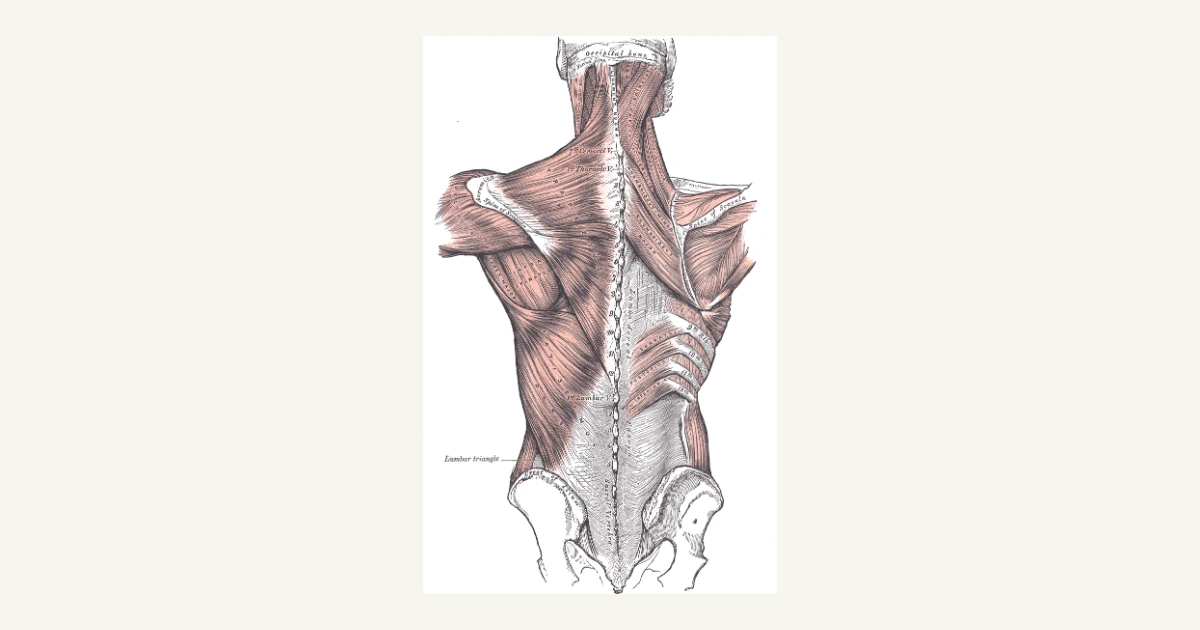
Most upper right back pain comes from the muscles between the shoulder blade and the spine, or from a small joint where a rib meets the spine, both loaded more on the side you use. Less often it is referred from the neck, and rarely from the gallbladder, a kidney or the lung.1,2
Key takeaways
- One-sided upper back pain usually follows one-sided load: the mouse, the bag strap, the child on the hip, the way you twist to reverse the car.
- Muscle pain and rib joint pain feel different. Muscle is a broad ache that eases when you move. A rib joint is a sharp, pinpoint catch on a deep breath or a twist.
- Pain that does not change with movement, breathing or position, or that comes with fever, chest pain, jaundice or pain in the belly, is a doctor’s question first.
- Pregnancy, a larger chest, and gallstones are three reasons the right upper back turns up more in women’s searches. Only one of them needs a doctor.
- Sitting up straighter does not retrain the muscles that have stopped working. Load does. The gap is measured, not felt.
First, the signs that mean a doctor, not this page
- Call 995 if the back pain comes with chest pain, pressure or tightness, shortness of breath, sweating, or pain spreading into the jaw or arm. In women, a heart attack can show up as pain between the shoulder blades with no chest pain at all.
- Go to the emergency department now if you have new numbness or weakness in the legs, a band of numbness around the chest or belly, or trouble controlling bladder or bowel. Also after a fall or car accident if the pain is severe and you cannot straighten up.
- See a doctor the same day if the pain comes with fever, pain in the right upper belly after eating, yellowing of the eyes or skin, pain or burning when you pass urine, or a cough with colored phlegm. If you are over 65, or have osteoporosis or have taken steroids long term, and the pain started suddenly without a clear strain.
- See a doctor soon if the pain wakes you at night and does not ease when you change position, if you have lost weight without trying, if you have a history of cancer, or if the pain has not changed in six weeks of sensible care.2
None of these? Then the rest of this page is for you.
Muscle, rib joint, or neck: how to tell
| What it feels like | What it usually points to | What changes it |
|---|---|---|
| A broad ache between the shoulder blade and the spine. Worse at the end of a desk day. A knot you want someone to press on | The rhomboids, trapezius or levator scapulae, overworked on one side | Eases when you move and warm up. Worse the longer you hold one position |
| A sharp, pinpoint catch beside the spine, one finger wide. Hurts on a deep breath, a sneeze, a cough or a twist | A costovertebral joint, where a rib meets the spine, or the joint between two vertebrae | Breathing and rotation. Often starts after a twist, a heavy lift or a night in a bad position |
| Pain that starts in the neck or the top of the shoulder and runs down into the upper back. Turning the head sets it off | Referred from the lower neck | Neck movement, not back movement. Often with pins and needles into the arm |
| A deep, constant pain that is the same whether you sit, stand, breathe or twist. May come with fever, belly pain or feeling unwell | Possibly referred from an organ: gallbladder, kidney or lung | Nothing you do with your back changes it. Doctor first |
The organ row is the one people fear and the one that is least likely. Pain that your back can change, by moving, breathing or pressing, is coming from the back. A physiotherapist checks this at the first appointment and sends you to a doctor the same day if the pattern does not fit.1
Why it picks the right side
Almost nobody loads their upper back evenly. The mouse is on the right. The bag goes on the right shoulder. The child sits on the right hip. Reversing the car, you twist to the right every time. On the train, you hold the rail with the right hand. Over a week that is thousands of small, same-side pulls on the muscles that hold the right shoulder blade to the spine, and nothing on the left.
The muscles that take that load, the rhomboids and the lower trapezius, tire and tighten, and the shoulder blade starts to sit forward and up. The rib joints under it then move less, and one of them is what catches when you breathe in. The pain is on the right because the work is on the right. That is also why standing up straighter for three weeks changes nothing: posture is a position, and the problem is a muscle that has stopped doing its job under load.
Upper right back pain in women
Three things make the right upper back turn up more often in women’s searches, and they need different answers.
- Pregnancy. As the belly grows, the upper back works harder to hold the chest up, and the ribs flare to make room. Upper back pain from the second trimester on is common and is a physiotherapy problem, not a danger sign. Pain with fever, pain passing urine, or pain in the right upper belly is a doctor’s question the same day.
- A larger chest. The weight sits in front and the upper back holds it, all day. A strap that digs into the right shoulder adds a one-sided pull. This responds to strengthening the muscles between the shoulder blades, and to the fit of what you wear.
- Gallstones. Gallstones are more common in women, and gallbladder pain can refer to the right shoulder blade.3 The pattern is different: it comes in waves, often an hour or two after a heavy or oily meal, with pain under the right ribs at the front, and your back cannot change it. That is a doctor’s question, and a scan they order.
What helps at home
For a muscle ache or a rib joint catch that your back can change, the first two weeks are about moving it, not resting it.
- Change position before it hurts. Set a timer. Every 30 minutes, stand, put both hands behind your head and turn the chest left and right ten times. The right side will feel tighter. That is the side to turn to.
- Heat for the muscle, movement for the joint. A warm pack across the right shoulder blade for 15 minutes before the turning exercise. Heat on its own, without movement, buys an evening and changes nothing.
- Move the load. Bag on the left shoulder for a fortnight. Mouse closer to the body, elbow by your side. Child on the left hip on alternate days. The point is not to fix the posture. It is to stop feeding the same side.
- Breathe into it. For a rib joint catch, slow deep breaths with a hand on the right lower ribs, five at a time, several times a day, move the joint that has stopped moving.
- Pain relief is a decision for your GP or pharmacist, especially in pregnancy or if you take other medicines.
Rhomboid pain and the ache between the shoulder blades have their own pages, with the exercises in full: rhomboid pain and pain between the shoulder blades.
Three weeks of better posture, and it is still there
The thinking goes: it is posture, so fix the posture.
What our patients say
Google reviews from our clinics in Singapore.


So you did. You sat up straight, bought the lumbar cushion, raised the monitor. For three weeks. The ache under the right shoulder blade still arrives at three in the afternoon. You still cannot lie on your right side to sleep. Reaching for the seatbelt still catches. You have started taking the stairs with the bag in your left hand like someone who has been told to.
There is a reason for that. Posture is a position you hold with effort. The muscles that are supposed to hold the shoulder blade for you have been outworked on one side for months, and they do not switch back on because you decided to sit up. They switch back on when they are loaded, a little more each week, until holding the shoulder blade back costs nothing. Until then the pain comes back the moment you stop concentrating, which is exactly what happens at three in the afternoon.
Has anyone pressed along the rib joints beside your spine, one by one, and found the one that catches? Measured how far your chest turns to the right against the left? Checked your neck, because a stiff lower neck sends pain into the upper back more often than the upper back sends pain anywhere? If not, nobody yet knows whether this is a muscle that needs loading, a rib joint that needs moving, or a neck that needs its own plan. The long-haul flight in December is coming either way.
What a physiotherapist does with it
Finding the real problem is half the battle. Treating it is the other half.
At the Assessment & Treatment, a physiotherapist asks where it is and when, in your words, then tests what a posture tip never tests: how far the chest rotates each way, measured; which rib joint catches when it is pressed and when you breathe in; whether turning your head reproduces the pain, which points to the neck; how the right shoulder blade moves when you raise the arm against the left; and the strength of the muscles that hold it, side to side. If the pattern does not fit the back, we say so and write to your doctor. Physiotherapists do not diagnose organ disease or order scans.
If it is the back, most of the 45 minutes is treatment: hands-on work for the muscle and the rib joint that has stopped moving, then the loading that the posture advice skipped, starting at a level the muscle can hold and measured up at each review. You leave knowing which stage you are in, what is limiting the right side, and a written plan for the desk, the bag and the car. The page on physiotherapy for the upper back covers the full program, and if the pain runs up into the neck and shoulder on the same side, right-sided neck and shoulder pain is the page to read next.
Every appointment is one to one with your physiotherapist for the full 45 minutes, at five clinics: Orchard, Tampines, Serangoon, Tanjong Pagar and Jurong East. Bring any scan report you have.
Questions about upper right back pain
Why is my upper back pain only on the right side?
Because the load is usually only on the right side. The mouse hand, the bag shoulder, the hip you carry a child on and the way you twist to reverse the car all work the muscles beside the right shoulder blade more than the left. One-sided pain that your back can change by moving, breathing or pressing is coming from the back.
Can upper right back pain be from the gallbladder or kidney?
Rarely, yes. Gallbladder pain can refer to the right shoulder blade and kidney pain to the right flank. The pattern is different from muscle or joint pain: it is constant, your back movement does not change it, and it usually comes with belly pain, fever, nausea or pain passing urine. That pattern is a doctor’s question the same day.
What does upper right back pain with shoulder pain mean?
Usually that the neck or the shoulder blade is involved. A stiff lower neck can send pain into the top of the shoulder and down into the upper back on one side. A shoulder blade that sits forward loads the muscles between it and the spine. A physiotherapist tests the neck, the shoulder and the upper back to find which one is driving it.
Is upper right back pain normal in pregnancy?
Upper back pain is common from the second trimester, as the chest is held up against a growing belly and the ribs flare. It is a physiotherapy problem. Pain with fever, pain passing urine, or pain in the right upper belly is different and needs a doctor the same day.
What can I do about upper right back pain at home?
Move it rather than rest it. Every 30 minutes, stand and turn the chest to each side ten times. Use heat on the right shoulder blade before the movement, not instead of it. Move the bag, the mouse and the child to the left side for two weeks. If three weeks of this has changed nothing, have it assessed.
When should I worry about upper right back pain?
When it comes with chest pain or breathlessness (call 995), with leg weakness or numbness or bladder changes (emergency department), with fever, jaundice, belly pain or urinary pain (doctor the same day), or when it wakes you at night and position does not change it, you have lost weight without trying, or you have a history of cancer (doctor soon).
Three weeks of sitting up straight and the right shoulder blade still aches by three in the afternoon? Get Assessed & Treated, and leave knowing whether it is the muscle, the rib joint or the neck, what it can take today, and what the next stage asks of it.
Sources: 1. Fruth SJ. Differential diagnosis and treatment in a patient with posterior upper thoracic pain. Phys Ther. 2006;86(2):254-268. 2. Finucane LM, Downie A, Mercer C, et al. International framework for red flags for potential serious spinal pathologies. J Orthop Sports Phys Ther. 2020;50(7):350-372. 3. Lammert F, Gurusamy K, Ko CW, et al. Gallstones. Nat Rev Dis Primers. 2016;2:16024.
Also on this site: the page on upper left back pain covers pain on the left side of the upper back.
Where are you with this right now?
1. It is settling on its own
Most episodes of back pain settle substantially within six weeks, and staying active beats resting. Scans early on tend to find changes that are common in people with no pain at all. If it is easing week on week and you are moving more rather than less, that is the normal course. You do not need us for this, and we would rather say so.
2. It has stopped improving
You reach for the seatbelt with the left hand now. You have stopped sleeping on your right side. You know the ache will arrive at three in the afternoon, and it does.
The pain leaving is not the same as the capacity coming back. If nothing was loaded again, the back returns to daily life with less than it had. That is the gap worth measuring, and it is not measured by how you feel on the day.
The Stalled Recovery Review is three appointments over three weeks with the same therapist, because what a joint does under load cannot be read in one visit. The first finds what is limiting it. The next two measure how it responds. $690, nett, no GST, which is three appointments at $230.
3. You have had surgery, or you have a date
Recovery after an operation has a shape, and knowing which stage you are in tells you whether you are on it. See the recovery programs, or upper back physiotherapy if you are not sure which applies to you.
All of it runs on the same four stages. The Phoenix Recovery Protocol explains what each stage works on and what you have to meet to move up. No referral needed to start.
Next step
Find out which stage you are in
Pain is the first thing to leave. Movement and strength are the last things trained back, and most people stop before that part is done. One Assessment and Treatment is a single 45-minute appointment at $230, nett, no GST. Your therapist finds what is actually limiting you, treats it in the same appointment, and you leave with your current stage and a written plan.
Prefer to phone? Each of our five clinics has its own number on the clinics page. No referral needed to book.
Related reading
Where we are
Clinics across Singapore
ORCHARD
400 Orchard Road #12-12
Orchard Towers, S238875
NS22 Orchard MRT
Physiotherapy and hand therapy in Orchard →
WhatsApp 8800 1830TAMPINES
9 Tampines Grande #01-20
Asia Green, S528735
EW2DT32 Tampines MRT
Physiotherapy and hand therapy in Tampines →
WhatsApp 8780 9608SERANGOON
265 Serangoon Central Drive #04-269
S550265 · Lift C only
NE12CC13 Serangoon MRT
Physiotherapy and hand therapy in Serangoon →
WhatsApp 8892 4121TANJONG PAGAR
10 Anson Road #02-77A
International Plaza, S079903
EW15 Tanjong Pagar MRT
Physiotherapy and hand therapy in Tanjong Pagar →
WhatsApp 8227 7074JURONG EAST
2 Venture Drive #02-02
Vision Exchange, S608526
NS1EW24 Jurong East MRT
Physiotherapy and hand therapy in Jurong East →
WhatsApp 8242 7340