
Written by Zita Sham, Fairuuz Saleh and Shiv Mohan Banka, Principal Physiotherapists at Phoenix Rehab.Clinically reviewed by Louise Yow, Principal Physiotherapist & Director, AHPC A1300363H.Last reviewed 28 September 2026.
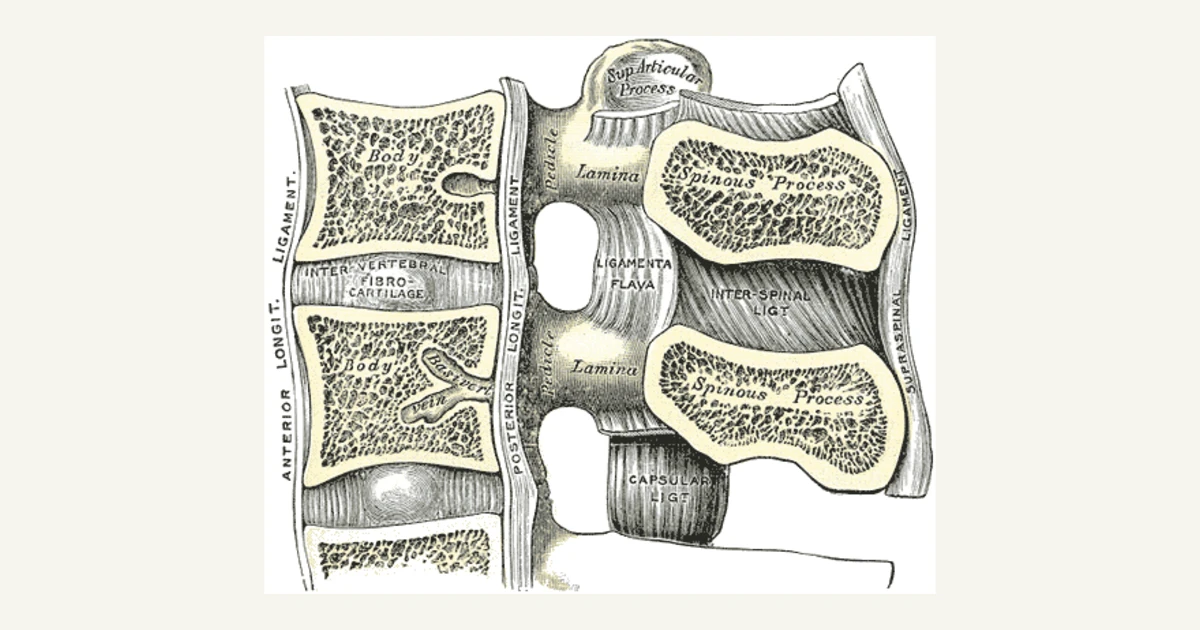
Within the spine’s structure lies the vulnerability of intervertebral discs, which, when subjected to strain or injury, can cause disc herniation. This condition, often caused by age-related degeneration or sudden trauma, manifests through symptoms like radiating back pain, numbness, or weakness.
Herniated discs are among the underlying causes of patients with back pain, prevalent in five to 20 per 1,000 adults annually. It is a rather common spinal problem that gets better in time with the proper treatment.

Conservative treatments such as physiotherapy for slipped disc emerge as a gentle yet powerful ally for recovering from a herniated disc. Another complementary approach that is increasingly recognized within conventional medical settings as a therapeutic modality is yoga. Yoga helps individuals find relief, strengthen their core, and promote overall wellness.
Now, you might wonder how yoga poses help overcome back pain and improve the slipped disc healing process. In this article, we’ll dive deep into the power of yoga therapy for aiding herniated discs. Let’s also examine how this ancient practice integrated with modern medical knowledge offers a holistic approach to managing disc pain.
Yoga Practice in Treating Herniated Disc Pain
Imagine dealing with constant back pain, disrupting simple daily activities like bending or sitting. This reality confronts many who feel discomfort and suffer from herniated discs.

Yoga presents a multifaceted approach to recovering from slipped discs through controlled movement and gentle stretching. Recommended poses can ease tension around the lumbar spine, facilitating pain relief and enhancing flexibility. Moreover, yoga fosters stability by targeting core muscles, promotes relaxation, and reduces stress levels that may exacerbate symptoms.
Yoga Poses for Herniated Disc Healing
Yoga for herniated disc emphasizes mindful movement involving deep breaths, gentle stretching, and tailored exercises that enhance blood circulation. Below is a curated selection of suitable yoga poses for therapeutic healing and certain poses you should approach with caution.
1. Cat-Cow Pose
This dynamic duo involves arching and rounding the spine, promoting flexibility and mobility in the vertebral column. Start on all fours, arching the back upwards on inhalation (cow pose) and rounding it downwards on exhalation (cat pose).
The cat pose gently stretches the back and neck, while the cow stretch provides a gentle extension, relieving tension and enhancing blood circulation around the affected area.
2. Supported Forward Bends
Sit on the floor with legs extended, then slowly bend forward, reaching towards the feet or using props for support, such as a yoga block or bolster. This pose provides a gentle stretch to the hamstrings and lower back while feeling relaxation and release.
This restorative pose encourages surrender and helps to relieve tension in the spine, making it an excellent choice for those with slipped discs.
3. Mountain Pose
Stand tall with feet hip-width apart, arms straight by the sides, and palms facing forward. Though seemingly simple, the mountain pose is a foundational posture that cultivates alignment and awareness of the spine.
Grounding through the feet and lifting through the crown of the head encourages the lengthening of the spine and engages the core muscles, providing support and stability for the back.
4. Supine Spinal Twist
This gentle yet effective yoga pose for herniated disc healing involves lying on your back and gently twisting your spine for a deep stretch to the back muscles and sides of the body.
This pose promotes relaxation and can aid in relieving stress, which benefits well-being during healing. It’s important to practice the Supine Spinal Twist mindfully, listen to your body, and avoid poses that exacerbate pain or discomfort.
Poses to Approach with Caution
On the other hand, observe caution when doing the following poses below. If suffering from serious injury, avoid them completely.
5. Cobra Pose
To perform Cobra Pose, lie face down on the mat with palms flat beneath the shoulders. Slowly raise the chest while keeping the lower body grounded. This gentle backbend strengthens spine muscles and enhances blood flow, relieving lumbar spine compression. Approach with caution due to potential strain on the herniated disc.
6. Child’s Pose
A restorative pose that provides a gentle stretch to the lower back and hips, a child’s pose offers a sense of release and relaxation. To properly execute this yoga pose, kneel on a yoga mat, sit back on the heels, and extend the arms forward while lowering the chest towards the ground.
Lengthening the upper spine and gently compressing the abdomen relieves pressure on the herniated disc and encourages deep breathing and a sense of calm.
7. Camel Pose
A deeper backbend that opens up the chest and throat, the camel pose strengthens the back muscles while stretching the hip flexors and abdomen. This form encourages a deeper stretch along the front body and facilitates increased mobility in the spine. To do this, kneel on the yoga mat, tuck the toes under, and slowly lift the chest towards the ceiling while reaching the hands towards the feet.
Be mindful of overextension and listen to your body’s cues to avoid back injuries.
8. Downward Facing Dog
Start in a plank position, then lift the hips forward, forming an inverted V shape with the body. This iconic pose elongates the spine while strengthening the core and back muscles.
Downward-facing dog stimulates traction in the spine, helping to decompress the vertebral discs and reduce pressure on the intervertebral discs. It’s a rejuvenating pose that improves overall circulation and energizes the body. Approach with care to prevent exacerbating disc herniation.
9. Triangle Pose Trikonasana
While Triangle Pose offers a lateral stretch and targets side torso muscles, it may exacerbate discomfort in individuals with a herniated disc. Standing with feet wide apart and extending one arm down towards the ankle while reaching the other arm upwards forms the pose.
The triangle pose is an excellent form for relieving tension in the lower back and overall spinal health. But exercise caution and listen to your body to avoid experiencing symptoms.
10. Locust Pose
Though Locust Pose strengthens spine muscles and opens the front body, it involves lying face down on the mat and lifting the chest, arms, and legs off the ground. This action can strain the lower back, potentially worsening herniated disc symptoms. Observe with care and avoid overexertion to prevent aggravating discomfort.
Generally, the locust pose helps to counteract the effects of prolonged sitting and poor posture by opening up the front body and bolstering extension in the spine.
Physiotherapy with Yoga
Integration of yoga with physical therapy offers synergistic benefits, serving as a comprehensive approach to slipped disc recovery. Physiotherapy exercises target specific muscle groups, promoting rehabilitation and functional restoration. Consulting a physiotherapist ensures a tailored treatment plan that complements the therapeutic effects of yoga.
Phoenix Rehab provides comprehensive care and personalised treatment for your slipped disc here in Singapore. Their physiotherapy programs focus on your unique needs . Physical therapy programs with skilled clinicians work on strength, mobility and confidence.
Practicing Yoga Safety with Slipped Disc
Slipped discs should not stop you from enjoying your daily life. While yoga holds immense potential for healing, safety and caution remain paramount, especially for those with severe pain or serious injuries.
Below are precautions and yoga safety measures you can exercise before embarking on a yoga program:
- Healthcare Professional Consultation: Consulting with a doctor or physiotherapist can provide valuable insights into the appropriateness of yoga for your specific condition.
- Body Awareness: Differentiate between sensations of beneficial stretching and those indicative of potential harm. Listen to signals of discomfort or pain and respect your body’s limitations.
- Avoiding Overexertion: Start yoga practice slowly and exercise caution. Refrain from pushing beyond your limits. Embrace a gentle, gradual approach to yoga for sustainable progress while minimizing the risk of back injury or increased pain.
- Modifications and Props: Modifying poses and using props like yoga blocks, straps, or bolsters can provide additional support and prevent strain on the spine. Certain modifications can help you adapt poses to your unique needs and abilities.
- Awareness of Personal Limitations: Avoid comparing yourself to others and instead focus on your own journey. Accepting where the body is at any moment fosters a compassionate approach to self-care.
- Progression with Patience: Rushing into advanced poses or pushing too hard can lead to injury or setbacks. Develop a mindset of gradual improvement and celebrate small victories for a fulfilling yoga experience.
- Mindful Alignment: Maintain neutral spinal alignment and avoid excessive flexion or extension. Focus on lengthening the spine and engaging supportive muscles to promote stability and protect the injured area.
- Breath Awareness: Deep, controlled breathing can promote relaxation, reduce tension, and provide a sense of calm amidst physical challenges. Encouraging slow, rhythmic breathing throughout yoga poses enhances mindfulness and supports the body’s natural healing processes.
- Hydration and Nutrition: Prioritize hydration and nourishment to optimize the benefits of yoga. Hydration supports spinal health by promoting nutrient delivery and waste removal, while a nutritious diet provides vitamins and minerals for tissue repair and regeneration.
- Rest and Recovery: Adequate rest allows the body time to repair damaged tissues and replenish energy stores, optimizing the effectiveness of yoga. Incorporate rest days as needed to avoid burnout and support long-term wellness.
- Continued Learning and Adaptation: As your condition evolves and your understanding deepens, be willing to modify your approach and explore new techniques that better suit your needs. A growth mindset boosts resilience and empowers you to be active in your healing journey.
The journey towards healing from a slipped disc can be challenging but doable. A holistic approach that combines gentle movement, mindful breathing, and personalized care can help you navigate the path to recovery with grace and empowerment. As your body heals and rebuilds strength, yoga becomes not only a remedy but a lifelong companion in the pursuit of wellness.
What our patients say
Google reviews from our clinics in Singapore.



Where are you with this right now?
1. It is settling on its own
Most episodes of back pain settle substantially within six weeks, and staying active beats resting. Scans early on tend to find changes that are common in people with no pain at all. If it is easing week on week and you are moving more rather than less, that is the normal course. You do not need us for this, and we would rather say so.
2. It has stopped improving
You think about how you will get out of the car before you park. You brace before you sneeze. You have stopped lifting anything off the floor without planning it.
The pain leaving is not the same as the capacity coming back. If nothing was loaded again, the back returns to daily life with less than it had. That is the gap worth measuring, and it is not measured by how you feel on the day.
The Stalled Recovery Review is three appointments over three weeks with the same therapist, because what a joint does under load cannot be read in one visit. The first finds what is limiting it. The next two measure how it responds. $690, nett, no GST, which is three appointments at $230.
3. You have had surgery, or you have a date
Recovery after an operation has a shape, and knowing which stage you are in tells you whether you are on it. See the recovery programs, or lower back physiotherapy if you are not sure which applies to you.
All of it runs on the same four stages. The Phoenix Recovery Protocol explains what each stage works on and what you have to meet to move up. No referral needed to start.
Next step
Find out which stage you are in
Pain is the first thing to leave. Movement and strength are the last things trained back, and most people stop before that part is done. One Assessment and Treatment is a single 45-minute appointment at $230, nett, no GST. Your therapist finds what is actually limiting you, treats it in the same appointment, and you leave with your current stage and a written plan.
Prefer to phone? Each of our five clinics has its own number on the clinics page. No referral needed to book.
Related reading
- physiotherapy after surgery
- lower back physiotherapy
- Back Pain From Coughing: Why It Happens and What to Do
- Lower Back Pain From Squats: Causes and What to Check
- Lower Back Pain From Deadlifts: Causes and How to Manage It
- The Phoenix Recovery Protocol, and the four stages
- All recovery programs, hand and physio
- Understanding and Alleviating Female Lower Back Pain
Where we are
Clinics across Singapore
ORCHARD
400 Orchard Road #12-12
Orchard Towers, S238875
NS22 Orchard MRT
Physiotherapy and hand therapy in Orchard →
WhatsApp 8800 1830TAMPINES
9 Tampines Grande #01-20
Asia Green, S528735
EW2DT32 Tampines MRT
Physiotherapy and hand therapy in Tampines →
WhatsApp 8780 9608SERANGOON
265 Serangoon Central Drive #04-269
S550265 · Lift C only
NE12CC13 Serangoon MRT
Physiotherapy and hand therapy in Serangoon →
WhatsApp 8892 4121TANJONG PAGAR
10 Anson Road #02-77A
International Plaza, S079903
EW15 Tanjong Pagar MRT
Physiotherapy and hand therapy in Tanjong Pagar →
WhatsApp 8227 7074JURONG EAST
2 Venture Drive #02-02
Vision Exchange, S608526
NS1EW24 Jurong East MRT
Opening 25 October 2026
Physiotherapy and hand therapy in Jurong East →
WhatsApp 8242 7340