
Written by Zita Sham, Fairuuz Saleh and Shiv Mohan Banka, Principal Physiotherapists at Phoenix Rehab.Clinically reviewed by Louise Yow, Principal Physiotherapist & Director, AHPC A1300363H.Last reviewed 28 September 2026.
Knee pain can be a frustrating and debilitating condition that affects your ability to move comfortably. One common scenario where people experience knee pain is when climbing stairs. This seemingly simple activity can become a painful ordeal for many individuals.
In this article, we will explore the possible causes of knee pain when climbing stairs, discuss the risk factors associated with this condition, and provide remedies and treatment options to help alleviate the pain.
Possible Causes of Knee Pain When Climbing the Stairs
An individual developing knee pain when climbing stairs may have various underlying conditions that contribute to the knee problems that they’re experiencing. Here are some possible causes:
Muscle Imbalance
Muscle imbalances around the knee joint can contribute to pain while climbing stairs. When certain muscles are weaker or tighter than others, it can affect the alignment and stability of the knee. This imbalance puts additional stress on the joint during stair climbing, leading to pain and discomfort.
Knee Arthritis
Knee arthritis refers to the inflammation and degeneration of the knee joint, with the most common types being osteoarthritis and rheumatoid arthritis.
- Osteoarthritis: This form of arthritis results from the breakdown of joint cartilage and underlying bone, leading to pain, stiffness, and swelling in the knee joint. More than one-tenth of adults in Singapore grapple with knee osteoarthritis, with a pronounced surge among individuals aged 40 to 60, as noted by Singapore General Hospital.
- Rheumatoid Arthritis: Rheumatoid arthritis is an autoimmune condition causing inflammation, pain, and joint damage, often affecting multiple joints, including the knees.
It causes pain when climbing stairs due to increased load on the joint, limited range of motion, inflammation, joint instability, and muscle weakness.
Chondromalacia Patella
Chondromalacia patella, commonly referred to as “runner’s knee,” occurs when the cartilage beneath the kneecap is exposed to damage or irritation. This condition is commonly associated with activities that involve repetitive knee bending, such as climbing stairs.
Ligament Injuries
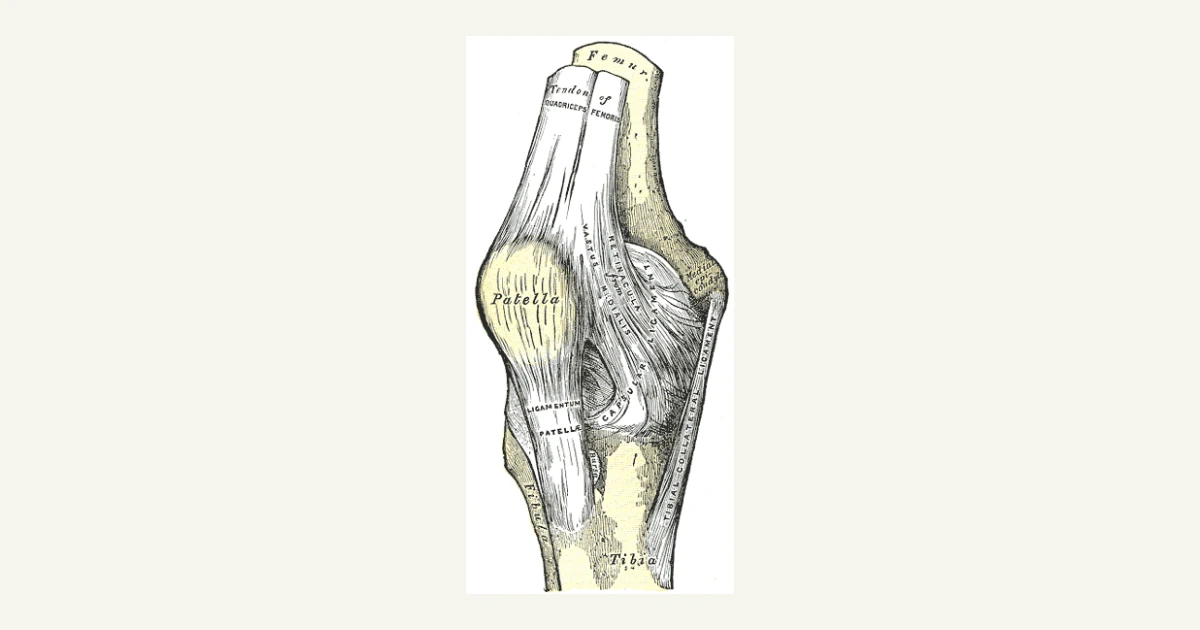
A ligament injury involves damage to the tough bands of tissue that connect bones and provide stability to the joint. Injuries occur when the following ligaments are damaged:
- Anterior Cruciate Ligament (ACL): The ACL, located in the centre of the knee, provides rotational stability and prevents the tibia from moving too far forward about the femur.
- Posterior Cruciate Ligament (PCL): The PCL, situated at the back of the knee, prevents the tibia from moving too far backward about the femur.
- Medial Collateral Ligament (MCL): The MCL, located on the inner side of the knee, resists widening of the inside of the joint.
- Lateral Collateral Ligament (LCL): The LCL, found on the outer side of the knee, prevents the widening of the outside of the joint.
Ligament injuries cause knee pain when climbing stairs due to various factors, which include instability, limited support, altered biomechanics, and inflammation.
Meniscus Tear
A meniscus tear occurs when the C-shaped cartilage in the knee joint becomes damaged or torn. This can happen due to sudden twisting or a traumatic injury. When climbing stairs, the impact and pressure on the knee joint can worsen the pain associated with a meniscus tear.
Patellofemoral Pain Syndrome
Patellofemoral pain syndrome, also known as “runner’s knee,” is a condition characterised by pain around or behind the kneecap. It’s often caused by overuse, muscle imbalances, or abnormal tracking of the patella.
IT Band Syndrome
The iliotibial (IT) band is a thick band of tissue that runs along the outside of the thigh, from the hip to the knee. When this band becomes tight or inflamed, it can cause pain on the outer side of the knee, especially during activities like stair climbing.
Risk Factors of Knee Pain When Climbing the Stairs
Understanding risk factors for knee pain when climbing stairs can help individuals take preventive measures, seek appropriate medical advice, and make lifestyle modifications to stop knee pain from occurring.
Some of the risk factors that can increase the likelihood of experiencing knee pain when climbing stairs include the following:
Anatomic Anomalies
Certain anatomical factors, such as patellar hypermobility, tight hamstring muscles, flat feet, a difference in leg length, or joint laxity, can contribute to knee pain while climbing stairs. These structural abnormalities can affect the alignment and stability of the knee joint, leading to pain and discomfort.
Age
As we age, the cartilage in our joints naturally wears down, making them more susceptible to pain and injury. Climbing stairs can put additional stress on the knees, exacerbating age-related changes and leading to pain.
Obesity
Excess weight places increased pressure on the knee joints, leading to more stress and potential pain during activities like stair climbing. Losing weight through a combination of healthy eating and regular exercise can help alleviate knee pain caused by obesity.
Previous Knee Injury
If you have previously injured your knee, such as a ligament tear or a fracture, the joint can be more vulnerable to pain and discomfort during activities like stair climbing. Proper rehabilitation and strengthening exercises are crucial for reducing the risk of recurrent knee pain.
Incorrect Form When Climbing the Stairs
Using incorrect forms, such as leaning too far forward or placing excessive strain on the knees, can contribute to knee pain when climbing stairs. Maintaining proper posture and engaging the core muscles can help distribute the load more evenly and reduce the stress on the knees.
Remedies and Treatment Options for Knee Pain
Here are some of the remedies and treatment options that are commonly used to manage and reduce knee pain, which usually work by eliminating risk factors for the knee pain or targeting the underlying cause that may contribute to this condition:
Lifestyle Modification
Making certain lifestyle modifications can help manage knee pain when climbing stairs. Some helpful lifestyle modifications when your knees hurt include the following:
- Weight Management: Maintaining a healthy weight can reduce the load on the knee joint, thus decreasing pain during activities like stair climbing.
- Footwear and Orthotics: Individuals experiencing knee pain are encouraged to wear supportive shoes or orthotic inserts, which can help alleviate knee pain by providing proper cushioning and alignment.
- Bracing or Taping: Using knee braces or supportive taping techniques can provide stability and reduce pain during activities like stair climbing.
maintaining a healthy weight, engaging in regular low-impact exercises, wearing supportive footwear, and avoiding activities that exacerbate the pain.
Painkillers
Over-the-counter pain medications, such as nonsteroidal anti-inflammatory drugs (NSAIDs), can provide temporary relief from knee pain. However, it is important to consult with a healthcare professional before taking any medication to ensure it is safe and appropriate for your specific condition.
Ice or Heat Therapy
Applying ice or heat to the affected knee can help reduce inflammation and alleviate pain. Ice packs can be used for acute injuries or flare-ups, while heat therapy, such as warm compresses or heating pads, can provide relief for chronic knee pain.
Physical Therapy
Physical therapy involves a customised treatment plan designed to improve mobility, reduce pain, and improve function. A physical therapist specializing in the musculoskeletal system can assess the individual’s condition and develop a program to address knee pain when climbing stairs.
Some of the methods included in this personalised program include targeted exercises to strengthen the leg muscles, particularly the quadriceps and hamstrings, which can provide better support to the knee joint, reducing pain during stair climbing.
Physiotherapy
Working with a physiotherapist can be beneficial in managing knee pain when climbing stairs. Like physical therapists, our physiotherapists at Phoenix Rehab can assess your condition, design a personalised exercise program to strengthen the muscles around the knee and provide manual therapy techniques to improve joint mobility and reduce pain.
Knee pain physiotherapy helps manage knee pain when climbing stairs through various methods, such as manual therapy techniques like joint mobilization, soft tissue massage, and stretching. Physiotherapists can also educate individuals about proper body mechanics, ergonomics, and strategies to reduce knee pain during activities like stair climbing.
Surgery
In severe cases where conservative treatments have failed, surgical intervention by qualified orthopedic surgeons may be necessary. Procedures such as arthroscopy, meniscus repair, or total knee replacement surgery can help alleviate chronic knee pain and improve overall function.
When to Seek Medical Advice
While mild knee pain during stair climbing is relatively common, there are instances where medical advice should be sought:
- The pain is severe and persistent despite rest and conservative treatments.
- The knee is swollen, red, or warm to the touch.
- There is a loss of range of motion or difficulty bearing weight on the affected knee.
- The pain is accompanied by other concerning symptoms, such as fever or numbness.
Final Words
Knee pain when climbing stairs can significantly impact your daily life and limit your mobility. By understanding the possible causes, risk factors, and treatment options, you can take proactive steps to manage and alleviate this discomfort.
It’s important to listen to your body, seek appropriate medical advice when necessary, and follow a comprehensive approach that includes lifestyle modifications, targeted exercises, and professional guidance. With the right care and attention, you can overcome knee pain and regain your ability to climb stairs.
What our patients say
Google reviews from our clinics in Singapore.


Where are you with this right now?
1. It is settling on its own
Most knee pain that started with a specific moment settles over six to twelve weeks. Swelling that comes and goes with activity, and an ache after a long day, are usual in that window. If it is improving month on month and you can walk, take stairs and sleep, it is behaving normally. You do not need us for this, and we would rather say so.
2. It has stopped improving
You go down stairs one leg at a time. You have stopped squatting to pick things up. You test it before you trust it.
Pain settling is the first thing that happens, not the last. Quadriceps strength is the last thing to come back, and it does not come back on its own. That is the gap worth measuring, and it is not measured by how you feel on the day.
The Stalled Recovery Review is three appointments over three weeks with the same therapist, because what a joint does under load cannot be read in one visit. The first finds what is limiting it. The next two measure how it responds. $690, nett, no GST, which is three appointments at $230.
3. You have had surgery, or you have a date
Recovery after an operation has a shape, and knowing which stage you are in tells you whether you are on it. See the ACL Reconstruction Recovery Program, or knee physiotherapy if you are not sure which applies to you.
All of it runs on the same four stages. The Phoenix Recovery Protocol explains what each stage works on and what you have to meet to move up. No referral needed to start.
Next step
Find out which stage you are in
Pain is the first thing to leave. Movement and strength are the last things trained back, and most people stop before that part is done. One Assessment and Treatment is a single 45-minute appointment at $230, nett, no GST. Your therapist finds what is actually limiting you, treats it in the same appointment, and you leave with your current stage and a written plan.
Prefer to phone? Each of our five clinics has its own number on the clinics page. No referral needed to book.
Related reading
Where we are
Clinics across Singapore
ORCHARD
400 Orchard Road #12-12
Orchard Towers, S238875
NS22 Orchard MRT
Physiotherapy and hand therapy in Orchard →
WhatsApp 8800 1830TAMPINES
9 Tampines Grande #01-20
Asia Green, S528735
EW2DT32 Tampines MRT
Physiotherapy and hand therapy in Tampines →
WhatsApp 8780 9608SERANGOON
265 Serangoon Central Drive #04-269
S550265 · Lift C only
NE12CC13 Serangoon MRT
Physiotherapy and hand therapy in Serangoon →
WhatsApp 8892 4121TANJONG PAGAR
10 Anson Road #02-77A
International Plaza, S079903
EW15 Tanjong Pagar MRT
Physiotherapy and hand therapy in Tanjong Pagar →
WhatsApp 8227 7074JURONG EAST
2 Venture Drive #02-02
Vision Exchange, S608526
NS1EW24 Jurong East MRT
Opening 25 October 2026
Physiotherapy and hand therapy in Jurong East →
WhatsApp 8242 7340