
Physiotherapy after surgery · Singapore
Biological Knee Replacement (BKR) Recovery Program
Written by Fairuuz Saleh and Ching Yee, Principal Physiotherapists at Phoenix Rehab.Clinically reviewed by Louise Yow, Principal Physiotherapist & Director, AHPC A1300363H.Last reviewed 18 November 2026.
The surgeon rebuilds the knee with tissue in theatre. The thigh around it takes months to rebuild after.
A biological knee replacement (BKR) repairs a badly worn knee with tissue instead of a metal and plastic joint. It is offered to younger people with knee arthritis who would otherwise be heading for a total knee replacement, because an artificial knee can wear out, and each revision is harder than the last.1 Depending on the knee, it can include reconstructing a torn ligament (most often the ACL), repairing or transplanting a meniscus, implanting cartilage cells grown in a laboratory and, if the leg is bowed, straightening it by cutting and plating the shin bone (an osteotomy).1 Which parts your knee needs, and whether they are done in one operation or split over two, is your surgeon’s decision. We do not operate. This program is the physiotherapy before and after surgery, run inside your surgeon’s protocol by our physiotherapy team.
No referral needed. Every first visit is one 45-minute Assessment & Treatment, $230, nett, no GST. Bring your surgeon’s protocol, your operation notes and your brace.
Where are you right now?
Four situations we see
- Surgery is booked. Published BKR guidance starts rehabilitation before surgery: strength, flexibility and the way you walk.1 A knee that straightens fully and a thigh that switches on when asked are the two things worth taking into theatre. We also measure both legs now, so every number after the operation has something to be compared with.
- On crutches, weeks 0 to 6. The new tissue is protected, and so is the osteotomy if you had one. Getting the knee fully straight, keeping the thigh working, and bending only as far as your surgeon allows are the work now.
- Off crutches, and stairs, squats and getting up from the floor are still hard. That is a thigh strength question, and it is a number on each leg.
- Between two operations, if your surgeon has split them. The thigh you take into the second operation is the thigh you start the second recovery with.
What the operations ask of the leg
The new tissue needs protecting. The thigh needs loading.
Short answer: every stage of this program is a trade between those two. After surgery the new tissue is kept from carrying full weight. One published protocol that splits BKR over two operations uses crutches for about six weeks after the first and about three weeks after the second.1 Meniscus transplant protocols reviewed in 2022 keep weight to a heel touch for six weeks and hold the bend to 90 degrees until week eight.2 While the leg is protected, the thigh muscle carries little load and wastes, and the knee stiffens.
A weak thigh is why you still take the MRT stairs one at a time, why the good leg steps off the bus first, and why getting up from the floor takes a hand on the sofa. So we measure it rather than guess: knee range with a goniometer, the sag when you lift the leg straight in degrees, and thigh strength against your other leg once your surgeon allows it to be tested.
Usually expected, and what is not
Is this normal after a biological knee replacement?
Usually expected
- Swelling and bruising that track down to the ankle in the first two weeks after surgery.
- A patch of numb skin beside a scar.
- A visibly thinner thigh on the operated side.
- An ache over the plate on the shin after a longer day on your feet, settling overnight.
- The leg sagging a little when you lift it straight in the first weeks.
Call 995 for sudden breathlessness or chest pain.
Go to the emergency department now if the foot becomes numb, pale or cold, or if after a fall or a twist you suddenly cannot take weight you could take the day before, or the leg looks a different shape.
See a doctor the same day
- A painful, swollen or hot calf. This is a blood clot question.
- Wound discharge, spreading redness or fever.
See a doctor soon
- A bend that has stopped improving for two to three weeks despite doing the exercises.
- A knee that still will not straighten fully six weeks after surgery.
- Pain over the osteotomy that is getting worse week on week instead of better.
If it is not going to plan
Five months after a biological knee replacement and the stairs still go one at a time? What that usually means
You are off the crutches. You walk to the MRT fine on the flat. You take the station stairs one at a time, good leg first going up and last coming down. Reaching the bottom shelf at the supermarket means a hand on the trolley. Work, sport or a second operation is on the calendar, and you are not sure this knee is ready.
The usual thinking is that the bone has healed, so the leg will come back with walking. Walking on the flat asks very little of the thigh. Your knee may hurt less than it did before surgery. Has anyone measured how much weaker that thigh is than the other one, or how far the knee bends, in degrees? If the knee still does not straighten fully, or bends less than about 90 degrees once your surgeon has lifted the bend limit, tell your surgeon. Some stiff knees need their review as well as ours.
The Stalled Recovery Review is three appointments over three weeks with the same therapist, because how a weak thigh responds to loading cannot be read in one visit. $690, nett, no GST.
The shape of it
What happens after surgery
Every surgeon has their own protocol, and which procedures you had changes it. Theirs takes precedence over this page. The weeks below are the common shape for each kind of procedure.1,2 Done together in one operation or split over two, your surgeon’s protocol says which timeline you follow.
After realignment (osteotomy), ligament reconstruction or meniscus repair
- Weeks 0 to 6Stage 1 · Calm & ProtectCrutches, often for about six weeks while the bone heals,1 a brace if your surgeon uses one, swelling and wound care, the knee straightened fully, the thigh switched on, and the bend increased only as allowed.
- Weeks 6 to 12Stage 2 · Move & MobilizeCrutches weaned as your surgeon allows, full range, a normal walking pattern, and standing strength work from around week 8.
- Months 3 to 6Stage 3 · Rebuild & StrengthenThigh and hip strength loaded progressively and tested against the other leg, stairs step over step, and single-leg control. If a second operation is planned, the aim is to go into it with the strongest leg the knee allows.
- From about month 6Stage 4 · Return & PerformRunning and sport, tested against the other side, with your surgeon’s clearance.
After a meniscus transplant or cartilage cell implantation
- Weeks 0 to 6Stage 1 · Calm & ProtectProtected weight on crutches: about three weeks in one published BKR protocol,1 six weeks of heel-touch weight after a meniscus transplant in the protocols reviewed in 2022.2 The bend is often held to 90 degrees until about week 8.2 The thigh is kept working without loading the new tissue.
- Weeks 6 to 12Stage 2 · Move & MobilizeFull weight as allowed, the bend taken past 90 degrees, standing strength work from about week 8, and the exercise bike from about week 12.2
- Months 3 to 6Stage 3 · Rebuild & StrengthenProgressive strength on both legs, single-leg work, stairs and squats.
- From about month 6Stage 4 · Return & PerformLight sports training from about six months after this surgery in one published protocol.1 In studies of meniscus transplants, people who went back to sport did so at an average of about 9 to 13 months.2 The knee keeps changing for about two years.1
When your surgeon’s protocol allows the thigh to work against load, NMES muscle stimulation is one way to work a thigh that will not switch on by itself. The pads go around the wound, never on it.
The weeks are typical ranges, not a promise. You move up a stage when you meet its criteria, and your surgeon’s protocol takes precedence over anything on this page.
The program
The four stages, and what moves you up
If your surgery is split over two operations, you work through Stages 1 to 3 after the first and all four after the second.
- Stage 1, Calm & Protect. The new tissue protected exactly as your surgeon set, swelling controlled, the thigh kept working, and the bend worked within the limit you were given.
Move up when: the wound has healed, you can tighten the thigh and lift the straight leg, the knee straightens fully, and it bends to the limit your surgeon set for this point. - Stage 2, Move & Mobilize. Knee range in degrees, the sag on a straight leg raise closed, and walking without crutches.
Move up when: the knee straightens fully, bends as far as your surgeon allows at this point, you lift the straight leg with no sag, and you walk without crutches, a brace or a limp, as your surgeon allows. - Stage 3, Rebuild & Strengthen. Thigh strength, loaded progressively and compared with the other leg.
Move up when: thigh strength measures at least 80 percent of the other leg, you manage stairs step over step, and you control a single-leg squat to a chair. - Stage 4, Return & Perform. The demands of your work and sport, rehearsed and tested.
Graduate when: the tasks you named at your first appointment are tested and done, and, where running or sport applies, thigh strength is at least 90 percent of the other leg, hop tests are recorded against the other side, and your surgeon has cleared it.
Measured at your first appointment, at each stage change and at graduation: a knee function questionnaire (KOOS), knee range and the straight-leg sag in degrees, and thigh strength on both legs once your surgeon allows it to be tested.
Logistics
When can I…
Your surgeon decides, based on what was done and what your job demands. These are typical points, not permissions.
| Activity | Typical point | What has to be true first |
|---|---|---|
| Desk work | 2 to 6 weeks after surgery | Swelling controlled, safe on crutches, the leg up when you can, and a safe way to get to work. |
| Drive | Left knee, automatic: often sooner. Right knee: once off crutches and able to brake hard | Your surgeon agrees and you can brake hard. Check your insurer. |
| Walk without crutches | About 6 weeks after realignment surgery, about 3 to 6 weeks after a meniscus transplant or cartilage implantation1,2 | Your surgeon allows full weight, and you walk without a limp. |
| Exercise bike | About 12 weeks after a meniscus transplant2 | Your surgeon allows it, and the knee bends far enough to turn the pedal. |
| Stairs step over step | 3 to 4 months after an operation | Stage 2 criteria met. |
| Light sports training | About 6 months after meniscus and cartilage surgery1 | Stage 3 criteria met, and your surgeon’s clearance. |
| Running, jumping and pivoting sports | Your surgeon decides whether and when. Studies of meniscus transplants report averages of about 9 to 13 months2 | Stage 4 criteria met, and your surgeon’s clearance. |
| Medical certificate | Your doctor issues it | Physiotherapists do not issue MCs. We can write a report on your functional limits for your doctor or employer. |
Who you will see
The physiotherapy team that runs this program
This program is run by the physiotherapy team. You are matched to the therapist whose declared clinical interest fits what happened to you and the clinic that suits you, and you stay with the same therapist through the program. Every appointment is one to one with your therapist for the full 45 minutes. All are registered with the Allied Health Professions Council.

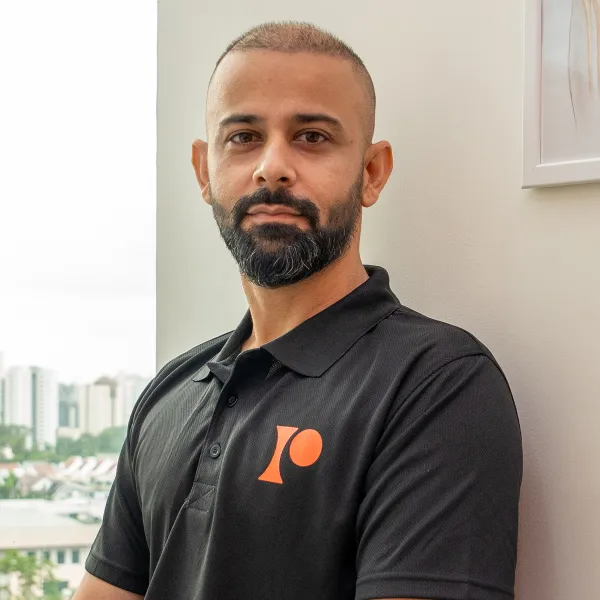
Principal Physiotherapist. Shoulder and knee problems, spinal dysfunction, sports injury.
Orchard, Tampines
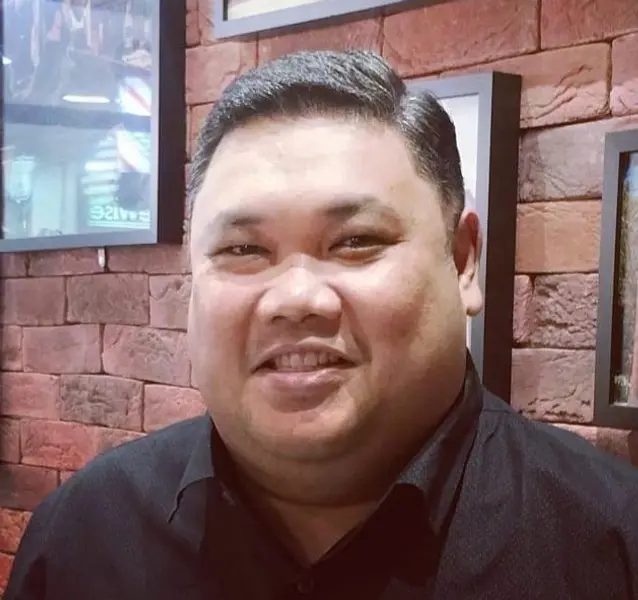
Principal Physiotherapist. ACL reconstruction and return to sport, hip and knee rehabilitation.
Tampines

Principal Physiotherapist. Achilles tendinopathy, rotator cuff injury and repair, shoulder stiffness.
Orchard, Tampines, Jurong East
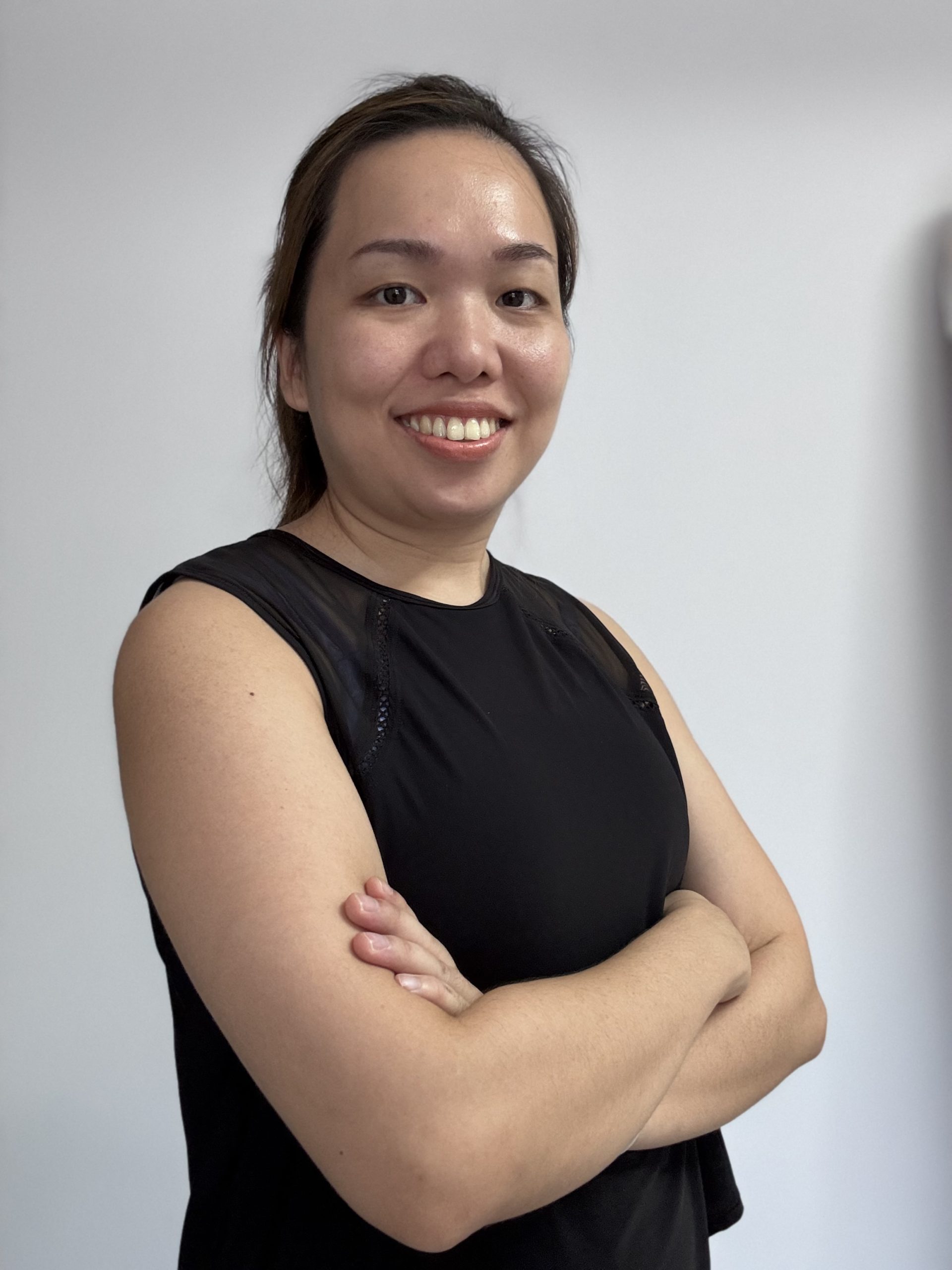
Principal Physiotherapist. Knee and hip replacement recovery, neck and shoulder pain, dry needling.
Tanjong Pagar, Jurong East
The program belongs to Phoenix, not to one therapist. Your plan, your measurements and your surgeon’s protocol move with you if you change clinic.
What our patients say
Google reviews from our clinics in Singapore.


Questions we get asked
Biological knee replacement: questions we get asked
What is a biological knee replacement?
A biological knee replacement (BKR) repairs a worn knee with tissue, such as a reconstructed ligament, a transplanted donor meniscus and implanted cartilage cells, instead of replacing the joint with metal and plastic. It is offered to younger people with knee arthritis. One published protocol splits it over two operations; your surgeon decides whether it suits your knee and how it is done.1
How long is rehabilitation after a biological knee replacement?
Rehabilitation follows each operation. In one published protocol, light sports training resumes about six months after the meniscus and cartilage surgery, and the knee continues to improve for about two years.1 Your surgeon’s protocol sets the timeline for your knee.
Should I start physiotherapy before surgery?
Published BKR guidance starts rehabilitation before surgery, to build strength, flexibility and walking pattern.1 A first appointment before surgery also records knee range and thigh strength on both legs, which gives every later measurement a baseline.
How is it different from a total knee replacement?
A total knee replacement resurfaces the joint with metal and plastic implants. A BKR keeps the joint and repairs or replaces the damaged structures inside it with tissue, which has to be protected while it heals. Recovery after a total knee replacement is covered in knee replacement recovery and knee arthritis.
What it costs
$230 per 45-minute appointment, nett, no GST
One to one with your therapist for the whole 45 minutes. Nett, no GST. Same price for your first appointment and your last. The Biological Knee Replacement Recovery Program is set at 15 appointments over 16 weeks: two in the first week, weekly to week 12, then at weeks 14 and 16, so no gap is longer than two weeks. If your surgery is split over two operations, the program runs after each. A clearance test about six months after surgery, before a return to sport, is one more appointment if your surgeon wants it. Your therapist confirms your plan at your first visit. Pay as you attend. You get an official receipt to claim from your insurer or your company’s staff benefits. If you meet the criteria sooner, you finish sooner.
This program runs the Phoenix Recovery Protocol, and sits under physiotherapy after surgery alongside the rest of our recovery programs.
Five months after a biological knee replacement and the good leg still leads on the stairs? Get Assessed & Treated, and leave with your knee range in degrees, your thigh strength against the other leg where your surgeon allows it to be tested, which stage you are in, and what the next stage asks of it. Phoebe replies with a clinic and two times. Bring your surgeon’s protocol, your operation notes and your brace.
Prefer to phone? Each of our five clinics has its own number on the clinics page. No referral needed to book.
Related reading
Sources: 1. Kong CC. Biological Knee Replacement (BKR) FAQs. Asia Medical Specialists, Hong Kong; updated 13 October 2020. 2. Wagner KR, Kaiser JT, DeFroda SF, Meeker ZD, Cole BJ. Rehabilitation, restrictions, and return to sport after cartilage procedures. Arthrosc Sports Med Rehabil. 2022;4(1):e115-e124. doi:10.1016/j.asmr.2021.09.029.
Timeframes on this page are typical ranges, not promises. Where your surgeon has given you a protocol, that protocol takes precedence over anything written here.
Where we are
Clinics across Singapore
ORCHARD
400 Orchard Road #12-12
Orchard Towers, S238875
NS22 Orchard MRT
Open Sundays: hand therapy and physiotherapy
Physiotherapy and hand therapy in Orchard →
WhatsApp 8800 1830TAMPINES
9 Tampines Grande #01-20
Asia Green, S528735
EW2DT32 Tampines MRT
Open Sundays: physiotherapy
Physiotherapy and hand therapy in Tampines →
WhatsApp 8780 9608SERANGOON
265 Serangoon Central Drive #04-269
S550265 · Lift C only
NE12CC13 Serangoon MRT
Open Sundays: sports massage
Physiotherapy and hand therapy in Serangoon →
WhatsApp 8892 4121TANJONG PAGAR
10 Anson Road #02-77A
International Plaza, S079903
EW15 Tanjong Pagar MRT
Open Sundays: sports massage
Physiotherapy and hand therapy in Tanjong Pagar →
WhatsApp 8227 7074JURONG EAST
2 Venture Drive #02-02
Vision Exchange, S608526
NS1EW24 Jurong East MRT
Open Sundays: physiotherapy and hand therapy
Physiotherapy and hand therapy in Jurong East →
WhatsApp 8242 7340