
Written by Zita Sham, Fairuuz Saleh and Shiv Mohan Banka, Principal Physiotherapists at Phoenix Rehab.Clinically reviewed by Louise Yow, Principal Physiotherapist & Director, AHPC A1300363H.Last reviewed 28 September 2026.
Inside knee pain can be indicative of various underlying issues, and addressing it is important not only for immediate relief but also for preventing long-term complications and maintaining overall physical function and well-being.
In this article, we aim to shed light on the possible causes of inside knee pain and provide you with practical solutions to alleviate and prevent it.
Possible Causes of Inner Knee Pain
Compensation for inner knee pain by altering gait or posture can lead to pain and dysfunction in other body parts. As such, it’s important to treat the root cause of knee pain to help prevent these secondary issues. Here are some of the conditions that may be associated with inside knee pain:
Arthritis
Arthritis is a common condition that affects millions of people worldwide. When it comes to inside knee pain, several types of arthritis could be the culprit. These conditions result in inflammation and deterioration of the joint, leading to knee joint stiffness and pain. Here are the most prevalent forms of arthritis that can cause discomfort on the inside of the knee:
Rheumatoid Arthritis
Rheumatoid arthritis (RA) is an autoimmune disorder characterised by chronic inflammation of the joints, which can lead to knee swelling, stiffness, pain, and decreased joint function. The systemic inflammation associated with RA can lead to widespread joint pain, including the inner knee, as well as morning stiffness and general discomfort.
Over time, RA can cause the erosion of cartilage and bone within the knee joint, leading to pain and instability, especially on the inner side of the knee. RA can also predispose individuals to conditions such as meniscus tears or ligament damage, which can cause localized pain in the inner aspect of the knee.
Knee Osteoarthritis
Knee osteoarthritis is a progressive condition that involves the deterioration of cartilage within the knee joint, resulting in pain, inflammation, and reduced range of motion. According to Singapore General Hospital, more than 10% of adult Singaporeans suffer from knee osteoarthritis, with a significant increase seen in those between the ages of 40 and 60.
Inflammation of the synovial membrane, known as synovitis, can occur in knee osteoarthritis, leading to pain and swelling, which may be felt on the inside of the knee joint.
As osteoarthritis progresses, the formation of bone spurs (osteophytes) within the joint can lead to pain and discomfort, including on the inner aspect of the knee, and increased knee pain is expected when individuals with this condition move.
Knee osteoarthritis can also lead to cartilage deterioration, causing inner knee pain, especially during weight-bearing activities.
Psoriatic Arthritis
Psoriatic arthritis is a type of inflammatory arthritis that affects some individuals with psoriasis, a chronic skin condition characterized by red, scaly patches. Psoriatic arthritis can cause pain, swelling, and stiffness in the joints, and it can affect any joint in the body, including the knees.
Psoriatic arthritis can lead to inflammation of the synovium, the lining of the joint, which can cause pain and swelling in the inner knee joint. Over time, the inflammation associated with psoriatic arthritis can lead to damage of the cartilage and bone in the knee joint, resulting in knee stiffness, pain and reduced range of motion, including on the inside of the knee.
Anterior Cruciate Ligament Injury
An anterior cruciate ligament (ACL) injury is a common sports injury, often occurring in activities that involve sudden stops, changes in direction, or direct impact. The ACL is one of the major ligaments in the knee that provides stability, and injury to this ligament can lead to severe pain and instability in the knee joint.
Medial Collateral Ligament Injury
A medial collateral ligament (MCL) injury is a common injury that affects the ligament on the inner side of the knee. It can cause inner knee pain due to various reasons, including being located on the inside of your knee, resulting in localised pain on the inner side of the knee joint, and instability of the knee, leading to a feeling of weakness and potential pain in the inner knee region, especially during weight-bearing activities. MCL injury occurs due to several reasons, including sudden twists or blows to the knee during sports activities.
Medial Plica Irritation
Medial plica irritation, also known as medial plica syndrome, is a condition caused by inflammation in the lining of the knee joint.
The medial plica is a fold in the membrane that protects the knee joint, located on the inner side of the knee. When it becomes irritated, it can lead to pain, swelling, instability, clicking, and reduced range of motion in the knee, particularly on the inner side. The irritation occurs when the plica gets caught or pinched between the knee bones, often due to overuse, trauma, or activities like running or cycling.
This can result in localised inner knee pain, swelling, and discomfort, impacting daily activities such as walking, climbing stairs, or bending the knee.
Pes Anserine Bursitis
Pes anserine bursitis is the inflammation of the bursa, a small fluid-filled sac located between the shin bone and hamstring tendons on the inner side of the knee, just below the joint.
Tenderness and swelling in the area of the bursa caused by knee bursitis can result in discomfort and pain, particularly during activities that involve bending or straightening the knee. In some cases, the pain from pes anserine bursitis may radiate to the inner knee region, contributing to discomfort in this area.
Patellofemoral Pain Syndrome (PFPS)
Patellofemoral Pain Syndrome (PFPS) is a common knee problem characterised by pain around or behind the patella (kneecap). It’s often associated with activities that load the joint, such as running, squatting, or climbing stairs.
While the pain is typically felt around the front of the knee, it can also manifest as inner knee pain due to various reasons, including altered knee mechanics, soft tissue irritation, and muscular imbalance.
Other Types of Knee Injury
While the aforementioned conditions are common causes of inside knee pain, it’s important to note that other knee injuries can also lead to discomfort on the inside of the knee. These injuries may include:
Medial Meniscus Tear
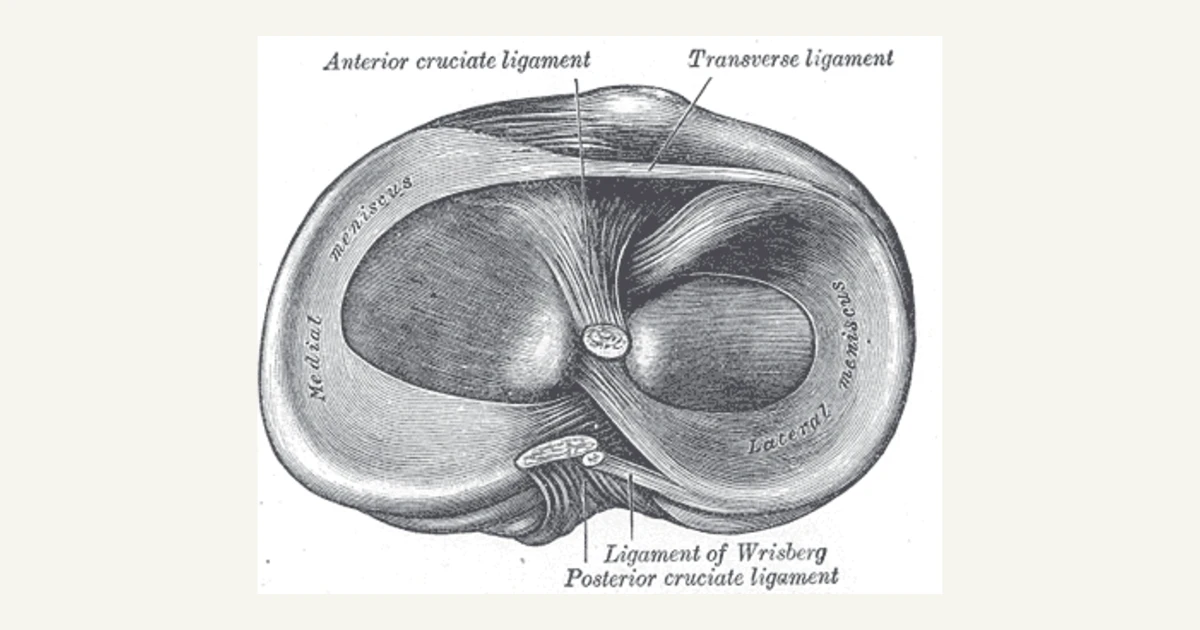
A medial meniscus tear is a common knee injury that involves damage to the cartilage on the inner side of the knee joint. This type of meniscus injury can cause inner knee pain through several mechanisms, including mechanical irritation and joint effusion (accumulation of fluid within the joint).
Ligament Sprain
A ligament sprain is an injury to a ligament, which is the tough band of tissue that connects bone to bone and supports the knee joint. A ligament sprain can cause inner knee pain due to tissue damage, swelling and inflammation, and instability and weakness.
Knee Fracture
A knee fracture, also known as a patellar fracture, involves damage to the patella bone at the front of the knee. This type of injury can cause significant pain, swelling, bruising, joint instability, limited range of motion, and difficulty bearing weight to walk or stand.
The trauma from a knee fracture can result in pain radiating to the inner knee region. The severity of the fracture and any associated damage to surrounding tissues can impact the presence and intensity of inner knee pain.
What are the Other Symptoms Associated With Inside Knee Pain?
Individuals with inner knee pain may experience stabbing and sharp pain, especially during activities that involve bending the knee, such as walking, squatting, or climbing stairs. Alternatively, some may describe a dull, persistent ache on the inside of the knee, which can worsen with movement or prolonged periods of activity.
Aside from the pain experienced on the inside of the knee, individuals may also encounter other symptoms that can provide valuable insights into the underlying cause. These symptoms may include swelling, stiffness, limited range of motion, clicking or popping sounds, instability, or difficulty bearing weight on the affected knee.
Treatment Options for Inside Knee Pain
Inside knee pain treatments depend on the underlying cause and may include the following:
Home Remedies
In many cases, inside knee pain can be effectively managed with simple home remedies. Resting the affected knee, applying ice packs to reduce inflammation, and elevating the leg can provide relief. Pain relief and anti-inflammatory medication are a decision for your doctor or pharmacist.
Use of Assistive Devices
Assistive devices, such as a knee brace or crutches, can provide support and stability to the knee joint, relieving pressure and reducing pain. These devices are particularly beneficial during activities that exacerbate inside knee pain or while recovering from an injury. However, it’s important to consult with a healthcare professional to determine the appropriate type and fitting of the assistive device for your specific condition.
Steroid Injection
In some cases, a healthcare provider may recommend a corticosteroid injection to alleviate inside knee pain. These injections can help reduce inflammation and provide temporary relief. However, it is important to note that the effects of corticosteroid injections are not long-lasting, and they should be used judiciously, as prolonged use can have adverse effects on the joint.
Physiotherapy
Physiotherapy plays a vital role in the treatment and rehabilitation of inside knee pain. A qualified physiotherapist from Phoenix Rehab can develop a personalized exercise program to strengthen the muscles around the knee, improve flexibility, and correct any imbalances contributing to the pain. They may also utilize techniques such as manual therapy, ultrasound, or electrical stimulation to further aid in the healing process.
Surgery
In severe cases of inside knee pain where conservative treatments have been unsuccessful, surgery may be considered. Surgical interventions will vary depending on the specific condition and underlying cause of the pain. Procedures such as arthroscopy, ligament reconstruction, or joint replacement may be recommended.
What our patients say
Google reviews from our clinics in Singapore.


When to See a Doctor
While mild cases of inside knee pain can often be managed with home remedies and self-care, there are instances when it is important to seek medical attention. If the pain is severe, persistent, or significantly impacts your ability to perform daily activities, it’s advisable to consult with a healthcare professional. Furthermore, if there is visible swelling, redness, warmth, or signs of infection around the knee, prompt medical evaluation is warranted.
Final Words
Inside knee pain can be a frustrating and debilitating condition, but with the right understanding and appropriate treatment, it can be effectively managed. Remember, early intervention and seeking professional medical advice are crucial for an accurate diagnosis and optimal recovery. If inside knee pain is limiting stairs, squats or sport, an assessment finds which structure is involved and which stage you are in.physiotherapy for knee pain with us today.
Where are you with this right now?
1. It is settling on its own
Most knee pain that started with a specific moment settles over six to twelve weeks. Swelling that comes and goes with activity, and an ache after a long day, are usual in that window. If it is improving month on month and you can walk, take stairs and sleep, it is behaving normally. You do not need us for this, and we would rather say so.
2. It has stopped improving
You go down stairs one leg at a time. You have stopped squatting to pick things up. You test it before you trust it.
Pain settling is the first thing that happens, not the last. Quadriceps strength is the last thing to come back, and it does not come back on its own. That is the gap worth measuring, and it is not measured by how you feel on the day.
The Stalled Recovery Review is three appointments over three weeks with the same therapist, because what a joint does under load cannot be read in one visit. The first finds what is limiting it. The next two measure how it responds. $690, nett, no GST, which is three appointments at $230.
3. You have had surgery, or you have a date
Recovery after an operation has a shape, and knowing which stage you are in tells you whether you are on it. See the ACL Reconstruction Recovery Program, or knee physiotherapy if you are not sure which applies to you.
All of it runs on the same four stages. The Phoenix Recovery Protocol explains what each stage works on and what you have to meet to move up. No referral needed to start.
Next step
Find out which stage you are in
Pain is the first thing to leave. Movement and strength are the last things trained back, and most people stop before that part is done. One Assessment and Treatment is a single 45-minute appointment at $230, nett, no GST. Your therapist finds what is actually limiting you, treats it in the same appointment, and you leave with your current stage and a written plan.
Prefer to phone? Each of our five clinics has its own number on the clinics page. No referral needed to book.
Related reading
- physiotherapy after surgery
- knee physiotherapy
- Knee Pain When Cycling: Causes and What to Check
- Gout Knee Pain: Proven Strategies for Relief
- Straight Talk: Solutions for Knee Pain When Straightening
- The Phoenix Recovery Protocol, and the four stages
- All recovery programs, hand and physio
- Sharp Knee Pain: Common Causes and When to Seek Help
Where we are
Clinics across Singapore
ORCHARD
400 Orchard Road #12-12
Orchard Towers, S238875
NS22 Orchard MRT
Physiotherapy and hand therapy in Orchard →
WhatsApp 8800 1830TAMPINES
9 Tampines Grande #01-20
Asia Green, S528735
EW2DT32 Tampines MRT
Physiotherapy and hand therapy in Tampines →
WhatsApp 8780 9608SERANGOON
265 Serangoon Central Drive #04-269
S550265 · Lift C only
NE12CC13 Serangoon MRT
Physiotherapy and hand therapy in Serangoon →
WhatsApp 8892 4121TANJONG PAGAR
10 Anson Road #02-77A
International Plaza, S079903
EW15 Tanjong Pagar MRT
Physiotherapy and hand therapy in Tanjong Pagar →
WhatsApp 8227 7074JURONG EAST
2 Venture Drive #02-02
Vision Exchange, S608526
NS1EW24 Jurong East MRT
Opening 25 October 2026
Physiotherapy and hand therapy in Jurong East →
WhatsApp 8242 7340