
Written by Zita Sham, Fairuuz Saleh and Shiv Mohan Banka, Principal Physiotherapists at Phoenix Rehab.Clinically reviewed by Louise Yow, Principal Physiotherapist and Director, AHPC A1300363H.Last reviewed 28 September 2026.
Your heel absorbs most of your body weight with every step, and even more when you run. That constant impact makes the heel one of the most stressed parts of the body, yet it’s often overlooked until pain sets in.
Like many types of pain, heel pain isn’t a diagnosis in itself. It’s a symptom of an underlying condition, which we’ll explore in today’s article. Let’s look deeper into the common causes of heel pain and the risk factors contributing to it. We’ll also discuss how choosing the right heel pain treatment can prevent long-term issues and improve your mobility.
What Are the Common Causes of Heel Pain?
The heel absorbs roughly 110% of the body’s weight. Pain in this area can come from different tissues in your foot, such as ligaments, tendons, bones, and nerves. Below are the most frequent culprits.
Plantar Fasciitis
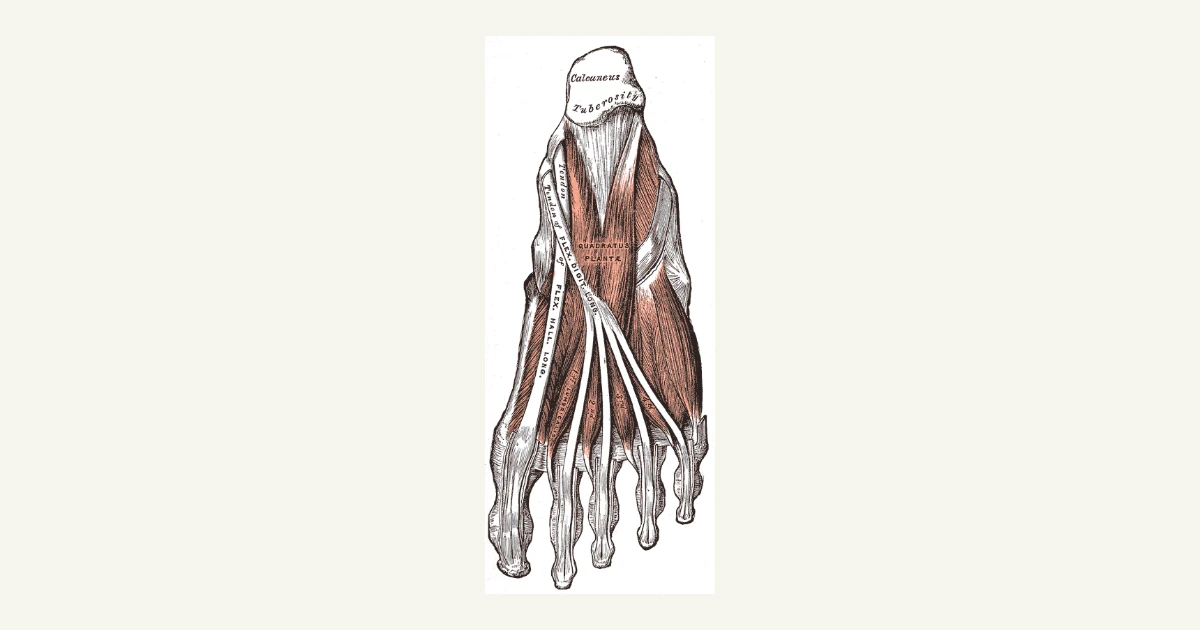
Plantar fasciitis is the most common cause of heel pain, which occurs with the irritation or inflammation of the thick tissue between the arch and the heel. Known as the plantar fascia, this tissue plays a key role in supporting your foot’s structure and absorbing shock, but excessive strain can lead to tiny tears and ongoing heel discomfort.
Plantar fasciitis is typically sharp and worse in the morning, often described as a stabbing pain in the heel after waking. It can worsen with prolonged standing or physical activity.
While the exact cause isn’t always clear, plantar fasciitis often results from overuse, biomechanical imbalances, or repetitive strain on the plantar fascia. Risk factors include obesity, prolonged standing or walking, and certain foot types like flat feet or high arches.
Achilles Tendinitis
This is inflammation of the Achilles tendon at the back of your heel. It often develops in runners or active individuals after a sudden increase in training. Stiffness and heel pain in the lower calf area are common signs. Left untreated, it can lead to chronic tendon degeneration or even rupture. Achilles tendinitis treatment includes medication and physiotherapy.
Heel Spurs
Heel spurs, or bone spurs on the heel bone, can develop when the plantar fascia pulls repeatedly on its insertion point. They may not always cause pain directly, but when combined with plantar fasciitis, the discomfort increases. An X-ray can reveal a visible bony growth pointing forward from your heel. They often feel like a sharp stabbing pain first thing in the morning when you take your first steps.
Bursitis
Behind or under the heel is the bursa, a small sac filled with fluid which sometimes becomes irritated. Known as bursitis, this condition causes swelling, tenderness, and dull pain when walking or wearing tight shoes or high heels. In some cases, redness and warmth over the area may also be present, mimicking an infection.
Sever’s Disease (in children/teens)
This growth plate disease affects physically active children, particularly during growth spurts. The heel bone grows faster than the tissue around it, causing pain in the heel, especially after running or jumping. It’s a temporary condition that typically resolves with rest and proper footwear as the child matures.
Stress Fractures
A stress fracture in the heel bone is a small crack that develops from overuse or repetitive pressure, commonly in runners or soldiers. Pain usually builds gradually and intensifies with activity. It often worsens with weight-bearing and may require weeks of reduced activity to heal properly.
Nerve Entrapment (e.g. Tarsal Tunnel Syndrome)
Similar to carpal tunnel syndrome in the wrist, tarsal tunnel syndrome involves the compression of a nerve near the heel and ankle. It causes burning, tingling, or shooting pain on the bottom of your foot. Symptoms often flare up after long periods of standing or walking and may extend toward the toes.
Arthritis and Inflammatory Conditions
Conditions such as rheumatoid arthritis or ankylosing spondylitis can also lead to pain in the heel. These are usually bilateral and linked with stiffness and swelling in multiple joints, not just your heel. Unlike mechanical heel pain, arthritis-related symptoms may persist even during periods of rest.
What Are the Risk Factors That Contribute to Heel Pain?
Certain factors increase the likelihood or severity of heel pain. Let’s break them down in detail.
Flat Feet or High Arches
The shape of your foot affects how weight and pressure are distributed. Flat feet overstretch the plantar fascia, while high arches can increase impact on the heel. People with flat feet may also experience inward ankle rolling (overpronation), which further stresses the heel area. On the other hand, high arches reduce natural shock absorption, making each step more jarring to the heel.
Sudden Increase in Physical Activity
Jumping into new activities or intensifying workouts can strain the plantar fascia, Achilles tendon, or other structures in the heel. Your body needs time to adapt to higher loads, and rushing this process increases your risk of microtears and inflammation. Even switching to a new sport or running surface without easing in can trigger heel pain.
Poor Footwear or Unsupportive Shoes
Shoes lacking cushion or arch support, or wearing high heels, can alter how weight is absorbed, leading to heel pain. Worn-out soles can also shift pressure points on your feet, aggravating the heel. Flip-flops and minimalist shoes offer little protection, especially for people with existing foot conditions.
Tight Calf Muscles or Limited Ankle Mobility
Reduced ankle range puts more tension on the plantar fascia and Achilles tendon, contributing to conditions such as plantar fasciitis or tendonitis. Tight calves limit your ability to absorb force through the full foot, causing strain to transfer to the heel. Poor ankle flexibility also affects gait, sometimes leading to compensatory movement patterns that overload the heel.
Obesity or Excess Body Weight
Extra body weight places more pressure on the heel and foot structures, especially during long periods of standing or walking. This added force increases the likelihood of plantar fascia overuse and degeneration over time. It can also reduce circulation and recovery speed in the foot, worsening inflammation.
Long Hours of Standing or Walking on Hard Surfaces
Prolonged weight-bearing activities on unforgiving surfaces cause fatigue and inflammation in the heel. Nurses, factory workers, and retail staff often report heel pain due to extended shifts on concrete floors. Even with good shoes, repetitive impact on hard flooring can wear down soft tissue cushioning in the heel.
How Is Heel Pain Diagnosed?
Heel pain diagnosis involves identifying the specific cause of the pain, which can range from common issues we discussed above. A healthcare professional will assess symptoms and perform a physical exam, possibly including X-rays or other imaging, to pinpoint the source of the pain.
The test typically begins with an examination of your foot, checking the heel, arch, and ankle. You’ll be asked about your symptoms, activities, and medical history. Imaging, like an X-ray or MRI, may be needed to rule out stress fractures, heel spurs, or soft tissue damage. In some cases, nerve tests help confirm entrapment conditions.
What Are the Treatment Options for Heel Pain?
Early heel pain treatment can stop progression and reduce downtime. Here are standard treatment options:
- Rest and Activity Modification
- Avoid high-impact activities to reduce stress on the heel.
- Swap running for swimming or cycling.
- Take breaks to avoid aggravating the pain.
- Ice Therapy for Inflammation
- To reduce inflammation in and around the plantar fascia, use an ice pack throughout the day for 15 to 20 minutes at a time.
- Supportive Footwear and Orthotics
- Switch to shoes with firm arch support and heel pads to distribute weight.
- Custom orthotics may relieve pressure on the plantar fascia or heel spur.
- Anti-inflammatory Medications (NSAIDs)
- Pain relievers like ibuprofen can ease the pain and swelling, especially for plantar fasciitis or tendonitis.
- Taping and Bracing for Support
- Taping the foot can limit movement and give support to the plantar fascia.
- Ankle braces help stabilise the area, especially during physical activity.
- Night Splints for Plantar Fasciitis
- Night splints keep the foot flexed overnight.
- Stretch the plantar fascia and calf muscles to prevent morning pain.
What Is the Role of Physiotherapy in Heel Pain Relief?
Physiotherapy addresses the underlying causes of heel pain through assessment of the patient’s condition, including the source and nature of the pain. Based on the assessment, a tailored treatment plan is developed, which may include a combination of therapies, such as:
- Manual therapy (massage, joint mobilization)
- Stretching exercises
- Strengthening exercises
- Other modalities (ultrasound or shockwave therapy)
Moreover, physiotherapists can identify and correct gait abnormalities or other biomechanical issues that may contribute to heel pain, improving overall foot function.
What Are the Long-Term Prevention Tips?
There are simple ways to prevent heel pain:
- Wear shoes with good arch support and cushioning.
- Stretch your calves and plantar fascia regularly.
- Avoid sudden changes in training intensity.
- Use orthotics if you have flat feet or high arches.
- Maintain a healthy weight to reduce pressure on the heel.
- Cross-train with low-impact activities to limit overuse.
When to Seek Medical or Clinician Help
Heel pain that lasts longer than a few weeks, worsens despite rest, or is accompanied by swelling, numbness, or fever needs further evaluation. A podiatrist or orthopedic doctor may be required for heel pain linked to structural issues or persistent plantar fasciitis.
Conclusion
Heel pain can sound like a simple and easily manageable condition until it’s not. It’s a signal that something in your body needs attention, especially if the pain is distinct. Knowing the causes of heel pain and starting early treatment, from rest and stretching to physiotherapy appointments, can offer pain relief. If the pain in your heel persists, it’s suggested to consult a professional to identify the exact cause of heel pain and get a personalised treatment plan that works for your foot.
Where are you with this right now?
1. It is settling on its own
Foot and ankle problems are slow but usually very treatable. Months rather than weeks is normal, and improvement is judged over a month, not a day. If the first steps in the morning are easier than they were four weeks ago, you are on the right road. You do not need us for this, and we would rather say so.
2. It has stopped improving
The first ten steps out of bed are still the worst part of the day. You choose shoes by how long you will be standing. You still look at the ground when you walk.
What our patients say
Google reviews from our clinics in Singapore.



Symptoms settle well before the tissue has rebuilt its capacity, which is why stopping the loading work early is the most common reason this drags on for years. That is the gap worth measuring, and it is not measured by how you feel on the day.
The Stalled Recovery Review is three appointments over three weeks with the same therapist, because what a joint does under load cannot be read in one visit. The first finds what is limiting it. The next two measure how it responds. $690, nett, no GST, which is three appointments at $230.
3. You have had surgery, or you have a date
Recovery after an operation has a shape, and knowing which stage you are in tells you whether you are on it. See the recovery programs, or ankle physiotherapy if you are not sure which applies to you.
All of it runs on the same four stages. The Phoenix Recovery Protocol explains what each stage works on and what you have to meet to move up. No referral needed to start.
Next step
Find out which stage you are in
Pain is the first thing to leave. Movement and strength are the last things trained back, and most people stop before that part is done. One Assessment and Treatment is a single 45-minute appointment at $230, nett, no GST. Your therapist finds what is actually limiting you, treats it in the same appointment, and you leave with your current stage and a written plan.
Prefer to phone? Each of our five clinics has its own number on the clinics page. No referral needed to book.
Related reading
Where we are
Clinics across Singapore
ORCHARD
400 Orchard Road #12-12
Orchard Towers, S238875
NS22 Orchard MRT
Physiotherapy and hand therapy in Orchard →
WhatsApp 8800 1830TAMPINES
9 Tampines Grande #01-20
Asia Green, S528735
EW2DT32 Tampines MRT
Physiotherapy and hand therapy in Tampines →
WhatsApp 8780 9608SERANGOON
265 Serangoon Central Drive #04-269
S550265 · Lift C only
NE12CC13 Serangoon MRT
Physiotherapy and hand therapy in Serangoon →
WhatsApp 8892 4121TANJONG PAGAR
10 Anson Road #02-77A
International Plaza, S079903
EW15 Tanjong Pagar MRT
Physiotherapy and hand therapy in Tanjong Pagar →
WhatsApp 8227 7074JURONG EAST
2 Venture Drive #02-02
Vision Exchange, S608526
NS1EW24 Jurong East MRT
Opening 20 October 2026
Physiotherapy and hand therapy in Jurong East →
WhatsApp 8242 7340