

Written by Zita Sham, Fairuuz Saleh and Shiv Mohan Banka, Principal Physiotherapists at Phoenix Rehab.Clinically reviewed by Louise Yow, Principal Physiotherapist & Director, AHPC A1300363H.Last reviewed 28 September 2026.
Foot pain from an injury is a common case you see in physical therapy clinics which affects one’s joint mobility. This limitation makes certain movements uncomfortable and simple tasks difficult. It can manifest as a sharp ankle sprain, dull ache in your heel, or foot and ankle pain.
Physiotherapy for foot injuries offers a safe and effective solution to alleviate pain, improve the function of the foot’s “little bones”, and get you back on your feet. This treatment is an evidenced-based approach for foot and ankle pain rehabilitation in Singapore.
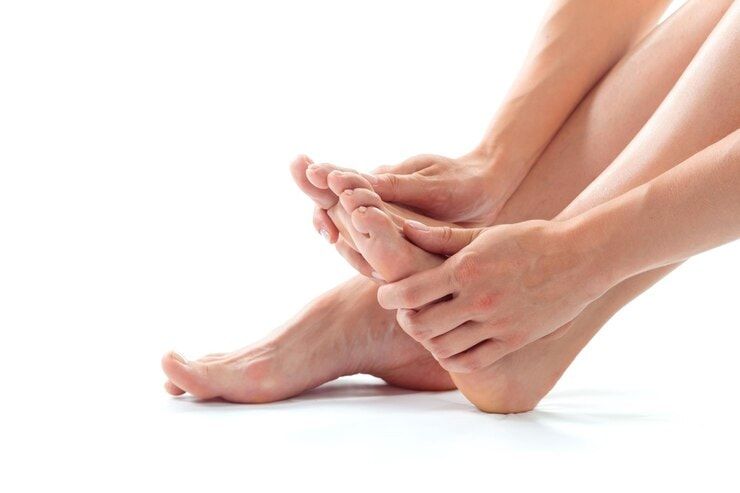
In this article, we’ll explain the types of foot injuries, their causes and symptoms, the benefits of foot pain physiotherapy, and certain treatments involved. Dive in.
Types of Foot Injuries
There are various types of foot injuries, each with its unique symptoms and causes. They can range from acute, overuse, and chronic injuries stemming from degenerative conditions.
In Singapore, one in four people struggles with foot and ankle pain, a prevalent orthopedic condition. Workplace foot or ankle injury is widely considered a significant occupational health concern. This high prevalence highlights the importance of readily available physiotherapy services for foot pain management in Singapore.
Here’s a closer look at some common foot injuries people encounter.
Plantar Fasciitis
This painful condition also called fasciopathy involves inflammation of the plantar fascia, a thick band of tissue that runs along the sole of your foot and supports the arch. Plantar fasciitis is a leading cause of heel pain, particularly for people who stand for extended periods or wear shoes with poor arch support. The pain can be most intense in the first few steps you take in the morning, gradually improving throughout the day.
The following factors also contribute to this condition:
- High-demand activities like excessive standing, walking, or running
- Training mistakes such as a rapid increase in your exercise load
- Improper footwear and cushioning of the feet
- Foot biomechanics issues like flat feet, high arches, or any abnormality in your foot structure
- Weak core and hips putting excessive stress on your feet
- Limited calf mobility restricting ankle mobility and foot shock absorption
- Poor running technique leading to repetitive stress on certain areas of your foot
Peroneal Tendinopathy
This overuse injury affects the tendons that run along the outside of your ankle, causing pain and tenderness. We commonly see this in runners, dancers, and people who participate in activities that involve frequent jumping or pushing-off movements. Patients of peroneal tendinopathy usually feel pain on the outer side of the ankle which may radiate down the lower leg.
Bone Stress Injuries
These occur when repetitive stress places excessive strain on a bone, often the small bones in the foot or the heel bone (calcaneus). This condition is common in athletes who suddenly increase their training intensity or runners with improper footwear. Pain is typically a gradual onset and worsens with activity.
Bone stress injuries can involve two ankle or foot injury issues:
- Stress reactions: This is the early stage of a bone stress injury. Microscopic cracks develop within the bone due to repetitive stress that exceeds the bone’s ability to repair itself. Pain is often a dull ache that worsens with activity and improves with rest.
- Stress fractures: If the repetitive stress continues unaddressed, the microscopic cracks in the bone can progress into a full-blown stress fracture. This can cause a more significant increase in pain, often localised in a specific area, and may even make weight-bearing activities difficult or impossible.
Early diagnosis and treatment at these stages are crucial to prevent a full-blown fracture progression.
Foot Sprain
A sprained ankle is a common injury caused by twisting or rolling your ankle, damaging the ligaments that connect the bones. The severity of a sprain can range from mild (grade 1) to severe (grade 3), with varying degrees of pain, swelling, bruising, and difficulty bearing weight.
These are just a few examples, and other foot or ankle injuries can also benefit from physiotherapy treatment. Conditions like stress fractures in other foot bones, flat feet that cause pain and misalignment, and even knee pain referred from foot and ankle problems can be addressed through a comprehensive physiotherapy program.
Acute vs. Overuse Injuries
There are two categories for foot injuries: acute or overused. Acute injuries occur suddenly due to a specific event resulting in immediate pain and functional limitations. Common examples include:
- Ankle Sprains
- Stress Fractures
- Sesamoid Fractures
Meanwhile, overuse injuries develop gradually over time from repetitive stress. that exceeds the body’s ability to heal. These injuries often come with a dull ache or discomfort that worsens with activity and improves with rest. Common examples include:
- Plantar Fasciitis
- Peroneal Tendinopathy
- Shin Splints
Your diagnosis and treatment will include understanding the difference between acute and overuse injuries. Physiotherapists help with these types of injuries and develop a personalized treatment plan to address the specific underlying cause of your foot pain.
Symptoms of Foot Injuries
Symptoms of foot injuries can vary in many ways depending on the specific condition. Pain in the foot or ankle is the most obvious sign, but the location and nature of the pain can offer clues about the injury.
Here’s a breakdown of some common symptoms to watch out for:
- Swelling
- Bruising
- Difficulty walking or bearing weight
- Stiffness in the joints
- Limited range of motion
- Deformity
Left untreated, some foot and ankle conditions can lead to chronic pain, joint instability, and even ankle surgery.
Causes of Foot Injuries
Now that we understand the warning signs, let’s explore some common culprits behind foot pain. An increased risk of developing foot pain includes these factors:
- Improper footwear: Wearing shoes that don’t provide adequate support can put undue stress on your feet and ankles.
- Repetitive activities: Athletes and individuals engaged in high-impact activities are more prone to overuse injuries.
- Flat feet: This common foot deformity can affect your walking pattern and increase your risk of certain injuries.
- Obesity: Carrying excess weight puts additional strain on your entire musculoskeletal system, including your feet and ankles.
- Underlying medical condition: Certain medical conditions like rheumatoid arthritis can contribute to foot pain.
Benefits of Physiotherapy for Foot Injuries
Physiotherapy offers a comprehensive approach to managing foot and ankle pain. Similarly, early intervention can significantly improve your recovery timeline and prevent potential complications after an injury. Below are some of the benefits it can provide:
- Pain relief: Physiotherapy tackles pain head-on, aiming to alleviate discomfort and improve normal function in your foot and ankle. This allows you to move with greater ease and take part in the activities you need.
- Improved mobility: Stiffness and restricted movement often accompany foot pain. Physiotherapy exercises specifically target these limitations, improving your foot and ankle’s range of motion and flexibility. This allows for better balance, coordination, and overall physical performance.
- Strengthening muscles: Strengthening exercises for the calf muscles, foot muscles, and lower leg muscles can improve stability and support the ankle joint. Stronger muscles provide better support for the entire joint, improve shock absorption during activity, and can significantly reduce your risk of future injuries.
- Enhanced gait: Physiotherapists can analyze your walking pattern and prescribe specific exercises to improve your gait and reduce stress on your feet.
- Reduced risk of future injuries: Physiotherapy goes beyond just addressing the current injury. It equips you with the tools and knowledge to prevent future foot problems. This includes education on proper footwear selection, activity modification techniques, and maintaining a healthy weight to keep your feet strong and healthy for years.
What is Involved in Physiotherapy for Foot Injuries?
A physiotherapy treatment plan for foot pain is tailored to your specific needs and the underlying cause of your injury. In Singapore, Phoenix Rehab is a top provider of physiotherapy for foot fracture, providing a personalized approach to ensure the most effective path to recovery.
Here’s a general overview of what you might experience during physiotherapy appointments.
Comprehensive Assessment
The physiotherapist will conduct a thorough assessment, including a physical examination and imaging tests (depending on the injury) to pinpoint the exact source of your pain and its severity. Based on the assessment, the physiotherapist will develop a personalised plan to manage your pain.
Manual Therapy
This hands-on approach involves techniques like soft tissue massage and joint mobilization (or manipulation). Soft tissue mobilization targets muscles, tendons, and ligaments to improve their flexibility and reduce pain and tension. Joint mobilization gently manipulates the joints in your foot and ankle to improve their range of motion and reduce stiffness. Manual therapy can address these soft tissue restrictions and joint limitations to improve your comfort and function.
Exercise Prescription
Physiotherapists are movement specialists. They design personalised exercise programs specifically tailored to your needs. These programs typically include:
- Stretching Exercises: Tight muscles can contribute to foot pain and limit your mobility. Stretching exercises target specific muscle groups to improve flexibility and range of motion in your foot and ankle. This allows for better movement and reduces stress on the joints.
- Strengthening Exercises (therapeutic exercises): Weak muscles can lead to instability and contribute to foot pain. Strengthening exercises target the muscles in your foot, ankle, and lower leg to improve their strength and endurance.
The exercise program will be progressive, starting with gentle exercises and gradually increasing in intensity and complexity as you improve. This ensures a safe and effective path to recovery.
Modalities
While not always necessary, physiotherapists may incorporate modalities like ultrasound therapy or electrical stimulation to enhance your treatment.
- Ultrasound Therapy: This modality uses sound waves to promote healing and reduce inflammation. Ultrasound can be particularly beneficial for deep tissue injuries and pain management.
- Electrical Stimulation (electrotherapy): Low-level electrical currents can be used to stimulate muscle contractions, improve circulation, and reduce pain.
These modalities can be used alongside other physiotherapy techniques to accelerate healing and improve your overall recovery experience.
Education
Physiotherapists empower you to be an active participant in your recovery journey. They’ll educate you on matters like:
- Proper footwear selection
- Activity modification techniques
- Maintaining a healthy weight
- Environmental factors
Taping Techniques
In some cases, physiotherapists may incorporate taping techniques like sports taping or Kinesio taping to provide support, improve proprioception (your body’s awareness of joint position), and promote healing.
What our patients say
Google reviews from our clinics in Singapore.



Conclusion
Physiotherapy offers a safe and effective way to manage foot pain, improve mobility, and get you back to your active lifestyle. You can achieve long-lasting results and prevent future foot and ankle problems when working with an experienced physiotherapist.
Where are you with this right now?
1. It is settling on its own
Foot and ankle problems are slow but usually very treatable. Months rather than weeks is normal, and improvement is judged over a month, not a day. If the first steps in the morning are easier than they were four weeks ago, you are on the right road. You do not need us for this, and we would rather say so.
2. It has stopped improving
The first ten steps out of bed are still the worst part of the day. You choose shoes by how long you will be standing. You still look at the ground when you walk.
Symptoms settle well before the tissue has rebuilt its capacity, which is why stopping the loading work early is the most common reason this drags on for years. That is the gap worth measuring, and it is not measured by how you feel on the day.
The Stalled Recovery Review is three appointments over three weeks with the same therapist, because what a joint does under load cannot be read in one visit. The first finds what is limiting it. The next two measure how it responds. $690, nett, no GST, which is three appointments at $230.
3. You have had surgery, or you have a date
Recovery after an operation has a shape, and knowing which stage you are in tells you whether you are on it. See the recovery programs, or ankle physiotherapy if you are not sure which applies to you.
All of it runs on the same four stages. The Phoenix Recovery Protocol explains what each stage works on and what you have to meet to move up. No referral needed to start.
Next step
Find out which stage you are in
Pain is the first thing to leave. Movement and strength are the last things trained back, and most people stop before that part is done. One Assessment and Treatment is a single 45-minute appointment at $230, nett, no GST. Your therapist finds what is actually limiting you, treats it in the same appointment, and you leave with your current stage and a written plan.
Prefer to phone? Each of our five clinics has its own number on the clinics page. No referral needed to book.
Related reading
Where we are
Clinics across Singapore
ORCHARD
400 Orchard Road #12-12
Orchard Towers, S238875
NS22 Orchard MRT
Physiotherapy and hand therapy in Orchard →
WhatsApp 8800 1830TAMPINES
9 Tampines Grande #01-20
Asia Green, S528735
EW2DT32 Tampines MRT
Physiotherapy and hand therapy in Tampines →
WhatsApp 8780 9608SERANGOON
265 Serangoon Central Drive #04-269
S550265 · Lift C only
NE12CC13 Serangoon MRT
Physiotherapy and hand therapy in Serangoon →
WhatsApp 8892 4121TANJONG PAGAR
10 Anson Road #02-77A
International Plaza, S079903
EW15 Tanjong Pagar MRT
Physiotherapy and hand therapy in Tanjong Pagar →
WhatsApp 8227 7074JURONG EAST
2 Venture Drive #02-02
Vision Exchange, S608526
NS1EW24 Jurong East MRT
Opening 20 October 2026
Physiotherapy and hand therapy in Jurong East →
WhatsApp 8242 7340