
Written by Zita Sham, Fairuuz Saleh and Shiv Mohan Banka, Principal Physiotherapists at Phoenix Rehab.Clinically reviewed by Louise Yow, Principal Physiotherapist & Director, AHPC A1300363H.Last reviewed 28 September 2026.
Back and neck pain are common complaints, affecting millions of people worldwide. In Singapore, the neck is the highest reported body part associated with pain, followed by the lower back and shoulder. 46%, 42%, and 42% of Singaporeans experience discomfort in these areas, respectively.
While this is typically not a surprising report, especially among the working group, the cases of neck and back pain together have been disconcerting. Understanding their causes, symptoms, and diagnosis can help us seek treatment, manage, and prevent these kinds of pain.
Let’s analyze the neck and back pain relationship in the next sections.

How Are Back and Neck Pain Related?
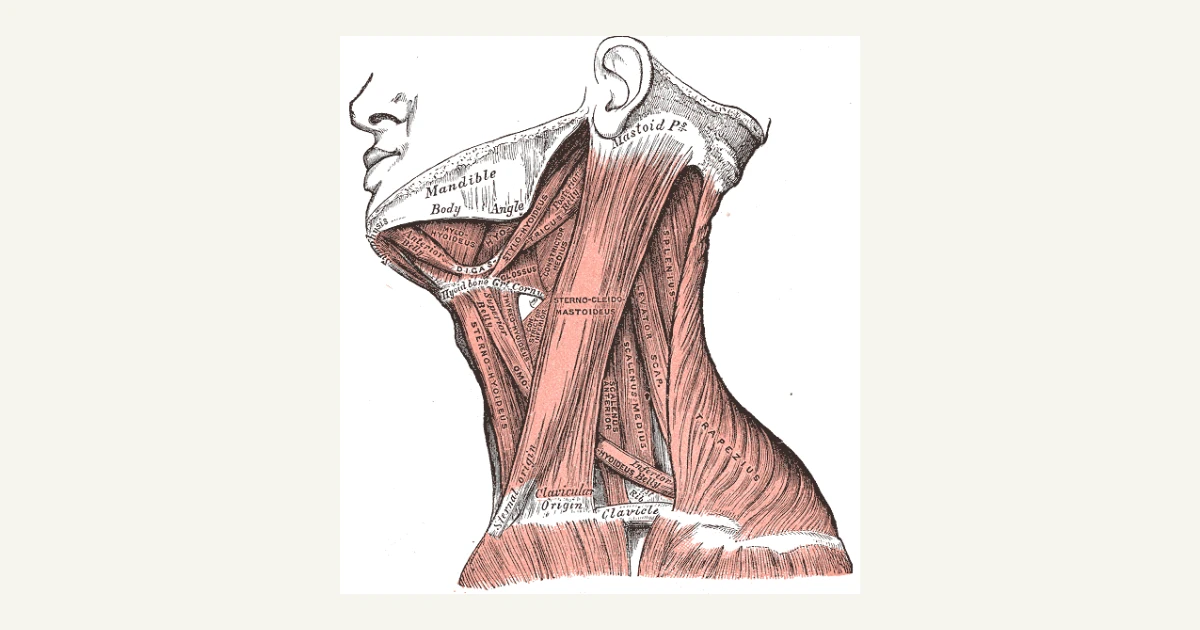
The back and neck are interconnected in many ways, much like the delicate balance between the brain and spinal cord. The neck or “cervical spine” has a close relationship with the cervical spinal cord, therefore pain in one radiating to the other is a response to this anatomical connection. Both regions are part of the spinal column where a network of muscles, ligaments, and bones support them.
Back pain affects the neck, and vice versa, in various ways. Let’s break them down below.
Referred Pain
Pain originating in the back can sometimes be “referred” to the neck, creating a sense of discomfort or tension in the upper body.
Compensation
If back pain limits mobility, the neck may compensate by overworking to maintain balance and posture, leading to strain.
Muscle Imbalance
Neck pain can lead to muscle imbalances, affecting the way the head and shoulders align with the spine, potentially straining the back.
Postural Changes
Chronic neck pain might cause individuals to adopt compensatory postures that can strain the back over time.
Diverse factors contribute to these bodily mechanisms, exacerbating or worsening back and neck pain coming together.
What Causes Back and Neck Pain?
Here are common causes of back and neck pain:
- Muscle Strain: Overusing or straining your back or neck muscles
- Poor Posture: Maintaining poor posture for extended periods, putting undue stress on your spine and surrounding muscles
- Herniated Disc: Occurs when the soft, gel-like substance inside the spinal disc bulges or ruptures, compressing nearby nerve roots
- Arthritis: Known as osteoarthritis, a degenerative joint disease
- Pinched Nerve: Occurs when a nerve root becomes compressed, often due to bone spurs or a herniated disc
- Spinal Cord Stenosis: Occurs when the spinal canal narrows, compressing the spinal cord and nerve roots
- Bone Spurs: Bony growths forming on the vertebrae and compressing nerve roots
- Soft Tissue Injuries: Injuries to the soft tissues surrounding the spine, such as ligaments and tendons
- Serious Injury: Accidents or direct trauma to the back and neck
Most of these causes can be prevented more than you know through proactive measures and early interventions.
Primary Symptoms of All Spine-Related Conditions
The most common symptoms of spine-related conditions include pain, ranging from mild to severe, and may be described as aching, stabbing, or shooting. Stiffness or difficulty moving your arms or legs are also typical. Weakness, numbness, and tingling in your arms, legs, or other parts of the body are also familiar symptoms. In some cases, back and neck pain can lead to headaches.
However, the symptoms you manifest can be highly specific depending on the underlying cause.
Back Pain Symptoms
Back pain alone usually radiates the following characteristics and symptoms:
Acute Pain
- Sudden onset of pain but typically lasting for a short duration, often a few days to a few weeks
- Can result from a specific injury, such as lifting heavy objects improperly
- Can also be a side effect of muscle strains or sprains
- Localised tenderness, stiffness, and a limited range of motion
Chronic Back Pain
- Persists for more than three months
- Impacts daily activities
- Can be caused by degenerative conditions (like arthritis) or herniated discs
- Can be an underlying medical condition
- Persistent pain, fatigue, and difficulty sleeping
Muscle spasms
- Involuntary contractions of your back muscles
- Sudden intense pain
- May be triggered by stress, fatigue, or underlying medical conditions
- Stiffness, limited mobility, and increased discomfort
Neck Pain Symptoms
Meanwhile, here are the common symptoms when you’re experiencing neck pain:
Neck stiffness
- Difficulty turning your head up and down or sideways
- Tightness or resistance when attempting to move the neck
Shoulder pain
- Neck pain radiating to the shoulders
- Sense of discomfort or tension in the upper body
- Happens when the neck muscles are strained or overworked
Arm pain
- Pain that travels down your arm
- Also known as “radiculopathy:
- Numbness, tingling, or weakness in the arm or hand
Headaches
- Tension headaches
- Due to the close proximity of the neck muscles to the base of the skull
How Is Back and Neck Pain Diagnosed?
To diagnose back and neck pain, your doctor will conduct a thorough physical examination, assessing your range of motion, muscle strength, and reflexes. They may also order or recommend additional diagnostic tests, such as:
- X-rays: To visualise the bones and joints of the spine
- MRIs: To provide detailed images of the soft tissues, including muscles, ligaments, and intervertebral discs
- CT scans: To create cross-sectional images of the spine, often used to detect fractures, tumors, or other abnormalities
How Physical Therapy Helps
A physical therapist is a healthcare professional who specializes in treating conditions affecting the musculoskeletal system, including back and neck pain. They develop personalised treatment plans tailored to your specific needs, focusing on pain management, targeted exercise programs, and more.
Neck physiotherapy can address neck pain and related conditions without invasive treatment methods. It involves a comprehensive approach that includes:
- Manual Therapy: To ease pain, relieve muscle tension, and improve joint mobility, manipulation and mobilization are among the techniques that therapists will use.
- Soft Tissue Mobilization: Deep tissue massage and myofascial release techniques help to release tight muscles and fascia, promoting relaxation and reducing pain.
- Targeted Exercise Programs: Physical therapists design customised exercise routines to strengthen the neck muscles, improve flexibility, and enhance overall function. These may include strengthening and stretching exercises or postural correction techniques.
- Modalities: Therapeutic modalities like heat, cold, ultrasound, and electrical stimulation can be used to reduce pain, inflammation, and muscle spasms.
- Education and Lifestyle Advice: Physical therapists provide guidance on proper posture, ergonomics, and stress management to prevent future neck pain and promote overall well-being.
Phoenix Rehab in Singapore uses a combination of these approaches to provide significant relief from neck pain, improve range of motion, and enhance overall quality of life.
How Is Back and Neck Pain Managed at Home?
Treatment for back and neck pain depends on the underlying cause and the severity of your symptoms. Common pain management options you can do at home include the following:
- Rest the affected area.
- Apply hot or cold packs to the inflamed back or neck.
- Take over-the-counter pain relievers or muscle relaxants as advised or prescribed by your doctor.
- Use a brace or corset to support your back or neck.
- Incorporate gentle exercises to strengthen your back and neck muscles and improve flexibility.
- Massaging the affected area can help relieve pain.
How to Prevent Back and Neck Pain
You can prevent neck pain and back pain though these simple steps and lifestyle changes.
- Maintain as much mobility and strength as you can. Regular exercise can help prevent back and neck pain.
- Avoid stressing the joints or putting excessive strain on your back and neck.
- Adjust your daily routine. Make changes to your work environment or daily habits to reduce stress on your spine.
- Practise good posture while sitting, standing, and lifting.
- Strengthen your core muscles. A strong core can help support your back.
- Avoid heavy lifting. If you must lift heavy objects, use proper lifting techniques.
- Take frequent breaks. If you have a sedentary job, get up and move around regularly.
- Maintain a healthy weight. Excess weight can put extra strain on your back.
Complications of Back and Neck Pain
If left untreated, back and neck pain can lead to unwanted complications, such as:
- Chronic pain: Persistent pain that can significantly impact your quality of life
- Loss of mobility and difficulty moving due to pain and stiffness
- Depression and anxiety
- Severe cases of back and neck pain can lead to nerve damage
When to See a Doctor
It’s important to seek medical attention if you experience back or neck pain that lasts for more than a week or severe pain that interferes with your daily activities or sleep. If pain doesn’t improve with rest or muscle relaxants, the condition can be more than what it seems.
Loss of bladder or bowel control could also be a sign of a serious condition. Observe this symptom along with a persistent weakness in your arms or legs: This could indicate a nerve compression issue.
Finally, fever is unusual with back and neck pain unless it’s a sign of an infection. Contact your doctor immediately in this case.
Conclusion
Back and neck pain are common conditions that impede daily living and even affect your activities. It’s important to identify the cause and understand the underlying factors so you can seek appropriate treatment. After-work neck or back pain can also be temporary and something you can manage or remedy at home. Work with your physiotherapist in creating a personalised treatment plan tailored to your needs to improve your overall neck and back health.
Also on this site: the page on neck pain after waking up covers why the neck is stiffest first thing, the page on neck and shoulder pain on the left side covers the usual causes on that side, and the page on neck exercises you can do at home covers which movements to start with and when to stop.
What our patients say
Google reviews from our clinics in Singapore.


Where are you with this right now?
1. It is settling on its own
Most episodes of back pain settle substantially within six weeks, and staying active beats resting. Scans early on tend to find changes that are common in people with no pain at all. If it is easing week on week and you are moving more rather than less, that is the normal course. You do not need us for this, and we would rather say so.
2. It has stopped improving
You think about how you will get out of the car before you park. You brace before you sneeze. You have stopped lifting anything off the floor without planning it.
The pain leaving is not the same as the capacity coming back. If nothing was loaded again, the back returns to daily life with less than it had. That is the gap worth measuring, and it is not measured by how you feel on the day.
The Stalled Recovery Review is three appointments over three weeks with the same therapist, because what a joint does under load cannot be read in one visit. The first finds what is limiting it. The next two measure how it responds. $690, nett, no GST, which is three appointments at $230.
3. You have had surgery, or you have a date
Recovery after an operation has a shape, and knowing which stage you are in tells you whether you are on it. See the recovery programs, or lower back physiotherapy if you are not sure which applies to you.
All of it runs on the same four stages. The Phoenix Recovery Protocol explains what each stage works on and what you have to meet to move up. No referral needed to start.
Next step
Find out which stage you are in
Pain is the first thing to leave. Movement and strength are the last things trained back, and most people stop before that part is done. One Assessment and Treatment is a single 45-minute appointment at $230, nett, no GST. Your therapist finds what is actually limiting you, treats it in the same appointment, and you leave with your current stage and a written plan.
Prefer to phone? Each of our five clinics has its own number on the clinics page. No referral needed to book.
Related reading
- physiotherapy after surgery
- lower back physiotherapy
- Dealing with Lower Back Pain Caused by Deadlifts
- Upper Back Pain After Waking Up: Causes and What Helps
- Navigating Middle Back Pain: Practical Tips for a Pain-Free Life
- The Phoenix Recovery Protocol, and the four stages
- All recovery programs, hand and physio
- What’s Causing Your Front Neck Pain
Where we are
Clinics across Singapore
ORCHARD
400 Orchard Road #12-12
Orchard Towers, S238875
NS22 Orchard MRT
Physiotherapy and hand therapy in Orchard →
WhatsApp 8800 1830TAMPINES
9 Tampines Grande #01-20
Asia Green, S528735
EW2DT32 Tampines MRT
Physiotherapy and hand therapy in Tampines →
WhatsApp 8780 9608SERANGOON
265 Serangoon Central Drive #04-269
S550265 · Lift C only
NE12CC13 Serangoon MRT
Physiotherapy and hand therapy in Serangoon →
WhatsApp 8892 4121TANJONG PAGAR
10 Anson Road #02-77A
International Plaza, S079903
EW15 Tanjong Pagar MRT
Physiotherapy and hand therapy in Tanjong Pagar →
WhatsApp 8227 7074JURONG EAST
2 Venture Drive #02-02
Vision Exchange, S608526
NS1EW24 Jurong East MRT
Opening 25 October 2026
Physiotherapy and hand therapy in Jurong East →
WhatsApp 8242 7340