
Written by Zita Sham, Fairuuz Saleh and Shiv Mohan Banka, Principal Physiotherapists at Phoenix Rehab.Clinically reviewed by Louise Yow, Principal Physiotherapist & Director, AHPC A1300363H.Last reviewed 4 October 2026.
Deadlifts are one of the most effective exercises for building strength across multiple muscle groups, but they also carry risks. Many lifters experience pain in the lumbar spine after heavy lifting, ranging from simple muscle soreness to more severe injuries. It can quickly become a barrier to consistent training.
There are usually multiple root causes for lower back pain from deadlifts, and often they overlap rather than being just one issue. The first step to managing and preventing it is to understand those. This article looks at why deadlifts can cause lower back pain and how to manage it. We’ll also cover practical ways to manage the symptoms and guide you on how to return to lifting confidently. If the squat brings it on rather than the deadlift, see lower back pain when squatting.
Why Deadlifts Can Lead to Lower Back Pain
The deadlift is a compound exercise that requires coordinated movement of the upper body, core muscles, and lower body. Because the lumbar spine supports the starting position and hinge motion, excessive stress in this area can trigger pain. When the spine is not held in a neutral position, the back muscles absorb more force than intended, increasing the risk of deadlifting injury. Even small deviations from proper form, such as rounding the spine or failing to keep the bar close to the legs, can significantly impact the strain on the lower back.
Interestingly, research also suggests that when performed correctly, deadlifts may support rehabilitation for individuals with back pain. A 2021 study found that properly coached deadlift training can improve pain levels and function in people with low back issues, though results vary depending on the individual’s condition and technique. This highlights the importance of execution; what causes injury in one context may aid recovery in another.
Understanding the Lumbar Spine and Deadlift Mechanics
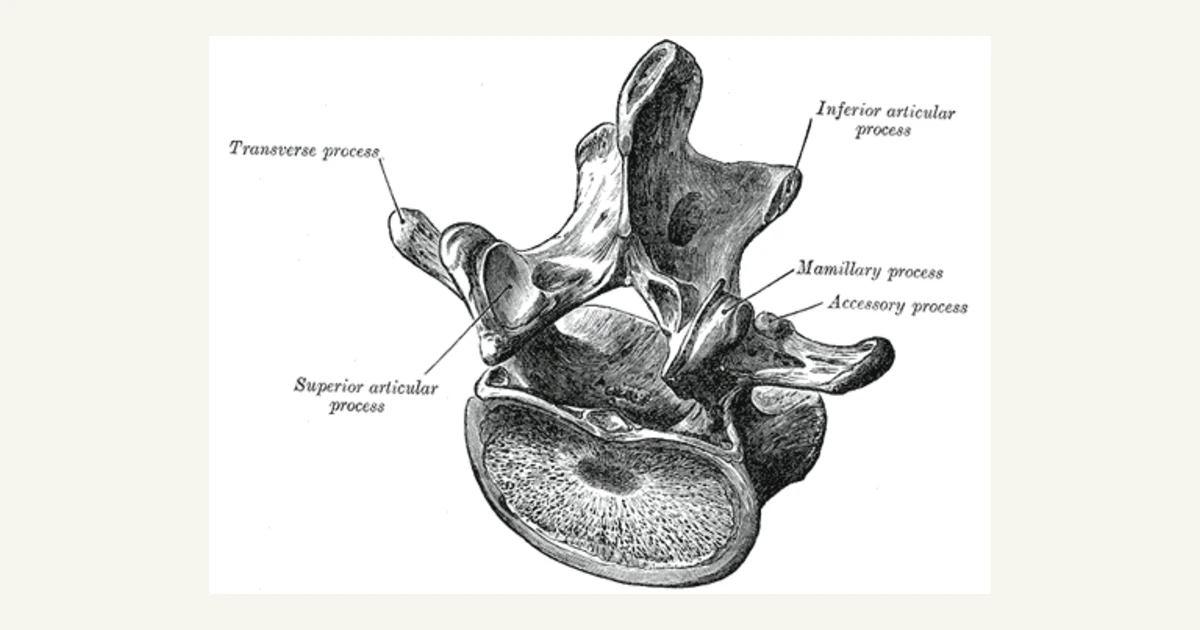
The lumbar spine connects the upper body to the lower body and acts as the central support system during heavy lifting. In a deadlift, the hinge motion at the hips should allow the legs and glutes to generate most of the power, while the core muscles and back muscles stabilize the spine. Proper form includes keeping the shoulder blades tight, maintaining a flat back, and driving through the legs with the bar close to the upper thighs. Any compromise in this sequence can increase the risk of lower back injuries.
Differentiating Normal Muscle Soreness from Injury
After a heavy appointment, it can be difficult to know whether you are experiencing normal muscle soreness or an actual injury. The distinction is important because managing soreness differs from treating injury pain.
Delayed Onset Muscle Soreness (DOMS) After Deadlifts
Delayed onset muscle soreness usually develops on the second to fourth day after training. With deadlifts, DOMS often presents as sore lower back muscles or discomfort in the hamstrings and glutes. Some people find that pain gradually eases with light physical activity, blood flow stimulation, or applying heat such as a moist hot pack. While DOMS can make movement stiff and uncomfortable, it is not usually a sign of injury.
Signs Your Pain May Be More Than DOMS
Sharp lower back pain or shooting pain down the legs are red flags that require medical attention. These symptoms may indicate deadlifting injuries that require medical assessment. Injury pain tends to persist or worsen over time, particularly if you continue training. If you feel pain that is sharp, localised, or prevents normal movement, seek professional advice to avoid further injury.
When to see a doctor first
- Go to the emergency department now if back pain comes with numbness between the legs or around the back passage, new problems passing urine or stool, or weakness in both legs.
- See a doctor the same day if one leg is going weak, or the foot slaps or catches when you walk.
- See a doctor soon for pain that runs below the knee with pins and needles, night pain that does not change with position, or back pain with fever or weight loss you cannot explain.
Common Causes of Lower Back Pain from Deadlifts
Deadlifts build impressive strength, but they also put the lumbar spine under significant pressure. When lifters experience lower back pain from deadlifts, the cause is rarely just one factor. More often, it’s a combination of the following:
- Technique errors
- Prior chronic back conditions
- Muscle imbalances
- Excessive stress from training habits
Here’s a closer look at the main factors.
Poor Lifting Technique and Form Errors
Form is the foundation of proper deadlifting. A common mistake is starting the lift with a rounded back or not keeping the spine in a neutral position. When the back curves, the vertebrae and discs bear more force than they should, which can lead to injury, pain, or sharp lower back pain. Another frequent issue is neglecting the hip hinge. Many lifters bend at the waist instead of driving through the legs, shifting unnecessary load onto the lumbar spine.
Keeping the bar too far from the body is another form of error. Ideally, the bar should stay close to the shins and glide up the upper thighs. Letting it drift away increases leverage against the spine and forces the back muscles to work harder than necessary. A personal trainer can help identify these subtle issues, making a big difference in preventing deadlifting injuries.
Prior Back Conditions
Sometimes lower back pain from deadlifts isn’t caused by form or training habits alone. Lifters with pre-existing spinal issues, such as herniated discs, spinal stenosis, or chronic lower back injuries, are more vulnerable to experiencing pain during heavy lifting. These conditions reduce the spine’s ability to tolerate excessive stress and make it harder for the back muscles to stabilize under load. If you know you have a pre-existing spinal issue, talk to your doctor or therapist before you start to lift.
Because if you already have a history of back pain or diagnosed lumbar spine conditions, it’s important to approach deadlifts with caution. Using lightweight equipment, focusing on proper form, and consulting a physical therapist or personal trainer can help you continue training without aggravating the injury. In some cases, modifying the movement (such as using trap bar deadlifts or partial range lifts) can reduce strain on the spine while still targeting the right muscles.
Weak Core and Lack of Stability in the Lumbar Spine
Even if your form looks good, a weak or unstable core can undermine the lift. The abdominal and spinal stabilizers act like a natural weight belt, bracing the lumbar spine during heavy lifting. Without strong core muscles, the spine absorbs excessive stress, increasing the risk of lower back injuries.
Core stability exercises build resilience and train the body to keep the core engaged and the spine steady in both the starting position and the standing position of the deadlift. Over time, stronger core strength reduces back soreness and protects against further injury.
Overtraining or Rapid Increases in Weight
Another root cause of back pain after deadlifts is doing too much, too soon. Jumping from a light weight to heavy lifting without proper progression overwhelms the muscles and joints. The healing process after training relies on gradual overload, but skipping steps often results in sore lower back muscles or, worse, severe injuries.
Overtraining doesn’t only mean piling on more weight. High volume, insufficient rest days, or pushing through fatigue can also leave the back vulnerable. Fatigue often leads to poor form, which magnifies the risk of deadlifting injury. Respecting your current strength levels, pacing your training, and allowing enough recovery time are key to avoiding further injury.
How to Manage Lower Back Pain After Deadlifts
Dealing with lower back pain after deadlifts requires a mix of short-term relief and long-term strategies. While rest and simple home remedies can help ease muscle soreness, it’s important to know when pain signals something more serious. Addressing the issue early prevents further injury and keeps you on track with your training.
Rest, Ice, and Over-the-Counter Pain Relief
If you experience pain after deadlifting, rest is the first step. Applying ice in the first 24 hours is often used to help reduce inflammation, while a moist hot pack beginning on the second day can improve blood flow and ease stiff muscles. If suitable for you and prescribed by your doctor, over-the-counter pain relief may also help during the healing process, but it should never replace addressing the root cause of the pain.
When to See a Physical Therapist
If sharp pain persists or you suspect a deadlifting injury, consulting a physical therapist is often recommended. Clinics like Phoenix Rehab can assess movement patterns, identify the root cause of the injury, and prescribe targeted exercises to aid recovery.
Core Stability Exercises to Support Your Lower Back
Building strength in the core muscles protects the lumbar spine during heavy lifting. Examples of exercises often used include dead bugs, pelvic tilts, and abdominal draw-in manoeuvres to improve control in the starting and standing positions. A strong, engaged core reduces back soreness, supports proper form, and ensures the right muscles activate during the lift.
Correcting Form: Tips for Safer Deadlifts
To maintain good form:
- Keep the bar close to your legs, brushing the upper thighs.
- Position the feet shoulder-width apart with an overhand grip.
- Set the shoulder blades back and keep a flat back in the starting position.
- Use a hip hinge rather than bending at the waist.
- Drive through the legs while keeping the core engaged and the spine neutral.
Maintaining proper form during both the lift and the lowering stage may help avoid injury and reduce excessive stress on the lumbar spine, but will not completely eliminate risk.
What Are the Chances of Surgery?
In most cases, lower back pain from deadlifts does not require surgery. The majority of lifters recover with conservative treatment, such as rest, physical therapy, and gradual return to physical activity. Even when pain feels severe, it often improves once the inflammation settles and the muscles regain strength and stability.
However, there are situations where surgery may be considered. If you experience red flags such as shooting pain down the legs, numbness, weakness, loss of bladder or bowel control, or if conservative care fails after several months, a specialist may recommend surgical intervention. Conditions such as severe herniated discs or spinal stenosis can sometimes require procedures to relieve pressure on the nerves or stabilize the spine.
It’s important to stress that surgery is generally considered a last resort and should be considered under medical supervision. Most lifters avoid it by addressing the root cause early, focusing on proper form, strengthening the core, and working with a physical therapist when necessary. By taking these steps, the chances of surgery remain low, and the healing process can continue without invasive measures.
Preventing Future Lower Back Pain from Deadlifts
Lower back pain can often be prevented with proper preparation, good lifting habits, and ongoing strength work. Prevention begins before you even touch the bar. Likewise, training around a sore back needs a planned progression. Here are the key strategies to keep your lower back safe:
Preparation and Warm-Up
Preparation sets the tone for training properly. Here are simple but essential tips you should do first thing:
- Activate core muscles before lifting.
- Stretch the hips, hamstrings, and back to increase mobility.
- Perform light sets with body weight or an empty bar to practise the hinge motion.
Technique and Progression
Good form and gradual progression are the backbone of proper deadlifting:
- Keep the spine in a neutral position and the core engaged.
- Set the shoulder blades back and push through the heels.
- Start with a light weight and progress gradually as strength improves.
- Work with a personal trainer if you’re unsure about proper form.
Listening to Your Body
Your body sends clear signals, and paying attention helps you avoid injury setbacks:
- Recognize the difference between normal muscle soreness and sharp pain.
- Stop immediately if you feel discomfort that resembles injury pain.
- If you have underlying back conditions, consult a doctor or physical therapist before training.
Supportive Tools and Training Habits
The right tools and smart training choices add an extra layer of protection for your lower back:
- Use a weightlifting belt for additional lumbar support during heavy lifting.
- Train with a spotter or partner to help maintain proper form and avoid further injury.
- Incorporate variety: add squats, lunges, planks, and other exercises to strengthen the core and lower body.
Applying these methods together reduces injury risk, protects the lumbar spine, and supports long-term strength.
Final Thoughts
Lower back pain from deadlifts isn’t always a sign to stop lifting altogether, it’s a signal to reassess how you train. Pain can be regarded as feedback that the training technique or load may need adjusting. Whether that means improving form, pacing progression, or seeking a therapist’s guidance, small corrections can prevent setbacks. Done thoughtfully, deadlifts can remain among the effective lifts in your training.
What our patients say
Google reviews from our clinics in Singapore.



If it started under a bar, gym injuries lists every lifting injury we see, by body part.
Lifting: what we focus on
Fine on the warm-up sets. Not by the working sets.
The back that tightens on the third heavy set. The deadlift you have quietly swapped for the leg press. The morning after a heavy day when bending to tie your shoes was the hard part. You rested two weeks, it settled, and the first heavy day back brought it straight back.
- The hinge. Assessed under load and tired, not only fresh, because that is when the back takes over from the hips.
- Trunk endurance. Back extensor endurance timed in seconds, and a side plank on each side.
- Hips and hamstrings. Single-leg strength on each side, so one side is not covering for the other.
- Load. Working weight comes back in steps, and the measures decide each jump.
Tested, not dated. You lift heavy again when the measures say so. Pain is the first thing to leave. Strength is the last to train and recover.
WhatsApp us · Get Assessed & Treated · One 45-minute appointment, $230, nett, no GST.
High-rep deadlifts and kettlebell swings against a clock are a common source of CrossFit back pain. See CrossFit injuries, movement by movement.
Also on this site: the page on back pain from sneezing covers why a sneeze sets it off, and the page on lower back pain when bending covers the causes and what to change.
Where are you with this right now?
1. It is settling on its own
Most episodes of back pain settle substantially within six weeks, and staying active beats resting. Scans early on tend to find changes that are common in people with no pain at all. If it is easing week on week and you are moving more rather than less, that is the normal course. You do not need us for this, and we would rather say so.
2. It has stopped improving
You think about how you will get out of the car before you park. You brace before you sneeze. You have stopped lifting anything off the floor without planning it.
The pain leaving is not the same as the capacity coming back. If nothing was loaded again, the back returns to daily life with less than it had. That is the gap worth measuring, and it is not measured by how you feel on the day.
The Stalled Recovery Review is three appointments over three weeks with the same therapist, because what a joint does under load cannot be read in one visit. The first finds what is limiting it. The next two measure how it responds. $690, nett, no GST, which is three appointments at $230.
3. You have had surgery, or you have a date
Recovery after an operation has a shape, and knowing which stage you are in tells you whether you are on it. If you had a microdiscectomy, see the Lumbar Microdiscectomy Recovery Program. For any other operation, see all the recovery programs, or lower back physiotherapy if you are not sure which applies to you.
All of it runs on the same four stages. The Phoenix Recovery Protocol explains what each stage works on and what you have to meet to move up. No referral needed to start.
Next step
Find out which stage you are in
Pain is the first thing to leave. Movement and strength are the last things trained back, and most people stop before that part is done. One Assessment and Treatment is a single 45-minute appointment at $230, nett, no GST. Your therapist finds what is actually limiting you, treats it in the same appointment, and you leave with your current stage and a written plan.
Prefer to phone? Each of our five clinics has its own number on the clinics page. No referral needed to book.
Related reading
- physiotherapy after surgery
- lower back physiotherapy
- Back Pain During Period: Why It Happens and What Helps
- Back Pain When Breathing In: Why It Happens and What to Do
- Upper Right Side Back Pain: Causes and What to Do
- The Phoenix Recovery Protocol, and the four stages
- All recovery programs, hand and physio
- Spondylolysis
Where we are
Clinics across Singapore
ORCHARD
400 Orchard Road #12-12
Orchard Towers, S238875
NS22 Orchard MRT
Physiotherapy and hand therapy in Orchard →
WhatsApp 8800 1830TAMPINES
9 Tampines Grande #01-20
Asia Green, S528735
EW2DT32 Tampines MRT
Physiotherapy and hand therapy in Tampines →
WhatsApp 8780 9608SERANGOON
265 Serangoon Central Drive #04-269
S550265 · Lift C only
NE12CC13 Serangoon MRT
Physiotherapy and hand therapy in Serangoon →
WhatsApp 8892 4121TANJONG PAGAR
10 Anson Road #02-77A
International Plaza, S079903
EW15 Tanjong Pagar MRT
Physiotherapy and hand therapy in Tanjong Pagar →
WhatsApp 8227 7074JURONG EAST
2 Venture Drive #02-02
Vision Exchange, S608526
NS1EW24 Jurong East MRT
Opening 25 October 2026
Physiotherapy and hand therapy in Jurong East →
WhatsApp 8242 7340