
Written by Zita Sham, Fairuuz Saleh and Shiv Mohan Banka, Principal Physiotherapists at Phoenix Rehab.Clinically reviewed by Louise Yow, Principal Physiotherapist and Director, AHPC A1300363H.Last reviewed 28 September 2026.
Dealing with upper back pain can be a challenging and uncomfortable experience. Whether you’re experiencing dull pain or sharp pain, understanding the causes and finding effective relief is crucial. In this article, we’ll explore the risk factors associated with upper right-side back pain, possible causes, and ways to alleviate the pain.
Risk Factors for Developing or Exacerbating Upper Right Side Back Pain
Back pain on the upper right side can develop or exacerbate due to various factors such as lifestyle and advancing age. 60% of confirmed occupational disease cases in Singapore from 2019-2021 are due to back pain, stemming from ergonomic risks. Specifically, the following factors can increase the likelihood of experiencing upper right back pain:
Poor Posture
One of the primary risk factors for developing upper right-side back pain is poor posture. Slouching or maintaining improper alignment while sitting or standing can put unnecessary strain on your back muscles.
The upper right side of your back is particularly vulnerable to this strain, leading to discomfort and pain over time. To mitigate this risk, make a conscious effort to maintain good posture throughout your daily activities. Sit up straight, align your shoulders with your hips, and avoid hunching forward.
Obesity
Obesity is not only detrimental to your overall health but also a contributing factor to upper right-side back pain. The excess weight places additional stress on your spine and back muscles, leading to discomfort and potential injury.
Adopting a healthy lifestyle, including regular exercise and a balanced diet, can help you lose weight, better manage your weight, and reduce the strain on your back. Consult with a healthcare professional or nutritionist for personalised guidance and support.
Advanced Age
As we age, our bodies undergo various changes that can increase the likelihood of experiencing upper right-side back pain. The natural wear and tear of the spine, decreased muscle mass, and changes in bone density can all contribute to discomfort and pain.
Engaging in regular exercise, maintaining a healthy weight, and incorporating strength training into your routine can help alleviate age-related back pain. Additionally, practising good posture and avoiding excessive strain on your back can help prevent further complications.
Chronic Stress or Depression
Chronic stress and depression can have a significant impact on your physical well-being, including your back health. When you experience prolonged stress or suffer from depression, your muscles tend to tense up, leading to muscle imbalances and increased risk of pain.
Seeking professional help to manage stress or depression, such as therapy or counselling, can provide valuable tools to improve your mental and physical health. Engaging in relaxation techniques, such as deep breathing exercises or meditation, can also help reduce muscle tension and promote overall well-being.
Smoking
Smoking not only poses a multitude of health risks but also contributes to upper right-side back pain. Smoking reduces blood flow to the spinal discs, limiting their ability to receive essential nutrients and causing them to degenerate faster.
This degradation can lead to pain and discomfort in the upper right side of your back. Quitting smoking is crucial for not only improving your overall health but also reducing the risk of back pain. Consult with your healthcare provider for assistance and resources to help you on your journey towards a smoke-free life.
Possible Causes of Upper Right-Side Back Pain
Upper right-side back pain may be caused by various conditions, and understanding them may help in creating a suitable treatment plan that can effectively alleviate this excruciating pain. Here are some of the possible causes of upper right-side back pain:
Muscle Strain from Overuse or Injury
One of the most common causes of upper right-side back pain is muscle strain or muscle spasms resulting from overuse or injury. Engaging in repetitive tasks and movements or lifting heavy objects incorrectly can strain the muscles in your upper back, leading to pain and discomfort. It’s essential to practice proper body mechanics, lift objects using your legs, and take regular breaks to avoid overexertion.
Spinal Fractures
Spinal fractures, although less common, can also be a cause of upper right-side back pain. Fractures may occur due to trauma, such as a fall or accident, or as a result of osteoporosis weakening the bones. If you suspect a spinal fracture, it is imperative to seek immediate medical attention. Treatment options may include pain management, bracing, and, in severe cases, surgical intervention. Preventing fractures by maintaining strong bones through a healthy diet rich in calcium and vitamin D, regular exercise, and avoiding activities that may put excessive strain on your back is crucial.
Osteoporosis
Osteoporosis, a condition characterised by weakened and brittle bones, can contribute to upper right-side back pain. As the bones lose density, they become more susceptible to fractures and compression, leading to pain and discomfort. Taking preventive measures such as consuming a calcium-rich diet, engaging in weight-bearing exercises, and ensuring adequate vitamin D intake can help reduce the risk of osteoporosis. If you suspect osteoporosis or experience persistent back pain, consult with your healthcare provider for a proper diagnosis and treatment plan.
Osteoarthritis
Osteoarthritis, a degenerative joint disease, can affect the upper right side of your back, leading to pain and stiffness. As the cartilage between the spinal joints wears down over time, the bones may rub against each other, causing inflammation and discomfort. Engaging in low-impact exercises, such as swimming or yoga, can help improve joint flexibility and reduce pain. Applying heat or cold therapy and taking over-the-counter pain relievers can also provide temporary relief.
Myofascial Pain Syndrome
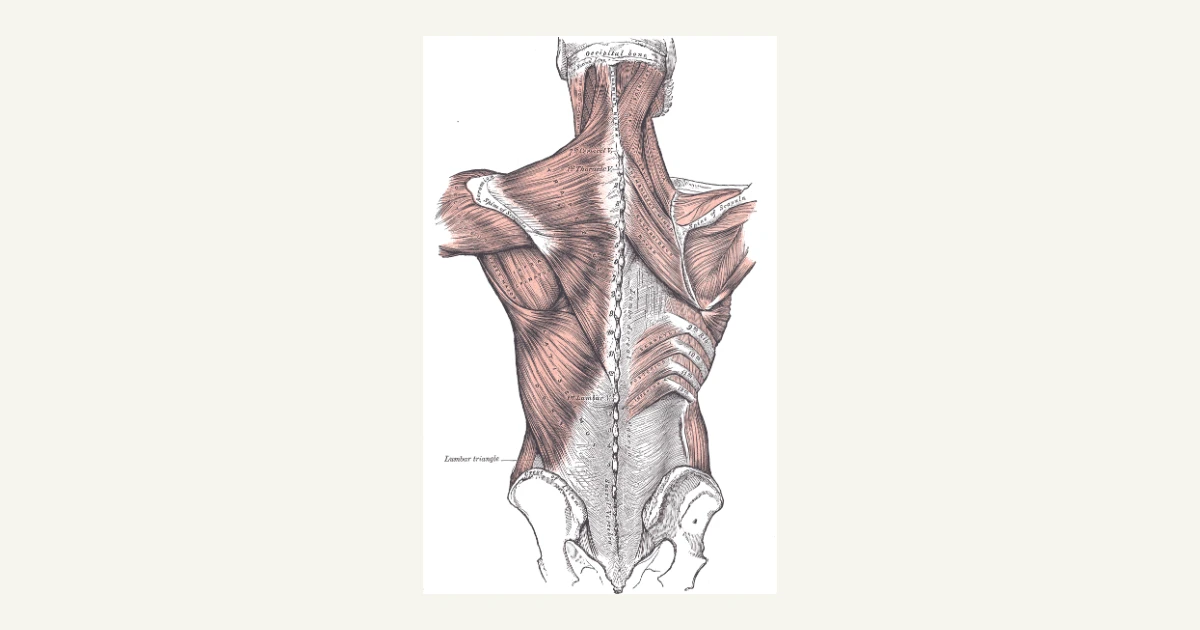
Myofascial pain syndrome is a chronic pain disorder characterised by pressure on trigger points in the muscles, leading to chronic pain and referred pain in other parts of the body. It can cause upper-right side back pain when trigger points in the trapezius and para-spinal muscles are affected. It can be caused by various factors, including muscle injury, stress-related muscle tension, repetitive motions, poor posture, and muscle weakness.
Referred Pain
In some cases, the crippling upper back pain may be a result of referred pain from other underlying conditions. Spinal infections or herniated discs in the lower back can cause radiating pain that manifests on the upper right side.
Spinal Infection
A spinal infection refers to an infection that occurs in the spine and surrounding tissues. It can be caused by bacteria or fungi entering the spine through the bloodstream or as a result of nearby infections or trauma. The most common form of spinal infection is vertebral osteomyelitis, which can lead to localised pain, redness, swelling, and fever. In rare cases, a progressing infection, illness, injury, or spinal disability can affect a nerve root or even the spinal cord, leading to upper-right side back pain.
Herniated Disc
Also known as a slipped disc, a herniated disc occurs when the soft inner portion of a spinal disc protrudes through the disc’s outer layer. This condition can cause upper-right side back pain when the herniated disc affects the nerves in the spinal cord or spinal nerves in that area. In some cases, a herniated disc can occur due to a spinal injury, such as excessive strain or trauma.
The herniation can lead to compression or irritation of these nerves, resulting in pain that radiates from the back to the upper right side. The pain is often described as burning or stinging and may extend into the lower extremity. Inflammation plays a significant role in herniated disc pain, and reducing inflammation is a key component of treatment.
Ways to Relieve Pain In Your Upper Back
Anti-Inflammatory Pain Relievers
When experiencing upper right-side back pain, over-the-counter anti-inflammatory pain relievers can offer temporary relief. NSAIDs have anti-inflammatory properties that can effectively reduce inflammation and provide relief from pain. It’s important to note that long-term use of NSAIDs may have adverse effects, so it is best to use them sparingly and focus on addressing the root cause of the pain.
Hot and Cold Therapy
Applying heat or cold therapy to the affected area can help relieve upper right-side back pain.
Heat therapy, such as the application of a hot water bottle or indulging in a warm bath, can effectively induce muscle relaxation and enhance blood circulation to the affected area, which ultimately facilitates the healing process.
On the other hand, cold therapy, such as using an ice pack or a bag of frozen vegetables wrapped in a towel, can help reduce inflammation and numb the area, providing temporary pain relief. It’s essential to alternate between heat and cold therapy and not apply them directly to the skin to avoid burns or frostbite.
Rest
Resting is crucial when experiencing upper right-side back pain, especially if it is a result of overuse or muscle strain. Avoiding activities that exacerbate the pain and allowing your body to recover is essential for a speedy healing process.
However, it’s important to strike a balance between rest and gentle movement. Prolonged bed rest can weaken muscles and delay recovery. Listen to your body’s cues and gradually reintroduce gentle exercises or activities as the pain subsides.
Gentle Exercises
Engaging in gentle exercises can help alleviate upper right-side back pain and prevent future episodes. Strengthening exercises that target the back muscles, such as yoga or Pilates, can improve posture and provide stability to the spine. Stretching exercises, such as shoulder rolls or chest stretches, can help relieve muscle tension and improve flexibility.
It’s important to consult with a qualified fitness professional or physical therapist to receive guidance on appropriate exercises for your specific condition and ensure proper form to prevent further injury.
Physical Therapy
Physical therapy can be highly beneficial in treating upper-right side back pain. It offers various treatments that aim to reduce pain, improve mobility, and strengthen the affected muscles. A physical therapist may provide you with active treatments that involve exercises prescribed by physical therapists to promote strength, healing, and mobility. These exercises may include stretches and strengthening exercises for the neck, shoulders, and upper back
Physiotherapy
If the upper right-side back pain persists or is severe, seeking the help of a physiotherapist such as that from Phoenix Rehab may be beneficial. A physiotherapist can assess your condition, provide targeted exercises and treatments, and guide you towards recovery.
They may use techniques for back pain physiotherapy, such as manual therapy, ultrasound, or electrical stimulation, to alleviate pain and promote healing. They can also provide guidance on proper body mechanics, posture correction, and lifestyle modifications to eliminate recurring pain and prevent future episodes of upper right-side back pain.
When to See a Doctor
While many cases of upper right-side back pain can be managed with self-care and lifestyle modifications, there are instances where seeking medical attention is necessary.
If your pain is severe, lasts longer than a few weeks (that it may be categorised as chronic back pain), is persistent and frequently comes back (recurring pain), or is accompanied by other concerning symptoms such as numbness, tingling, or difficulty in controlling bowel or bladder function, it’s important to consult with a healthcare professional.
What our patients say
Google reviews from our clinics in Singapore.



Medical professionals can perform a thorough evaluation, order diagnostic tests if needed, and provide appropriate treatment or referral to a clinician.
Final Words
Upper right back pain can significantly impact your daily life and overall well-being. By understanding the risk factors, possible causes, and effective ways to relieve the pain, you can take proactive steps towards managing and preventing future episodes.
If you experience persistent or severe pain, consult with a healthcare professional for a proper diagnosis and personalised treatment plan. With the right knowledge and care, you can find relief and regain control of your back health.
Where are you with this right now?
1. It is settling on its own
Most episodes of back pain settle substantially within six weeks, and staying active beats resting. Scans early on tend to find changes that are common in people with no pain at all. If it is easing week on week and you are moving more rather than less, that is the normal course. You do not need us for this, and we would rather say so.
2. It has stopped improving
You think about how you will get out of the car before you park. You brace before you sneeze. You have stopped lifting anything off the floor without planning it.
The pain leaving is not the same as the capacity coming back. If nothing was loaded again, the back returns to daily life with less than it had. That is the gap worth measuring, and it is not measured by how you feel on the day.
The Stalled Recovery Review is three appointments over three weeks with the same therapist, because what a joint does under load cannot be read in one visit. The first finds what is limiting it. The next two measure how it responds. $690, nett, no GST, which is three appointments at $230.
3. You have had surgery, or you have a date
Recovery after an operation has a shape, and knowing which stage you are in tells you whether you are on it. See the recovery programs, or lower back physiotherapy if you are not sure which applies to you.
All of it runs on the same four stages. The Phoenix Recovery Protocol explains what each stage works on and what you have to meet to move up. No referral needed to start.
Next step
Find out which stage you are in
Pain is the first thing to leave. Movement and strength are the last things trained back, and most people stop before that part is done. One Assessment and Treatment is a single 45-minute appointment at $230, nett, no GST. Your therapist finds what is actually limiting you, treats it in the same appointment, and you leave with your current stage and a written plan.
Prefer to phone? Each of our five clinics has its own number on the clinics page. No referral needed to book.
Related reading
- physiotherapy after surgery
- lower back physiotherapy
- Effective Treatments for Slipped Disc: A Comprehensive Guide
- Strategies for Back Pain When Lying Down: Best Comfortable Positions
- Understanding Slipped Disc Recovery: What to Expect
- The Phoenix Recovery Protocol, and the four stages
- All recovery programs, hand and physio
- Upper Back Pain After Waking Up: Causes and What Helps
Where we are
Clinics across Singapore
ORCHARD
400 Orchard Road #12-12
Orchard Towers, S238875
NS22 Orchard MRT
Physiotherapy and hand therapy in Orchard →
WhatsApp 8800 1830TAMPINES
9 Tampines Grande #01-20
Asia Green, S528735
EW2DT32 Tampines MRT
Physiotherapy and hand therapy in Tampines →
WhatsApp 8780 9608SERANGOON
265 Serangoon Central Drive #04-269
S550265 · Lift C only
NE12CC13 Serangoon MRT
Physiotherapy and hand therapy in Serangoon →
WhatsApp 8892 4121TANJONG PAGAR
10 Anson Road #02-77A
International Plaza, S079903
EW15 Tanjong Pagar MRT
Physiotherapy and hand therapy in Tanjong Pagar →
WhatsApp 8227 7074JURONG EAST
2 Venture Drive #02-02
Vision Exchange, S608526
NS1EW24 Jurong East MRT
Opening 20 October 2026
Physiotherapy and hand therapy in Jurong East →
WhatsApp 8242 7340