
Written by Ching Yee, Principal Physiotherapist at Phoenix Rehab, AHPC A1700671H.Clinically reviewed by Louise Yow, Principal Physiotherapist & Director, AHPC A1300363H.Last reviewed 8 October 2026.
Physiotherapy after a hip replacement gets you walking safely inside your precautions, then rebuilds the muscles that hold the new joint. Most people walk with a frame or crutches from the first day or two, come down to one stick between weeks 2 and 6, and train strength and stairs through week 12. Your surgeon’s protocol takes precedence.
Key takeaways
- Your surgeon decides the approach, the movement precautions that follow and how long they last. Precautions after a posterior approach often differ from those after an anterior one.
- Swelling down to the knee and ankle, bruising down the thigh, an ache in the thigh after walking further than usual and a leg that feels longer are usually expected in the first weeks.
- Chest pain or sudden breathlessness needs 995. A sudden pop, or a leg that turns, looks shorter or cannot take weight, needs the emergency department now.
- The hip stops hurting long before the muscles around it are strong again. A limp months later is usually a strength question, and strength can be measured.
- Typical points: walking without a stick at 2 to 6 weeks, driving at 4 to 6 weeks, stairs leg over leg at 6 to 12 weeks. Your surgeon’s protocol takes precedence.
Before the operation: getting the flat and the leg ready
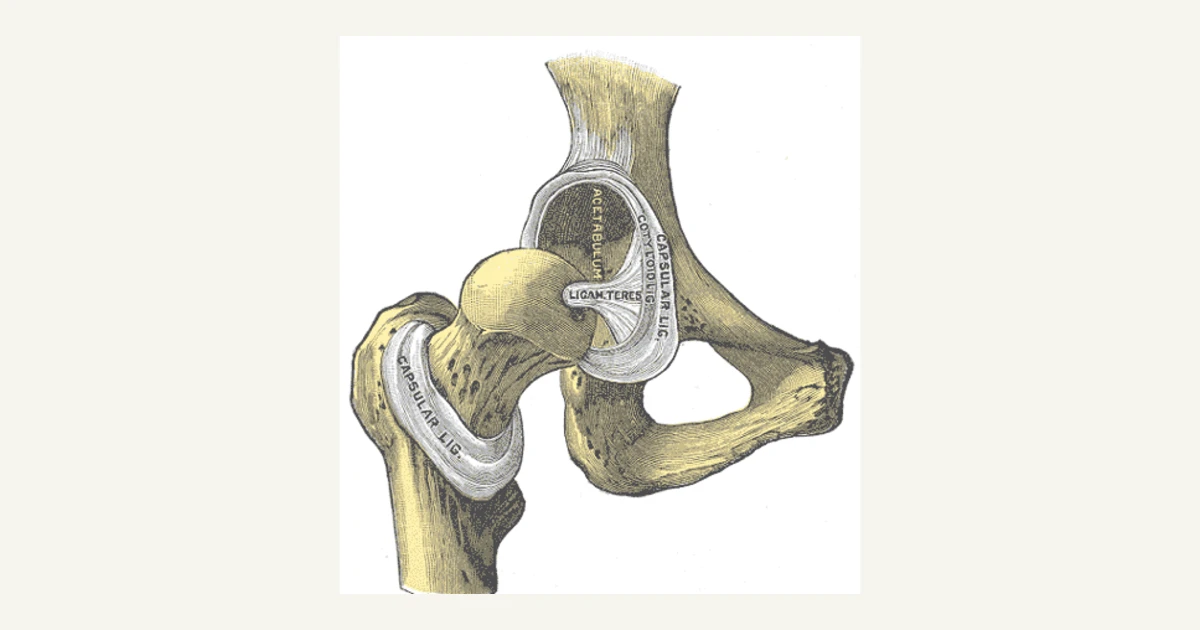
During the hip replacement procedure, your orthopedic surgeon will remove the damaged ball (femoral head) and socket joint (acetabulum) of your hip and implant artificial components made of metal, ceramic, or plastic.
The first fortnight at home comes down to the toilet, the bed, the shower and the front door. Set them up before you go in, while bending to the floor is still allowed.
At home
- The toilet. A raised toilet seat or a toilet frame, so your knees sit level with or below your hips when you sit down.
- The bed. A firm mattress at a height where your feet reach the floor and your knees sit no higher than your hips. Clear the path to the toilet for the night, with a light you can reach from the bed.
- The chair. One firm chair with arms, high enough to stand from without rocking forward. The low sofa can wait.
- The shower. A non-slip mat, a shower chair and a grab rail, plus a long-handled sponge for your feet. If the shower sits behind a high ledge or a bathtub wall, plan around it for the first weeks.
- The stairs and the front door. Count the steps between the lift and your door. If the lift skips your floor, or there are steps at the void deck, practice them with a physiotherapist before the operation.
- Shoes and socks. Slip-on shoes with a closed back, a long-handled shoe horn, a sock aid and a reacher, because bending to the floor may be off-limits for a while.
- Help. Someone at home for the first week or two, for meals, laundry and the trip to your first review.
Prehabilitation
In some cases, your orthopedic surgeon may recommend pre-operative physiotherapy exercises. Prehabilitation focuses on strengthening the muscles around your hip joint in the weeks before surgery. What you build before the operation is what the first weeks after it draw on.
A prehab block covers three things. Strength in the buttock and thigh on both sides, because the other leg carries you while the new hip cannot. Practice with the frame or crutches, the bed, the chair and a step, before there is a wound. And the home list above.
Questions to ask your surgeon
- Which approach will you use: posterior (from the back), anterior (from the front) or lateral (from the side)? Which movement precautions follow from it, and for how long?
- How much weight can I put on the leg from the first day?
- When should outpatient physiotherapy start, and is there a protocol I should bring?
- When can the wound get wet?
- What is the plan for preventing clots, and for how long?
- When will you review me, and what do you want me able to do by then?
Precautions are your surgeon’s call. After a posterior approach they often include not bending the hip past 90 degrees, not crossing your legs, and not turning the knee and foot inward. After an anterior approach they often limit taking the leg backward and turning it outward. Some surgeons set few or none. A 2016 Cochrane review found too little evidence to say whether routine precautions prevent dislocation.1 Follow the list your surgeon gives you, for as long as they say.
When physiotherapy starts
Physical therapy rehabilitation typically begins in the hospital shortly after surgery. Bed exercises like ankle pumps and leg slides will be introduced to improve circulation and prevent stiffness.
The hospital physiotherapist usually has you standing with a frame on the day of the operation or the day after, as your surgeon allows. Outpatient physiotherapy picks up once you are home, often within the first two weeks. Bring the operation note and your discharge summary to the first visit.
The first weeks: what is usually normal, week by week
The week-by-week stages are in the program further down this page. These are the questions that come up most in the first weeks at home.
The walking aid
Most people go from a frame to two crutches or sticks, then one stick, then nothing. One stick goes in the hand opposite the new hip and moves forward with the operated leg. You come down a step when you walk steady on the current aid without a lurch, not on a date.
Stairs
Until the hip is strong: up with the other leg first, down with the operated leg first, one step at a time, a hand on the rail. Your physiotherapist checks this with you in hospital or at the first outpatient visit.
Sleep
Most people sleep on their back for the first weeks, with a pillow between the knees if the surgeon asks for one. Sleeping on the operated side waits until your surgeon agrees, often at 6 weeks or later.
The leg that feels longer
Many people feel the operated leg is longer in the first weeks. Tight muscles around the hip tilt the pelvis, and the feeling often settles as those muscles relax and strengthen. Leave shoe raises alone. If the feeling is still there at your review, your surgeon can measure the true length from the X-ray.
Swelling and the day-to-day
- Short walks often beat one long one. Walk around the flat every hour or two while you are awake.
- Lie with the leg flat on the bed for 20 to 30 minutes in the afternoon to bring evening swelling down.
- An ice pack wrapped in a cloth, 15 to 20 minutes after exercise, is for comfort. Keep it off the wound dressing.
- Pain relief and anti-inflammatory medication are a decision for your doctor or pharmacist. Early movement, proper positioning and compression stockings are the standard measures used after hip replacement to manage clot risk. Your surgical team sets which of them apply to you.
Physiotherapy exercises after hip replacement surgery
General starting points for the first weeks, inside your precautions. Anyone recovering from surgery follows the protocol their surgeon and physiotherapist set. A pull or an ache in the thigh is fine if it settles within an hour. Stop for sharp pain in the groin or hip, or anything that makes the leg feel unstable.
1. Ankle pumps
Lying or sitting, point your feet down, then pull them up toward you. 10 to 20 times, every hour you are awake in the first days. They keep the blood in your calves moving.
2. Buttock squeezes
Lying on your back, squeeze your buttocks together, hold, and relax. Hold 5 seconds, 10 times, 3 times a day. The muscles that will hold the new hip start here.
3. Heel slides
Lying on your back, slide the heel of the operated leg toward your bottom and back, with the knee pointing at the ceiling. Bend only as far as your precautions allow. 10 times, 2 to 3 times a day.
4. Straight leg raises
Straight leg raises work the quadriceps muscles on the front of your thigh, which straighten the knee and take your weight when you stand up, walk and climb stairs. To perform this exercise:
- Lie on your back.
- Slowly raise your operated leg.
- Keep that leg straight.
- Hold for a few seconds and lower back down.
- Bend the other knee with the foot flat. If the groin pinches, or your surgeon has not cleared this one yet, leave it out.
5. Hip abduction
This exercise targets the gluteus medius muscles, located on the outer side of your hip. These muscles play a role in stabilizing your hip joint and preventing unwanted inward rolling during movement. Weakness in the gluteus medius can contribute to limping and gait abnormalities. They are the muscles behind the lean described further down this page.
- Start standing, both hands on the kitchen counter.
- Lift your operated leg out to the side with your toes pointing forward, keeping your body upright.
- Hold for a few seconds and lower back down.
- Side lying comes later, on the other side with a pillow between the knees, when your surgeon and physiotherapist say so.
6. Single-leg stands
Standing at the kitchen counter, shift your weight onto the operated leg and lift the other foot a little. Count the seconds you hold with your pelvis level. Balancing on your operated leg challenges your core muscles and proprioception (your body’s awareness of its position in space). You can do this exercise with support or something to hold for balance. Start once your physiotherapist clears full weight on the leg.
7. Sit to stand
From a firm chair with arms, with your knees level with or below your hips, stand up and sit down with control. 5 to 10 times, twice a day. Push through your hands at first, and use them less as the leg gets stronger.
Your physiotherapist sets the dose from what they measure, and changes it as the numbers move.
Is this normal after a hip replacement?
Usually expected, on top of the list in the program below:
- Swelling at the ankle by the evening that goes down overnight with the leg flat.
- Broken sleep in the first weeks.
Worth asking about at your next visit: still needing the stick at 6 weeks, a limp that looks the same as last month, or stairs still one at a time at 12 weeks.
When to see a doctor first
- Call 995 for chest pain, sudden breathlessness or coughing up blood. After hip surgery these can mean a clot that has traveled to the lungs. Also after a fall if you cannot get up, or you have hit your head.
- Go to the emergency department now for a sudden pop or clunk with severe hip pain, or a leg that turns in or out, looks shorter, or cannot take weight. These can mean the new joint has dislocated. Also after a fall onto the hip, even if you can walk.
- See a doctor the same day for a calf that becomes painful, swollen, warm, red or tender, or swelling of the whole leg that does not go down overnight. These can mean a clot in the leg. Also for a wound that is red, hot, opening or leaking, or a fever.
- See a doctor soon (your surgeon or your GP) for pain that is worse each week instead of better, a limp that is not improving by your surgeon’s review, or a new limp or groin pain that comes on after you were walking well.
What we measure after a hip replacement
The hip stops hurting long before the muscles around it are strong again.2 A 2020 review of trials concluded that physiotherapy after hip replacement was clinically effective.3 Whether it is working for you comes down to numbers, taken at the first visit and at each stage review, the operated side against the other.
- Hip abductor strength. The muscles on the outside of the hip, measured with a handheld gauge, operated side against the other.
- The Trendelenburg sign. Whether your pelvis stays level when you stand on the operated leg.
- Single-leg stance. How many seconds you hold on each leg.
- Sit to stand. How long five stands from a chair take, arms folded once you can.
- Walking speed. Timed over a set distance, and how the walk looks from behind.
- Stairs. A timed flight, and whether you go leg over leg.
- Hip range, inside the limits your surgeon set.
- The Oxford Hip Score or the HOOS-12. Twelve questions each on how the hip affects your day, scored at the start and at each review.4,5
Manual therapy, targeted exercises, gait training and balance work are what the program is built from. What you can do at the end of it is measured against where you started.
Hip replacement surgery is done to reduce pain and improve mobility. What happens in the months afterwards decides how much of that you use. The work after a hip replacement is strength and walking pattern, trained back rather than waited for. Your therapist measures both and tells you where you are against the criteria for your stage.
Hip replacement: who does what
- Your orthopedic surgeon decides whether to operate, the approach and the implant, the movement precautions and how long they last, how much weight goes through the leg, and the clot prevention plan. Your surgeon reviews the wound and the X-ray, and clears driving, flying and sport.
- Your GP or polyclinic doctor handles medication, the MC, and a wound or calf that worries you between reviews, and refers you back to the surgeon when needed.
- An occupational therapist in hospital often checks your home setup and equipment before discharge.
- A physiotherapist assesses and measures, treats with hands-on work and exercise, coaches your precautions for the bed, the car and the shower, steps down the walking aid, progresses you by criteria, and refers you back to your surgeon when a finding needs one.
Physiotherapists assess, treat, exercise, educate and refer; doctors diagnose, inject, prescribe and order imaging. If we find something that needs medical review we refer you back to your doctor.
Physiotherapy after surgery
Hip Replacement Recovery Program
The hip stops hurting long before the muscles around it are strong again. That gap is where the limp comes from.
For total hip replacement and hip resurfacing, by any surgical approach. A staged physiotherapy program run to your surgeon’s plan and precautions, at five Singapore clinics, from the week you come home.
No referral needed to start. Bring your operation note, discharge summary or scan report.
Start here
Where are you right now?
A replaced hip is a different problem depending on the week you are reading this. Pick the one that matches.
How the program runs
4-Stage Structured Recovery
You move up a stage when you meet the criteria for it, not when a number of weeks has passed. That is Criteria Before Clearance, and it is why the last appointment is a graduation rather than a discharge.
The shape of it
What happens, week by week
The weeks below are the usual shape after a total hip replacement. The precautions you are given depend on the surgical approach, and your surgeon’s list is the one to follow. Your surgeon’s protocol takes precedence over anything on this page, every time.
- Weeks 0 to 2Stage 1 · Calm & ProtectHome with a frame or crutches. Swelling controlled. Getting in and out of bed, the car and the shower safely, inside your precautions. Hip muscle work from the first days.
- Weeks 2 to 6Stage 2 · Move & MobilizeDown to one stick, then none. Walking further each week, and walking without the lurch to the side.
- Weeks 6 to 12Stage 3 · Rebuild & StrengthenStrength in the buttock and thigh muscles, standing on one leg, and stairs leg over leg.
- Month 3 onwardStage 4 · Return & PerformDistance, uneven ground, travel, swimming and golf. Strength often keeps improving for a year.
After the operation
Is this normal?
Usually expected
- Swelling and bruising down the thigh, sometimes to the knee.
- A feeling that the leg is a different length, which often settles as the muscles relax.
- Clicking from the joint.
- Tiredness that outlasts the pain.
- Numbness around the scar.
- An ache in the thigh after walking further than usual.
Contact your doctor
- Call 995 or go to the emergency department now: sudden shortness of breath, chest pain, or coughing up blood. After leg surgery these can mean a clot that has traveled to the lungs.
- Doctor the same day: a calf that becomes painful, swollen, warm or tender, which can mean a clot in the leg.
- Doctor the same day: fever, or a wound that is red, hot, opening or leaking.
- Emergency department now: sudden severe hip pain with the leg turned in or out and shorter, especially after a twist or a fall, which can mean a dislocation.
- Surgeon soon: a new limp or groin pain that comes on after you were walking well.
- Review soon: no change in walking or strength over 3 to 4 weeks of therapy.
We would rather send you back to your surgeon early than be the reason you went late.
If it is not going to plan
Months in, and you still lurch to one side when you walk
The hip does not hurt. The X-ray is fine. And when you walk past a shop window, you can see yourself tip to one side with every step on that leg.
You still take the stairs one at a time. You plan your route around the escalators. Getting out of the car takes a hand on the door frame and a push.
That lurch is the buttock muscles on the operated side not yet strong enough to hold the pelvis level, and the body leans over to make up for it. It is measured, standing on one leg and in strength, and trained out. Waiting does not train it.
The Stalled Recovery Review is three appointments, one a week for three weeks, with the same physiotherapist. The first finds what is holding you back. The next two measure how it responds, because what a joint does under load cannot be read in one visit. $690, nett, no GST.
More on what the three appointments cover: the Stalled Recovery Review.
Logistics
When can I…
Your surgeon decides, based on healing and what your job demands. These are typical points, not permissions.
| Activity | Typical point | What has to be true first |
|---|---|---|
| Walking without an aid | 2 to 6 weeks | A steady walk without a lurch, and your physiotherapist and surgeon agree. |
| Driving | 4 to 6 weeks | Off strong painkillers, able to get in and out inside your precautions, and able to do an emergency stop. Your surgeon agrees, and check your insurer. |
| Sleeping on that side | 6 weeks or later | Your surgeon agrees. A pillow between the knees often helps. |
| Desk work | 2 to 6 weeks | You can sit for an hour within your precautions. |
| Flying | Ask your surgeon | Long flights raise clot risk in the early months. Your surgeon advises on timing and precautions. |
| Golf, swimming, long walks | 3 months or later | Stage 4 criteria met, and the wound fully healed for swimming. |
| Medical certificate | Your doctor issues it | Physiotherapists do not issue MCs. We can write a report on your functional limits for your doctor or employer. |
The program
What it costs and what is in it
Hip Replacement Recovery Program, Stages 1 to 4
Per 45-minute appointment, nett, no GST. The Hip Replacement Recovery Program is 12 appointments, $2,760 in all. You pay for each appointment as you attend it. If you need more, your physiotherapist shows you which stage criteria are still open, and each extra appointment is $230.
- An Assessment & Treatment first, at $230: which stage you are in, what is limiting you, and a written plan you walk out holding
- Precaution coaching for the home, the car and the shower
- Staged range and strength work, progressed on criteria
- Single-leg standing time and hip strength measured against the other side
- A home program, written down
- A one-page report to your surgeon at weeks 2, 6 and 12 if you were referred
- Your next stage review dated into the diary, with the same physiotherapist
Graduation, Not Discharge. The program ends when you meet the Stage 4 criteria for the walking, stairs and activities you named at the start.
Who you will see
Managed by our physiotherapy team
Hip replacements sit with the physiotherapy team. You stay with the same physiotherapist through the program, and every appointment is one to one for the whole 45 minutes.
Ching Yee
Principal Physiotherapist at Tanjong Pagar, and at Jurong East from 25 October 2026. Recovery after total knee and hip replacement, and knee and spine degenerative conditions.
This program runs Stages 1 to 4 of the Phoenix Recovery Protocol. It sits under physiotherapy after surgery, alongside the other recovery programs.
Timings on this page are typical ranges, not predictions for any individual recovery, and your surgeon’s protocol takes precedence. Physiotherapists assess, treat, exercise, educate and refer; doctors diagnose, inject, prescribe and order imaging. If we find something that needs medical review we refer you back to your doctor.
Related reading
Sources: 1. Smith TO, Jepson P, Beswick A, Sands G, Drummond A, Davis ET, Sackley CM. Assistive devices, hip precautions, environmental modifications and training to prevent dislocation and improve function after hip arthroplasty. Cochrane Database Syst Rev. 2016;(7):CD010815. 2. Rasch A, Dalén N, Berg HE. Muscle strength, gait, and balance in 20 patients with hip osteoarthritis followed for 2 years after THA. Acta Orthop. 2010;81(2):183-188. 3. Fatoye F, Wright JM, Yeowell G, Gebrye T. Clinical and cost-effectiveness of physiotherapy interventions following total hip replacement: a systematic review and meta-analysis. Rheumatol Int. 2020;40:1385-1398. 4. Dawson J, Fitzpatrick R, Carr A, Murray D. Questionnaire on the perceptions of patients about total hip replacement. J Bone Joint Surg Br. 1996;78(2):185-190. 5. Gandek B, Roos EM, Franklin PD, Ware JE Jr. A 12-item short form of the Hip disability and Osteoarthritis Outcome Score (HOOS-12): tests of reliability, validity and responsiveness. Osteoarthritis Cartilage. 2019;27(5):754-761.
Where we are
Clinics across Singapore
ORCHARD
400 Orchard Road #12-12
Orchard Towers, S238875
NS22 Orchard MRT
Physiotherapy and hand therapy in Orchard →
WhatsApp 8800 1830TAMPINES
9 Tampines Grande #01-20
Asia Green, S528735
EW2DT32 Tampines MRT
Physiotherapy and hand therapy in Tampines →
WhatsApp 8780 9608SERANGOON
265 Serangoon Central Drive #04-269
S550265 · Lift C only
NE12CC13 Serangoon MRT
Physiotherapy and hand therapy in Serangoon →
WhatsApp 8892 4121TANJONG PAGAR
10 Anson Road #02-77A
International Plaza, S079903
EW15 Tanjong Pagar MRT
Physiotherapy and hand therapy in Tanjong Pagar →
WhatsApp 8227 7074JURONG EAST
2 Venture Drive #02-02
Vision Exchange, S608526
NS1EW24 Jurong East MRT
Opening 25 October 2026
Physiotherapy and hand therapy in Jurong East →
WhatsApp 8242 7340What our patients say
Google reviews from our clinics in Singapore.



