
Written by Zita Sham, Fairuuz Saleh and Shiv Mohan Banka, Principal Physiotherapists at Phoenix Rehab.Clinically reviewed by Louise Yow, Principal Physiotherapist and Director, AHPC A1300363H.Last reviewed 28 September 2026.
Basketball is fast, physically demanding, and requires constant movement on the court. With quick changes of direction, jumps, and high contact, it’s no surprise that basketball injuries are among the most common in sports.
A wide range of basketball injuries, particularly to the foot, ankle, and knee, can mostly be prevented. First, you must understand why they happen and what you could be doing wrong to cause them. In this post, we’ll also explore ways to treat and prevent basketball injuries for players of all ages.
Why Do Basketball Injuries Happen?
Unlike many other team sports, basketball combines high-impact jumping with sudden lateral movements on a hard court surface. That combination is unusual. Most sports involve either heavy running (like football) or frequent jumping (like volleyball), but rarely both at such intensity.
This constant load on the knees and ankles makes basketball one of the most common sports for overuse injuries such as jumper’s knee and ankle sprains.
Basketball players place enormous demands on the body. The game involves sprinting, pivoting, landing from jumps, and pushing against opponents. This constant activity level stresses the knees, ankles, and muscles. Overuse injuries are also frequent, especially during a long season when rest is limited.
Another factor is the court surface. Hard flooring puts pressure on the joints, and sudden changes in direction increase the risk of ankle and knee injuries.
In younger athletes, including a child or adolescent player, the body may still be developing, making them more vulnerable to muscle strains and growth-related issues.
What Are the Common Injuries in Basketball?
In 2024, hospital emergency rooms treated more than 4 million sports and recreation injuries, with basketball injuries ranking high among the most common. The study suggested that a large percentage occurs in the lower extremities, specifically the ankles and knees.
Let’s look at these injuries closely.
Ankle Sprains
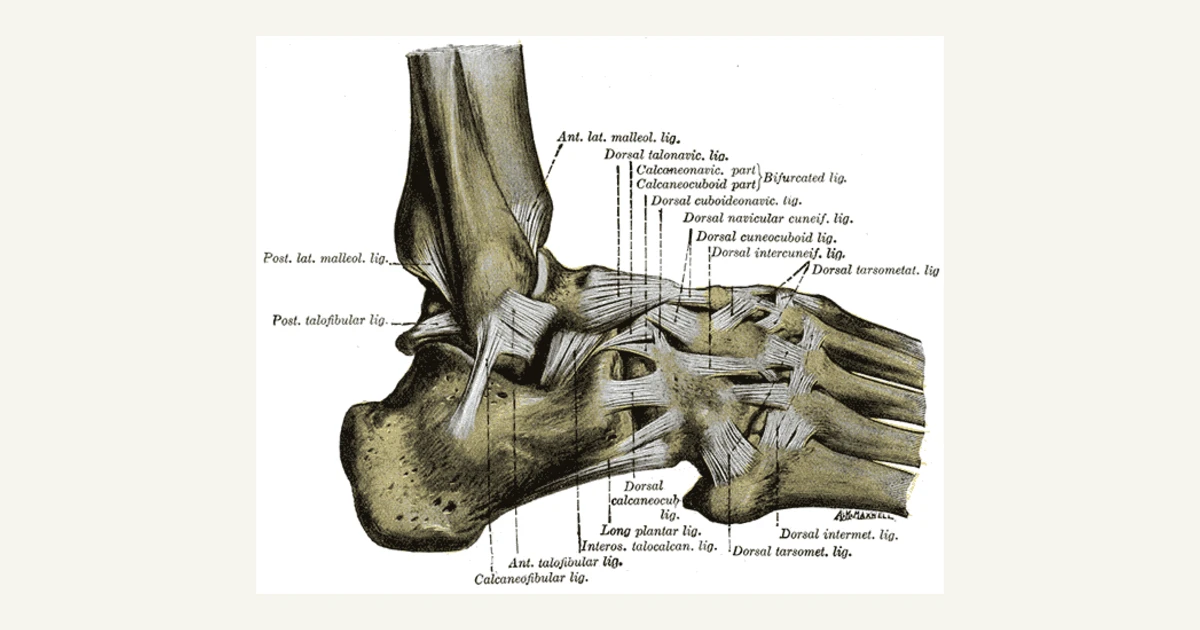
An ankle sprain is one of the most common basketball injuries. It usually happens when a player lands awkwardly or rolls the ankle on the court. This causes pain, swelling, and instability. Repeated ankle sprains can lead to chronic ankle injuries if not treated properly.
Knee Injuries
The knee is especially vulnerable in basketball. A knee injury can range from minor ligament strains to serious anterior cruciate ligament (ACL) tears. ACL injuries are particularly concerning as they may require surgery, knee physiotherapy, and a long recovery. Other common knee injuries include damage to the meniscus or kneecap issues.
Jumper’s Knee (Patellar Tendonitis)
Jumper’s knee, an overuse injury affecting the patellar tendon, is common in basketball players due to repetitive jumping. Symptoms include pain below the kneecap and stiffness, especially during explosive movements on the court.
Hamstring Strains
A hamstring muscle strain often occurs during sprinting or when changing direction quickly. This type of injury can be mild or severe, with pain felt in the back of the thigh. Without proper treatment, hamstring strains may recur and limit a player’s return to the game.
Finger and Hand Injuries
Because basketball involves constant ball handling and physical contact, finger and hand injuries are frequent. These can include dislocations, sprains, and fractures. A jammed finger may seem minor, but it can affect shooting and passing if ignored.
Shoulder Injuries
Reaching, blocking, and collisions on the court can result in shoulder injuries. Dislocations, strains, or rotator cuff problems are among the most common. Shoulder pain can interfere with shooting accuracy and overall performance.
How to Treat Basketball Injuries
Minor basketball injuries like sprains and strains can be treated effectively with immediate first aid, while serious ones may require professional medical care and rehabilitation.
One of the effective first-aid responses to basketball injuries is the R.I.C.E. method: rest, ice, compression, and elevation. Rather than thinking of these as four disconnected steps, it helps to see them as a system for managing how the body reacts immediately after the injury.
- Rest stops unnecessary movement, preventing the injury from worsening.
- Ice works like a speed bump, slowing down blood flow and limiting swelling.
- Compression acts as gentle pressure to keep fluid from building up.
- Elevation uses gravity to redirect that fluid away from the injured area.
Together, these steps don’t heal the injury on their own, but they give the body a chance to start recovering quickly and reduce the risk of long-term problems.
If pain and swelling persist or if there’s a limited range of motion, consult a qualified healthcare provider for an accurate diagnosis. Depending on the findings, treatment may include medication for pain and inflammation, physical therapy, or even surgery in some cases.
How Physiotherapy Can Help
For many common basketball injuries, physiotherapy is the first step. Physiotherapists at Phoenix Rehab help manage symptoms, guide rehabilitation, and design an exercise program to rebuild strength and mobility. Specific treatments may include:
- Balance training for ankle injuries
- Strengthening exercises for the knee
- Flexibility work for muscle strains
- Techniques like massage, ultrasound, or electrical stimulation
When Surgery May Be Needed
In some cases, surgery is necessary. Severe ACL tears, complex fractures, or shoulder dislocations may not heal with physiotherapy alone. Surgery helps repair damaged structures and allows the player to return to the court. Post-surgery rehabilitation is essential for regaining full function and preventing reinjury.
How to Prevent Basketball Injuries
With the sport’s growing popularity in Singapore, even partnerships with the NBA, it’s likely that injury rates will be closely monitored and efforts made to promote injury prevention.
Here are critical yet straightforward steps basketball players can take to prevent injuries:
- Follow a structured warm-up before training or a game to prepare the muscles and reduce the risk of strains.
- Incorporate strength training, especially for the calf muscle, hamstring, and quadriceps, to protect the knee and ankle.
- Wear proper basketball shoes with good ankle support and traction.
- Wear a mouth guard to protect against dental injuries.
- Stay hydrated to maintain muscle flexibility.
- Consider knee and ankle supports, especially for players with a history of injuries.
- Maintain flexibility, rest between games, and monitor symptoms of overuse injuries.
- Allow adequate time for rest and recovery.
An effective exercise program focuses on balance, strength, and mobility. This reduces the risk of overuse injury and ensures the body can handle the demands of the sport.
When to See a Doctor
Players should seek medical advice if pain persists, if they experience swelling around the knee or ankle, or if they cannot put weight on the leg. A visit to the emergency room may be required for severe injuries such as fractures, concussions, or a serious knee injury. Early diagnosis helps prevent complications and shortens recovery time.
Final Thoughts
Basketball injuries are almost inevitable for players at some point in their careers. However, with proper treatment, smart injury prevention strategies, and awareness of the symptoms, it is possible to reduce the risk of serious damage. Taking care of the body both on and off the court ensures players can stay active and competitive throughout the season.
Basketball: what we focus on
Jammed finger, rolled ankle, and the knee on the landing.
The ball that hit the end of a straight finger. The ankle that rolled on someone’s foot. The landing that sent the knee one way and you the other. The finger is the one people leave, and it is the one that stays stiff.
- Fingers. A jammed finger needs the right splint early. A drooping fingertip is a mallet finger: the Mallet Finger Recovery Program. Stiffness weeks later: the Stiff Finger Joint Recovery Program.
- Ankle. Ankle sprains retrained with balance and hop work, not just rested.
- Knee. ACL injuries on landing: the ACL Reconstruction Recovery Program.
Tested, not dated. You go back when the measures say so: hop and landing control, and finger range in degrees. Pain is the first thing to leave. Strength is the last to train and recover.
WhatsApp us · Get Assessed & Treated · One 45-minute appointment, $230, nett, no GST.
Where are you with this right now?
1. It is settling on its own
Most injuries and most flare-ups settle over weeks with sensible load management and a return to normal movement. Improvement is judged over a month, not over a day, and good days and bad days inside that are usual. If you are doing more this month than last, and sleeping better, it is behaving the way it should. You do not need us for this, and we would rather say so.
What our patients say
Google reviews from our clinics in Singapore.



2. It has stopped improving
You have adapted without noticing. The other side takes the load, you plan movements you used to make without thinking, and you have quietly dropped things you used to do.
Pain is the first thing to leave. Movement and strength are the last things trained back, and most people stop before that part is done. That is the gap worth measuring, and it is not measured by how you feel on the day.
The Stalled Recovery Review is three appointments over three weeks with the same therapist, because what a joint does under load cannot be read in one visit. The first finds what is limiting it. The next two measure how it responds. $690, nett, no GST, which is three appointments at $230.
3. You have had surgery, or you have a date
Recovery after an operation has a shape, and knowing which stage you are in tells you whether you are on it. See the recovery programs, hand and physiotherapy, or the four stages and what each one works on if you are not sure which applies to you.
All of it runs on the same four stages. The Phoenix Recovery Protocol explains what each stage works on and what you have to meet to move up. No referral needed to start.
Next step
Find out which stage you are in
Pain is the first thing to leave. Movement and strength are the last things trained back, and most people stop before that part is done. One Assessment and Treatment is a single 45-minute appointment at $230, nett, no GST. Your therapist finds what is actually limiting you, treats it in the same appointment, and you leave with your current stage and a written plan.
Prefer to phone? Each of our five clinics has its own number on the clinics page. No referral needed to book.
Related reading
- How To Treat and Prevent a Pulled Calf Muscle
- Muscle Imbalance: What It Is and Why You Need To Correct It
- How To Do Quick and Easy Hamstring Stretches for Sore Thighs
- The Phoenix Recovery Protocol, and the four stages
- All recovery programs, hand and physio
- What You Can Do To Heal and Prevent Pickleball Injuries
Where we are
Clinics across Singapore
ORCHARD
400 Orchard Road #12-12
Orchard Towers, S238875
NS22 Orchard MRT
Physiotherapy and hand therapy in Orchard →
WhatsApp 8800 1830TAMPINES
9 Tampines Grande #01-20
Asia Green, S528735
EW2DT32 Tampines MRT
Physiotherapy and hand therapy in Tampines →
WhatsApp 8780 9608SERANGOON
265 Serangoon Central Drive #04-269
S550265 · Lift C only
NE12CC13 Serangoon MRT
Physiotherapy and hand therapy in Serangoon →
WhatsApp 8892 4121TANJONG PAGAR
10 Anson Road #02-77A
International Plaza, S079903
EW15 Tanjong Pagar MRT
Physiotherapy and hand therapy in Tanjong Pagar →
WhatsApp 8227 7074JURONG EAST
2 Venture Drive #02-02
Vision Exchange, S608526
NS1EW24 Jurong East MRT
Opening 20 October 2026
Physiotherapy and hand therapy in Jurong East →
WhatsApp 8242 7340