
Written by Zita Sham, Fairuuz Saleh and Shiv Mohan Banka, Principal Physiotherapists at Phoenix Rehab.Clinically reviewed by Louise Yow, Principal Physiotherapist & Director, AHPC A1300363H.Last reviewed 2 November 2026.
By nine at night the sole of your foot burns. Not the heel, the whole underside, with pins and needles that creep toward the toes the longer you stand at the stove. Someone said plantar fasciitis. You have rolled the frozen bottle and done the calf stretches for three months. The first steps in the morning were never the problem. Standing is.
That pattern is a nerve, not a tendon. This page covers what tarsal tunnel syndrome is and how it differs from plantar fasciitis, the signs that mean a doctor first, a test you can do on your own ankle tonight, what pushes on the nerve and what takes the pressure off, what happens to a nerve that stays squeezed, and what to do when three months of heel-pain stretches have changed nothing.
What is tarsal tunnel syndrome?
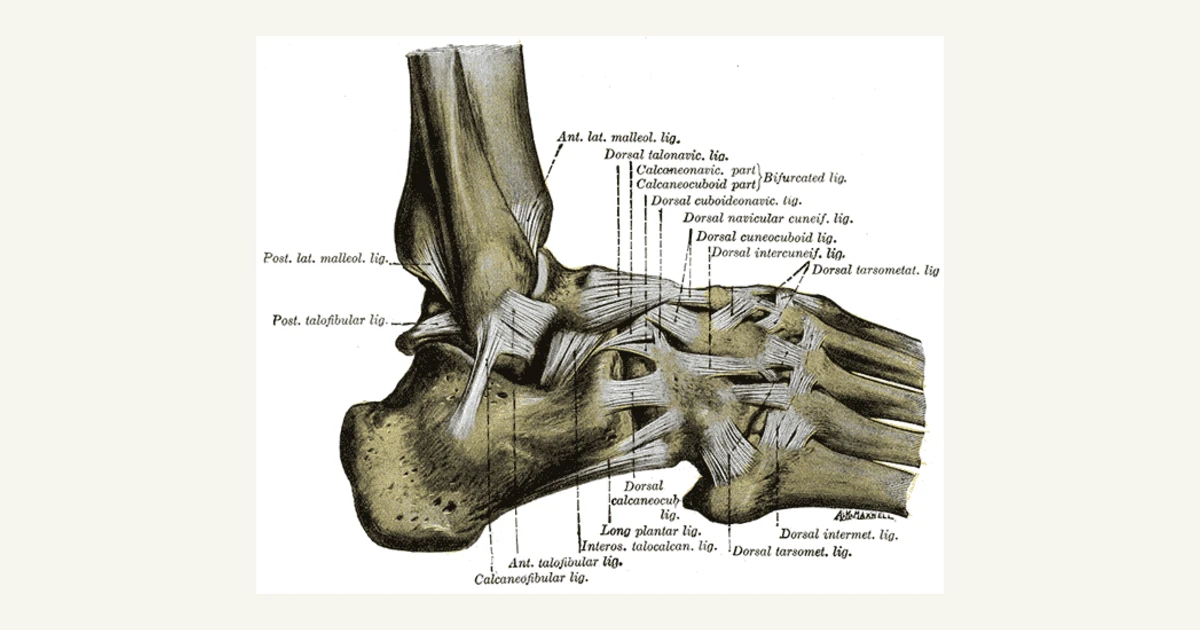
Tarsal tunnel syndrome is a squeezed nerve at the inner ankle. The tibial nerve runs behind the inner ankle bone through a tunnel roofed by a ligament, then branches into the sole. Pressure on it causes burning, tingling or numbness across the sole and sometimes the heel, worse with standing and often at night.1,2
Key takeaways
- Plantar fasciitis is sharp heel pain on the first steps of the morning that eases as you walk. Tarsal tunnel syndrome is burning, tingling or numbness across the sole that builds the longer you stand, and often wakes you.
- Tapping behind the inner ankle bone and getting tingling into the sole is the test. A doctor confirms it with nerve conduction studies if needed.
- The usual pressure is a flat, rolled-in hindfoot, swelling or a tendon sheath after an ankle injury, or a lump in the tunnel. Diabetes and thyroid disease make the nerve easier to irritate.
- A nerve that is irritated recovers once the pressure is off. Numbness that has been constant for months, or a thinning foot with clawing toes, means nerve fibers are being lost, and those do not come back.
- Three months of heel-pain stretches that have not touched it is the sign the diagnosis was wrong, not that you need to stretch harder.
First, the signs that mean a doctor, not this page
- Call 995 if the foot has suddenly gone cold, white or blue, or if numbness in the foot arrived with weakness, a drooping face, slurred speech or confusion.
- Go to the emergency department now if the ankle is out of shape after an injury, if the foot or ankle is hot, red and swollen with a fever, if numbness in the foot came with numbness around the groin or buttocks or a change in bladder or bowel control, or if a calf is swollen, hot and tender with any breathlessness.
- See a doctor the same day if you cannot bear weight after an injury, if you have diabetes and the numbness is new, or if the foot has lost its feeling over days rather than months.
- See a doctor soon for numbness in both feet, for numbness that is constant rather than coming and going, for toes that are starting to claw or a foot that looks thinner than the other, for weakness lifting the toes or pushing off, for a lump you can feel behind the inner ankle bone, for night pain that position does not change, for weight loss or a history of cancer, or if nothing has changed after six weeks of a proper plan. Nerve conduction studies and an ultrasound of the tunnel are a doctor’s to order; your GP or polyclinic can refer you.
None of these? Then the rest of this page is for you.
Is it tarsal tunnel syndrome, or something else?
| What it feels like | What it usually is | Who checks it first |
|---|---|---|
| Burning, tingling or numbness across the sole, sometimes into the toes or heel. Builds the longer you stand or walk. Often worst at night. Tapping behind the inner ankle bone brings it on | Tarsal tunnel syndrome: the tibial nerve squeezed at the inner ankle | A physiotherapist tests it. A doctor orders nerve conduction studies if the picture is unclear |
| Sharp pain under the heel on the first steps out of bed, eases after a few minutes, returns after sitting. No tingling | Plantar fasciitis | A physiotherapist |
| Ache along the inner ankle and arch, worse walking, the arch flattening, cannot rise onto the toes of that foot on its own | Posterior tibial tendon dysfunction. It can sit alongside tarsal tunnel syndrome, because the tendon runs through the same space | A physiotherapist |
| Numbness or burning in both feet, starting at the toes, the same at rest as standing | Peripheral neuropathy, most often from diabetes, less often thyroid, vitamin B12 or alcohol | A doctor |
| Pain or tingling that starts in the back or buttock and runs down the leg into the sole or outer foot, worse sitting or bending | A nerve root irritated in the lower back | A physiotherapist. A doctor if there is weakness |
Tarsal tunnel syndrome or plantar fasciitis: the two questions that separate them
Ask when it is worst and what it feels like. Plantar fasciitis is worst on the first steps after rest, under the heel, and it is pain: sharp, bruise-like, easing as the tissue warms up. Tarsal tunnel syndrome gets worse the longer you are on the foot, it spreads across the sole rather than sitting under the heel, and it is nerve sensation: burning, pins and needles, a patch that feels wooden, sometimes a foot that aches in bed after a long day standing. The two can exist together, and a flat, rolled-in foot sets up both. If you have done the plantar fasciitis program properly for six weeks and the burning has not moved, the nerve is the next thing to test.
A test you can do tonight
Sit with the sore foot across the other knee. Find the bump of the inner ankle bone. Just behind and below it, tap firmly with two fingertips eight or ten times. Tingling or a shock into the sole or heel is a positive Tinel’s sign at the tarsal tunnel. Then pull the foot up toward the shin and roll it outward, and hold for ten seconds. If that brings on the burning or tingling in the sole, the nerve is being stretched over the tunnel.3 Neither test is proof. Both tell you the nerve is worth taking seriously, and a plantar fascia stretch will not fix it.
What is pressing on the nerve
The tunnel is a fixed space. Anything that takes up room in it, or stretches the nerve across it, irritates the nerve.1,2 The common ones: a hindfoot that rolls inward when you stand, which pulls the nerve tight around the inner ankle with every step; swelling and scar after an ankle sprain or fracture; a swollen tendon sheath, since the tibialis posterior and the toe flexor tendons share the tunnel; varicose veins; a ganglion or other lump; and standing jobs on hard floors in flat shoes. In roughly a third of cases no cause is found on scanning. Diabetes, an underactive thyroid and rheumatoid arthritis make the nerve more easily irritated and are worth a blood test if the picture does not fit.
That list is why the plan is not one thing. A rolled-in foot needs the arch supported and the muscles that hold it up trained. Swelling after an injury needs the swelling managed. A lump needs a scan and a doctor.
What helps in the first six weeks
Shoes with a firm heel and arch support, worn in the house as well as out, since barefoot on tile is the worst position for a rolled-in foot. A pharmacy arch insole is a reasonable start; a medial heel wedge or a molded orthotic comes after someone has watched you stand and walk. Shorter blocks of standing, broken with sitting, for the burning to settle at night. Calf raises done slowly with the heel kept straight, and the tibialis posterior worked by rising onto the toes with the heel turned in, both built up over weeks. Gentle nerve gliding, the foot pulled up and out then released, in sets of ten, never into the burning. No stretching of the sole. If the burning is less at night by week six, keep going. If it is the same, the nerve needs testing, not more weeks.
Can the nerve heal?
Yes, while it is irritated rather than damaged. A nerve that tingles and burns with standing and settles overnight is being squeezed, not destroyed, and it recovers once the pressure is off, over weeks to a few months. A nerve that has been compressed long enough starts to lose fibers: the sole goes numb and stays numb, the small muscles of the foot thin out and the toes begin to claw. Lost fibers regrow slowly, at roughly a millimeter a day, and after long compression some do not regrow at all.1,2 That is the one deadline on this page, and it belongs to the nerve, not to any clinic. Constant numbness, a thinning foot or clawing toes is the point to ask your doctor for nerve conduction studies and an ultrasound of the tunnel, whatever else you decide to do. Surgery to open the tunnel is a surgeon’s decision, usually reserved for a lump in the tunnel or a nerve that keeps worsening despite the pressure being taken off.1
Three months of plantar fasciitis stretches, and the sole still burns
The thinking goes: it is heel pain, heel pain is plantar fasciitis, plantar fasciitis is stretched.
So you stretched. The frozen bottle, the towel pull, the step stretch, the night sock from the internet. Three months. The first steps in the morning were never the bad part. The bad part is the end of a shift, the queue at the supermarket, the hour at the stove, and then the foot that will not let you sleep at eleven. You have started sitting on a stool to cook. The December walking holiday is booked and you are quietly wondering how many kilometers that foot has in it.
Stretching did nothing because the tissue you stretched was never the problem. Pulling the sole tight loads the plantar fascia; the nerve sits behind the ankle bone, under a ligament, and what irritates it is the hindfoot rolling in and the hours spent standing on it. Stretching does not change either. Three months has told you what the next three months of the same thing will do.
Has anyone tapped behind your inner ankle bone? Watched your heel from behind while you stand on one leg? Asked whether it is pain or tingling, and whether it is worse first thing or last thing? Checked whether the tendon behind the ankle bone is swollen? If not, nobody yet knows whether this is a plantar fascia, a tendon, a nerve or two of them together, and they need different plans.
What a physiotherapist does with it
Finding the real problem is half the battle. Treating it is the other half.
At the Assessment & Treatment, a physiotherapist asks when it is worst and what it feels like, in your words, then tests what the foot has been missing: the tap behind the ankle bone and the stretch test for the nerve; where the heel sits when you stand and when you rise onto one foot; the strength of the tibialis posterior and calf, side to side; swelling or a lump behind the inner ankle; the feeling in the sole, patch by patch; and the lower back, because a nerve root irritated there can land in the same sole. If the pattern points to a lump, numbness in both feet, a nerve that is losing fibers, or anything in the doctor list, we say so and write to your doctor. Nerve conduction studies, scans, injections and surgery are a doctor’s decision.
If it is the nerve under a rolled-in foot, most of the 45 minutes is treatment: the arch supported with tape or a wedge so you feel the difference before you buy anything, hands-on work for the swollen tissue behind the ankle, nerve gliding, then the loading program for the muscles that hold the arch, built up and measured at each review. You leave knowing which stage you are in, what is pressing on the nerve, and a written plan with the footwear and the exercises in it. The page on physiotherapy for foot pain covers the full program, heel pain sorts the other causes of a sore heel, and posterior tibial tendon dysfunction covers the tendon that shares the tunnel.
Every appointment is one to one with your physiotherapist for the full 45 minutes, at five clinics: Orchard, Tampines, Serangoon, Tanjong Pagar and Jurong East. Bring any scan or nerve test report, and the shoes you stand in most.
Questions about tarsal tunnel syndrome
How do I know if it is tarsal tunnel syndrome or plantar fasciitis?
Plantar fasciitis is sharp pain under the heel on the first steps after rest that eases as you walk. Tarsal tunnel syndrome is burning, tingling or numbness across the sole that builds the longer you stand and is often worst at night. Tapping behind the inner ankle bone that sends tingling into the sole points to the nerve. The two can occur together.
Can tarsal tunnel syndrome go away on its own?
Sometimes, if the cause is temporary, such as swelling after an ankle sprain that settles. When the pressure comes from a flat, rolled-in foot or long hours standing, it usually persists until the foot is supported and the muscles that hold the arch are trained. Numbness that has become constant should be assessed by a doctor rather than waited out.
What does tarsal tunnel syndrome feel like?
Burning, pins and needles, electric shocks or a wooden, numb patch across the sole of the foot, sometimes in the heel or the toes, and sometimes an ache along the inner ankle. It builds with standing and walking, often eases with the foot up, and commonly disturbs sleep after a long day on your feet.
Do insoles or orthotics help tarsal tunnel syndrome?
They help when the pressure on the nerve comes from a hindfoot that rolls inward, because supporting the arch and tilting the heel back toward straight takes the stretch off the nerve. They do little when the cause is a lump in the tunnel or a nerve problem elsewhere. A physiotherapist tapes the foot into the supported position first, so you know whether an orthotic is worth buying.
What exercises help tarsal tunnel syndrome?
Slow calf raises with the heel held straight, tibialis posterior raises with the heel turned slightly in, short-foot exercises for the arch, and gentle nerve gliding with the foot pulled up and out then released. All are built up gradually over weeks and none should bring on the burning. Stretching the sole of the foot does not help this condition.
Does tarsal tunnel syndrome need surgery?
Most cases are managed without it. Surgery to release the tunnel is a surgeon’s decision, usually considered when scans show a lump pressing on the nerve, or when the nerve keeps worsening despite the pressure being taken off with footwear, support and strengthening. Nerve conduction studies usually come before any decision.
Three months of heel stretches and the sole still burns by nine at night? Get Assessed & Treated, and leave knowing whether it is the nerve, the tendon or the fascia, what is pressing on it, and what the next stage asks of you.
Sources: 1. Antoniadis G, Scheglmann K. Posterior tarsal tunnel syndrome: diagnosis and treatment. Dtsch Arztebl Int. 2008;105(45):776-781. 2. Ahmad M, Tsang K, Mackenney PJ, Adedapo AO. Tarsal tunnel syndrome: a literature review. Foot Ankle Surg. 2012;18(3):149-152. 3. Kinoshita M, Okuda R, Morikawa J, Jotoku T, Abe M. The dorsiflexion-eversion test for diagnosis of tarsal tunnel syndrome. J Bone Joint Surg Am. 2001;83(12):1835-1839.
Also on this site: the page on foot drop covers why the foot catches and how it is rehabilitated.
Where are you with this right now?
1. It is settling on its own
Most injuries and most flare-ups settle over weeks with sensible load management and a return to normal movement. Improvement is judged over a month, not over a day, and good days and bad days inside that are usual. If you are doing more this month than last, and sleeping better, it is behaving the way it should. You do not need us for this, and we would rather say so.
What our patients say
Google reviews from our clinics in Singapore.


2. It has stopped improving
You stand on a stool to cook now. The evening walk has become the evening sit. You have stopped mentioning the foot, because it is only a foot.
Pain is the first thing to leave. Movement and strength are the last things trained back, and most people stop before that part is done. That is the gap worth measuring, and it is not measured by how you feel on the day.
The Stalled Recovery Review is three appointments over three weeks with the same therapist, because what a joint does under load cannot be read in one visit. The first finds what is limiting it. The next two measure how it responds. $690, nett, no GST, which is three appointments at $230.
3. You have had surgery, or you have a date
Recovery after an operation has a shape, and knowing which stage you are in tells you whether you are on it. See the recovery programs, hand and physiotherapy, or the four stages and what each one works on if you are not sure which applies to you.
All of it runs on the same four stages. The Phoenix Recovery Protocol explains what each stage works on and what you have to meet to move up. No referral needed to start.
Next step
Find out which stage you are in
Pain is the first thing to leave. Movement and strength are the last things trained back, and most people stop before that part is done. One Assessment and Treatment is a single 45-minute appointment at $230, nett, no GST. Your therapist finds what is actually limiting you, treats it in the same appointment, and you leave with your current stage and a written plan.
Prefer to phone? Each of our five clinics has its own number on the clinics page. No referral needed to book.
Related reading
- Plantar fasciitis: what it is and how physiotherapy helps
- Heel Pain: When The First Few Steps Out Of Bed Are The Worst Part Of Your Day
- Posterior tibial tendon dysfunction
- Foot drop physiotherapy
- Sciatica: how physiotherapy helps
- Foot Pain Physiotherapy in Singapore
- The Stalled Recovery Review: three appointments, one a week
- The Phoenix Recovery Protocol, and the four stages
- All recovery programs, hand and physio
Where we are
Clinics across Singapore
ORCHARD
400 Orchard Road #12-12
Orchard Towers, S238875
NS22 Orchard MRT
Physiotherapy and hand therapy in Orchard →
WhatsApp 8800 1830TAMPINES
9 Tampines Grande #01-20
Asia Green, S528735
EW2DT32 Tampines MRT
Physiotherapy and hand therapy in Tampines →
WhatsApp 8780 9608SERANGOON
265 Serangoon Central Drive #04-269
S550265 · Lift C only
NE12CC13 Serangoon MRT
Physiotherapy and hand therapy in Serangoon →
WhatsApp 8892 4121TANJONG PAGAR
10 Anson Road #02-77A
International Plaza, S079903
EW15 Tanjong Pagar MRT
Physiotherapy and hand therapy in Tanjong Pagar →
WhatsApp 8227 7074JURONG EAST
2 Venture Drive #02-02
Vision Exchange, S608526
NS1EW24 Jurong East MRT
Physiotherapy and hand therapy in Jurong East →
WhatsApp 8242 7340