
Written by Zita Sham, Fairuuz Saleh and Shiv Mohan Banka, Principal Physiotherapists at Phoenix Rehab.Clinically reviewed by Louise Yow, Principal Physiotherapist & Director, AHPC A1300363H.Last reviewed 28 September 2026.
Active and sporty individuals can be more prone to knee cartilage damage considering the nature of their activities. Similarly, this risk increases as we age. However, knee cartilage injuries are more common than we might think. Since our knees support our body weight, we can easily damage them when we run, jump, climb stairs, and put them under stress.

In this guide, we’ll discuss how to diagnose knee cartilage injuries and standard treatments that work.
What Are Knee Cartilage Injuries?
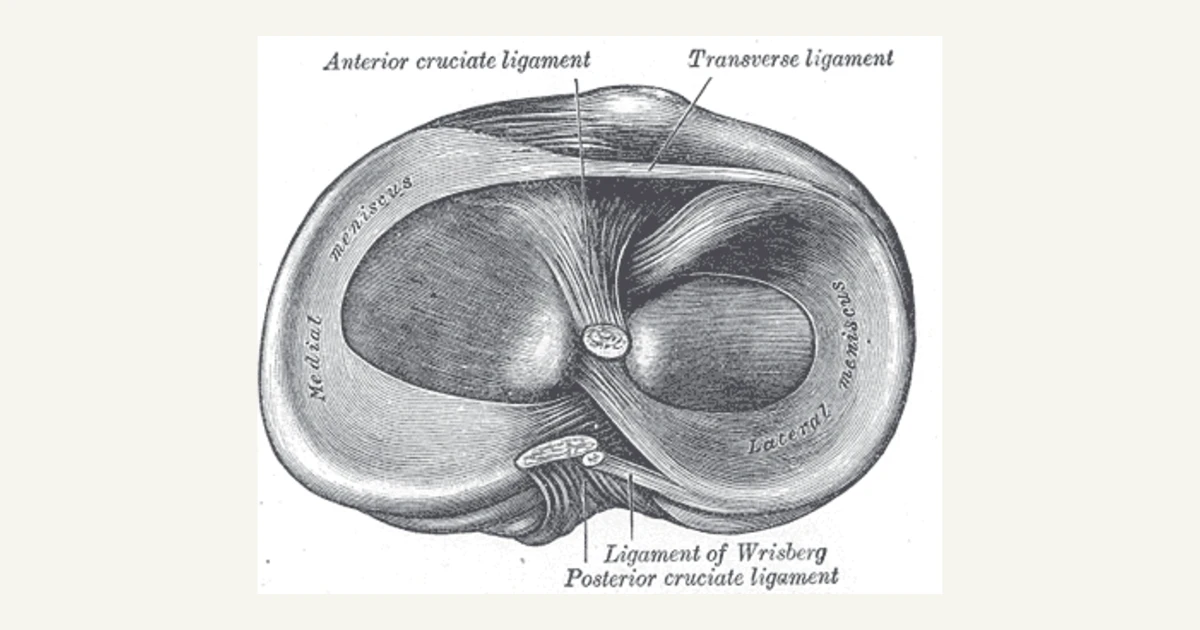
The knee joint is a complex structure that relies on smooth, gliding surfaces to move freely. Made of soft tissues, cartilage acts as a shock absorber and protects the underlying bone at the ends of your femur (thighbone) and tibia (shinbone). Damage to this cartilage often occurs from acute injury, overuse, age-related degeneration, and medical conditions such as rheumatoid arthritis and gout.
Causes of Knee Cartilage Injuries
Direct trauma and sports injuries are the top causes of ligament injuries in Singapore, including knee cartilage damage. We’ll elaborate on other common causes below:
- Acute Injury: A sudden impact, like a fall or a forceful twist during sports
- Chronic Wear and Tear: Over time, repetitive movements, especially in activities like running or jumping
- Obesity: Excess weight putting extra stress on the knee joints
- Inactivity: Going from inactivity to sudden bursts of activity
Types of Knee Cartilage Injury
There are two main types of knee cartilage damage worth noting.
Meniscus Tear
These crescent-shaped pieces of cartilage act as wedges between the thighbone and shinbone, providing stability and cushioning.
A tear in the meniscus can occur from sudden twisting or pivoting motions, often seen in sports injuries. This can happen alongside other knee injuries, such as anterior cruciate ligament (ACL) tears.
Articular Cartilage Injury
This smooth, white tissue covers the ends of the bones in your knee joint, allowing for pain-free movement.
Articular cartilage injuries often occur from repetitive activities, age-related degeneration, or underlying medical conditions. These can range from minor tears to complete degeneration, and the cause can influence the severity and treatment options.
Knee Cartilage Lesions
Other causes of damaged knee cartilage include full-thickness and partial-thickness lesions, which reach the underlying bone or partway into the articular cartilage, respectively.
Partial-thickness lesions affect only a portion of the cartilage, while full-thickness lesions breach the entire depth of the cartilage, creating a direct contact point between bone surfaces.
Symptoms of Knee Cartilage Injury
Damaged knee cartilage can lead to painful symptoms, knee pain swelling being the most common. You might experience this when bearing weight, walking downstairs, or squatting. The affected knee joint may become swollen due to inflammation.
Additionally, you might also feel knee joint stiffness, particularly in the morning or after prolonged sitting. Difficulty bending or fully straightening the knee is also a common concern. In some cases, the knee may lock or catch during movement.
Diagnosing Knee Cartilage Injury
To diagnose knee cartilage injuries, your doctor will perform a physical examination, evaluating your knee joint for pain, swelling, and range of motion. For more complicated instances, your doctor may use imaging tests like X-rays or magnetic resonance imaging (MRI) to get a clearer picture of the damage.
Long-Term Effects of Knee Cartilage Injury
Left untreated, knee cartilage injuries can lead to long-term complications. Damaged cartilage can’t repair itself due to its limited blood supply. This can lead to persistent pain, joint instability, and reduced range of motion. Eventually, knee cartilage injuries lead to knee osteoarthritis, a degenerative condition causing significant pain and stiffness, especially for injuries wider than a centimeter.
Treatment for Knee Cartilage Injury
The treatment for knee cartilage injuries depends on the severity of the damage and your overall health. Generally, treatment focuses on pain relief, reducing inflammation, maintaining knee joint stability, and promoting healing. Physical therapy is typically the first line of treatment that offers these services.
Physiotherapy for knee pain in Singapore is a widely used treatment, including pain caused by cartilage injuries. Phoenix Rehab physiotherapists are skilled healthcare professionals who can create a personalised treatment plan to address your specific needs. This plan may incorporate conservative therapy techniques to reduce stiffness and maintain knee joint stability, among others.
Before delving into physiotherapy methods for knee cartilage injuries, let’s discuss two main treatment categories.
Non-Surgical Treatments
These approaches focus on managing pain, reducing inflammation, and promoting healing without surgical repair. Below are some common non-surgical treatments.
- Rest, Ice, Compression, and Elevation (RICE): Foundational approach often recommended immediately after an injury
- Physical Therapy: A cornerstone of non-surgical treatment, involving personalised exercise programs designed to strengthen surrounding muscles
- Pain relief and anti-inflammatory medication are a decision for your doctor or pharmacist.
Surgical Treatment
Depending on the severity and location of the cartilage damage, surgery may be necessary for repair or replacement. Below are some common surgical options.
- Arthroscopic Microfracture Techniques: Minimally invasive procedure that uses arthroscopy
- Autologous Chondrocyte Implantation (ACI): Involves harvesting healthy cartilage cells from a less critical area of your knee for implant and cartilage regeneration
- Osteochondral Autograft Transfer Techniques (OATS): Similar to ACI, OATS utilises a healthy cartilage plug transplanted to the damaged spot
- Resurfacing Procedures: For severe knee cartilage damage which involves replacing the damaged joint surfaces with implants made of metal or plastic
An orthopedic surgeon will determine the most appropriate treatment approach for your specific case.
What You Can Do at Home
Several things can be done at home to manage knee cartilage injuries and promote healing. This includes:
- Maintaining a healthy weight
- Physical therapy post-treatment methods
- Ice therapy
- Anti-inflammatory medications
- Targeted exercises recommended by your physiotherapist
- Using a brace to support the knee joint
Physiotherapy for Knee Cartilage Injury

To manage knee pain following a knee cartilage injury, a personalised physiotherapy program will mostly focus on these methods.
- Manual Therapy Techniques: Massage, joint mobilization, soft tissue mobilization, and similar techniques can help reduce pain, improve circulation, and promote healing.
- Modalities: Ultrasound therapy, electrical stimulation (e-stim), and cryotherapy (ice therapy) can be used to manage pain and inflammation.
- Functional Strengthening: Exercises that mimic your daily activities or specific sport movements are gradually introduced to help you return to your desired level of function.
- Range of Motion Exercises: These exercises help maintain flexibility and prevent stiffness, such as gentle stretching and joint mobilization.
- Balance Exercises: Improving balance reduces the risk of falls that could further damage the knee.
- Proprioception Training: Exercises that retrain your body’s awareness of the knee joint’s position in space, leading to better control and movement.
- Gait Training: Your physiotherapist will assess your walking pattern and identify any abnormalities that might be contributing to knee pain.
- Education and Self-Management: Understand specific injury, the healing process, and what to expect during rehabilitation.
Recovery Time for Knee Cartilage Injury
Minor knee cartilage injuries usually take 6-8 weeks to recover with physical therapy intervention. Surgery bumps that time up, with procedures like meniscus repairs taking more than 3 months, and 9 months for articular cartilage repairs. Some more serious cases reach up to 18 months.
Knee Cartilage Injury Prevention
You’ll need healthy knees to remain active. To prevent injuries in the knee cartilage (or recurrence), develop strong muscles in the knee using targeted exercises, taking pressure off the cartilage itself. When performing those, keep a proper form, even when just walking to prevent your knees from absorbing unnecessary stress. Choose footwear specifically designed for these activities.
Finally, consider low-impact exercises like swimming or cycling. These keep you fit while minimizing stress on your knee joints.
Conclusion
Knee cartilage injuries can be painful and debilitating. Early diagnosis and appropriate treatment are crucial for managing pain, promoting healing, and preventing long-term complications. By following a treatment plan that may include physical therapy, medication, or even surgery, and incorporating preventive measures into your lifestyle, you can regain optimal knee function and enjoy an active life.
Where are you with this right now?
1. It is settling on its own
Most knee pain that started with a specific moment settles over six to twelve weeks. Swelling that comes and goes with activity, and an ache after a long day, are usual in that window. If it is improving month on month and you can walk, take stairs and sleep, it is behaving normally. You do not need us for this, and we would rather say so.
2. It has stopped improving
You go down stairs one leg at a time. You have stopped squatting to pick things up. You test it before you trust it.
What our patients say
Google reviews from our clinics in Singapore.


Pain settling is the first thing that happens, not the last. Quadriceps strength is the last thing to come back, and it does not come back on its own. That is the gap worth measuring, and it is not measured by how you feel on the day.
The Stalled Recovery Review is three appointments over three weeks with the same therapist, because what a joint does under load cannot be read in one visit. The first finds what is limiting it. The next two measure how it responds. $690, nett, no GST, which is three appointments at $230.
3. You have had surgery, or you have a date
Recovery after an operation has a shape, and knowing which stage you are in tells you whether you are on it. See the ACL Reconstruction Recovery Program, or knee physiotherapy if you are not sure which applies to you.
All of it runs on the same four stages. The Phoenix Recovery Protocol explains what each stage works on and what you have to meet to move up. No referral needed to start.
Next step
Find out which stage you are in
Pain is the first thing to leave. Movement and strength are the last things trained back, and most people stop before that part is done. One Assessment and Treatment is a single 45-minute appointment at $230, nett, no GST. Your therapist finds what is actually limiting you, treats it in the same appointment, and you leave with your current stage and a written plan.
Prefer to phone? Each of our five clinics has its own number on the clinics page. No referral needed to book.
Related reading
- physiotherapy after surgery
- knee physiotherapy
- Outer Knee Pain That Starts at the Same Point Every Run
- Chondromalacia Patella: What That Diagnosis Really Means for Your Knee
- Knee Osteoarthritis and Total Knee Replacement: What Actually Helps
- The Phoenix Recovery Protocol, and the four stages
- All recovery programs, hand and physio
- How to Recover from a Posterior Cruciate Ligament Injury
Where we are
Clinics across Singapore
ORCHARD
400 Orchard Road #12-12
Orchard Towers, S238875
NS22 Orchard MRT
Physiotherapy and hand therapy in Orchard →
WhatsApp 8800 1830TAMPINES
9 Tampines Grande #01-20
Asia Green, S528735
EW2DT32 Tampines MRT
Physiotherapy and hand therapy in Tampines →
WhatsApp 8780 9608SERANGOON
265 Serangoon Central Drive #04-269
S550265 · Lift C only
NE12CC13 Serangoon MRT
Physiotherapy and hand therapy in Serangoon →
WhatsApp 8892 4121TANJONG PAGAR
10 Anson Road #02-77A
International Plaza, S079903
EW15 Tanjong Pagar MRT
Physiotherapy and hand therapy in Tanjong Pagar →
WhatsApp 8227 7074JURONG EAST
2 Venture Drive #02-02
Vision Exchange, S608526
NS1EW24 Jurong East MRT
Opening 25 October 2026
Physiotherapy and hand therapy in Jurong East →
WhatsApp 8242 7340