
Physiotherapy after surgery · Singapore
Hip Fracture Recovery Program
Written by Ching Yee and Fairuuz Saleh, Principal Physiotherapists at Phoenix Rehab.Clinically reviewed by Louise Yow, Principal Physiotherapist & Director, AHPC A1300363H.Last reviewed 5 October 2026.
The operation fixes the bone in an afternoon. The weeks after the fall take the leg muscle, and that part is not fixed in the operating room.
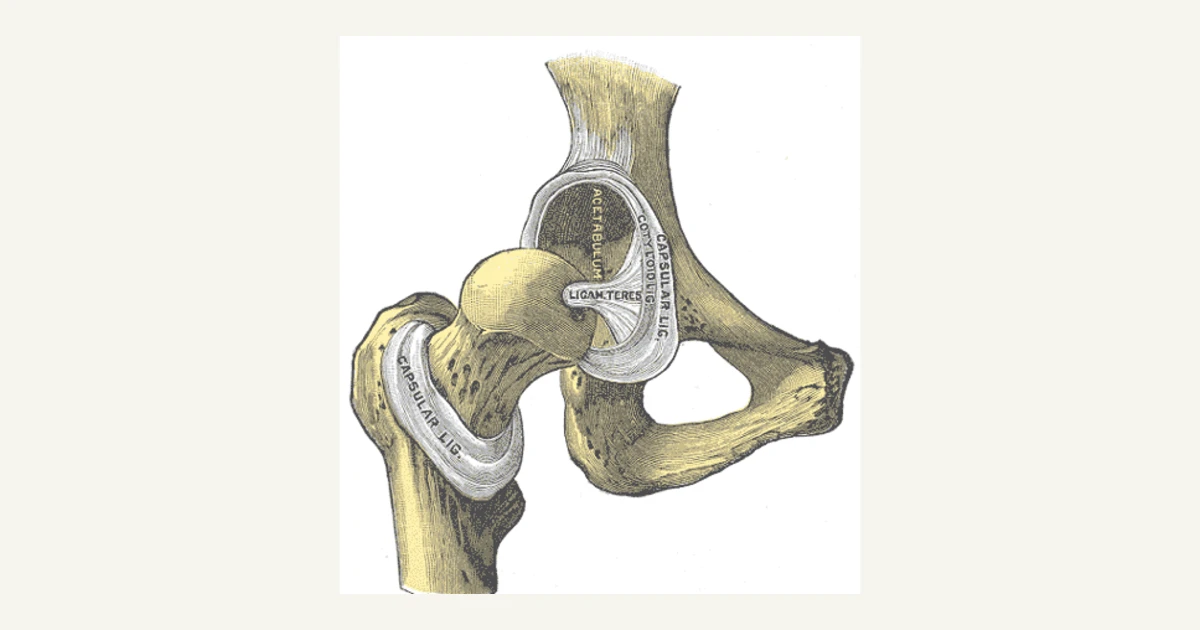
Most hip fractures happen to people over 65, after a fall at home. Almost all are operated on, usually within a day or two of admission, with screws, a nail, a plate, or a new half or whole hip joint, and most people are allowed to stand on the leg the day after surgery. What physiotherapy works on is not the metalwork. It is leg strength, balance, and the confidence to walk out of the front door again. This program is run by our physiotherapy team.
No referral needed. Every first visit is one 45-minute Assessment & Treatment, $230, nett, no GST. Bring the hospital discharge summary if you have it. Family members are welcome in the room.
Where are you right now?
Four situations we see
- Just home from hospital, walking with a frame. Getting in and out of bed, the toilet and the shower safely is the whole job this month, and the frame is doing work the leg cannot yet do.
- Moved to a stick, and walking only inside the flat. This is where many people stop. The corridor, the lift and the coffee shop downstairs are the next test, and they are a strength and balance question.
- Walking, but slower, and frightened of falling again. Fear of falling is common after a hip fracture and it shrinks the day. It is measured, and it is trained, alongside strength.
- You are the son or daughter, reading this for a parent. You have noticed they sit more than before the fall. The questions below are the ones to ask, and you are welcome at the appointments.
What the fall costs
Why walking does not come back on its own
Short answer: the days in bed, the pain and the fear all cost leg muscle, and the thigh and hip muscles are what get you out of a chair and steady on your feet. Walking around the flat does not load them enough to rebuild them. Strength and balance have to be trained on purpose, and they are measurable.
National guidance in the UK asks for rehabilitation to start no later than the day after hip fracture surgery and to continue after discharge (NICE quality standard QS16). In practice, hospital stays are short, and much of the recovery happens after the hospital part is finished.
Your doctor checks bone strength and whether medication is needed to protect against another fracture. We work on the falls side: strength, balance and the home.
The tests are simple. How long it takes to stand up from a chair five times with arms crossed. How fast you walk over six meters. How long you can stand with one foot in front of the other. They are the same tests behind our muscle loss and strength assessment, and they tell you and your family more than “she seems a bit better”.
Usually expected, and what is not
Is this normal after a hip fracture?
Usually expected
- Bruising down the thigh, and an ache in the thigh or groin for several weeks.
- Tiredness out of proportion to what you did, for the first weeks at home.
- A limp, and needing the frame or stick for longer than hoped.
- Swelling of the leg by the evening that goes down overnight with the leg raised.
Call 995 for sudden breathlessness or chest pain, sudden confusion with a drooping face, slurred speech or a weak arm, or after another fall where the person cannot get up or has hit their head.
Go to the emergency department now if, after a new hip joint, there is sudden severe hip pain with a clunk, the leg looks shorter or turned, or weight cannot be taken on it at all. These can mean the new joint has dislocated.
See a doctor the same day
- A painful, swollen or hot calf, or swelling of the whole leg that does not go down overnight, or one leg clearly bigger than the other. This is a blood clot question.
- Wound discharge, spreading redness or fever.
- New confusion or drowsiness that is out of character.
If it is not going to plan
Three months after a hip fracture and walking less than before the fall? What that usually means
She walks to the toilet and back. She has stopped going down for breakfast with her friends. She holds the furniture as she crosses the living room, and she says she is fine.
The usual plan is to wait, on the belief that walking will come back as the hip settles. By three months the fracture has usually healed. What is usually missing is thigh strength and balance, and both can be counted: chair stands, walking speed, standing balance. A number that has not moved in a month is the finding.
The Stalled Recovery Review is three appointments over three weeks with the same therapist, because how strength and balance respond to training cannot be read in one visit. $690, nett, no GST.
The shape of it
What happens, week by week
Most people stand on the leg the day after surgery, with a frame. The weeks below are the common shape after discharge. Your surgeon’s instructions on weight and any hip precautions take precedence.
- Weeks 0 to 4Stage 1 · Calm & ProtectWalking with a frame as allowed, safe transfers at home, swelling and pain managed, and any hip precautions followed.
- Weeks 4 to 8Stage 2 · Move & MobilizeFrom frame to stick, hip and knee range, and stairs and curbs with a rail.
- Weeks 8 to 16Stage 3 · Rebuild & StrengthenThigh and hip strength, standing balance, and walking further without the stick where that is safe.
- Months 4 to 6Stage 4 · Return & PerformOutdoor walking, buses and the MRT, getting down to and up from the floor, and what the person did before the fall.
The weeks are typical ranges, not a promise. You move up a stage when you meet its criteria, and your surgeon’s protocol takes precedence over anything on this page.
The program
The four stages, and what moves you up
- Stage 1, Calm & Protect. The repair protected exactly as your surgeon allowed, safe transfers, and walking with the right aid.
Move up when: you get in and out of bed, a chair and the toilet without help, and walk inside the home with your aid. - Stage 2, Move & Mobilize. Hip and knee range, walking pattern, and stairs.
Move up when: you walk indoors with a stick or without an aid, and manage a flight of stairs with a rail. - Stage 3, Rebuild & Strengthen. Leg strength and balance, trained progressively and counted.
Move up when: five chair stands, walking speed and standing balance are recorded and improving, and you can walk outdoors for ten minutes. - Stage 4, Return & Perform. The person’s own goals: the market, the bus, the grandchildren, the floor.
Graduate when: the goals named at the first appointment are tested and done, and a home exercise plan is in place to keep the strength.
Measured at your first appointment and again at graduation: the Timed Up and Go test, five chair stands in seconds, walking speed over six meters, standing balance, and fear of falling (the Short FES-I questionnaire).
Logistics
When can I…
Your surgeon decides, based on the repair. These are typical points, not permissions.
| Activity | Typical point | What has to be true first |
|---|---|---|
| Walk with a frame | The day after surgery | Your surgeon has allowed weight on the leg. |
| Walk with a stick | 4 to 8 weeks | Steady with the frame, and Stage 2 has started. |
| Shower standing | 2 to 6 weeks | Wound healed, a rail or shower chair in place, and steady on your feet. |
| Take the bus or MRT | 4 to 6 months | Walking outdoors comfortably, and managing steps and a moving vehicle. |
| Drive | 6 to 8 weeks or later | Your surgeon’s clearance, and able to brake hard. Check your insurer. |
| Medical certificate | Your doctor issues it | Physiotherapists do not issue MCs. We can write a report on functional limits for the doctor or employer. |
Who you will see
The physiotherapy team that runs this program
This program is run by the physiotherapy team. You are matched to the therapist whose declared clinical interest fits what happened to you and the clinic that suits you, and you stay with the same therapist through the program. Every appointment is one to one with your therapist for the full 45 minutes. All are registered with the Allied Health Professions Council.


Principal Physiotherapist. Shoulder and knee problems, spinal dysfunction, sports injury.
Orchard, Tampines
What our patients say
Google reviews from our clinics in Singapore.


Principal Physiotherapist. ACL reconstruction and return to sport, hip and knee rehabilitation.
Tampines

Principal Physiotherapist. Achilles tendinopathy, rotator cuff injury and repair, shoulder stiffness.
Orchard, Tampines, Jurong East

Principal Physiotherapist. Knee and hip replacement recovery, neck and shoulder pain, dry needling.
Tanjong Pagar, Jurong East
The program belongs to Phoenix, not to one therapist. Your plan, your measurements and your surgeon’s protocol move with you if you change clinic.
What it costs
$230 per 45-minute appointment, nett, no GST
One to one with your therapist for the whole 45 minutes. Nett, no GST. Same price for your first appointment and your last. The Hip Fracture Recovery Program is set at 12 appointments across Stages 1 to 4, $2,760 in all. Your therapist confirms the plan at the first visit, and you pay for each appointment as you attend it. Appointments are at our clinics.
This program runs Stages 1 to 4 of the Phoenix Recovery Protocol, and sits under physiotherapy after surgery alongside the rest of our recovery programs.
Prefer to phone? Each of our five clinics has its own number on the clinics page. No referral needed to book.
Related reading
Timeframes on this page are typical ranges, not promises. Where your surgeon has given you a protocol, that protocol takes precedence over anything written here.
Where we are
Clinics across Singapore
ORCHARD
400 Orchard Road #12-12
Orchard Towers, S238875
NS22 Orchard MRT
Physiotherapy and hand therapy in Orchard →
WhatsApp 8800 1830TAMPINES
9 Tampines Grande #01-20
Asia Green, S528735
EW2DT32 Tampines MRT
Physiotherapy and hand therapy in Tampines →
WhatsApp 8780 9608SERANGOON
265 Serangoon Central Drive #04-269
S550265 · Lift C only
NE12CC13 Serangoon MRT
Physiotherapy and hand therapy in Serangoon →
WhatsApp 8892 4121TANJONG PAGAR
10 Anson Road #02-77A
International Plaza, S079903
EW15 Tanjong Pagar MRT
Physiotherapy and hand therapy in Tanjong Pagar →
WhatsApp 8227 7074JURONG EAST
2 Venture Drive #02-02
Vision Exchange, S608526
NS1EW24 Jurong East MRT
Opening 25 October 2026
Physiotherapy and hand therapy in Jurong East →
WhatsApp 8242 7340