
Written by Zita Sham, Fairuuz Saleh and Shiv Mohan Banka, Principal Physiotherapists at Phoenix Rehab.Clinically reviewed by Nigel Chua, Founder and Clinical Director, Registered Occupational Therapist, AHPC A1300362Z.Last reviewed 2 October 2026.
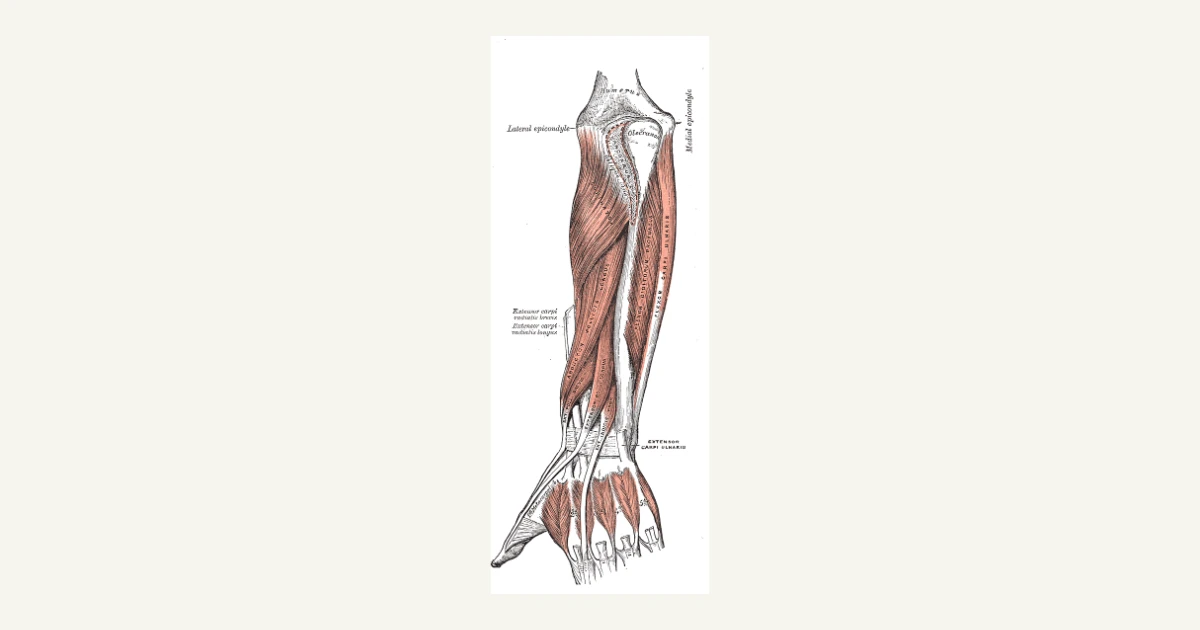
Elbow lateral collateral ligament (LCL) strains or tears are those that damage the soft tissue in our elbow’s lateral collateral ligament complex (LCLC).
The LCLC consists of four ligaments, of which, only two are typically referred to as the lateral collateral.
The four LCLC ligaments are:
- Radial collateral ligament (RCL), joins the lateral epicondyle of the humerus to the annular ligament below.
- Lateral ulnar collateral ligament (LUCL), connects the lateral epicondyle with the supinator crest of the ulna.
- Annular ligament (AL), also called orbicular ligament, encircles the tip of the radius, maintaining contact with the ulna and humerus.
- Accessory lateral collateral ligament (ALCL), joins the supinator crest with the lower margin of the annular ligament.
Usually, only the RCL and LUCL are called the lateral collateral ligaments of the elbow. An LCL strain may affect either one or both of these fibrous bands simultaneously.
LCL injuries generally occur due to repetitive stress that damages the inner tissues of the elbow joint. It is commonly seen in athletes and people who frequently play overhead sports, like basketball, baseball, and volleyball.
The condition is typically characterized by:
- Pain
- Numbness
- Swelling
- Locking or catching of the elbow.
The alternative names for LCL strains include:
- Tommy John Injury
- Little League Elbow Syndrome
- Thrower’s Elbow
- Ulnar collateral ligament (UCL) injury
- Radial collateral ligament injury
- External lateral ligament injury.
In the following article, we take an in-depth look at what LCL is and how it can become strained. We also discuss the symptoms of LCL tear and the treatment options available to people suffering from this type of elbow injury.
Let’s start with the basic question:
WHAT IS THE LATERAL COLLATERAL LIGAMENT?
Not to be confused with the knee lateral collateral ligament injury, the lateral collateral ligament of the elbow is a fan-shaped band of fibrous tissues located on the joint’s medial side. It originates at the medial epicondyle of the humerus and extends all the way to the proximal side of the ulna.
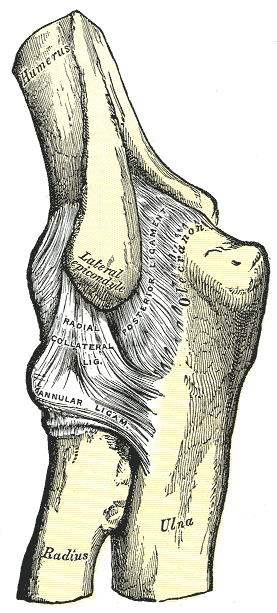
In other words, the LCL connects the inner side of your upper arm with the inside of your forearm.
Its main function is to ensure joint stability, particularly during rotational movement of the arm. The LCL ligament also braces your elbow against extreme pressure from external sources. It protects the joints from valgus stress and maintains a lateral-sided balance between the three main bones in your arm.
Daily activities rarely strain the LCL band.
However, prolonged use of the joint for certain motions, such as pushing and throwing can subject the ligament to laterally directed forces that can eventually cause it to rupture.
The LCL is also prone to damage due to direct trauma and forceful movement of the elbow into the varus position.
Elbow LCL injuries are often classified into three types:
- Grade 1. Minor pain and tenderness in the inner side of the forearm. Ligamentous integrity is maintained as less than 10% of the fibers are damaged. There may be minuscule or no tear in the soft tissues.
- Grade 2. There is a noticeable tear in the ligament and elbow joint laxity increases. Grade 2 LCL sprains are accompanied by major pain, swelling, and soreness along the medial side of the arm.
- Grade 3. Means the LCL is completely torn. Individuals experience joint immobility along with intense pain, bruising, and swelling near the elbow. A grade 3 LCL injury is likely to affect the surrounding cartilage, bony surfaces, and other structures in the elbow capsule as well.
Generally, people with grade 1 and 2 LCL strains are able to return to normal activities within 6 to 8 weeks. Treatment usually involves conventional techniques like bracing or taping, followed by physiotherapy.
However, individuals with grade 3 LCL rupture require a relatively long time period for complete rehabilitation. Nonetheless, with proper aftercare and compliance with physical therapy, it’s possible to play high-end sport within 12 to 16 months.
WHAT CAUSES ELBOW LCL STRAIN?
LCL injuries are most often caused by the overuse of the elbow joint.
Games and practices that involve repeated throwing motions or frequent stretching and contracting of the arm can overwork the ligaments, thereby causing them to tear.
Another leading cause of LCL injuries observed in the emergency department is falling on an outstretched hand.
LCL tears can also occur if you have fractured your elbow or have previously suffered a joint dislocation.
If left untreated, a minor LCL strain can gradually lead to severe complications.
This primarily includes the formation of bone spurs and scar tissue, which can further progress into neuropathy or nerve dysfunction.
SYMPTOMS OF ELBOW LCL STRAIN OR TEAR
People with a strained or torn elbow LCL band typically report a combination of the following symptoms:
- Pain in the elbow or along the medial side of the arm. Pain can be mild or severe, depending on the percentage of fibers that have been damaged.
- Reduced range of motion. You may have difficulty performing certain movements with the affected arm. Extending or bending your elbow may become extremely hard and painful.
- Tenderness. The elbow and inner side of the forearm may be sensitive to touch.
- Swelling. The affected area may swell immediately after the injury or the swelling may develop after continued use of a strained ligament.
- Numbness. You may feel a tingling sensation in the arm if the strained ligaments compress an underlying nerve in the joint capsule.
- Bruising. You may notice skin discoloration on the inner side of the elbow. This happens when the narrow blood vessels also get torn along with the ligament.
- Locking or catching. It might feel like your elbow gets stuck or will ‘give out’ if you try to move it at a certain angle.
- Loss of strength in the arm and elbow. Individuals with a severely torn LCL band may have trouble lifting even considerably lightweight objects, such as a racquet or a glass of water.
WHO IS AT RISK OF DEVELOPING LCL STRAIN OR TEAR?
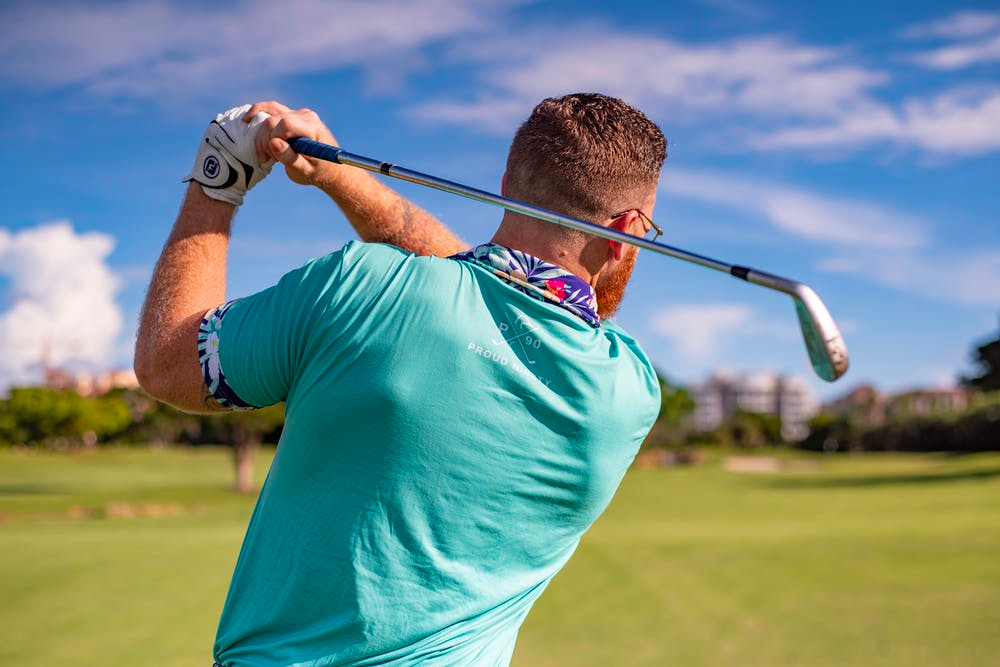
- Throwing athletes like javelin players, baseball pitchers, and lacrosse players are always at high risk of tearing their LCL tissues.
- People who frequently participate in racquet sports like tennis, badminton, golf, and squash are also likely to rupture their ulnar or radial collateral ligament at some point.
- Construction workers are susceptible to LCL injuries, especially if they use ill-fitted equipment or follow poor tool handling techniques.
- Overtraining at the gym or not performing proper warm-up exercises before a high-intensity workout can increase your chances of straining the LCL band.
- People who play football, soccer, and rugby are usually at high risk of straining their lateral collateral ligament as well. This is because of the likelihood of falls involved in the game.
Amateur or adolescent athletes in contact sports can easily suffer LCL injuries due to improper arm positions.
CONDITIONS SIMILAR TO ELBOW LCL STRAIN
Sometimes, the symptoms of elbow LCL injury can mimic the symptoms of other elbow and hand conditions. These include:
- Flexor tendinitis
- Ulnar neuritis
- Olecranon stress fracture
- Valgus extension overload/Pitcher’s elbow
- Posteromedial olecranon fossa impingement.
TREATMENT FOR ELBOW LCL STRAIN
If you have pain along the medial side of your elbow that doesn’t go away, it’s essential to see a doctor without delay. A physician will carefully examine the joint and may also do a medical scan (e.g. x-ray, MRI) to confirm if it’s a lateral collateral ligament injury.
Depending on the severity of the tear, they will determine a treatment plan. This can include a combination of the following:
- Non-steroidal anti-inflammatory medicines (NSAIDs) for pain control
- Using a brace or customized thermoplastic splint to stabilize the elbow and prevent further strain on the ligaments
- Elbow hand therapy or elbow physiotherapy to manage pain as well as improve joint strength and function
- Following the rest, ice, compression, elevate (RICE) regimen for speeding up recovery.
People with a torn or strained elbow LCL band generally do not require surgery.
However, in some cases, it may become necessary to follow an operative procedure if the tissues rupture in conjunction with a joint fracture or bone displacement. Elbow hand therapy or elbow physiotherapy will be crucial for postoperative pain management and proper joint recovery.
HOW PHYSIOTHERAPY CAN HELP PEOPLE WITH ELBOW LATERAL COLLATERAL LIGAMENT INJURY

Physical therapy is an important protocol for healing a strained or torn lateral collateral ligament in the elbow joint.
Our experienced therapists work closely with patients to prescribe the right exercises for their particular condition. The main aim is to ensure efficient recovery and help the individual regain healthy joint and muscle function.
What our patients say
Google reviews from our clinics in Singapore.



For this, we use a range of gentle mobility and flexibility moves. When done properly under the supervision of trained physiotherapists, this can gradually help you complete the full arc of motion without any discomfort. Treatment at a physical therapy center can also include alternative methods, such as:
- Electrotherapy such as ultrasound therapy
- Heat therapy
- Soft tissue massage
- Manual therapy
- Joint range of motion exercises
- Safe stretching
- Acupuncture
- Taping
- Joint strengthening.
Our master-level therapists and physical trainers in Phoenix Rehab Singapore can also educate you about proper throwing mechanics and help improve your arm coordination and balance techniques during sports, so you can avoid re-injury when you return to your favorite games.
Where are you with this right now?
1. It is settling on its own
Elbow tendon problems settle slowly, over months rather than weeks, and they respond to graded loading rather than to rest alone. If you can grip for longer than you could a month ago, it is responding. You do not need us for this, and we would rather say so.
2. It has stopped improving
You pour the kettle with the other hand. A full mug is a two-handed job. You have stopped carrying the shopping on that side.
A tendon that stops being provoked is not the same as a tendon that got stronger. One is avoidance, the other is capacity. That is the gap worth measuring, and it is not measured by how you feel on the day.
The Stalled Recovery Review is three appointments over three weeks with the same therapist, because what a joint does under load cannot be read in one visit. The first finds what is limiting it. The next two measure how it responds. $690, nett, no GST, which is three appointments at $230.
3. You have had surgery, or you have a date
Recovery after an operation has a shape, and knowing which stage you are in tells you whether you are on it. See the hand and elbow programs, or elbow physiotherapy if you are not sure which applies to you.
All of it runs on the same four stages. The Phoenix Recovery Protocol explains what each stage works on and what you have to meet to move up. No referral needed to start.
Next step
Find out which stage you are in
Pain is the first thing to leave. Movement and strength are the last things trained back, and most people stop before that part is done. One Assessment and Treatment is a single 45-minute appointment at $230, nett, no GST. Your therapist finds what is actually limiting you, treats it in the same appointment, and you leave with your current stage and a written plan.
Prefer to phone? Each of our five clinics has its own number on the clinics page. No referral needed to book.
Related reading
Where we are
Clinics across Singapore
ORCHARD
400 Orchard Road #12-12
Orchard Towers, S238875
NS22 Orchard MRT
Physiotherapy and hand therapy in Orchard →
WhatsApp 8800 1830TAMPINES
9 Tampines Grande #01-20
Asia Green, S528735
EW2DT32 Tampines MRT
Physiotherapy and hand therapy in Tampines →
WhatsApp 8780 9608SERANGOON
265 Serangoon Central Drive #04-269
S550265 · Lift C only
NE12CC13 Serangoon MRT
Physiotherapy and hand therapy in Serangoon →
WhatsApp 8892 4121TANJONG PAGAR
10 Anson Road #02-77A
International Plaza, S079903
EW15 Tanjong Pagar MRT
Physiotherapy and hand therapy in Tanjong Pagar →
WhatsApp 8227 7074JURONG EAST
2 Venture Drive #02-02
Vision Exchange, S608526
NS1EW24 Jurong East MRT
Opening 20 October 2026
Physiotherapy and hand therapy in Jurong East →
WhatsApp 8242 7340