
Written by Zita Sham, Fairuuz Saleh and Shiv Mohan Banka, Principal Physiotherapists at Phoenix Rehab.Clinically reviewed by Louise Yow, Principal Physiotherapist and Director, AHPC A1300363H.Last reviewed 28 September 2026.
Repeated motions from everyday tasks and habits can strain your nerves, muscles, and tendons over time. If overworked, these can develop strain injuries or worse, upper limb disorders.
This repeated strain causing repetitive stress injuries in the upper body is common among Singaporean households, with women in their 50s particularly more susceptible. Statistics underscore the importance of understanding and addressing the issue, even when it seems minor.

This article provides comprehensive guidance on recovering from repetitive strain or overuse injuries and implementing preventative measures. First, let’s understand how this particular condition occurs and how repetitive use can impact your daily life.
What Is a Repetitive Strain Injury (RSI)?
A repetitive strain injury, also known as a repetitive stress injury, is a condition that occurs when you repeatedly use the same muscles, tendons, and nerves over long periods. These repetitive motions can cause inflammation and pain in the affected area. In short, RSIs are the body’s response to overuse.
RSIs are often occupational injuries related to repetitive tasks, but they can also stem from sports, housework, or even daily activities. This broadens the scope of individuals susceptible to RSIs beyond the traditional workplace setting. Read on to learn more about its common triggers.
Common Causes of Repetitive Strain Injuries
Numerous activities contribute to the development of RSIs. Repetitive tasks at work, such as typing, using a mouse, or assembling products, frequently strain the same muscles and tendons. Maintaining the same posture for a long period or performing tasks in an uncomfortable position worsens it.

Similarly, sports involving repetitive motions, like tennis or golf, can also lead to RSIs. Even everyday actions such as gardening, cleaning, or playing a musical instrument can strain your body and result in an RSI.
Essentially, any activity that involves repetitive use or motions can strain your upper body and put it at risk for RSI. Below are several other causes commonly reported as culprits when done repeatedly:
- Lifting heavy objects
- Carrying on activities without proper rest
- Poor work posture
- Unorganized work environment
Which Body Parts Are Injured Most?
Knees often bear the brunt of repetitive strain, particularly in occupations requiring frequent kneeling, squatting, or lifting. However, RSIs commonly affect other body parts.
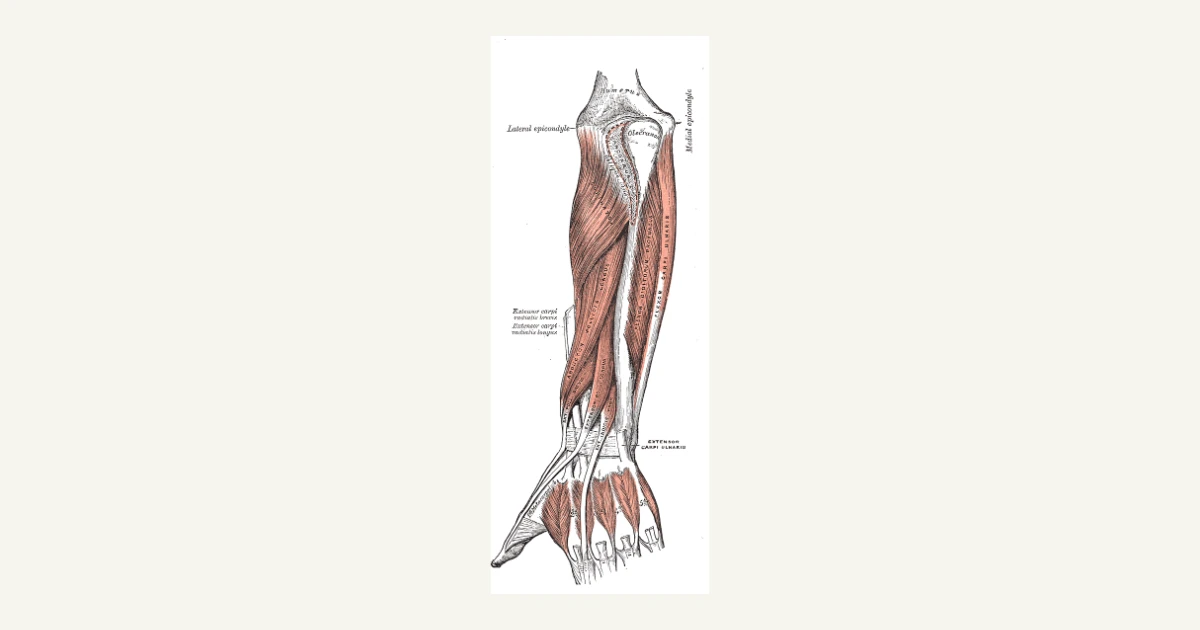
The wrists, hands, and arms are particularly vulnerable due to the numerous repetitive movements they undergo. This includes conditions like carpal tunnel syndrome, which compresses the median nerve in the wrist, and tennis elbow.
Furthermore, the shoulders, neck, and back are no exceptions. They are also susceptible to RSIs from prolonged sitting, poor posture, or overhead activities. Any part of the body subjected to repetitive stress can be at risk for an RSI. The most commonly affected areas usually provide an understanding of the right targeted prevention and treatment strategies.
What Can RSI Lead To?
If left untreated, RSIs can lead to severe pain, reduced mobility, and a decreased ability to perform daily tasks. In some cases, RSIs can progress to chronic pain conditions, affecting your overall quality of life. Additionally, untreated RSIs may require more invasive treatments, such as surgery, which carries its own risks.
Types of Repetitive Strain Injuries
There are various types of RSIs, each affecting different parts of the body. Likewise, each type presents unique symptoms:
Carpal Tunnel Syndrome
This is a common wrist condition caused by the compression of the median nerve within the wrist. This compression leads to symptoms such as pain, numbness, and tingling in the hand and fingers.
Tennis Elbow & Golfer’s Elbow
These two both impact the elbow. Tennis elbow (lateral epicondylitis) involves pain on the outer side of the elbow, typically caused by repetitive backhand motions. Golfer’s elbow (medial epicondylitis), on the other hand, affects the inner side and is often associated with gripping or throwing motions.
Tendinitis
This is a common RSI characterised by inflammation of the tendons, the tough connective tissues that attach muscles to bones. It can occur in various parts of the body, including the shoulder, elbow, wrist, and knee.
Bursitis
This is another type of RSI that involves inflammation of the bursae, fluid-filled sacs that cushion joints. This condition often causes pain and stiffness in the affected area.
Muscle Strains
Strains in affected muscles occur when muscles are overstretched or torn. While they can result from sudden injuries, repetitive motions can also contribute to muscle strains.
These are just a few examples of RSIs, and many other variations and combinations make up these conditions. Knowing the type of repetitive strain injury helps determine the proper treatment.
Who Are Most Prone to Repetitive Strain Injuries?
People engaged in occupations requiring repetitive motions, such as office workers, factory workers, and musicians, are at a higher risk of developing RSIs. Athletes participating in sports with repetitive movements are also susceptible. Additionally, people with poor posture, those who maintain a fixed position for extended periods, and individuals who exert excessive force during activities are more likely to experience these injuries.
Symptoms of Repetitive Strain Injuries
Pain related to RSI can manifest in various ways. Initial symptoms of repetitive strain injuries often include aching or throbbing pain, gradually increasing in intensity. Below are other physical signs:
- Burning sensation accompanied by tingling or numbness
- Stiffness leading to reduced flexibility and difficulty moving the affected area
- Weakness or loss of strength in the muscles
- Visible swelling in the inflamed area
- Reduced grip strength affecting the hands and wrists
The symptoms may only appear after activity, but as the condition worsens, they may occur even at rest.
How Are Repetitive Strain Injuries Diagnosed?
To accurately diagnose an RSI, healthcare providers typically employ a comprehensive approach. This involves a thorough medical history, a detailed physical examination, and, in some cases, diagnostic imaging.
Type 1 RSIs are primarily musculoskeletal disorders characterised by inflammation and swelling in specific muscles or tendons. Doctors diagnose this type based on a patient’s medical history, occupation, and physical examination findings.
Type 2 RSIs are more complex and often involve nerve damage. These conditions can be challenging to diagnose as they might not present with specific physical signs. In such cases, imaging studies like X-rays, MRIs, or ultrasounds can help rule out other conditions. Additionally, nerve conduction studies may be necessary to assess nerve function and confirm a nerve-related RSI.
How Are Repetitive Strain Injuries Treated?
Most RSIs can be effectively managed without surgery. Non-surgical treatments often include:
- Rest, ice, compression, and elevation (RICE)
- Over-the-counter pain relievers
- Nonsteroidal anti-inflammatory drugs (NSAIDs)
- Physical therapy
Physical therapy is a well-rounded treatment. Skilled physiotherapists, such as those at Phoenix Rehab develop personalised and non-invasive treatment plans to strengthen muscles, improve flexibility, and teach proper body mechanics. This can significantly reduce pain and prevent future strain injuries.
Corticosteroid injections are usually reserved for short-term relief and are not a long-term solution.
Surgery
If conservative treatments fail to alleviate symptoms, your doctor may consider surgery. Surgical options vary depending on the specific RSI. For example, carpal tunnel syndrome often requires surgery to release pressure on the median nerve.
How Long Do Repetitive Strain Injuries Take to Heal?
Recovery time for RSIs depends on the severity of the injury and individual factors. Mild cases may heal within a few weeks, while more severe injuries may require up to six months of treatment and rehabilitation.
Physiotherapists for knee pain in Singapore can help you with the recovery and rehabilitation process. Their tailored programs include manual therapy, targeted exercises, and post-treatment education for a smooth recovery process.
What You Can Do at Home
In addition to rest, ice, compression, and elevation or RICE and over-the-counter pain relievers, you can take several steps at home to manage RSI symptoms.
Regular stretching and strengthening exercises can help prevent stiffness and improve flexibility. Using ergonomic equipment at work and home can reduce strain on your body. Taking short breaks from repetitive activities and changing positions frequently can also help.
When to Contact Your Doctor
It’s essential to consult your doctor if you experience persistent pain, numbness, or weakness in any part of your body. If your symptoms worsen despite self-care and other measures, or if you suspect an underlying medical condition, seek professional evaluation.
What our patients say
Google reviews from our clinics in Singapore.



How Can I Prevent Repetitive Strain Injuries?
Preventing RSIs involves making lifestyle modifications and adopting good work habits. When at work:
- Maintain correct posture
- Take regular breaks
- Vary your activities
- Stretch in regular intervals
- Make ergonomic adjustments
- Avoid forceful exertions and prolonged static positions
When at home doing chores:
- Use proper lifting techniques
- Take breaks and do regular stretches
- Vary household chores
- Use ergonomic tools (long handles)
- Pause or stop work when feeling pain in the joints
Conclusion
Repetitive strain injuries build up gradually. The pain and discomfort may seem mild and minor at first, but risks could be higher if not addressed with proper prevention or treatment strategies. Early intervention and proper care can help injured individuals recover fully. Work with skilled physical therapists for RSI management offering effective strategies to reduce pain, improve function, and prevent recurrence.
Where are you with this right now?
1. It is settling on its own
Most injuries and most flare-ups settle over weeks with sensible load management and a return to normal movement. Improvement is judged over a month, not over a day, and good days and bad days inside that are usual. If you are doing more this month than last, and sleeping better, it is behaving the way it should. You do not need us for this, and we would rather say so.
2. It has stopped improving
You have adapted without noticing. The other side takes the load, you plan movements you used to make without thinking, and you have quietly dropped things you used to do.
Pain is the first thing to leave. Movement and strength are the last things trained back, and most people stop before that part is done. That is the gap worth measuring, and it is not measured by how you feel on the day.
The Stalled Recovery Review is three appointments over three weeks with the same therapist, because what a joint does under load cannot be read in one visit. The first finds what is limiting it. The next two measure how it responds. $690, nett, no GST, which is three appointments at $230.
3. You have had surgery, or you have a date
Recovery after an operation has a shape, and knowing which stage you are in tells you whether you are on it. See the recovery programs, hand and physiotherapy, or the four stages and what each one works on if you are not sure which applies to you.
All of it runs on the same four stages. The Phoenix Recovery Protocol explains what each stage works on and what you have to meet to move up. No referral needed to start.
Next step
Find out which stage you are in
Pain is the first thing to leave. Movement and strength are the last things trained back, and most people stop before that part is done. One Assessment and Treatment is a single 45-minute appointment at $230, nett, no GST. Your therapist finds what is actually limiting you, treats it in the same appointment, and you leave with your current stage and a written plan.
Prefer to phone? Each of our five clinics has its own number on the clinics page. No referral needed to book.
Related reading
Where we are
Clinics across Singapore
ORCHARD
400 Orchard Road #12-12
Orchard Towers, S238875
NS22 Orchard MRT
Physiotherapy and hand therapy in Orchard →
WhatsApp 8800 1830TAMPINES
9 Tampines Grande #01-20
Asia Green, S528735
EW2DT32 Tampines MRT
Physiotherapy and hand therapy in Tampines →
WhatsApp 8780 9608SERANGOON
265 Serangoon Central Drive #04-269
S550265 · Lift C only
NE12CC13 Serangoon MRT
Physiotherapy and hand therapy in Serangoon →
WhatsApp 8892 4121TANJONG PAGAR
10 Anson Road #02-77A
International Plaza, S079903
EW15 Tanjong Pagar MRT
Physiotherapy and hand therapy in Tanjong Pagar →
WhatsApp 8227 7074JURONG EAST
2 Venture Drive #02-02
Vision Exchange, S608526
NS1EW24 Jurong East MRT
Opening 20 October 2026
Physiotherapy and hand therapy in Jurong East →
WhatsApp 8242 7340