
Written by Zita Sham, Fairuuz Saleh and Shiv Mohan Banka, Principal Physiotherapists at Phoenix Rehab.Clinically reviewed by Louise Yow, Principal Physiotherapist & Director, AHPC A1300363H.Last reviewed 4 October 2026.
It’s well-established that shoulder injuries being one of the most common injuries in powerlifting, particularly due to the demands of the bench press, which is one of the three main powerlifting exercises.
Although the real aetiology is unclear, it’s suspected that training loads and training techniques are some of the main culprits as to why powerlifters are experiencing shoulder pain or injury to other parts of the body.
In this article, we will explore why bench press can lead to shoulder pain and injury and provide tips, exercises, and strategies to help you keep pressing while the shoulder settles.
How Can a Bench Press Exercise Lead to Shoulder Pain and Injury?
The bench press is a popular exercise for strengthening the chest, shoulders, and arms. However, incorrect form or overuse can lead to shoulder pain and injury. Here are possible reasons why you’re experiencing shoulder pain during the bench press exercise:
Not Observing the Proper Bench Press Form
It’s crucial to maintain the correct body alignment throughout the exercise. This means keeping your feet firmly planted on the floor, your lower back slightly arched, and your shoulder blades retracted and squeezed together. Make sure to also look out for your starting position before lowering the bar, as it determines the muscles that will be recruited more or less intensely.
Neglecting these key aspects of proper form can place unnecessary stress on your shoulders, leading to pain and potential injury.
Improper Grip Width
A grip that is too narrow or too wide can strain the shoulders and lead to discomfort. The ideal grip width varies depending on an individual’s body structure and preference.
Experiment with different grip widths to find the one that feels most comfortable for you. It should allow you to maintain a stable and controlled movement throughout the exercise.
Pushing Beyond Your Optimal Range of Motion
It’s important to know your body’s limits and avoid going beyond what feels comfortable. Lowering the barbell too far down puts excessive stress on the shoulders and can lead to pain and injury. Find the range of motion where you can maintain proper form and execute the exercise without strain or discomfort.
Muscle Imbalance
Muscle imbalances can also contribute to shoulder pain during bench press. When certain muscles are stronger than others, it can affect the stability of the shoulder joint, leading to pain and discomfort. To address muscle imbalances, it is essential to incorporate exercises that target the weak muscles.
Joint Dysfunction
If the shoulder joint is not functioning optimally, it can lead to pain and a limited range of motion. Seek the help of a qualified physiotherapist or sports therapist to assess and address any joint dysfunction you may have. They can provide you with targeted exercises and stretches to improve joint mobility and reduce the risk of pain and injury during bench press.
What to Change Before Your Next Bench Press
Now that we have identified the common causes of shoulder pain during bench presses let’s discuss some tips to help reduce shoulder pain during bench presses:
Perform Strengthening Rotator Cuff Exercises
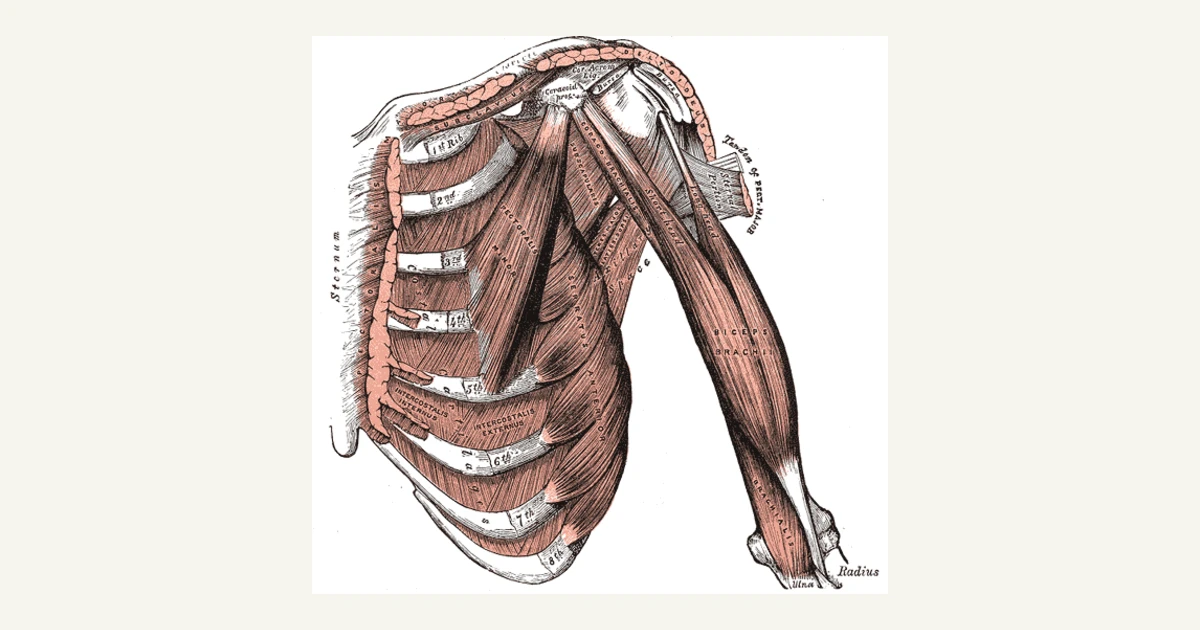
Strengthening the rotator cuff muscles can help stabilize the shoulder joint and prevent pain during bench press. Incorporate exercises such as external rotations, internal rotations, and scapular retractions into your workout routine. These exercises help prevent a rotator cuff injury by strengthening the shoulder muscles and improving the stability and mobility of the shoulder joint.
Find the Grip Width That Suits Your Shoulders
Experiment with different grip widths to find the one that suits you. A grip that is too narrow or too wide can strain the shoulders and lead to pain. Start with a moderate grip width and make small adjustments based on what feels most comfortable and allows for a stable and controlled movement.
Know Your Range of Motion
Understanding your body’s limitations and respecting your range of motion is crucial for a comfortable bench press. Avoid pushing beyond what feels comfortable for your shoulders. Find the range of motion where you can maintain proper form and execute the exercise without strain or discomfort.
Lock Your Shoulder Blade in a Retracted Position
During the bench press, it is essential to keep your shoulder blades retracted and squeezed together. This helps create a stable foundation for the shoulders and reduces the risk of pain and injury. Focus on retracting your shoulder blades throughout the entire movement, ensuring they are securely positioned against the bench.
Don’t Lift More Than You Can Carry
It’s crucial to choose a weight that allows you to maintain proper form and execute the exercise with control. Lifting excessively heavy weights can strain the shoulders and increase the risk of injury.
Try Substituting Barbells for Dumbbells
If you continue to experience shoulder pain during bench press, consider substituting barbells for dumbbells. The dumbbell bench press allows for a greater range of motion and can provide a more natural movement for your shoulders in comparison to the barbell bench press. They also require more stabilization from the supporting shoulder muscles, which can help address any muscle imbalances that may be contributing to the pain.
Try Incorporating a Low Incline On Your Bench Press
Another modification you can make to alleviate shoulder pain during the bench press is incorporating a low incline. This slight incline can help shift the emphasis away from the shoulders and onto the chest muscles. By reducing the stress on the shoulders, you may be able to perform the exercise without pain or discomfort.
However, make sure to know and master the basics of doing bench press first, especially the proper bench press form, before you proceed to do a bench press variation if you’re just starting out.
Decrease Your Bench Press Volume
If you are experiencing persistent shoulder pain during bench press, it may be necessary to decrease your bench press volume. This means reducing the number of sets and repetitions you perform or taking longer rest periods between sets. Giving your shoulders adequate time to recover and gradually increasing the workload can help prevent overuse injuries.
How Physiotherapy Helps Manage Shoulder Injury and Pain During Bench Press
Even with good form and technique, shoulder injuries can still happen on the bench press. When they do, a physiotherapist at Phoenix Rehab assesses what is limiting the shoulder and rehabilitates it in stages.
Physiotherapy can include techniques such as manual therapy, ultrasound, or electrical stimulation to help manage pain and reduce inflammation in the affected shoulder. Through targeted exercises and stretches, the physiotherapist can work to improve mobility, flexibility, and strength in the shoulder, addressing any imbalances or weaknesses that may have contributed to the pain.
In addition to addressing the current shoulder pain, physiotherapy shoulder pain can include strategies to prevent future injuries, such as specific strengthening exercises and functional training tailored to the demands of bench press and related activities.
When to See a Doctor
While most cases of shoulder pain during bench press can be managed with proper form, technique, and exercises, there are instances where medical intervention may be necessary. If you experience severe pain, swelling, or a sudden loss of range of motion in your shoulder, it’s important to seek medical attention. A doctor will be able to assess the extent of the injury, order any necessary diagnostic tests, and provide appropriate treatment recommendations.
Final Words
Bench press shoulder pain is a common issue that many powerlifters face. However, by understanding the causes of shoulder pain and making a few changes to your routine, you can reduce the risk of injury.
Remember to prioritise proper form, listen to your body’s limits, and seek professional help when needed. With patience, persistence, and proactive care, you can continue to make progress in your weightlifting journey while looking after your shoulders.
If it started under a bar, gym injuries lists every lifting injury we see, by body part.
If the pain is in the chest rather than the shoulder, or you felt a pop lowering the bar, read pec strain or torn pec major before you press again.
Pressing: what we focus on
Fine with the empty bar. Not at working weight.
The pinch at the front of the shoulder at the bottom of the press. The pause reps you have stopped doing. The incline you now skip. The shoulder is fine all week and tells you about it every Monday.
- Shoulder. Rotation strength measured against the other side, and shoulder blade control on the bench.
- Range. Pressing comes back by range: shorter range under load first, the full bottom position last.
- Chest. A pop at the chest or the front of the armpit with bruising needs a doctor the same day. See torn pec.
- Bar path. Grip width and elbow angle checked on video, because a small change there moves the load off the front of the shoulder.
Tested, not dated. You press heavy again when the measures say so. Pain is the first thing to leave. Strength is the last to train and recover.
WhatsApp us · Get Assessed & Treated · One 45-minute appointment, $230, nett, no GST.
What our patients say
Google reviews from our clinics in Singapore.



If you also do CrossFit, kipping pull-ups and overhead lifts load the same shoulder. See CrossFit injuries, movement by movement.
Where are you with this right now?
1. It is settling on its own
Many shoulder problems settle over weeks to months. Night pain that slowly becomes less frequent, and reach that slowly returns, are the usual pattern. If you are reaching higher this month than last, and sleeping better, it is on the normal course. You do not need us for this, and we would rather say so.
2. It has stopped improving
You put your shirt on that arm first. The top shelf belongs to someone else now. You have stopped reaching behind you without thinking.
Reach comes back before strength does. A shoulder that goes overhead but cannot hold anything there is halfway, not finished. That is the gap worth measuring, and it is not measured by how you feel on the day.
The Stalled Recovery Review is three appointments over three weeks with the same therapist, because what a joint does under load cannot be read in one visit. The first finds what is limiting it. The next two measure how it responds. $690, nett, no GST, which is three appointments at $230.
3. You have had surgery, or you have a date
Recovery after an operation has a shape, and knowing which stage you are in tells you whether you are on it. See the Rotator Cuff Repair Recovery Program, or shoulder physiotherapy if you are not sure which applies to you.
All of it runs on the same four stages. The Phoenix Recovery Protocol explains what each stage works on and what you have to meet to move up. No referral needed to start.
Next step
Find out which stage you are in
Pain is the first thing to leave. Movement and strength are the last things trained back, and most people stop before that part is done. One Assessment and Treatment is a single 45-minute appointment at $230, nett, no GST. Your therapist finds what is actually limiting you, treats it in the same appointment, and you leave with your current stage and a written plan.
Prefer to phone? Each of our five clinics has its own number on the clinics page. No referral needed to book.
Related reading
- physiotherapy after surgery
- shoulder physiotherapy
- Shoulder Pain Diagnosis Chart: Understanding Common Patterns
- Shoulder Nerve Pain: Causes and What to Do
- Shoulder Blade Pain Relief: Options to Consider
- The Phoenix Recovery Protocol, and the four stages
- All recovery programs, hand and physio
- Biceps tendonitis
Where we are
Clinics across Singapore
ORCHARD
400 Orchard Road #12-12
Orchard Towers, S238875
NS22 Orchard MRT
Physiotherapy and hand therapy in Orchard →
WhatsApp 8800 1830TAMPINES
9 Tampines Grande #01-20
Asia Green, S528735
EW2DT32 Tampines MRT
Physiotherapy and hand therapy in Tampines →
WhatsApp 8780 9608SERANGOON
265 Serangoon Central Drive #04-269
S550265 · Lift C only
NE12CC13 Serangoon MRT
Physiotherapy and hand therapy in Serangoon →
WhatsApp 8892 4121TANJONG PAGAR
10 Anson Road #02-77A
International Plaza, S079903
EW15 Tanjong Pagar MRT
Physiotherapy and hand therapy in Tanjong Pagar →
WhatsApp 8227 7074JURONG EAST
2 Venture Drive #02-02
Vision Exchange, S608526
NS1EW24 Jurong East MRT
Opening 25 October 2026
Physiotherapy and hand therapy in Jurong East →
WhatsApp 8242 7340