
Written by Zita Sham, Fairuuz Saleh and Shiv Mohan Banka, Principal Physiotherapists at Phoenix Rehab.Clinically reviewed by Louise Yow, Principal Physiotherapist & Director, AHPC A1300363H.Last reviewed 28 September 2026.
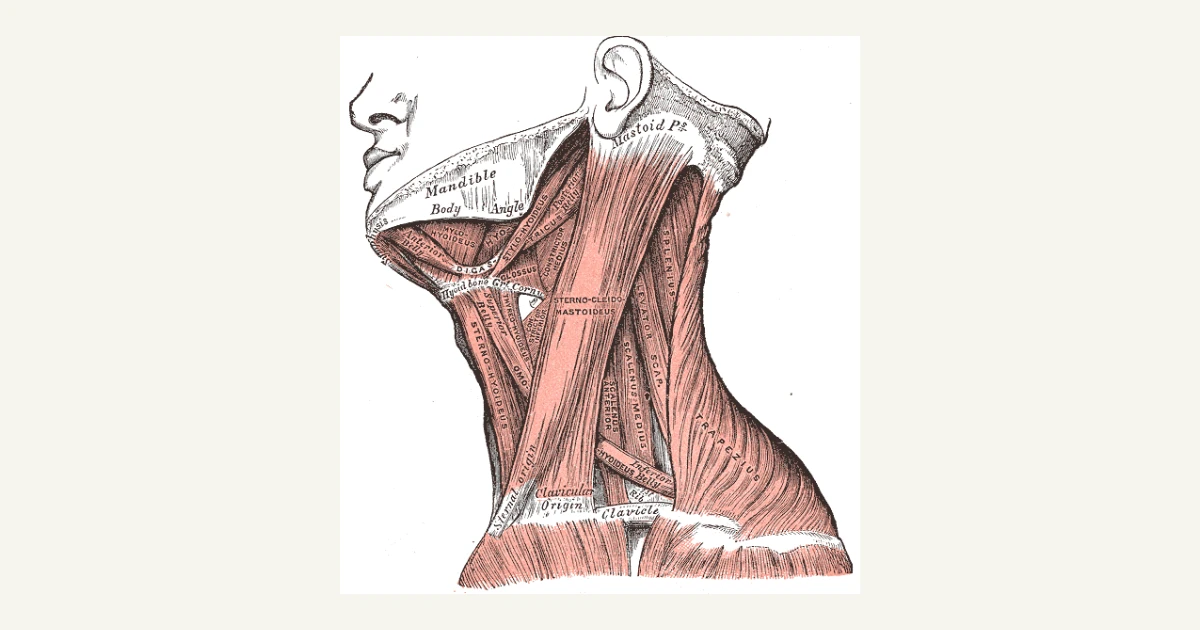
Neck and shoulder pain can be an incredibly uncomfortable and debilitating experience. If you’re specifically experiencing pain on the left side, it’s important to understand the possible causes and seek appropriate treatment. In this article, we will explore the different medical conditions associated with left-sided neck and shoulder pain and discuss effective ways to manage and alleviate the discomfort. If the pain is on the right side instead, see right side neck and shoulder pain.
How Left-Sided Neck and Shoulder Pain Feel
For some individuals, the pain may be sharp and stabbing, while others may experience a dull and persistent ache. The pain can radiate from the neck down to the shoulder and even extend to the arm and fingers. It may be accompanied by stiffness, limited range of motion, and muscle tightness.
Understanding how the pain feels can help you better communicate your symptoms to your healthcare provider for an accurate diagnosis. It’s also important to pay attention to these sensations and identify any patterns or triggers that may exacerbate the pain, which can also help lead to a more accurate diagnosis.
Medical Conditions Associated With Your Left-Sided Neck Pain and Shoulder Pain
Left-sided neck pain accompanied by shoulder pain can manifest in various ways, depending on the underlying cause. Such medical conditions include the following:
Muscle Strain
A muscle strain occurs when muscle fibers are stretched or torn due to overexertion, repetitive use, or sudden movement. Strain of the shoulder and neck muscles results in left-side neck pain and shoulder pain. Muscle strain can lead to neck and shoulder pain through the following mechanisms:
- Neck Muscles: When muscle strain tension occurs in the neck muscles, it can result in temporary neck pain, often characterised by a dull, aching sensation and discomfort with movement.
- Radiating Pain: Muscle strain in the neck and shoulder region can cause pain that radiates into adjacent areas, leading to discomfort not only in the affected muscles but also in surrounding tissues.
- Muscle Stiffness: Following a muscle strain, individuals may experience muscle stiffness in the neck and shoulders, contributing to ongoing pain and limited range of motion.
- Secondary Muscular Pain: Muscle strain can also lead to compensatory changes in posture and movement patterns, causing additional stress and strain on other muscles in the neck and shoulder area, further exacerbating the pain.
Cervical Stenosis
Cervical stenosis refers to a narrowing of the spinal canal in the neck region, which can lead to compression of the spinal cord and nerve roots. Degenerative changes in the spine, such as the formation of bone spurs, thickening of ligaments, or herniated discs, often cause this condition.
When the cervical spinal cord or nerve roots become compressed due to cervical stenosis, it can result in various symptoms, including neck and shoulder pain. The compression of the spinal cord and nerve roots can lead to:
- Nerve Impingement: The narrowing of the spinal canal can cause compression or pinching of the nerves, leading to radiating pain from the neck into the shoulders and arms.
- Muscle Tension: The body’s natural response to pain and discomfort can lead to muscle tension and spasms in the neck and shoulder region, contributing to the experience of pain.
- Spinal Stenosis: Cervical stenosis can also lead to spinal stenosis, a condition characterised by the narrowing of the spaces within the spine, further exacerbating the compression of the spinal cord and nerves.
Cervical Radiculopathy
Cervical radiculopathy refers to the compression or irritation of a nerve root in the cervical spine (neck region). This compression often occurs due to conditions such as herniated discs, bone spurs, or spinal stenosis, leading to pain, numbness, tingling, or weakness along the path of the affected nerve.
Cervical radiculopathy can lead to neck and shoulder pain through the following mechanisms:
- Pinched Nerve: The compression of the nerve root in the cervical spine, often described as a “pinched nerve,” can cause pain that radiates from the neck into the shoulder and down the arm on the affected side. This radiating pain is known as radicular pain and is a hallmark feature of cervical radiculopathy.
- Muscle Dysfunction: The nerve compression can also lead to muscle weakness, contributing to altered posture and movement patterns that may result in secondary neck and shoulder pain.
- Nerve Sensory Symptoms: In addition to pain, cervical radiculopathy can cause sensory disturbances such as numbness, tingling, or heightened sensitivity in the neck and shoulder region, further contributing to discomfort.
Cervical Disc Bulge
Cervical stenosis refers to a narrowing of the spinal canal in the neck region, which can lead to compression of the spinal cord and nerve roots. This condition is often caused by degenerative changes in the spine, such as the formation of bone spurs, thickening of ligaments, or herniated cervical disc.
When the cervical spinal cord or nerve roots become compressed due to cervical stenosis, it can result in various symptoms, including neck and shoulder pain. The compression of the spinal cord and nerve roots can lead to:
- Nerve Impingement: The narrowing of the spinal canal can cause compression or pinching of the nerves, leading to radiating pain from the neck into the shoulders and arms.
- Muscle Tension: The body’s natural response to pain and discomfort can lead to muscle tension and spasms in the neck and shoulder region, contributing to the experience of pain.
- Spinal Stenosis: Cervical stenosis can also lead to spinal stenosis, a condition characterised by the narrowing of the spaces within the spine, further exacerbating the compression of the spinal cord and nerves.
Thoracic Outlet Syndrome
Thoracic Outlet Syndrome refers to a group of disorders that occur when blood vessels or nerves in the space between the collarbone and first rib (thoracic outlet) become compressed. This can lead to pain in the shoulder and neck, along with numbness and tingling in the fingers.
Thoracic Outlet Syndrome can lead to neck and shoulder pain through the following mechanisms:
- Nerve Compression: Compression of the brachial plexus, a network of nerves originating in the neck and shoulder region, can cause radiating pain from the neck into the shoulder and down the arm.
- Vascular Compression: In cases where blood vessels are compressed, individuals may experience pain in the shoulder and neck due to compromised blood flow to the arms and hands, leading to ischemic symptoms.
- Muscle Tension: The compression of nerves and blood vessels in the thoracic outlet can lead to muscle tension and spasms in the neck and shoulder region, contributing to pain and discomfort.
- Postural Changes: Individuals with TOS may develop altered posture and movement patterns to relieve symptoms, which can lead to secondary muscular pain in the neck and shoulders.
Whiplash Injuries
Whiplash injuries occur when the neck is subjected to sudden, forceful, back-and-forth movement, commonly associated with rear-end car accidents. This abrupt motion can cause damage to the soft tissues of the neck, leading to a range of symptoms.
Whiplash injuries can lead to neck and shoulder pain through the following mechanisms:
- Soft Tissue Damage: The rapid, forceful movement of the neck in a car accident can cause stretching and tearing of the neck’s soft tissues, resulting in pain and discomfort in the neck and shoulder area.
- Muscle Strain: The sudden and violent motion can lead to muscle strain in the neck and shoulders, causing localised pain and stiffness.
- Whiplash-Associated Disorders: Individuals may experience symptoms such as headaches, dizziness, and referred pain in the shoulders, contributing to overall neck and shoulder discomfort.
- Twisted or Bent Neck: The abrupt movement in a car accident can result in the neck being twisted or bent beyond its normal range of motion, leading to acute pain and potential long-term issues in the neck and shoulder region.
Seeking medical assessment and appropriate rehabilitative measures, such as neck pain physiotherapy or physical therapy, following a whiplash injury is important for managing symptoms and promoting recovery in the neck and shoulder area.
Cervical Fracture
A cervical fracture or a broken neck is a condition that refers to a break in one of the seven cervical vertebrae in the neck. These fractures can vary in severity, ranging from minor fractures to more serious injuries that may involve displacement of bone fragments or damage to the spinal cord.
Cervical fractures can lead to neck and shoulder pain through direct tissue damage, nerve compression, muscle spasms, and postural changes. Due to the potential severity and implications of cervical fractures, immediate medical attention is crucial for proper diagnosis, management, and potential rehabilitation to address the associated pain and prevent further complications.
Rotator Cuff Injury
The rotator cuff is a group of muscles and tendons surrounding the shoulder joint, providing stability and enabling a wide range of motion. Injuries to the rotator cuff can occur due to overuse, trauma, or degeneration, leading to pain and limited shoulder function.
Rotator cuff injuries can lead to neck and shoulder pain through the following mechanisms:
- Referred Pain: Pain originating from the injured rotator cuff muscles and tendons can radiate into the neck, causing discomfort in this area in addition to the shoulder.
- Compensatory Movements: Individuals with a rotator cuff injury may alter their posture and movement patterns to avoid aggravating the affected shoulder, leading to muscular pain and tension in the neck.
- Muscle Imbalance: As a result of the injury, muscle imbalances may develop in the shoulder and neck region, contributing to discomfort and potential pain in the neck and upper back.
- Limited Range of Motion: The pain and stiffness associated with a rotator cuff injury can lead to compensatory movements in the neck and shoulder, potentially resulting in secondary pain and discomfort.
Frozen Shoulder
Frozen shoulder or adhesive capsulitis is a medical condition where the stiffness and pain in the shoulders can limit the shoulder’s range of motion. It can lead to neck and shoulder pain through referred pain, altered movement patterns, muscle tension, and secondary muscular pain.
Cervical Spondylosis
Cervical spondylosis, also known as neck arthritis, is a common age-related condition that affects the spinal discs in the neck and the joints between the vertebrae. It’s characterised by cervical disc degeneration and the development of bone spurs.
Individuals with cervical spondylosis may experience muscle tension and spasms in the neck and shoulder region as a result of the body’s natural response to the underlying degenerative changes. These degenerative changes may also cause the development of cervical disc tears or fissures, leading to inflammation and potential irritation of nearby nerves, resulting in neck and shoulder pain.
Shoulder Osteoarthritis
Shoulder osteoarthritis, also known as glenohumeral arthritis, is a degenerative joint disease that affects the shoulder. It involves the breakdown of the cartilage in the shoulder joint and the underlying bone, leading to pain, stiffness, and reduced range of motion.
As a result of the degenerative changes in the shoulder joint, muscle imbalances may develop in the shoulder and neck region, contributing to discomfort and potential pain. The pain and stiffness associated with shoulder osteoarthritis can lead to compensatory movements in the neck and shoulder, potentially resulting in secondary pain and discomfort.
Fibromyalgia
Fibromyalgia is a medical condition characterised by widespread chronic pain in the musculoskeletal system, including the neck and shoulders. This condition can cause left-sided neck and shoulder pain, as well as other symptoms like fatigue, sleep disturbances, and cognitive difficulties. It can lead to neck and shoulder pain through muscle tenderness, central sensitisation, muscle stiffness, and secondary muscular pain.
Heart-Related issues
Left-sided neck and shoulder pain can sometimes be associated with heart-related issues. Several heart-related conditions may cause referred pain to the left neck and shoulder area, including:
- Angina Pectoris: Angina is chest pain or discomfort caused by reduced blood flow to the heart. In some cases, angina can cause referred pain to the neck and left shoulder.
- Myocardial Infarction (Heart Attack): During a heart attack, the pain may radiate to the left shoulder and neck, often accompanied by chest pain, shortness of breath, and other symptoms.
- Pericarditis: Inflammation of the pericardium, the sac surrounding the heart, can cause sharp, stabbing pain in the left shoulder and neck, which may worsen with deep breathing and lying down.
It’s important to seek immediate medical attention if you experience sudden or severe left-sided neck and shoulder pain, especially if it is accompanied by other symptoms such as chest pain, shortness of breath, or dizziness, as it could indicate a serious underlying cardiac issue.
Meningitis
Meningitis is an inflammation of the meninges or the covering layer that protects the brain and spinal cord. This inflammation is typically caused by an infection, which can be bacterial, viral, or fungal.
Meningitis can lead to neck and shoulder pain through the following mechanisms:
- Meningeal Irritation: Inflammation of the meninges can result in irritation and discomfort in the neck and shoulder region, often manifesting as a stiff neck.
- Brain Swelling: As meningitis progresses, the inflammation can lead to increased pressure within the skull, potentially causing headaches and radiating pain that may extend to the neck and shoulders.
- Muscle Tension: The body’s response to the systemic infection and inflammation associated with meningitis can lead to muscle tension and discomfort in the neck and shoulder muscles.
- Secondary Symptoms: In severe cases, the inflammatory process associated with meningitis can lead to generalised body aches and discomfort, which may also contribute to neck and shoulder pain.
How to Manage Your Shoulder and Neck Pain
In most acute cases, your left-sided neck and shoulder pain may not be severe and also non-life threatening, making surgery the last line of treatment to resort to in managing such. Some conservative methods for managing mild to moderate neck pain and shoulder pain include the following:
Rest
Resting your neck and shoulder can help relieve pain and reduce inflammation. Avoid activities that exacerbate your symptoms and ensure you have proper support when sitting or lying down. However, make sure to take rests in moderation and still perform some gentle exercises to prevent muscle atrophy.
OTC Medications and Topicals
Pain relief and anti-inflammatory medication are a decision for your doctor or pharmacist.
Individuals with persistent or severe neck pain or shoulder pain should seek medical advice for a comprehensive assessment and appropriate long-term management.
Corticosteroid Injections
However, repeated or excessive use of corticosteroid injections can have adverse effects, so they should be used sparingly and under medical supervision.
Physiotherapy
Neck and shoulder pain physiotherapy can play a significant role in managing left-sided neck and shoulder pain through a variety of interventions tailored to address the underlying causes and symptoms. It may involve a combination of exercises, manual therapy, modalities, posture correction, and patient education.
What our patients say
Google reviews from our clinics in Singapore.



Seeking guidance from a qualified physiotherapist, such as those from Phoenix Rehab, can help individuals effectively manage their neck and shoulder pain and improve their overall quality of life.
When to See a Doctor
While some cases of left-sided neck and shoulder pain can be managed with self-care measures, there are instances when it is essential to seek medical attention. You should consult a doctor if:
- Sudden and Severe Pain: If the pain is sudden and intense, especially if accompanied by other symptoms such as chest pain, shortness of breath, dizziness, or nausea, it could indicate a serious medical emergency, such as a heart attack, and require immediate medical attention.
- Severe, Persistent Neck Pain and Shoulder Pain: Seeking medical attention is necessary if the pain persists for an extended period, worsens over time, or does not improve with rest and self-care measures.
- History of Heart Disease: If you have a history of heart disease, high blood pressure, or other cardiovascular risk factors, and you experience left-sided neck and shoulder pain, it’s crucial to seek medical assessment to rule out any cardiac-related issues.
- Accompanying Symptoms: If the neck and shoulder pain is accompanied by symptoms such as numbness or tingling in the arms or hands, weakness, difficulty breathing, or changes in bowel or bladder function, it’s important to seek medical evaluation to assess for potential nerve compression or other underlying conditions.
- Impact on Daily Activities: If the pain significantly interferes with your daily activities, work, or sleep, it’s advisable to consult a healthcare professional for appropriate management and relief.
Such healthcare professionals can conduct a thorough evaluation by taking a medical history, performing physical examination, and ordering diagnostic tests if necessary. They will then provide appropriate treatment options based on the underlying cause of your pain determined through the evaluation made.
Final Words
Left-sided neck and shoulder pain can significantly impact your daily life and well-being. You can effectively manage and alleviate pain and discomfort by understanding the potential causes and seeking appropriate treatment. With the right approach, an assessment shows what is driving the neck and shoulder pain and what to change first. Visit here for more.
Where are you with this right now?
1. It is settling on its own
Many shoulder problems settle over weeks to months. Night pain that slowly becomes less frequent, and reach that slowly returns, are the usual pattern. If you are reaching higher this month than last, and sleeping better, it is on the normal course. You do not need us for this, and we would rather say so.
2. It has stopped improving
You put your shirt on that arm first. The top shelf belongs to someone else now. You have stopped reaching behind you without thinking.
Reach comes back before strength does. A shoulder that goes overhead but cannot hold anything there is halfway, not finished. That is the gap worth measuring, and it is not measured by how you feel on the day.
The Stalled Recovery Review is three appointments over three weeks with the same therapist, because what a joint does under load cannot be read in one visit. The first finds what is limiting it. The next two measure how it responds. $690, nett, no GST, which is three appointments at $230.
3. You have had surgery, or you have a date
Recovery after an operation has a shape, and knowing which stage you are in tells you whether you are on it. See the Rotator Cuff Repair Recovery Program, or shoulder physiotherapy if you are not sure which applies to you.
All of it runs on the same four stages. The Phoenix Recovery Protocol explains what each stage works on and what you have to meet to move up. No referral needed to start.
Next step
Find out which stage you are in
Pain is the first thing to leave. Movement and strength are the last things trained back, and most people stop before that part is done. One Assessment and Treatment is a single 45-minute appointment at $230, nett, no GST. Your therapist finds what is actually limiting you, treats it in the same appointment, and you leave with your current stage and a written plan.
Prefer to phone? Each of our five clinics has its own number on the clinics page. No referral needed to book.
Related reading
- physiotherapy after surgery
- shoulder physiotherapy
- Shoulder dislocation and subluxation physiotherapy
- Rotator Cuff Injury: Why Your Shoulder Hurts Overhead, and Worse at Night
- Frozen Shoulder: Why It Hurts Most At Night, And What Actually Helps
- The Phoenix Recovery Protocol, and the four stages
- All recovery programs, hand and physio
Where we are
Clinics across Singapore
ORCHARD
400 Orchard Road #12-12
Orchard Towers, S238875
NS22 Orchard MRT
Physiotherapy and hand therapy in Orchard →
WhatsApp 8800 1830TAMPINES
9 Tampines Grande #01-20
Asia Green, S528735
EW2DT32 Tampines MRT
Physiotherapy and hand therapy in Tampines →
WhatsApp 8780 9608SERANGOON
265 Serangoon Central Drive #04-269
S550265 · Lift C only
NE12CC13 Serangoon MRT
Physiotherapy and hand therapy in Serangoon →
WhatsApp 8892 4121TANJONG PAGAR
10 Anson Road #02-77A
International Plaza, S079903
EW15 Tanjong Pagar MRT
Physiotherapy and hand therapy in Tanjong Pagar →
WhatsApp 8227 7074JURONG EAST
2 Venture Drive #02-02
Vision Exchange, S608526
NS1EW24 Jurong East MRT
Opening 25 October 2026
Physiotherapy and hand therapy in Jurong East →
WhatsApp 8242 7340