
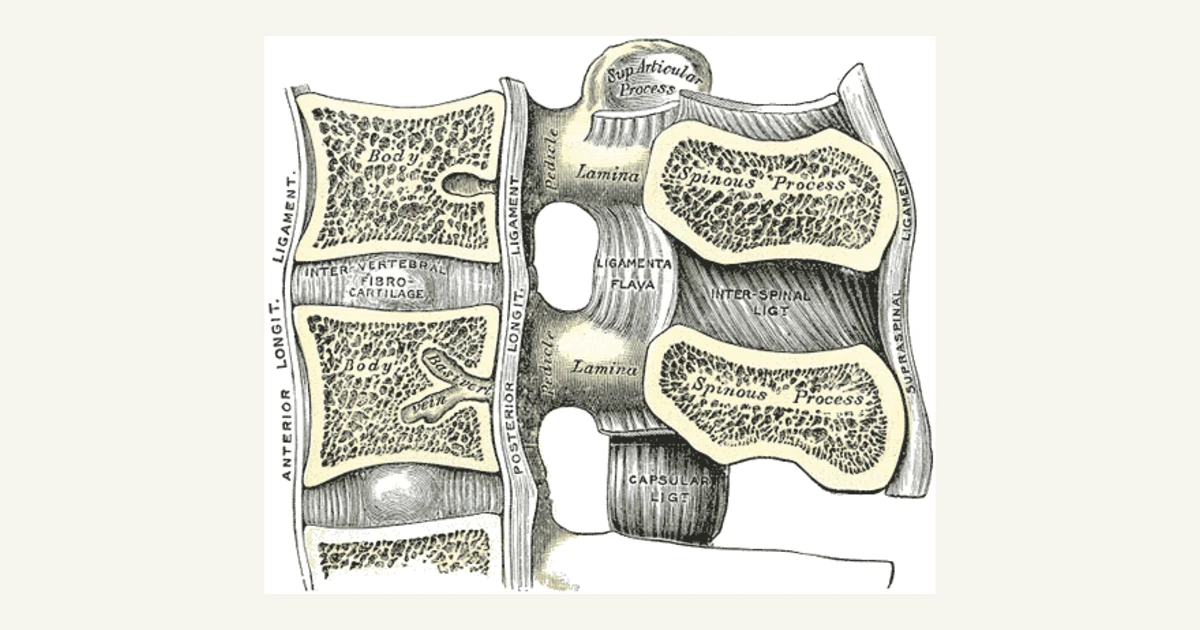
Written by Zita Sham, Fairuuz Saleh and Shiv Mohan Banka, Principal Physiotherapists at Phoenix Rehab.Clinically reviewed by Louise Yow, Principal Physiotherapist & Director, AHPC A1300363H.Last reviewed 28 September 2026.
Coughing is a reflex action designed to help clear the airways of irritants and mucus. While it’s a normal bodily function, some people may experience back pain when they cough, or the reflex itself makes the existing back pain worse. This article aims to explore the possible causes of back pain when coughing and provide insights into ways to relieve the discomfort, may it be home remedies or other treatment options available in clinics and hospitals.
How Coughing Works
The cough reflex is a protective mechanism that helps to clear the airway of any foreign substances or irritants. It is an involuntary response triggered by the stimulation of sensory receptors in the respiratory tract. The importance of the cough reflex lies in its ability to prevent aspiration of foreign materials into the lungs, maintain airway patency, and protect the respiratory system.
The muscles involved in the cough reflex include the diaphragm, intercostal muscles, abdominal muscles, and muscles of the larynx. The diaphragm and intercostal muscles contract forcefully, causing a rapid inspiration of air. This is followed by a closure of the glottis, preventing air from escaping. The abdominal muscles then contract forcefully, increasing intra-abdominal pressure. Finally, the glottis opens suddenly, and a forceful expiration occurs, expelling air and any foreign substances.
Possible Causes of Back Pain When Coughing
While coughing on its own is a reflex aiming to protect our bodies from the possible harm that foreign objects may cause, persistent or chronic cough may cause problems, including lower back pain, which may be brought by the cough reflex or may have been exacerbated by the said reflex. If a sneeze sets it off rather than a cough, see back pain from sneezing.
Muscle Strain
One of the most common causes of back pain when coughing is muscle strain. Excessive or repetitive coughing can strain the muscles in the back, leading to discomfort and pain. The strained muscles may become inflamed, causing further pain when coughing.
Muscle Spasms
Muscle spasms are another possible cause of back pain during coughing. When the muscles in the back contract involuntarily, it can result in intense pain. Coughing can trigger these spasms, exacerbating the discomfort.
Torn Ligament
A torn ligament in the back can also lead to back pain when coughing. Ligaments are tough bands of tissue that connect bones, providing stability. If a ligament in the back gets torn or stretched, coughing can put additional strain on the injured area, causing pain.
Herniated Disc
A herniated disc occurs when the soft centre of a spinal disc protrudes through a crack in the tough outer layer. Coughing itself does not directly cause a herniated disc, but it can exacerbate existing disc issues.
When you cough, it creates pressure and dynamic overloading on the spinal discs, which can lead to severe nerve compression and pain in the lower back. If you already have a herniated disc, coughing can increase the pressure on the affected area, causing pain and discomfort.
It’s also important to note that a herniated disc can also be caused by factors such as age-related wear and tear, trauma, or a back injury.
Spinal Stenosis
Spinal stenosis is a condition characterized by the narrowing of the spinal canal, which can put pressure on the nerves in the back. Coughing can further induce nerve compression, leading to back pain. People with spinal stenosis may experience relief when leaning forward or sitting down.
Lung Disease
In some cases, back pain when coughing may be a symptom of an underlying lung disease. Conditions such as pneumonia, bronchitis, or lung cancer can cause coughing and back pain simultaneously. If you experience persistent back pain when coughing, it’s crucial to consult a healthcare professional to rule out any potential lung issues.
Ways to Relieve Back Pain When Coughing
If you are experiencing back pain when coughing, there are several ways to alleviate the discomfort. Here are some effective strategies to relieve lower back pain when coughing:
Home Remedies for Pain Relief
Home remedies can provide temporary relief from back pain. Applying a hot or cold pack to the affected area can help reduce inflammation and numb the pain. Additionally, practising good posture, using a supportive pillow while sleeping, and avoiding activities that exacerbate the pain can aid in recovery.
Cold and Heat Therapy
Cold and heat therapy are two common methods used to relieve back pain, and alternating them may be especially beneficial in relieving back pain.
Cold therapy, often applied using an ice pack, involves the application of cold to the affected area. It constricts blood vessels, reduces inflammation, and numbs the area, providing temporary pain relief. Ice packs should be applied for about 10 to 15 minutes three times a day.
Heat therapy, on the other hand, widens blood vessels, increases blood flow, and relaxes muscles. This method is more effective for larger muscle groups. Moist heat, such as using a warm towel, can be applied up to twenty minutes at a time.
“Bracing” Techniques
Bracing techniques while coughing involve using specific postures or movements to provide support and stability to the back, thereby reducing strain and minimizing the risk of exacerbating back pain. These techniques aim to distribute the force generated during coughing more evenly across the body, minimizing the impact on the back muscles and structures.
Bracing techniques may include holding onto a stable object, such as a chair or countertop while coughing or using a cushion or pillow to support the back. These techniques can help in relieving back pain by reducing the strain on the affected area and promoting proper alignment of the spine.
Incorporate Ergonomic Modifications
Ergonomic modifications refer to changes made to the workspace or seating arrangement to promote better posture and reduce strain on the back, especially helpful to those who need to sit in their chairs for long periods. These modifications can include using lumbar chair support, incorporating lumbar support into office chairs, and making adjustments to the seating position.
Lumbar chair support provides additional support to the lower back, helping to maintain the natural curve of the spine and reduce pressure on the back. This can help relieve back pain by promoting proper posture. Additionally, leaning forward slightly while sitting can further align the spine and reduce pressure on the back.
Ergonomic modifications can also improve blood flow and circulation, which can alleviate discomfort, avoid chronic back pain, and promote overall well-being
Medication
Pain relief and anti-inflammatory medication are a decision for your doctor or pharmacist. These medications can provide temporary relief and should be used as directed. Similarly, corticosteroid injections are another type of medication that can help relieve pain in the back.
NSAIDs
They can be purchased over the counter or by prescription. They work by blocking enzymes involved in inflammation and pain production, primarily targeting COX-1 and COX-2.
Corticosteroid Injections
Corticosteroid injections, also known as epidural steroid injections (ESIs), are a common treatment for back pain caused by conditions such as herniated discs and radiculopathy. These injections involve the delivery of corticosteroid medications, such as prednisone or dexamethasone, directly into the epidural space of the spine.
The main mechanism of action is believed to be the reduction of the inflammatory process at the site of injection. Corticosteroids possess strong anti-inflammatory properties and can effectively decrease swelling and inflammation surrounding spinal nerves.
Massage Therapy
Massage therapy is a treatment that involves manipulating the muscles and soft tissues of the body to promote relaxation and alleviate pain.
Massage therapy can be particularly beneficial for relieving back pain by addressing muscle knots, also known as myofascial trigger points. Muscle knots are tight areas of muscle tissue that can cause pain and discomfort.
Massage therapists can use various techniques, such as myofascial release and deep tissue massage, to apply pressure and break up these knots, promoting circulation and providing relief from discomfort.
Physical Therapy
Physical therapy can be beneficial in managing back pain caused by muscle strain or other related issues. A qualified physical therapist can design a personalized exercise program that focuses on strengthening the muscles in the back and improving flexibility. They may also use techniques such as massage, transcutaneous electrical nerve stimulation, or ultrasound therapy to alleviate pain and promote healing.
Physiotherapy
Physiotherapy is a branch of healthcare that focuses on optimizing movement, function, and overall well-being. Physiotherapists like our highly qualified ones at Phoenix Rehab use various techniques and exercises to treat and prevent physical injuries and conditions. Physiotherapy for back pain in Singapore can help relieve back pain by reducing muscle spasms, addressing muscle weakness, and relieving muscle tension.
To reduce muscle spasms, physiotherapists may employ techniques such as massage, which can help decrease pain and promote relaxation. By targeting specific muscles and using manual therapy techniques, they can help decrease the intensity and frequency of muscle spasms.
Physiotherapists can also address muscle weakness through targeted exercises and strengthening techniques. Strengthening the muscles around the spine and core can help provide better support and stability, reducing the risk of further injury and alleviating back pain.
Surgery
In rare cases where conservative treatments fail to relieve back pain, surgery may be considered. Surgical intervention is typically reserved for severe cases, such as herniated discs or spinal stenosis, where other treatments have proven ineffective. It’s essential to consult with a spine specialist to determine if surgery is the right option for you.
When to Seek Medical Attention
While most cases of back pain when coughing resolve on their own with proper rest and care, there are instances where medical attention is necessary. You should seek medical assistance if:
What our patients say
Google reviews from our clinics in Singapore.


- The pain is severe and persistent, even at rest.
- You experience numbness, tingling, or weakness in the legs.
- There is a loss of bowel or bladder control.
- The pain is accompanied by difficulty breathing or coughing up blood.
Final Words
Back pain when coughing can be a discomforting experience, but it is often a result of muscle strain or minor issues. However, if the pain persists or is accompanied by other concerning symptoms, it is crucial to consult a healthcare professional for a proper diagnosis and treatment. By understanding the possible causes and implementing appropriate remedies, you can start managing the back pain properly.
Rib pain that started with a coughing fit and catches at the same point on every breath is often an intercostal muscle strain. Pain at the front beside the breastbone after a bad cough can be costochondritis.
Also on this site: the page on upper right back pain covers the causes on that side and the ones a doctor should check, and the page on back pain when lying down covers the positions that help and what they tell you.
Where are you with this right now?
1. It is settling on its own
Most episodes of back pain settle substantially within six weeks, and staying active beats resting. Scans early on tend to find changes that are common in people with no pain at all. If it is easing week on week and you are moving more rather than less, that is the normal course. You do not need us for this, and we would rather say so.
2. It has stopped improving
You think about how you will get out of the car before you park. You brace before you sneeze. You have stopped lifting anything off the floor without planning it.
The pain leaving is not the same as the capacity coming back. If nothing was loaded again, the back returns to daily life with less than it had. That is the gap worth measuring, and it is not measured by how you feel on the day.
The Stalled Recovery Review is three appointments over three weeks with the same therapist, because what a joint does under load cannot be read in one visit. The first finds what is limiting it. The next two measure how it responds. $690, nett, no GST, which is three appointments at $230.
3. You have had surgery, or you have a date
Recovery after an operation has a shape, and knowing which stage you are in tells you whether you are on it. See the recovery programs, or lower back physiotherapy if you are not sure which applies to you.
All of it runs on the same four stages. The Phoenix Recovery Protocol explains what each stage works on and what you have to meet to move up. No referral needed to start.
Next step
Find out which stage you are in
Pain is the first thing to leave. Movement and strength are the last things trained back, and most people stop before that part is done. One Assessment and Treatment is a single 45-minute appointment at $230, nett, no GST. Your therapist finds what is actually limiting you, treats it in the same appointment, and you leave with your current stage and a written plan.
Prefer to phone? Each of our five clinics has its own number on the clinics page. No referral needed to book.
Related reading
- physiotherapy after surgery
- lower back physiotherapy
- Lower Back Pain From Deadlifts: Causes and How to Manage It
- Back Pain From Sneezing: Why It Happens and What Helps
- How Physiotherapy Helps With Sciatica Pain Treatment
- The Phoenix Recovery Protocol, and the four stages
- All recovery programs, hand and physio
Where we are
Clinics across Singapore
ORCHARD
400 Orchard Road #12-12
Orchard Towers, S238875
NS22 Orchard MRT
Physiotherapy and hand therapy in Orchard →
WhatsApp 8800 1830TAMPINES
9 Tampines Grande #01-20
Asia Green, S528735
EW2DT32 Tampines MRT
Physiotherapy and hand therapy in Tampines →
WhatsApp 8780 9608SERANGOON
265 Serangoon Central Drive #04-269
S550265 · Lift C only
NE12CC13 Serangoon MRT
Physiotherapy and hand therapy in Serangoon →
WhatsApp 8892 4121TANJONG PAGAR
10 Anson Road #02-77A
International Plaza, S079903
EW15 Tanjong Pagar MRT
Physiotherapy and hand therapy in Tanjong Pagar →
WhatsApp 8227 7074JURONG EAST
2 Venture Drive #02-02
Vision Exchange, S608526
NS1EW24 Jurong East MRT
Opening 25 October 2026
Physiotherapy and hand therapy in Jurong East →
WhatsApp 8242 7340