
Written by Zita Sham, Fairuuz Saleh and Shiv Mohan Banka, Principal Physiotherapists at Phoenix Rehab.Clinically reviewed by Louise Yow, Principal Physiotherapist & Director, AHPC A1300363H.Last reviewed 28 September 2026.
Sneezing is a natural reflex that helps our bodies expel irritants from the nasal passages. While most people associate sneezing with allergies or a common cold, it may come as a surprise that sneezing can lead to back pain. In this article, we will explore the possible causes of sneezing-related back pain and discuss ways to prevent and relieve this discomfort.
Sneezing as a Reflex
Sneezing is a reflex or involuntary action triggered by the irritation of the lining of the nose. When our bodies detect an irritant, such as dust, pollen, or even a virus, it sends a signal to the brain, which then responds by activating various muscles of the upper body. These muscles contract forcefully, causing a sudden, forceful expulsion of air through the nose and mouth.
While the main purpose of sneezing is to clear the nasal passages, the forceful contraction of muscles can put a strain on other parts of the body, including the back.
Possible Causes of Sneezing-Related Back Pain
Back pain when sneezing may be a warning sign of an underlying root cause, condition, or existing injury that may require immediate medical help. Here are some possible causes of sneezing-related back pain:
Muscle Strain
One of the most common causes of back pain from sneezing is muscle strain. A muscle strain occurs due to the sudden and forceful contraction of muscle fibers during sneezing. Such very forceful action, especially during a violent sneeze, can cause them to stretch or even tear. This strain on the muscles supporting the spine can result in acute back pain. Muscle strain can be exacerbated if the individual already has weak back muscles or an underlying condition such as arthritis.
Previous Back Injury
During sneezing, the diaphragm contracts suddenly and forcefully, along with other muscles that make up your core, to effect the expulsive motion characteristic of sneezing. This can put pressure on the spine, which can exacerbate the pain episodes of an already injured or weakened back. Sneezing can also cause a sudden jolt or twist to the spine, which can be painful if the injured area is not properly supported or stabilized.
Herniated Disc
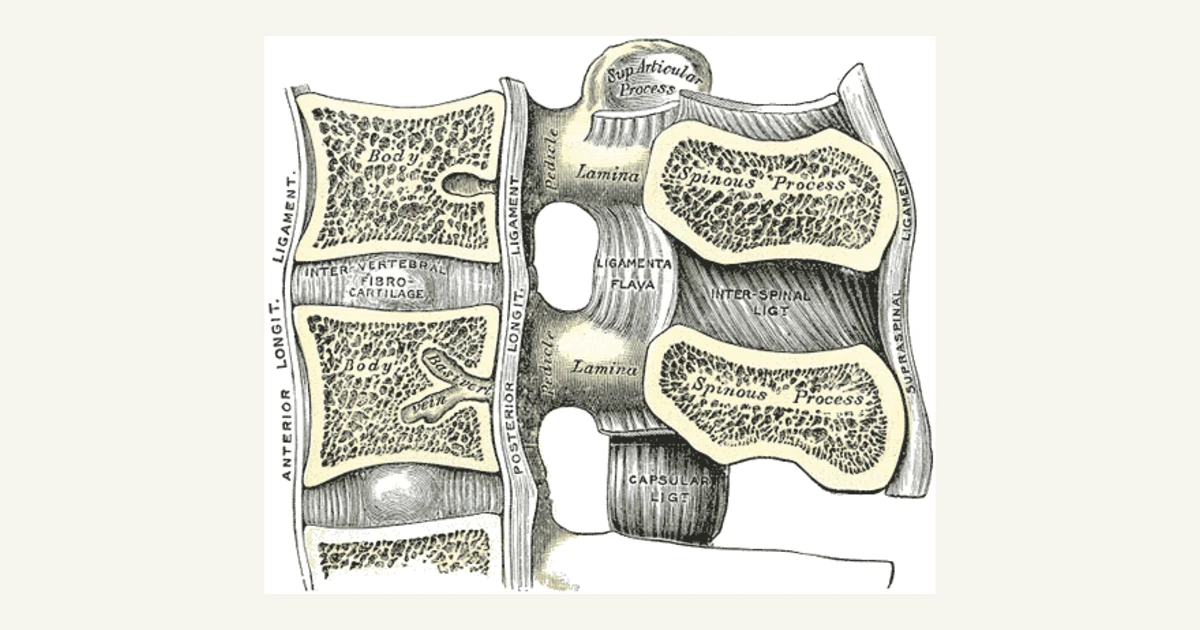
Another possible cause of sneezing-related back pain is a herniated disc. Our spinal discs act as shock absorbers and provide cushioning between the vertebrae. However, if a disc becomes damaged or weakened, it can bulge or herniate, putting pressure on nearby nerves. When we sneeze, the sudden increase in pressure can exacerbate the pain caused by a herniated disc, leading to back pain.
Vertebral Compression Fracture
A vertebral compression fracture refers to the collapse of a vertebra in the spine. This type of fracture is commonly associated with osteoporosis, a condition characterized by weakened bones. When someone with osteoporosis sneezes, the sudden force can cause a compression fracture, resulting in back pain. Individuals with osteoporosis need to take precautions and seek medical advice to prevent vertebral compression fractures.
Sciatica
Sneezing can also exacerbate existing sciatica, a condition characterized by pain radiating from the lower back down the leg. Sciatica arises when the sciatic nerve, extending from the lower back down to the leg, experiences compression or irritation. The forceful movement of sneezing can increase pressure on the nerve, leading to a sharp, shooting pain down the leg.
Pulled Muscle
In some cases, sneezing can cause a pulled muscle in the back. This occurs when the muscles surrounding the spine are strained or torn due to the forceful contraction during a sneeze. A pulled muscle can cause localized back pain and discomfort, which may last for several days or even weeks.
Arthritis
Individuals with arthritis, particularly in the spine, may experience increased back pain when sneezing. Arthritis causes inflammation and degeneration of the joints, resulting in chronic pain and stiffness. The sudden movements associated with sneezing can exacerbate the pain caused by arthritis, making sneezing a painful experience for those affected.
Preventing Sneeze-Related Back Pain
While it may be challenging to prevent sneezing altogether, there are steps you can take to minimize the risk of experiencing back pain during a sneeze.
Firstly, it is important to maintain good posture and strengthen the muscles supporting the back. Regular exercise, particularly exercises that target the core muscles, can help improve posture and provide better support for the spine.
Secondly, practising good respiratory hygiene can reduce the frequency and intensity of sneezing. This includes covering your mouth and nose with a tissue or your elbow when sneezing to prevent the spread of germs and irritants.
Lastly, for individuals with pre-existing back conditions, wearing a back brace may provide additional support during a sneeze. A back brace can help stabilize the spine and reduce the strain on the muscles and discs.
Ways to Relieve Pain in the Back Due to Sneezing
If you do experience back pain from sneezing, there are several ways to find relief, which include the following:
Painkillers
Over-the-counter painkillers, such as nonsteroidal anti-inflammatory drugs (NSAIDs), can provide short-term pain relief caused by sneezing-related back pain. However, it is important to follow the recommended dosage and consult a healthcare professional if the pain persists or worsens.
Gentle Exercise and Stretching
Engaging in gentle exercise and stretching can help relieve back pain caused by sneezing. Low-impact activities, such as walking or swimming, can help improve blood circulation and promote healing. Additionally, specific stretching exercises targeting the back muscles can help alleviate tension and reduce pain.
Physical Therapy and Physiotherapy
In general, physiotherapy and physical therapy both involve the assessment, diagnosis, and treatment of injuries, disabilities, or conditions that affect the musculoskeletal system. They aim to improve movement, alleviate pain, and improve overall physical function. Both professions utilize a variety of techniques, exercises, and modalities to achieve these goals.
However, some sources suggest that physiotherapy is a broader term that encompasses a wider range of specialities and approaches. It may include additional areas of focus, such as cardiovascular and respiratory conditions, neurological rehabilitation, and sports injuries. Physical therapy, on the other hand, may be seen as a more specific term that predominantly focuses on musculoskeletal issues.
Physiotherapists may incorporate heat or cold therapy and TENS therapy as part of a comprehensive treatment plan, along with exercises, manual therapy, and other techniques.
The specific approach will depend on the individual’s condition and the therapist’s assessment, which we do in a very systemic and evidence-based way at Phoenix Rehab. This procedure ensures that we provide our patients with effective and personalised care through back physiotherapy and other services that we offer.
Heat or Cold Therapy
Heat therapy entails the application of heat to the affected area, promoting improved blood circulation, muscle relaxation, and pain relief. It can be done through hot packs, warm water baths, or heating pads.
Cold therapy, on the other hand, involves applying cold packs or ice to the affected area. This helps reduce inflammation, numb the area, and provide pain relief. Cold therapy is particularly helpful in the acute stages of injury or when there is significant inflammation.
TENS Therapy
Transcutaneous electrical nerve stimulation (TENS) therapy is another option for relieving sneeze-related back pain. TENS therapy is a technique that uses a small device to deliver low-voltage electrical currents to the affected area. This helps in pain management by stimulating the nerves and reducing the sensation of pain. TENS therapy can be an effective complementary treatment for back pain when sneezing.
When to Seek Medical Attention
In most cases, back pain from sneezing is not a cause for concern and will resolve on its own with time and self-care. However, there are instances when medical attention should be sought.
If the back pain is severe, persistent, or accompanied by other symptoms such as numbness, tingling, or weakness in the legs, it is important to consult a healthcare professional. They can help diagnose the underlying cause of the pain and recommend appropriate treatment options.
Final Words
While sneezing may seem like a harmless reflex, it can sometimes lead to back pain. Understanding the possible causes and taking preventive measures can help minimize the risk of experiencing discomfort. Pain relief and anti-inflammatory medication are a decision for your doctor or pharmacist. Remember to listen to your body and seek medical attention if necessary. By taking care of your back, you make the next flare-up less likely to catch you out.
If a sneeze now catches along one rib rather than in the lower back, see intercostal muscle strain.
Where are you with this right now?
1. It is settling on its own
Most episodes of back pain settle substantially within six weeks, and staying active beats resting. Scans early on tend to find changes that are common in people with no pain at all. If it is easing week on week and you are moving more rather than less, that is the normal course. You do not need us for this, and we would rather say so.
What our patients say
Google reviews from our clinics in Singapore.


2. It has stopped improving
You think about how you will get out of the car before you park. You brace before you sneeze. You have stopped lifting anything off the floor without planning it.
The pain leaving is not the same as the capacity coming back. If nothing was loaded again, the back returns to daily life with less than it had. That is the gap worth measuring, and it is not measured by how you feel on the day.
The Stalled Recovery Review is three appointments over three weeks with the same therapist, because what a joint does under load cannot be read in one visit. The first finds what is limiting it. The next two measure how it responds. $690, nett, no GST, which is three appointments at $230.
3. You have had surgery, or you have a date
Recovery after an operation has a shape, and knowing which stage you are in tells you whether you are on it. See the recovery programs, or lower back physiotherapy if you are not sure which applies to you.
All of it runs on the same four stages. The Phoenix Recovery Protocol explains what each stage works on and what you have to meet to move up. No referral needed to start.
Next step
Find out which stage you are in
Pain is the first thing to leave. Movement and strength are the last things trained back, and most people stop before that part is done. One Assessment and Treatment is a single 45-minute appointment at $230, nett, no GST. Your therapist finds what is actually limiting you, treats it in the same appointment, and you leave with your current stage and a written plan.
Prefer to phone? Each of our five clinics has its own number on the clinics page. No referral needed to book.
Related reading
Where we are
Clinics across Singapore
ORCHARD
400 Orchard Road #12-12
Orchard Towers, S238875
NS22 Orchard MRT
Physiotherapy and hand therapy in Orchard →
WhatsApp 8800 1830TAMPINES
9 Tampines Grande #01-20
Asia Green, S528735
EW2DT32 Tampines MRT
Physiotherapy and hand therapy in Tampines →
WhatsApp 8780 9608SERANGOON
265 Serangoon Central Drive #04-269
S550265 · Lift C only
NE12CC13 Serangoon MRT
Physiotherapy and hand therapy in Serangoon →
WhatsApp 8892 4121TANJONG PAGAR
10 Anson Road #02-77A
International Plaza, S079903
EW15 Tanjong Pagar MRT
Physiotherapy and hand therapy in Tanjong Pagar →
WhatsApp 8227 7074JURONG EAST
2 Venture Drive #02-02
Vision Exchange, S608526
NS1EW24 Jurong East MRT
Opening 25 October 2026
Physiotherapy and hand therapy in Jurong East →
WhatsApp 8242 7340